










Two broadcasts, one hatred Russian media set a new low in anti-Azerbaijan rhetoric
The ranks of Russian propagandists spewing outright hatred toward Azerbaijan are growing. Their statements might be dismissed as mere inflammatory rhetoric were it not for the fact that some contain direct calls for unlawful acts — including the elimination of a head of state.
It was precisely for this reason that the Prosecutor General’s Office of Azerbaijan launched a criminal case under Articles 214-2 (“Public calls for terrorism”), 281.2 (“Public calls directed against the state”), and 283.2.1 (“Incitement of national hatred and hostility”) of the Criminal Code of the Republic of Azerbaijan.
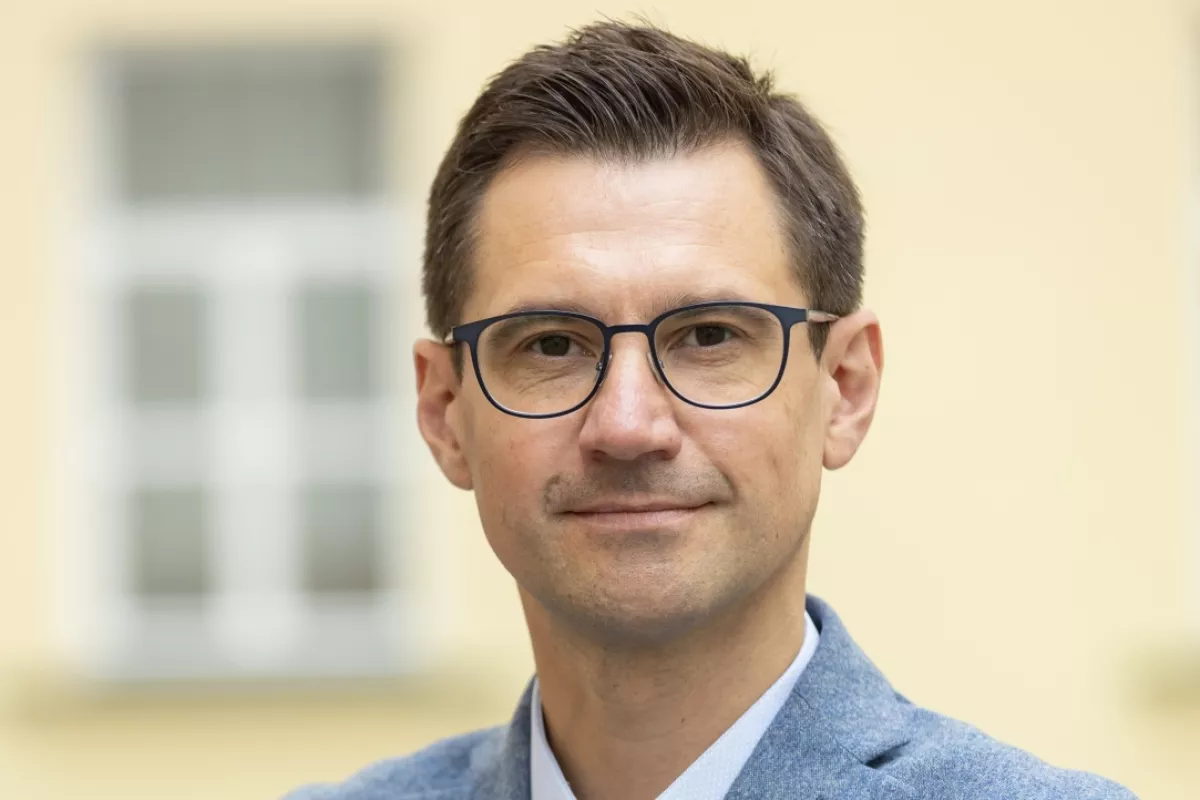
The case concerns three Russian citizens: Ivan Knyazev, a journalist and host on Moscow 24 television; Semyon Uralov, who describes himself as a political consultant and media expert; and Alexey Chadayev, a television journalist, correspondent, and adviser to Russia’s Minister of Transport.
The story began with the July 14 episode of the program “Chistota Ponimaniya” (“Clarity of Understanding”), which focused on reactions to Azerbaijani President Ilham Aliyev’s remarks at the Shusha Global Media Forum. Among other things, the President of Azerbaijan spoke about the country’s colonial past as part of the Russian Empire. Such remarks clearly did not sit well with everyone in Russia. But there is a fundamental difference between irritation over a historical assessment and threats against an entire country.
In this case, that line was crossed rather quickly. Host Ivan Knyazev claimed that Aliyev had allegedly taken “hostile actions against Russia,” adding: “And we do nothing in response.” Uralov suggested that Russian law enforcement agencies should pressure representatives of the Azerbaijani diaspora into making statements condemning Baku’s actions. At the same time, he accused Azerbaijan of the “genocide of the Armenian population” of Karabakh, using terms such as “Nazism” and “the cleansing of people.”
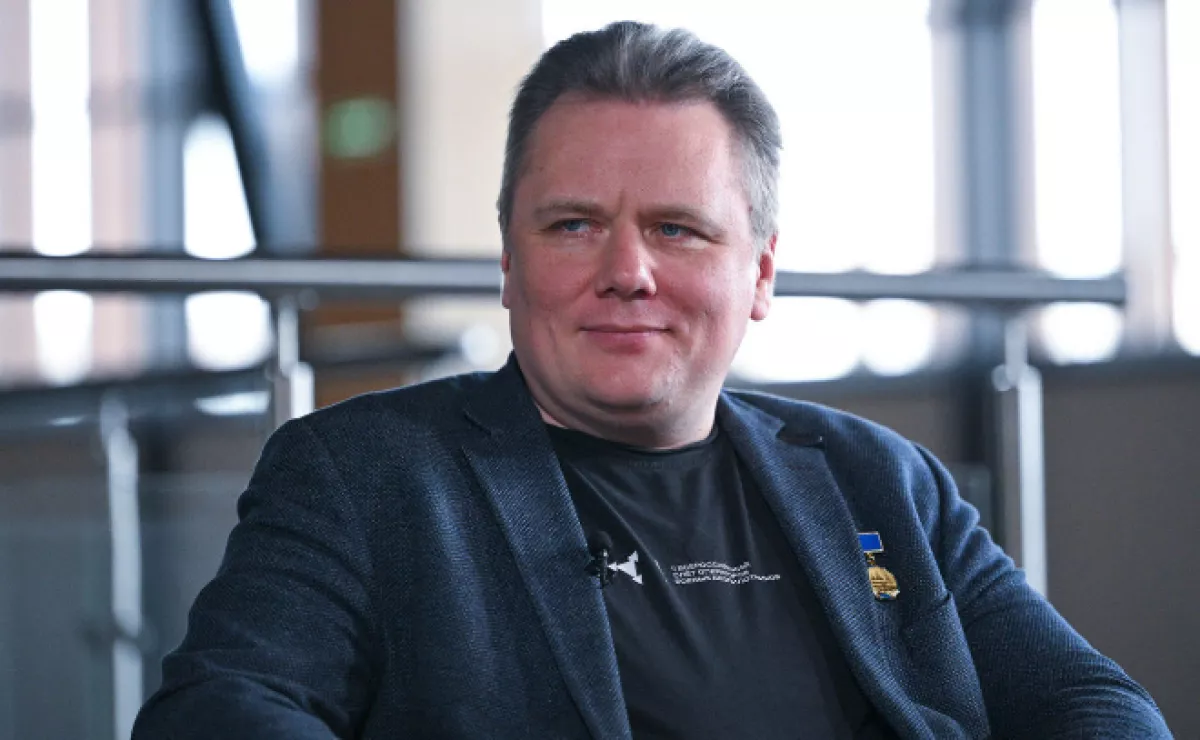
But Chadayev went the furthest on that occasion. Discussing what he believed Russia might want with regard to Azerbaijan, he suggested, among other options, “returning the historically Armenian lands illegally conquered by Azerbaijani aggressors, handing Azerbaijani territories over to Iran,” referred to the nonexistent entity of “Lezgistan,” and proposed a scenario involving the dismemberment of the Azerbaijani state. He then put forward a very specific military proposal: “strengthen the Caspian Flotilla and plan an amphibious operation in Baku.” But the story did not end there.
The second episode of "Clarity of Understanding” that has drawn the attention of Azerbaijani law enforcement was released a month later, featuring the same participants (along with Mikhail Shpir), and focused on Ukraine. Azerbaijan came up in the discussion as an example of how, in the participants’ view, Russia should deal with its neighbors in the former Soviet Union. And it was precisely here that the rhetoric became even more extreme.
Chadayev, beginning by claiming that Aliyev was supposedly “cosplaying Zelenskyy,” said: “The natural way to ensure compliance with agreements is to place those who fail to comply with them under a direct threat of physical destruction specifically for failing to comply.” A few minutes later, Knyazev echoed the idea, stating that “little can help here other than a physical threat.” Some time later, Uralov shared what he described as a “striking” thought that had supposedly occurred to him: anyone “born on the territory of the Soviet Union before 1991” should fall under Russian jurisdiction, including the President of Azerbaijan.
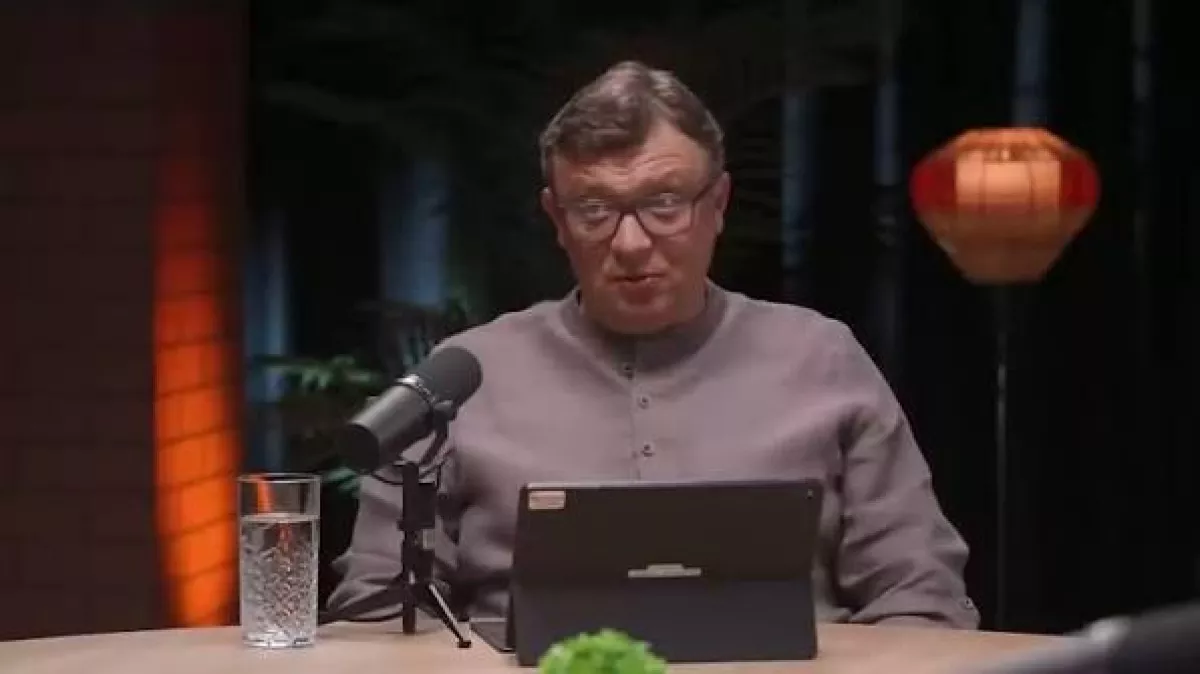
The logic was laid out in the most straightforward terms: if a person was born in the USSR and Russia is its legal successor, then Moscow supposedly has the right to prosecute that person under Russian law. The participants in the discussion accepted this proposition with an air of authority. We will not bother trying to untangle the legal mess that Mr. Uralov dumped onto the studio table. The issue here is not legal inconsistencies, but something else: this is a deliberate rhetorical device aimed at calling into question the very legitimacy of the President of Azerbaijan.
After discussing what they considered to be the legal basis for interfering in the affairs of other countries, the participants moved on to a specific historical precedent — the assassination of Yevhen Konovalets, head of the Organization of Ukrainian Nationalists (OUN), by Soviet intelligence agents in Rotterdam in 1938. A few minutes later, they began discussing how Aliyev had supposedly “sensed Russia’s weakness” and was now acting with impunity. In short, the entire discussion was structured in such a way that, while talking about Ukraine, its participants were sending unambiguous messages to Azerbaijan, including direct threats against the country’s leader.
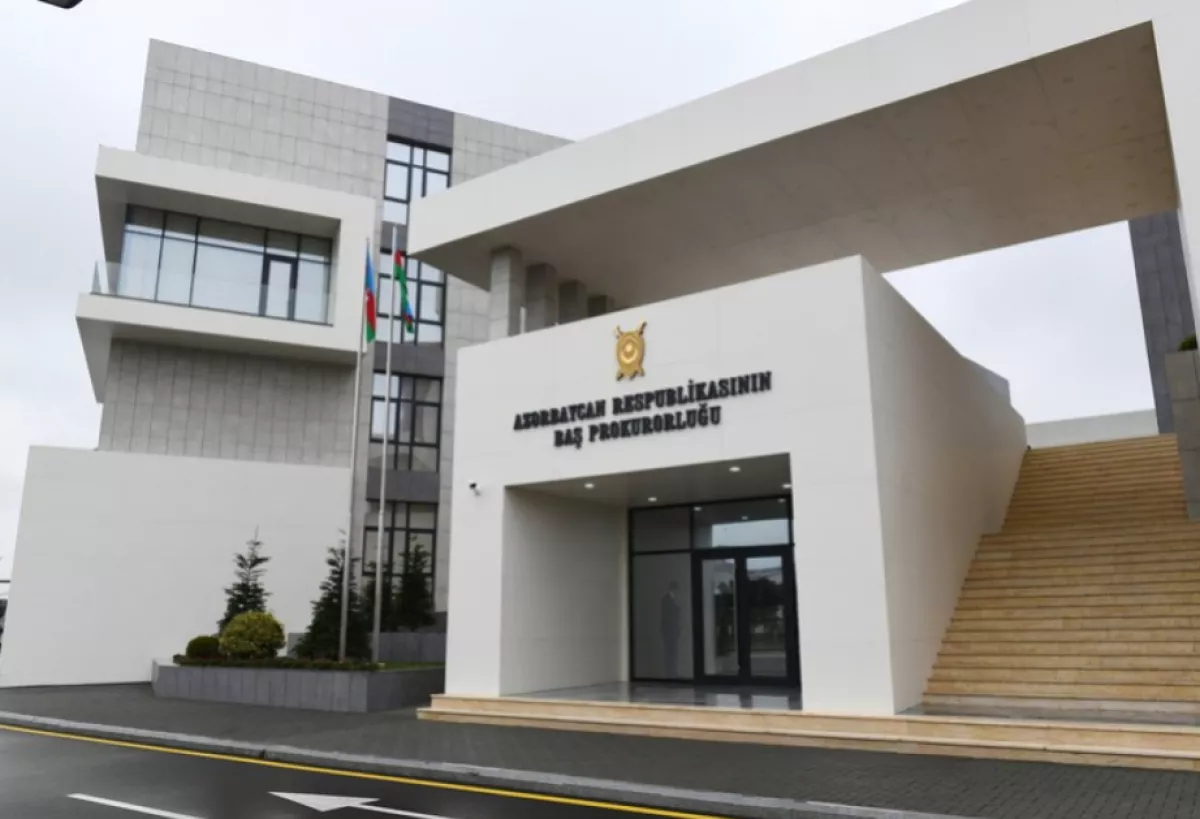
Against this backdrop, Baku’s official reaction was entirely understandable. We would like to conclude our article by quoting from the Prosecutor General’s Office press release: “In the course of the investigation, reasonable suspicions arose that the aforementioned individuals had called for the use of violent methods against Azerbaijan, the forcible alteration of the constitutional order and violation of the country’s territorial integrity, as well as the incitement of national hatred and hostility. In addition, there are substantial grounds to suspect that, on August 13, 2026, in a program published on the aforementioned channel, the above-mentioned individuals, while expressing views on the use of violent methods against the Republic of Azerbaijan, including keeping certain individuals under the direct threat of physical destruction and their targeted elimination, made public calls for terrorism.”
We are not prosecutors, but we too have developed reasonable suspicions. Readers can draw their own conclusions not only after reading this article, but also by hearing the statements of the individuals involved firsthand, by following the link we provided above.
Today, Russian Ambassador Extraordinary and Plenipotentiary to Azerbaijan Mikhail Yevdokimov was summoned to the Ministry of Foreign Affairs. According to Azerbaijan’s Foreign Ministry, the Russian side was presented with a “serious concern and firm protest” over the provocative, insulting, and threatening statements recently made in the Russian media and information space against Azerbaijan, the Azerbaijani people, and the country’s leadership. The Foreign Ministry also stressed that it expects the Russian side to take “urgent and effective measures” to put an end to such rhetoric. We will see whether Moscow heeds the call.







 editor@caliber.az
 +994 55 444-88-98
 Азербайджан, Баку, ул. Низами, 203, Af Business House, 5-й этаж