










Ukraine’s old diagnosis The scourge of corruption
Corruption, which Ukraine has failed to eradicate completely, has become a stumbling block on Kyiv’s path to the European Union.
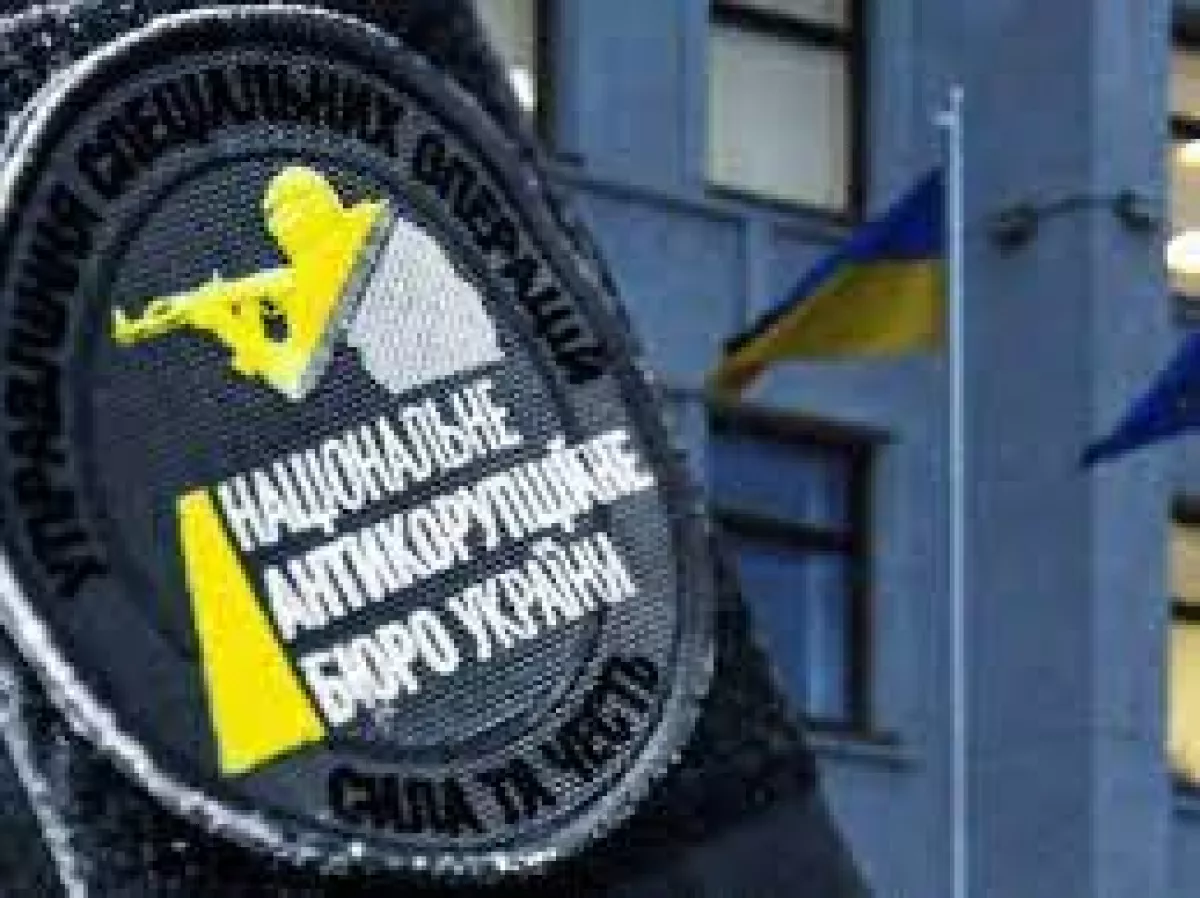
Senior EU officials who spoke to the Financial Times on condition of anonymity made this blunt statement, and it was entirely justified, given that investigations by Ukraine’s National Anti-Corruption Bureau (NABU) and Specialized Anti-Corruption Prosecutor’s Office (SAPO) regularly involve senior officials and lawmakers, heads of state-owned enterprises, and representatives of the security and law-enforcement agencies. Moreover, the tentacles of corruption have continued to grip the Ukrainian state even after the outbreak of the full-scale war.
It is enough to recall that the first major scandal erupted over defense procurement in early 2023, when the Ukrainian public was shocked by reports that food for the army had been purchased at inflated prices. The most notorious symbol of the affair became the infamous “17-hryvnia eggs.” The public outcry led to personnel changes at the Ministry of Defense, but then-Defense Minister Oleksii Reznikov was seen off from his post by MPs in the Verkhovna Rada with loud and prolonged applause. Naturally, he faced no criminal liability for corruption at the defense ministry.
An even more damaging scandal for Ukrainian statehood erupted in May 2023 in the Supreme Court. NABU and SAPO announced that they had exposed Supreme Court Chairman Vsevolod Kniaziev, who was suspected of accepting a $2.7 million bribe. For a country seeking EU membership and proclaiming judicial reform, the incident was particularly telling: corruption had reached the very top of the judiciary.
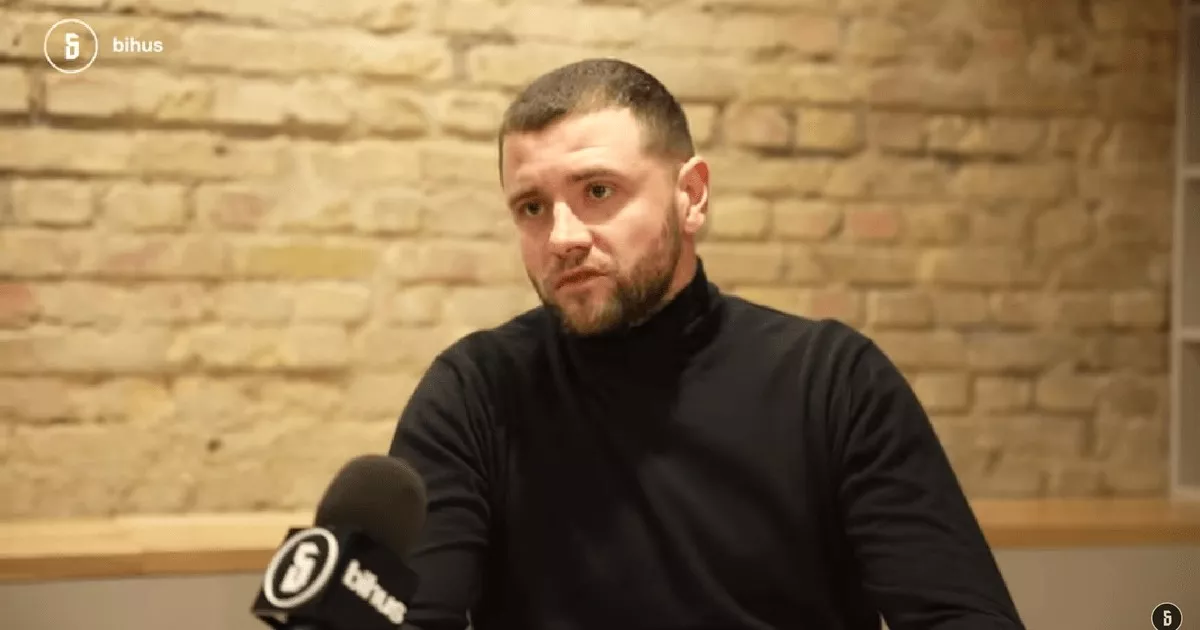
The following year, 2024, brought a new series of high-profile cases. In April, NABU and SAPO announced that they had exposed a group linked to Artem Shylo, a former adviser to the Office of the President and a serving SBU officer. Investigators accused him of involvement in the alleged embezzlement of UAH 94.8 million (about $2.1 million) in the procurement of transformers for Ukrzaliznytsia, Ukraine’s state railway company.
Around the same time, anti-corruption authorities turned their attention to then-Agriculture Minister Mykola Solsky. He was charged with allegedly unlawfully acquiring state-owned land worth around UAH 291 million (about $6.4 million) and attempting to acquire additional plots worth approximately UAH 190 million (about $4.2 million). Another high-profile case involved Andriy Smyrnov, a former deputy head of the Office of the President, whom NABU charged with allegedly acquiring UAH 15.7 million (about $345,000) in illicit assets.
Against this backdrop, in July 2025, the Ukrainian authorities attempted to significantly curtail the independence of NABU and SAPO. The law was passed by the Verkhovna Rada and signed by President Volodymyr Zelenskyy, triggering mass protests in Kyiv and other cities. The European Union described the move as a step backward, while the independence of Ukraine’s anti-corruption institutions became one of the key issues in relations between Kyiv and Brussels. Following the protests and international pressure, Zelenskyy submitted a new bill restoring the powers of NABU and SAPO.
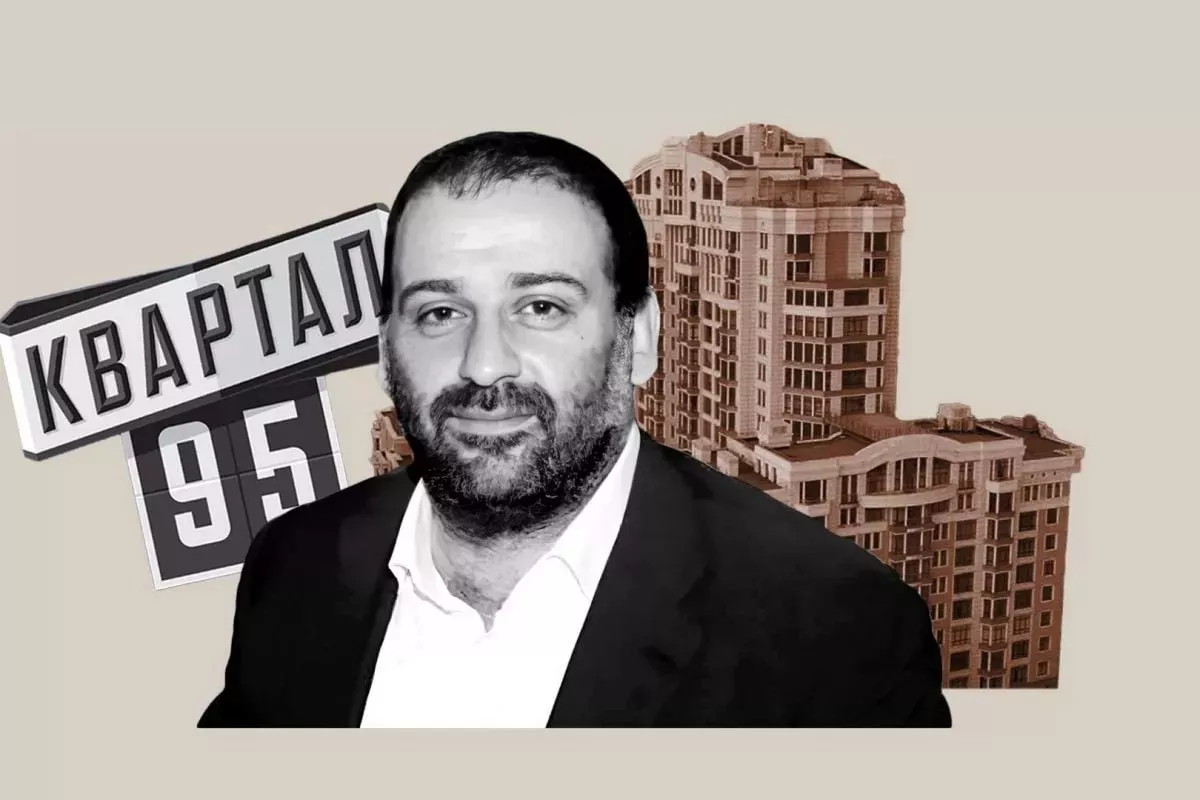
And then came “Mindichgate” — the biggest corruption scandal in recent years. As part of Operation Midas, NABU and SAPO uncovered a large-scale scheme in the energy sector involving the state-owned company Energoatom. According to investigators, contractors were allegedly forced to pay kickbacks amounting to around 10–15% of the value of their contracts, with the threat of having payments blocked or being removed from the list of suppliers. The investigation lasted about 15 months, involved more than 70 searches, and produced roughly 1,000 hours of audio recordings.
At the center of the scandal was Timur Mindich, a former business partner and close associate of President Zelenskyy. He and several other individuals implicated in the case managed to flee Ukraine. All of this is, of course, being closely watched and documented in the European Union, whose officials regularly urge Ukraine to genuinely combat systemic corruption rather than merely stage-manage an anti-corruption campaign.
In this context, it is worth taking a brief look back at history, since history often provides answers to many questions. Today, the period of the Ukrainian People’s Republic is most often presented as a chronicle of a heroic struggle for independence, confrontation with the Bolsheviks, diplomatic defeats, and the tragic emigration of the political elite. But there is another, far less flattering side to that era. It concerns the very same notorious corruption, financial abuses, opaque use of state funds, and a situation in which government officials, at a time when the state was effectively disintegrating and its army was collapsing, proved far more capable of securing their own financial interests than addressing the problems of the state they were supposed to govern.
For example, the story of Mykola Porsh, one of the prominent Ukrainian Social Democrats who was appointed the Ukrainian People’s Republic’s diplomatic representative in Germany under the Directorate, is particularly scandalous. His time in Berlin coincided with an extremely difficult period for the republic. Yet Ukrainian publications have reported that it was during this period that Porsh allegedly purchased a large house in Germany for his mistress. Meanwhile, the Ukrainian army was being ravaged by a typhus epidemic and suffering from an acute shortage of medicines and even basic supplies.
No less telling is the story of Oleksandr Sevriuk, a prominent figure in Ukrainian diplomacy during the early years of independence. In 1918, he was part of the Ukrainian delegation that signed the Treaty of Brest-Litovsk with the Central Powers. He subsequently became involved in the diplomatic activities of the Ukrainian People’s Republic. In Italy, he was tasked, among other things, with handling matters concerning Ukrainian prisoners of war. It was there, according to Ukrainian publications on corruption during the UPR period, that one of the most notorious scandals emerged: funds allocated to improve the conditions of Ukrainian prisoners were allegedly misused by Sevriuk for his own entertainment, including gambling.
As we can see, there is a clear continuity when it comes to such an unsavory issue as systemic corruption: the UPR had its own “Mindiches,” too. This only further demonstrates that the EU’s demands for Ukraine to combat corruption are legitimate and well-founded. Perhaps they can ultimately help rid a state of the corruption that has taken root within it — a state that is currently at war with a huge nuclear power.







 editor@caliber.az
 +994 55 444-88-98
 Азербайджан, Баку, ул. Низами, 203, Af Business House, 5-й этаж