










Trump’s Korean gambit Cutting drills to revive diplomacy
Donald Trump intervened at the last minute in the conduct of the largest annual military exercises held by the United States and South Korea. Just hours before they were due to begin, the US president ordered the Pentagon to “substantially reduce” the joint Ulchi Freedom Shield exercises, saying they were too costly for Washington and sent North Korea a “signal that is totally inappropriate and hostile.” Trump did not cancel the drills outright, saying it was already too late to do so. As a result, the exercises began on August 17 as scheduled.
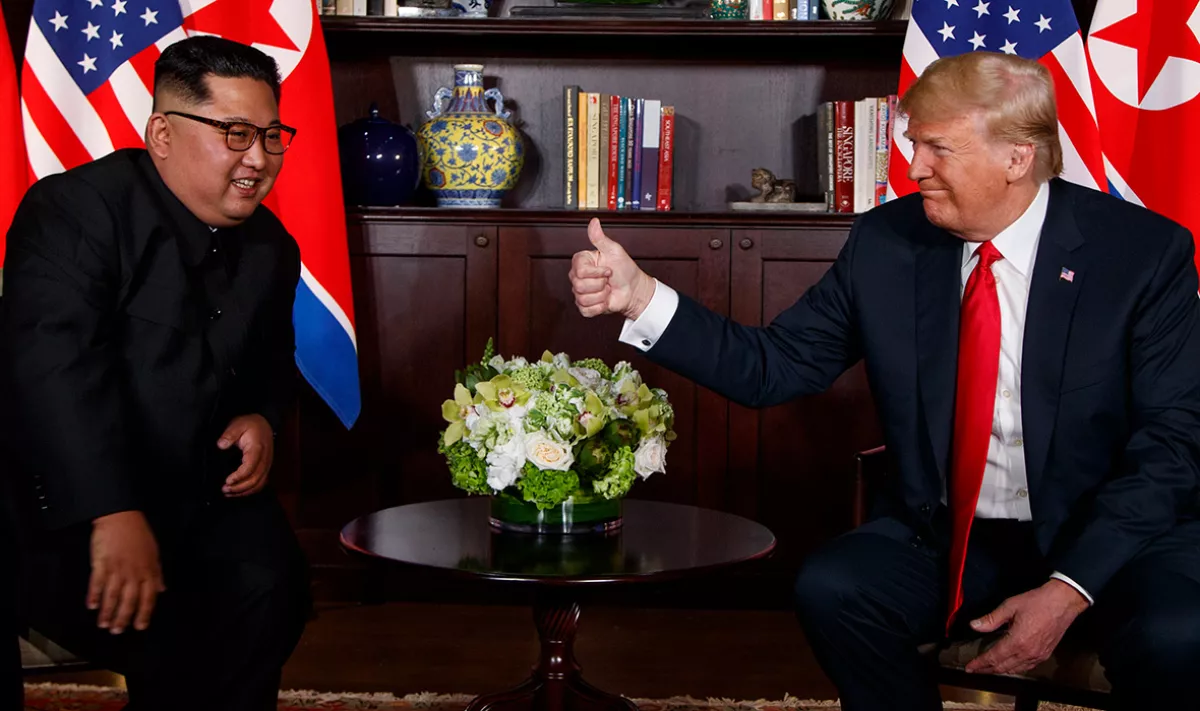
Trump cited his relationship with the North Korean leader as the main reason for his decision. “Based on my very good relationship with Kim Jong Un, of North Korea, I am not happy with the fact that the United States has, long ago, agreed to participate in Joint Military Exercises with South Korea,” the US president said. In his assessment, Pyongyang had posed no threat and behaved respectfully under the current administration. At the same time, the White House chief pointed out that Seoul had refused to join US efforts to “denuclearize” Iran.
The Ulchi Freedom Shield exercises will continue until August 27, with around 18,000 South Korean troops taking part. This year’s program focuses on new forms of warfare, including countering drones and cyberattacks, as well as responding to GPS disruptions. During UFS, the allies are also assessing South Korea’s readiness to assume wartime operational control of the combined US-South Korean forces in the event of a conflict.
It is precisely the combination of these circumstances that makes Trump’s decision noteworthy. On the one hand, Washington continues joint military training with Seoul and is modernizing its content; on the other, the US president is openly advocating a reduction in such activities if he believes they could hinder diplomacy with Pyongyang. Thus, the move is better understood as an adjustment to the US approach rather than a rejection of allied cooperation.
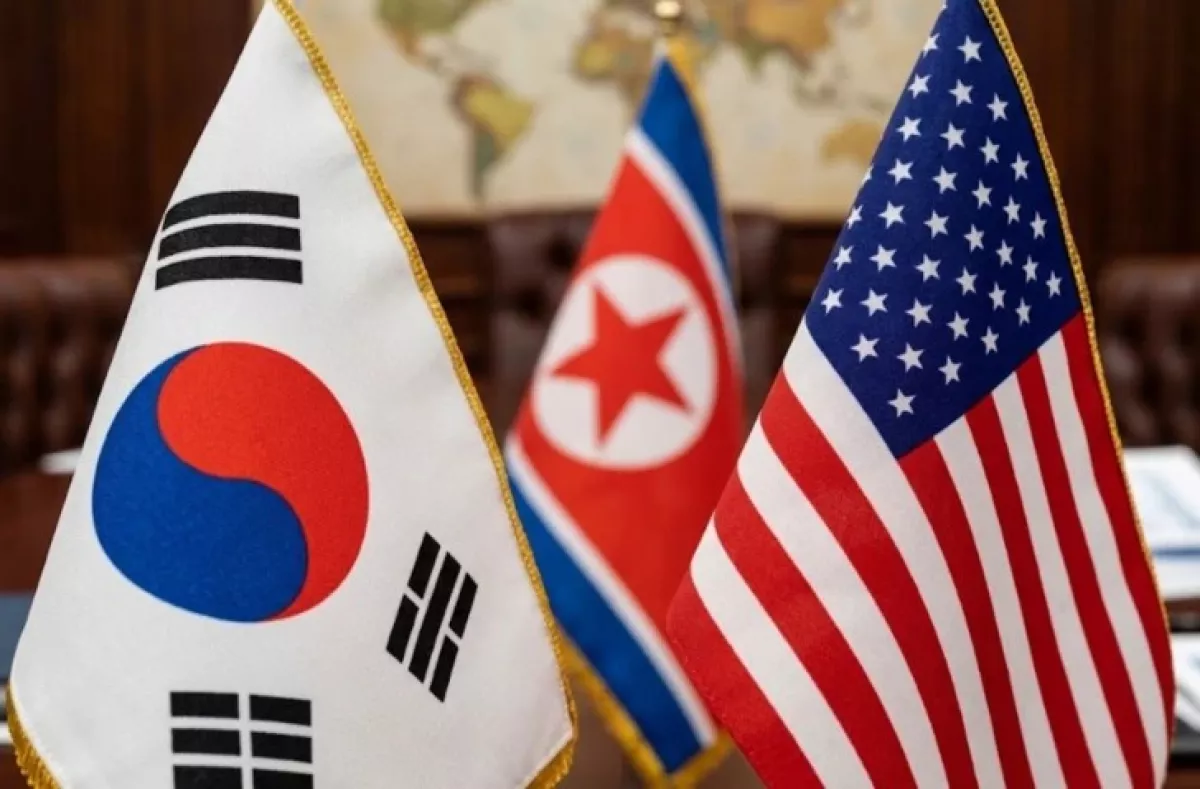
For Trump, this policy already has a precedent. In 2018–2019, he sought to scale back major US-South Korean military exercises amid negotiations with Kim Jong Un, while also drawing attention to their cost. The negotiating process ended without an agreement after the Hanoi summit, but the US president clearly appears to believe that the format of personal diplomacy can be revived.
For Washington, it is also important that Pyongyang now has two external pillars of support, albeit of different kinds. North Korea has established a close military and political partnership with Russia, anchored in the 2024 treaty and already given practical military substance. With China, North Korea maintains an alliance based on the 1961 treaty, while the two sides have recently stepped up political and economic contacts. Under these circumstances, Trump’s attempt to revive personal dialogue with the North Korean leader may be aimed not only at easing tensions on the Korean Peninsula, but also at preventing further rapprochement between North Korea, Russia, and China and the emergence of closer military and political cooperation among these countries in East Asia.
For Seoul, the developments are not necessarily negative either. Just two days before Trump’s statement, South Korean President Lee Jae-myung proposed talks with North Korea on a peace treaty to replace the armistice regime that has been in place since 1953. Thus, Washington’s reduction in military activity is consistent with Seoul’s own efforts to pursue political dialogue with Pyongyang.
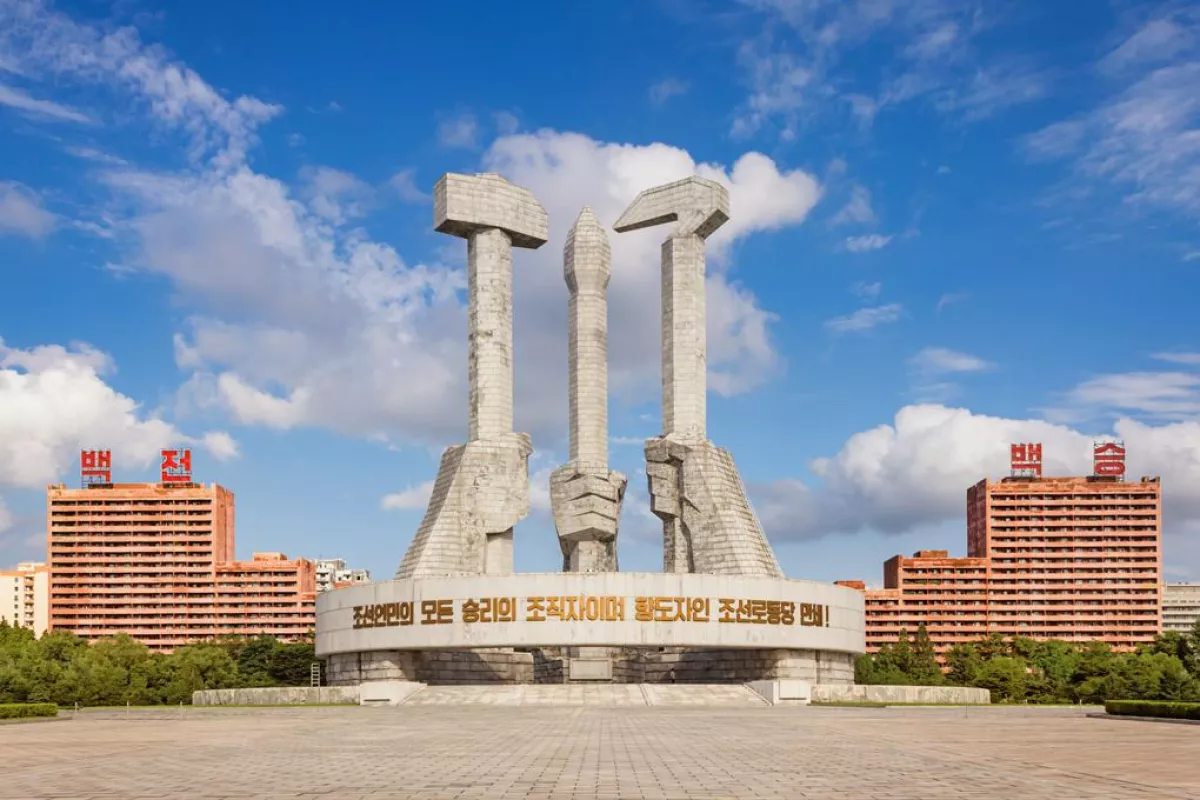
At the same time, the United States and South Korea are pursuing dialogue with North Korea through different approaches. Lee Jae-myung is proposing negotiations without changing the foundations of military cooperation with the United States, while Trump is seeking to reduce military tensions in the hope that scaling back the exercises will help revive direct dialogue with Kim.
It remains unclear whether this calculation will produce tangible results. Pyongyang may use the shift in the US position to advance its own agenda, but it may also choose not to respond to Washington’s signal. In that case, the reduction in the exercises will remain primarily a unilateral gesture. Therefore, the main significance of Trump’s decision lies not in the changes to the UFS program itself, but in the fact that Washington is once again seeking to link military policy on the Korean Peninsula with diplomacy.
At the same time, Trump is reminding his ally of the need to play a greater role in US initiatives, from defense spending to issues beyond the region. Thus, the US-South Korean alliance remains intact, but its substance is increasingly shaped not only by a shared deterrence strategy, but also by the White House’s current political priorities.







 editor@caliber.az
 +994 55 444-88-98
 Азербайджан, Баку, ул. Низами, 203, Af Business House, 5-й этаж