










No longer just war of words: How Gaza conflict broke UK-Israel alliance TEYMUR ATAYEV’S POLITICAL PERSPECTIVE
Relations between Israel and Britain are entering a more openly confrontational phase, with a war of words increasingly spilling into political pressure. What began as a sharp rhetorical exchange between Israeli Prime Minister Benjamin Netanyahu and the British government has now reached the level of diplomatic discussions, exposing the widening gap between Jerusalem and London over the Gaza war and Britain’s broader Middle East policy. The latest dispute was triggered by Netanyahu’s description of Britain as the “British Islamic Republic” — a remark that London has deemed “completely unacceptable” and subsequently raised with the Israeli government.
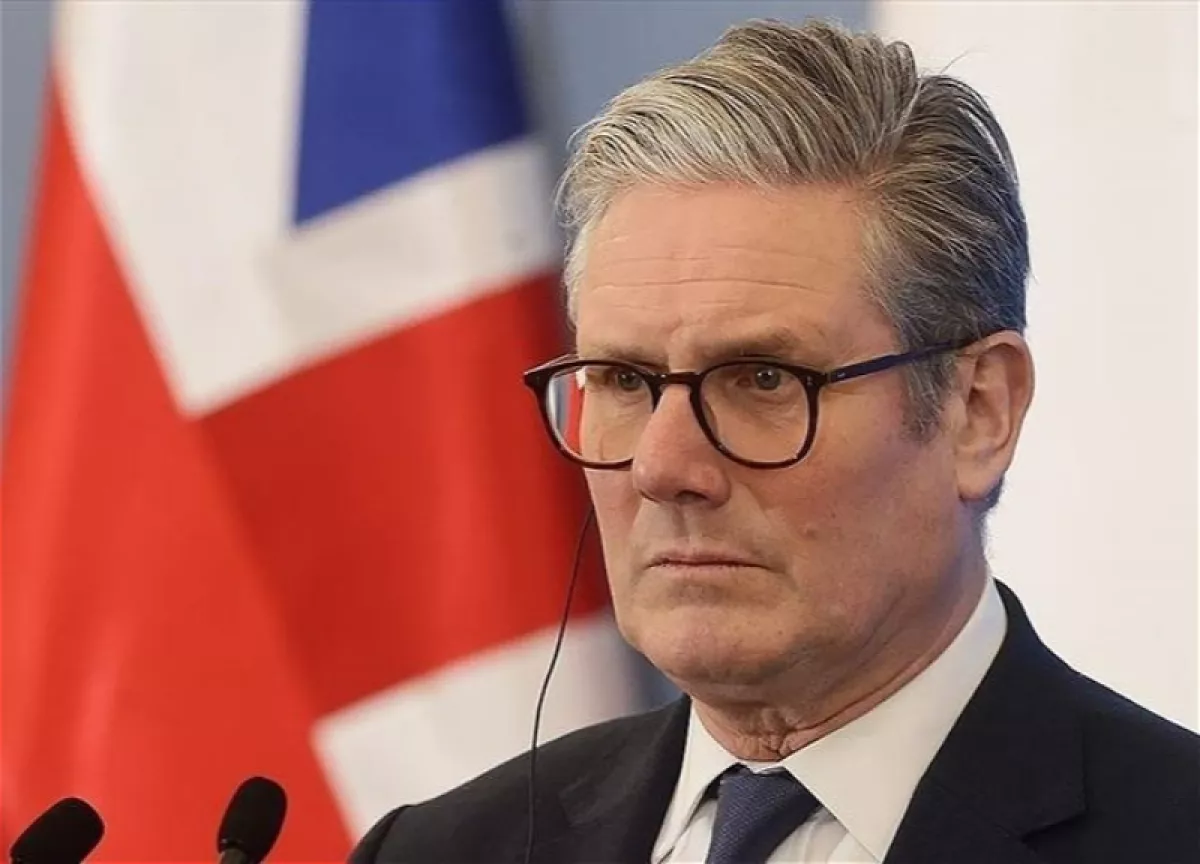
Netanyahu made the comment several days ago while recalling Randolph Churchill, the son of former British Prime Minister Winston Churchill, whom he said had covered the Six-Day War “in a very positive way from Israel’s point of view.” Netanyahu then challenged his audience to “try and find that now, in what is called the Islamic republic of Britain.”
London subsequently described the remarks as “completely unacceptable” and raised the issue in talks with the Israeli government.
The dispute comes against the backdrop of a broader British policy toward the war in Gaza and the wider conflict that has remained broadly unchanged under the Labour government.
Two weeks after the October 7, 2023, Hamas attack, then Labour Party leader Keir Starmer, who had not yet become prime minister, said the assault in Israel had been “the darkest day in Jewish history since the Holocaust” and argued that for Hamas, “the dignity of human life — Jewish or Muslim — means absolutely nothing.”
At the same time, while “supporting Israel and its right to defend itself against Hamas,” Starmer called for the establishment of clear humanitarian corridors into Gaza, arguing that “civilians should not become targets, nor should Palestinians forced to flee be permanently displaced from their homes.”
He also stressed the need for humanitarian assistance to Palestinians and said Britain was “considering a political pathway to resolving the issue based on two states.”
By July 2025, with Starmer already serving as prime minister, Britain’s position had become more critical of Israel’s conduct in Gaza. Referring to the continuation of what he called “horrifying scenes in Gaza,” Starmer condemned “the growing violence from extremist settler groups and Israel’s disproportionate military escalation in Gaza” as unacceptable, while reaffirming his commitment to recognising a Palestinian state.
A month later, in August 2025, Starmer described Israel’s decision to seek control of Gaza as misguided and urged the Israeli government to reconsider its plans. “These actions will do nothing to bring the conflict to an end,” he said, pointing to the worsening humanitarian crisis in the Strip.
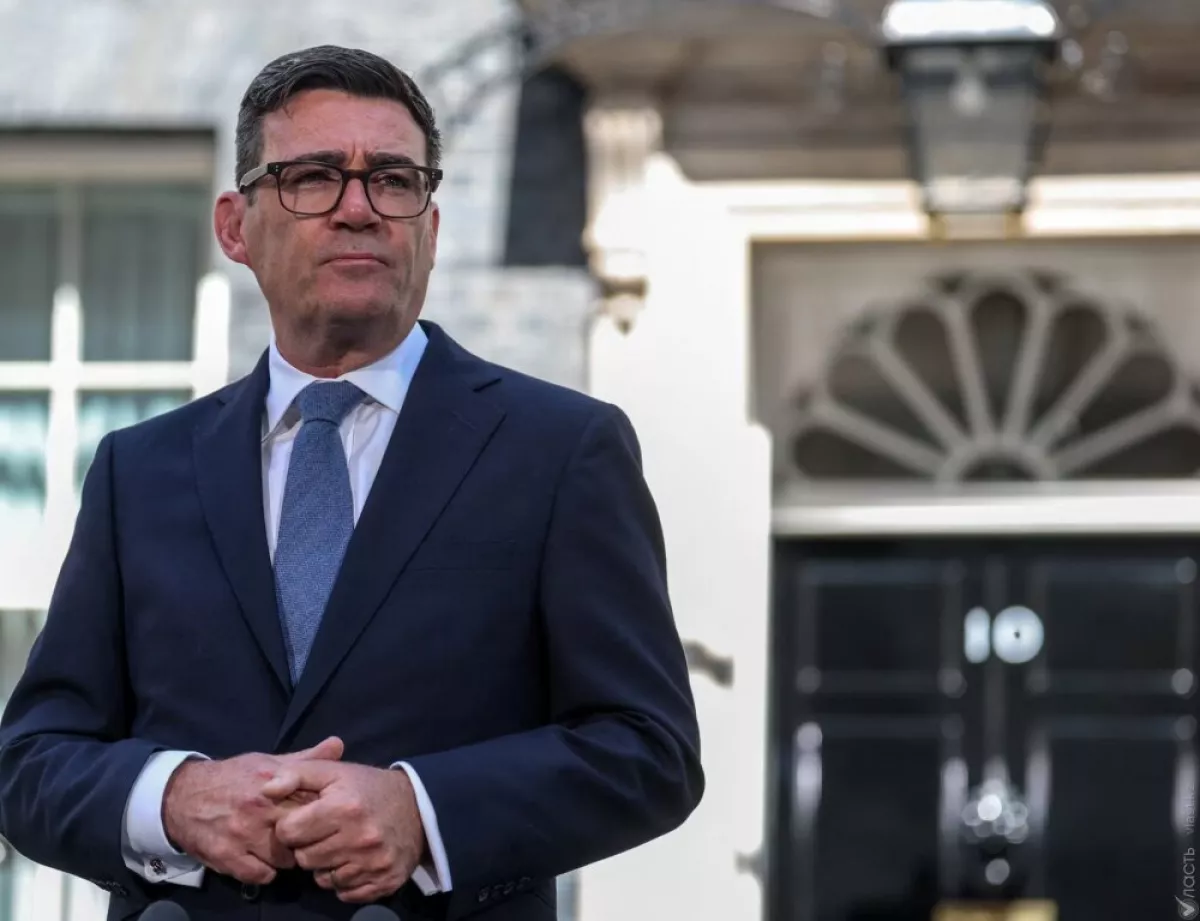
Less than a year later, the Labour Party’s new leader, Andy Burnham, argued that Britain — which had been too slow to call for a ceasefire in the region — “must do more to strengthen our approach.” Apologising for the Labour Party’s initial response to the issue, he said: “The party didn’t get it right.” Burnham called for “additional sanctions against those involved in violence in Gaza, as well as measures to ban trade in goods from illegal settlements.”
Israeli sources, in turn, warned that Burnham’s “more hardline position toward Israel than his predecessor” could further cool bilateral relations if he became prime minister, potentially leading to greater “British pressure on Israel through diplomatic and economic channels.”
Against that backdrop, a statement issued by the British Embassy in Israel on August 13 was hardly surprising. In a post on X, the embassy condemned the “escalation of violence in the West Bank” and said, “meaningful action must be taken to prevent it and stop illegal settlements”. It also warned that such escalation undermined the prospect of achieving a “two-state solution” and threatened the prospects for peace in Gaza.
Several media reports have suggested that Britain could take further steps along those lines in September, once parliament returns from its summer recess.
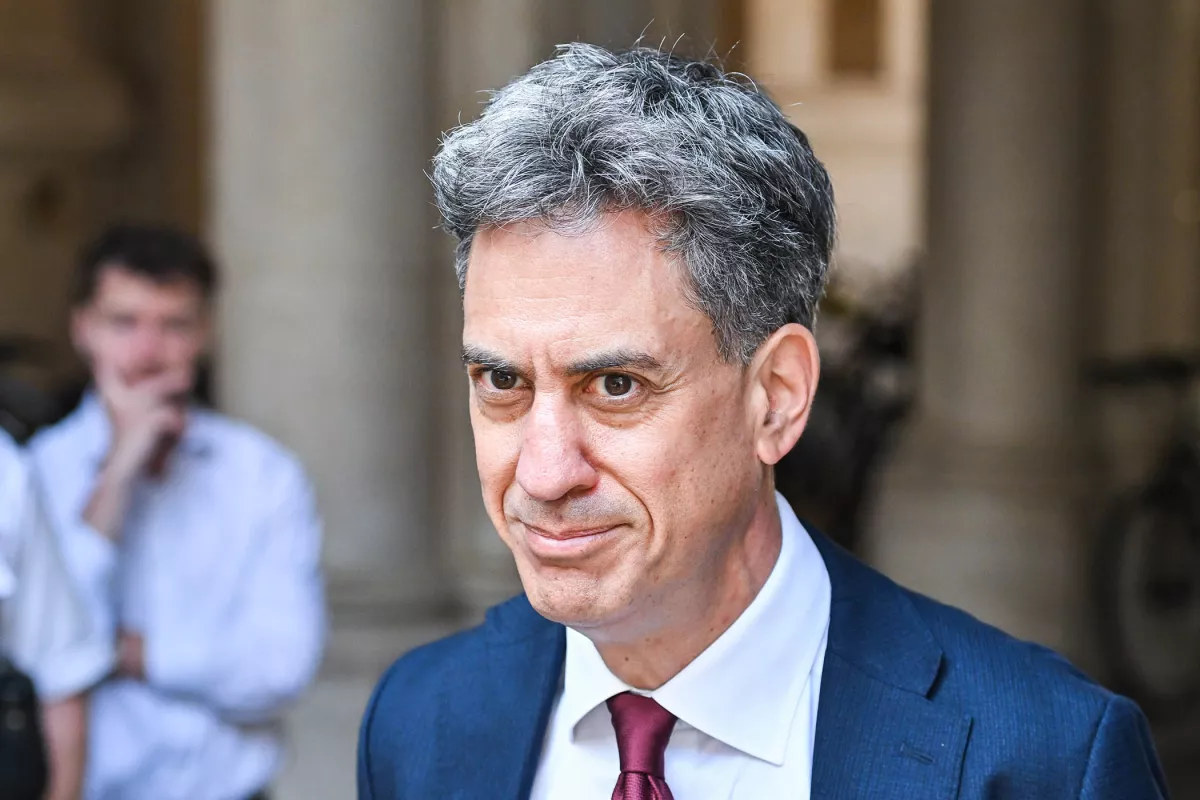
Foreign Secretary Ed Miliband has meanwhile been pressing for tougher action. One indication came last week, when Britain’s Charity Commission opened a formal investigation into allegations that funds from British charities had been transferred to support Israeli settlements. The alleged transfers are said to amount to about £28 million.
There have also been reports that London is examining the question of arms exports to Israel, including British-made components supplied as part of the global F-35 programme, under which Israel operates the US-made fighter aircraft.
The latest Israel-Britain spat, therefore, is rooted in a much broader political dispute and is unlikely to end with an exchange of barbs. But the direction of travel is far from predetermined. As London hardens its rhetoric on Israeli settlement expansion, the British government is also coming under pressure from various quarters to scale back that criticism — a countervailing force that could ultimately shape how far its policy toward Israel actually moves.







 editor@caliber.az
 +994 55 444-88-98
 Азербайджан, Баку, ул. Низами, 203, Af Business House, 5-й этаж