










US withdrawal from Iraq: The end of an era or a new battle for influence? Article by Matanat Nasibova
The United States plans to complete the withdrawal of its troops from Iraq in accordance with agreements reached with Baghdad on winding down the international coalition’s mission, with a final date already set for September 30. This will bring to an end more than two decades of US military presence in the country, which evolved from a large-scale military operation to the fight against ISIS and the training of Iraqi security forces.
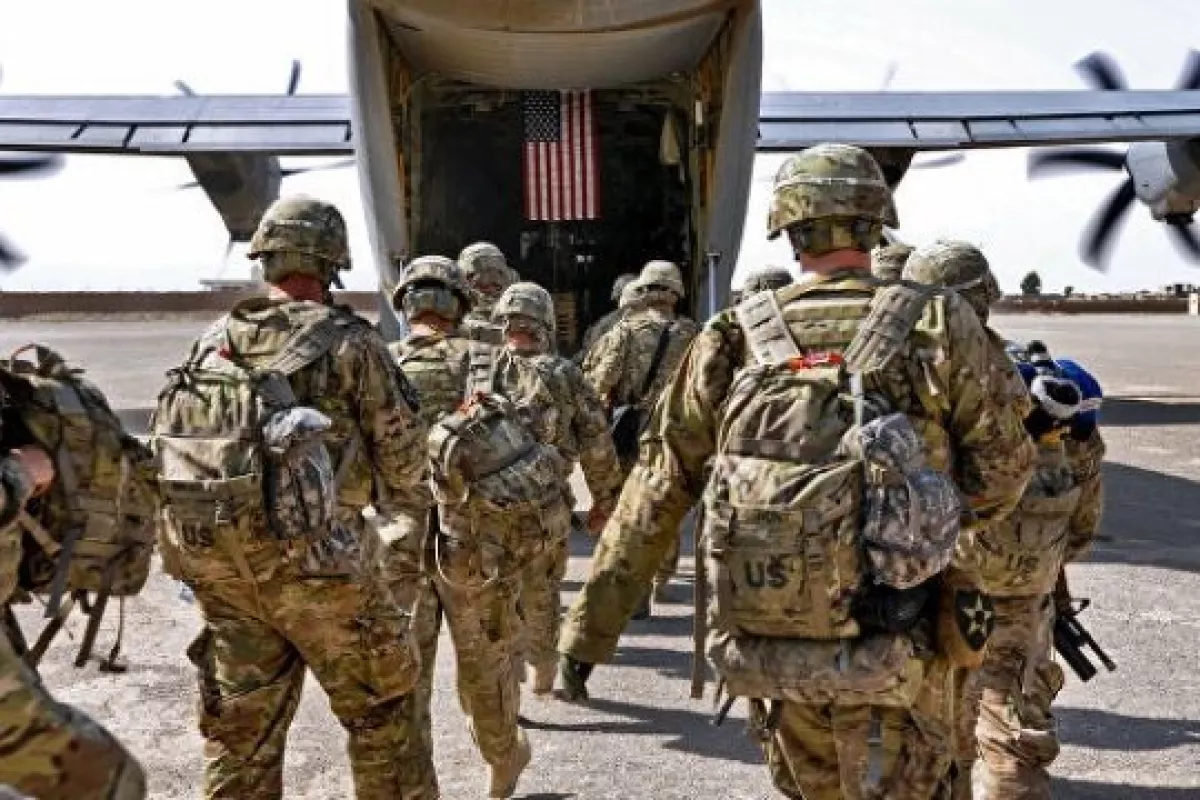
However, the current US withdrawal is unlikely to be viewed simply as the formal conclusion of the mission against ISIS. It reflects a broader restructuring of Washington’s strategy in the Middle East: the United States is gradually moving away from maintaining a permanent presence in countries where American troops face regular attacks and is seeking to shift the focus from direct military deployments to more flexible forms of deterrence.
For Iraq itself, the consequences of the decision could be far more significant than they initially appear. The US withdrawal reduces American influence while simultaneously leaving Baghdad to deal with a wide range of challenges on its own.
Washington changes the rules
In 2003, American troops entered Iraq as part of a policy adopted by Washington following the September 11, 2001, terrorist attacks, which targeted prominent US sites and killed 2,977 people. US forces subsequently left Iraqi territory in December 2011, but returned to the country in 2014 as part of an international coalition fighting ISIS. In effect, the US military mission had come full circle. Now, that era is also drawing to a close.
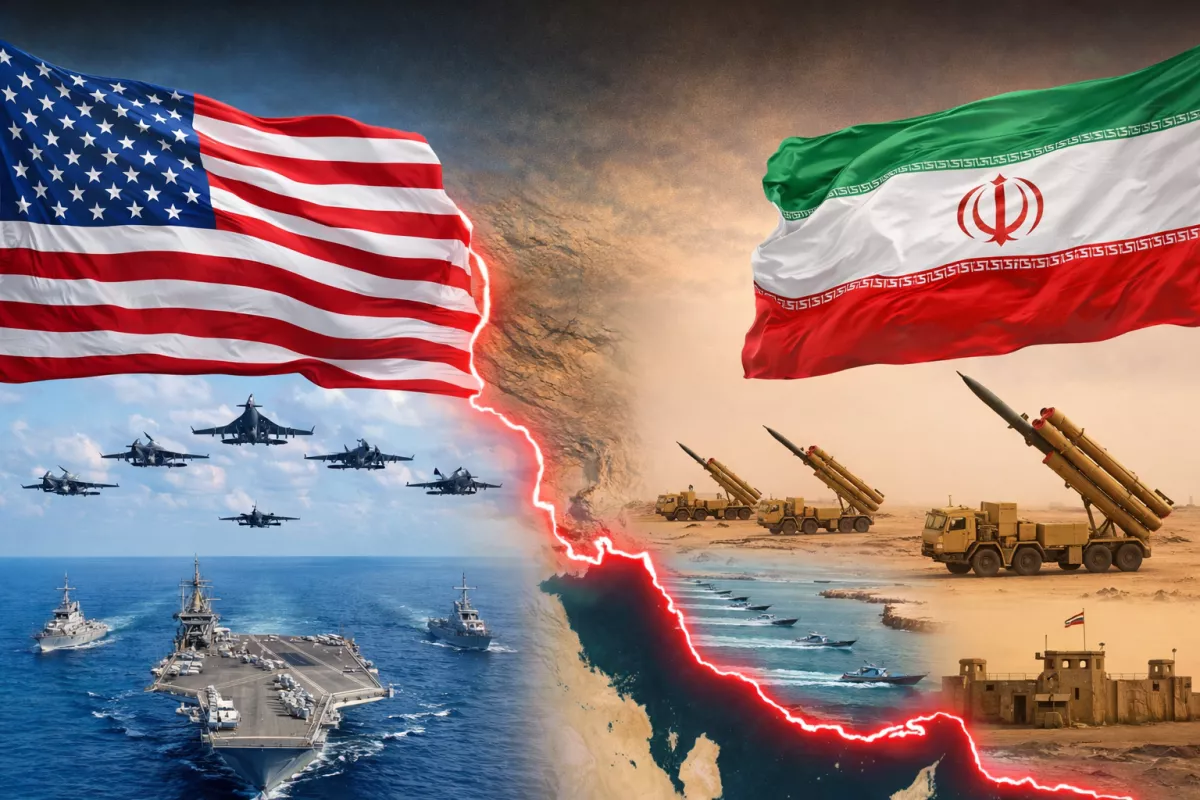
One of the key factors behind the decision is the changing security environment around Iran. As tensions between Washington and Tehran have sharply intensified, Iran-aligned armed groups in Iraq have increased attacks on US military positions, particularly around Baghdad and in the Kurdistan Region.
For Washington, keeping small US contingents in Iraq carries a significant risk: American troops remain vulnerable to attacks by groups linked to Iran. Any US retaliation could then trigger a wider escalation and potentially draw the United States into another major conflict in the region.
The withdrawal, therefore, is better understood not as a retreat from US interests in the Middle East, but as a shift in how Washington seeks to protect those interests. Instead of relying on a permanent military presence, the United States appears to be moving toward a more flexible approach to regional deterrence.
The United States is reducing its presence in areas where its forces have become vulnerable, while gaining the ability to project military power from safer distances. At the same time, Washington is freeing up resources for other strategic priorities, above all its long-term rivalry with China.
In other words, the United States is leaving Iraq, but that does not mean it is leaving the Middle East.
A test for Baghdad
For Iraq itself, the situation is far more complicated. In recent years, Baghdad has sought to strengthen state control over the country’s numerous armed groups. While some pro-Iranian factions are formally part of the Popular Mobilisation Forces, many continue to pursue their own political and military interests and maintain close ties with Tehran.
The US withdrawal raises a fundamental question: will the Iraqi government be able to control armed groups that are formally part of the country’s security structure but maintain their own political agendas and ties to foreign powers?
Baghdad will also face several other challenges. It will need to prevent a resurgence of ISIS, protect its airspace and ensure that Iraqi territory does not once again become a battleground for rival regional powers.
At the same time, Iraq must continue to balance its relationships with several competing centres of power. For Baghdad, the departure of US forces will therefore be more than a change in its security arrangements — it will be a test of how effectively the Iraqi state can exercise its sovereignty.
At the same time, Iran is an obvious beneficiary of the new situation. A reduction in US military infrastructure near its borders would ease pressure on Tehran and give Iran-aligned groups in Iraq more room to operate. However, Iran is not the only regional player that could benefit from the shift.
The US withdrawal is particularly significant for Türkiye. Ankara views northern Iraq as a key area in its fight against the Kurdistan Workers’ Party (PKK) and its infrastructure. A reduced US presence could give Türkiye greater freedom to conduct operations in the area on its own.
Russia could also see an opportunity to strengthen its position. The departure of US forces would give Moscow additional room to expand its ties with Baghdad and other countries across the region.
After the US withdrawal
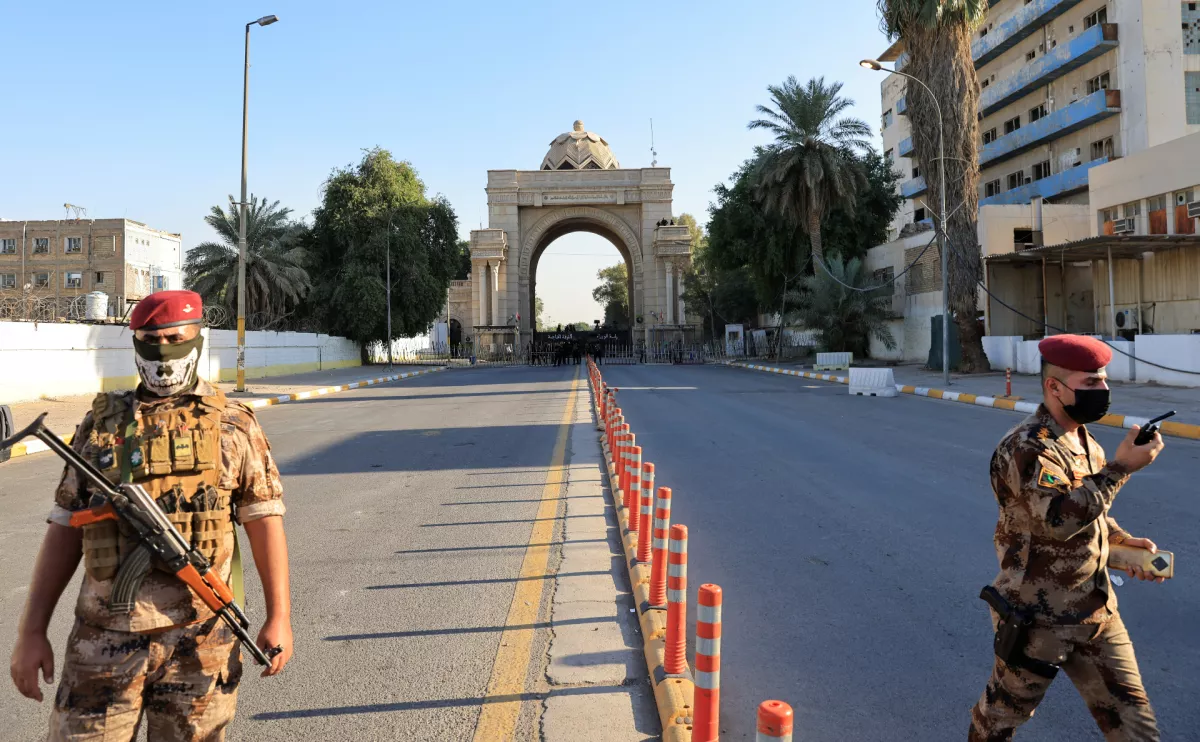
September 30 could mark more than the end of another US military mission. It could signal a broader shift in the balance of power across the region.
For Washington, the withdrawal represents a move away from maintaining a permanent military presence toward a more flexible approach to regional deterrence. For Iran, it means less direct US military pressure along its borders. Türkiye could gain greater freedom to pursue its security interests in northern Iraq, while Russia could find new opportunities to strengthen its ties with Baghdad and expand its regional influence.
Meanwhile, Baghdad is entering a period of uncertainty. After more than two decades of American military involvement, Iraqi authorities will have to demonstrate that they can maintain control over their territory and armed groups without allowing the country to become a battleground for rival regional powers.
Ultimately, the key question is not who will replace the United States, but whether Iraq itself will be able to fill the space left by the departing US forces and assert greater control over its own affairs.







 editor@caliber.az
 +994 55 444-88-98
 Азербайджан, Баку, ул. Низами, 203, Af Business House, 5-й этаж