










Humanitarianism and the art of looking away Emin Galali reflects on collapse of international red lines
There are far too many holidays these days. Every day seems to bring something to celebrate. Some, of course, are special — our Victory Day or New Year’s Day, for example. Others are more narrowly focused and observed mainly by a limited circle of people. August 19 is World Humanitarian Day, dedicated to humanitarian values and to those who put them into practice — often at considerable risk and sometimes at the cost of their own lives.
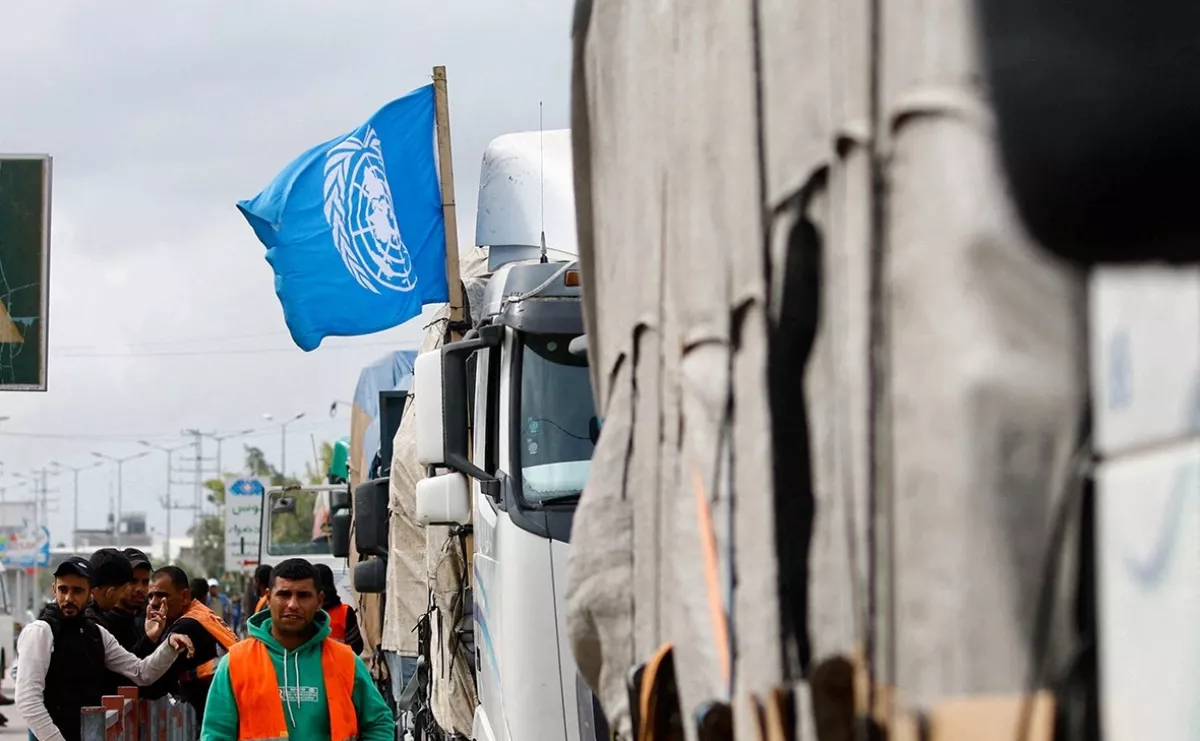
I will not cite statistics on humanitarian workers killed in the line of duty. Nor will I appeal to the provisions of international humanitarian law. It is supposed to protect people during wars and armed conflicts and establish red lines for the conduct of hostilities.
Those lines first became dotted and then disappeared altogether.
Some openly and shamelessly ignore them, threatening attacks on civilian infrastructure. Others loudly proclaim their profound respect for humanitarian values while trampling them in the most brazen manner. Shamelessness and honesty can apparently coexist, paradoxical as that may sound.
A fresh example is Israel’s acknowledgement of responsibility for the deaths of humanitarian workers. The Israel Defence Forces — which, if one is to believe the country’s officials, are the most humane army in the world — did not merely shoot at a humanitarian convoy. They also buried what remained of it in hastily dug pits along the road using military bulldozers.
I stress this point: Israel did acknowledge what happened, albeit under pressure. A phone recovered from one of the victims recorded the final minutes of the tragedy, making the magical formula “we know nothing, we have no idea” impossible to sustain.
Israel admitted it. But it is unlikely that anyone will face real punishment. Investigations of this kind are rare, and the prospect of anyone actually going to prison is even more remote.
I have nothing but respect for the Jewish state. I also have plenty of Jewish friends scattered across the world, and most of them reserve some decidedly unprintable language for their own politicians. And by “unprintable,” I mean considerably more than the ordinary four-letter variety.
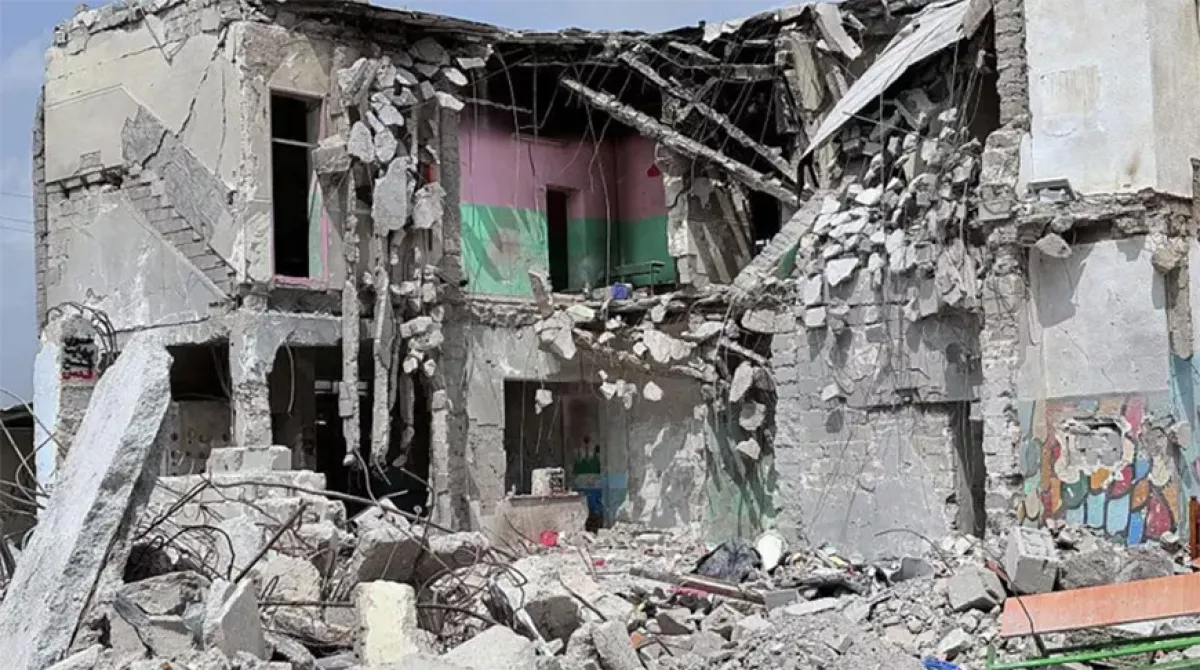
Yes, Hamas brought the wrath of its neighbors down on the Palestinian people with the horrific atrocities of October 2023. But collective punishment is increasingly taking on the character of wholesale destruction, seemingly carried out to appease the most radical and fanatical elements of Israeli society. That poses a threat not only to the very foundations of the state, but also to what once seemed like the unshakable standing of Jews around the world.
Even America — for decades Israel’s almost reflexively loyal ally — is increasingly finding it difficult simply to look away. More and more often, the question coming from Washington seems to be: “Guys, have you completely lost the plot?”
And since we are talking about America, our American friends have preferred not to dwell on what happened in Minab. The details are grim. Children were killed. Yet there appears to be little prospect of any investigation into what happened — or, more accurately, into what can only be called a catastrophe.
I know the response that will inevitably come: “What, you don't know what Hamas (or the Iranians) have done here and there, then and now — and on all those other occasions?”
Of course I know. I know very well. The list is a long one.
But this is about humanism, not retaliation. The crimes of one side do not give the other side a free pass.
And should someone, displaying a rather shaky grasp of the subject, lean in and ask whether I happen to support Hamas or sympathise with Iran, my answer is: yes. I do. But not Hamas and not Iran — that thoroughly unsavoury pair!!! What I support are the principles and laws that the civilised world is not supposed to abandon simply because observing them has become inconvenient.
Sadly, the civilised world first put those principles on trial and then discarded them altogether.
Our country enjoys excellent relations with both the United States and Israel, and I sincerely hope they remain excellent. But does a friendly relationship require us to pretend that the obvious is not happening?
Had these laws been applied consistently, regardless of who killed whom, instead of being bent to suit whatever the political circumstances demanded, some of the darkest chapters of recent history might never have been written.
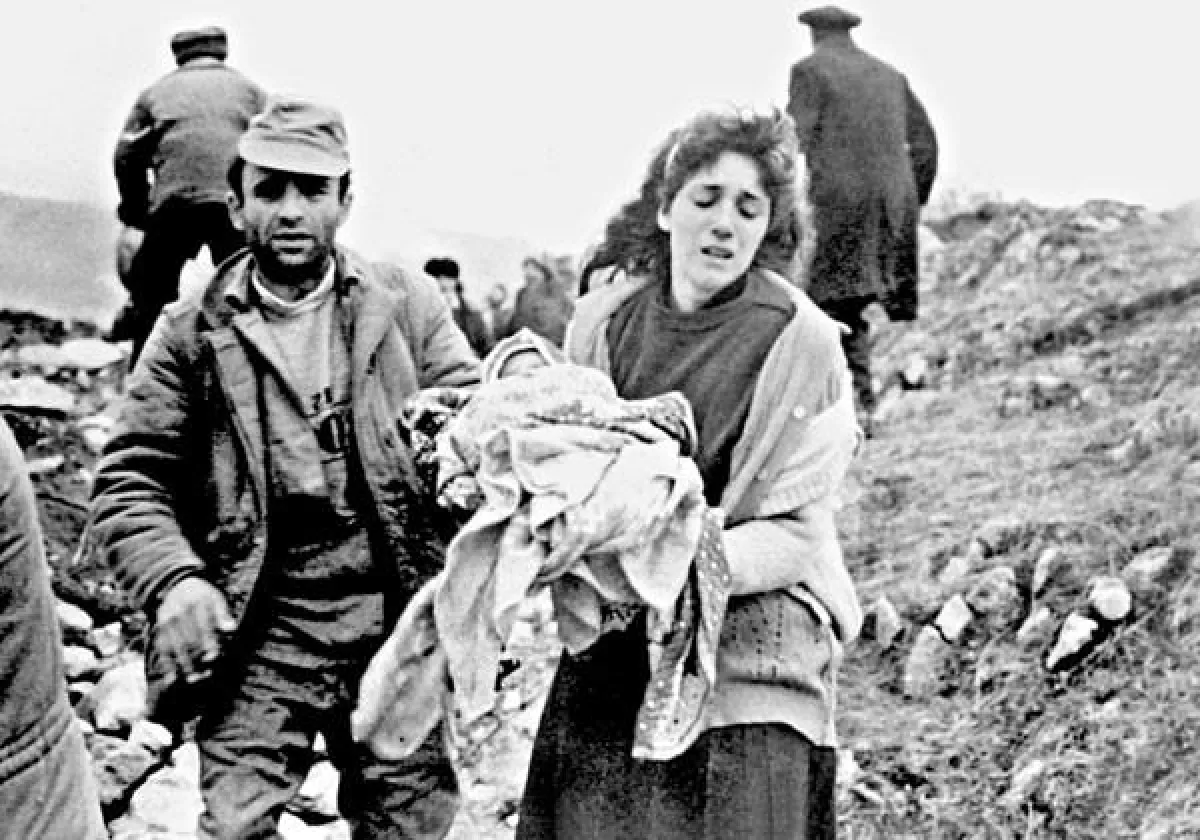
Khojaly, for one. And yes, I know what you are thinking: we all tend to talk most about the wounds that are ours. Khojaly is one of those wounds, and it never stops hurting.
Then there is Srebrenica. Rwanda. Beslan.
And today, civilians are still being killed in Ukraine, while innocent people in Russia are dying as a result as well. The list of horrors goes on. A great many of them might have been prevented altogether if international law had been more than words on paper.
Because a law is only as good as the machinery behind it. Telling people to behave responsibly and appealing to their conscience accomplishes very little when there is no real prospect of punishment.
The institutions created to uphold those rules now need defending themselves. Twenty years ago, the death of a UN worker in the line of duty would have triggered a serious, painstaking investigation, with every available resource brought into finding those responsible. Today, too often, the response is reduced to the familiar ritual: condolences, statements of concern and calls for restraint — and little else.
Those words carry remarkably little weight with anyone whose interests run directly counter to humanitarian work: getting food to people who need it, evacuating the wounded, or opening humanitarian corridors to allow civilians out of a war zone.
There was a time when people were less shameless about turning humanitarian needs into political theatre.
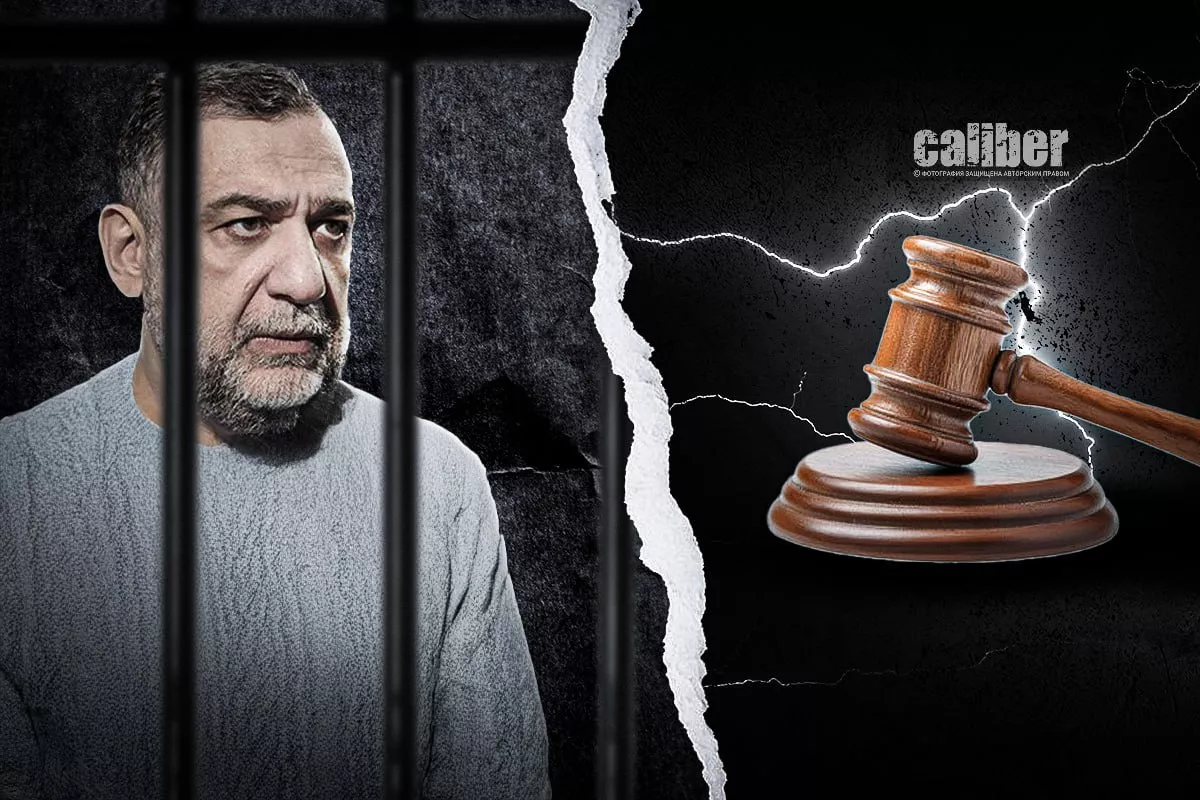
Remember the anguished cries from the “Stepanakert crowd,” led by the exceedingly well-fed Ruben, about a supposed “humanitarian catastrophe” and people supposedly “starving to death” in Khankendi? The message was essentially: “We’re wasting away here from hunger — save us!” Ruben certainly looked as though he had been swelling up, but not from too little food. Quite the opposite. Fortunately, our diet did more for his waistline than any visit to Chenot Palace ever could.
And then Baku tried to send food.
“Oh, no, thank you. We don’t want it!”
Imagine delivering desperately needed food and medicine to Mogadishu, Darfur or any other conflict zone where civilians are facing acute shortages, only for the people on the brink of starvation to reject the aid because they dislike the labels on the boxes — and send the trucks away without unloading them.
Ridiculous? Not if you remember the diehards in Khankendi who seemed to revel in their own stories about “besieged Leningrad.”
That episode belongs to the past. The same games, however, are still being played elsewhere around the world.
And, let’s be honest, the humanitarian community itself has not exactly covered itself in glory. Food intended for people in desperate need sometimes ends up on the market. Cholera outbreaks reach populations that humanitarian workers are supposed to protect. Local residents are sometimes mistreated by those who have come to help them. Even mobile phones can somehow become part of the trade.
It is, in other words, a celebration with tears in its eyes — tears shed both by those who are supposed to provide help and by those who desperately need it.
And perhaps that is the bitterest irony of all. Humanitarian values today have not merely been threshed. They have been threshed, beaten and ground down until almost nothing remains but dust.







 editor@caliber.az
 +994 55 444-88-98
 Азербайджан, Баку, ул. Низами, 203, Af Business House, 5-й этаж