










From Porsches to crypto wallets How Ukraine became a hub for scam call centers
Today, there are issues in Ukraine that are being discussed almost as much as the prospects for ending the war and the country’s preparations for another winter. One of them is the activity of numerous fraudulent call centers, which over the past few years have evolved from a localized criminal problem into a full-fledged shadow industry.
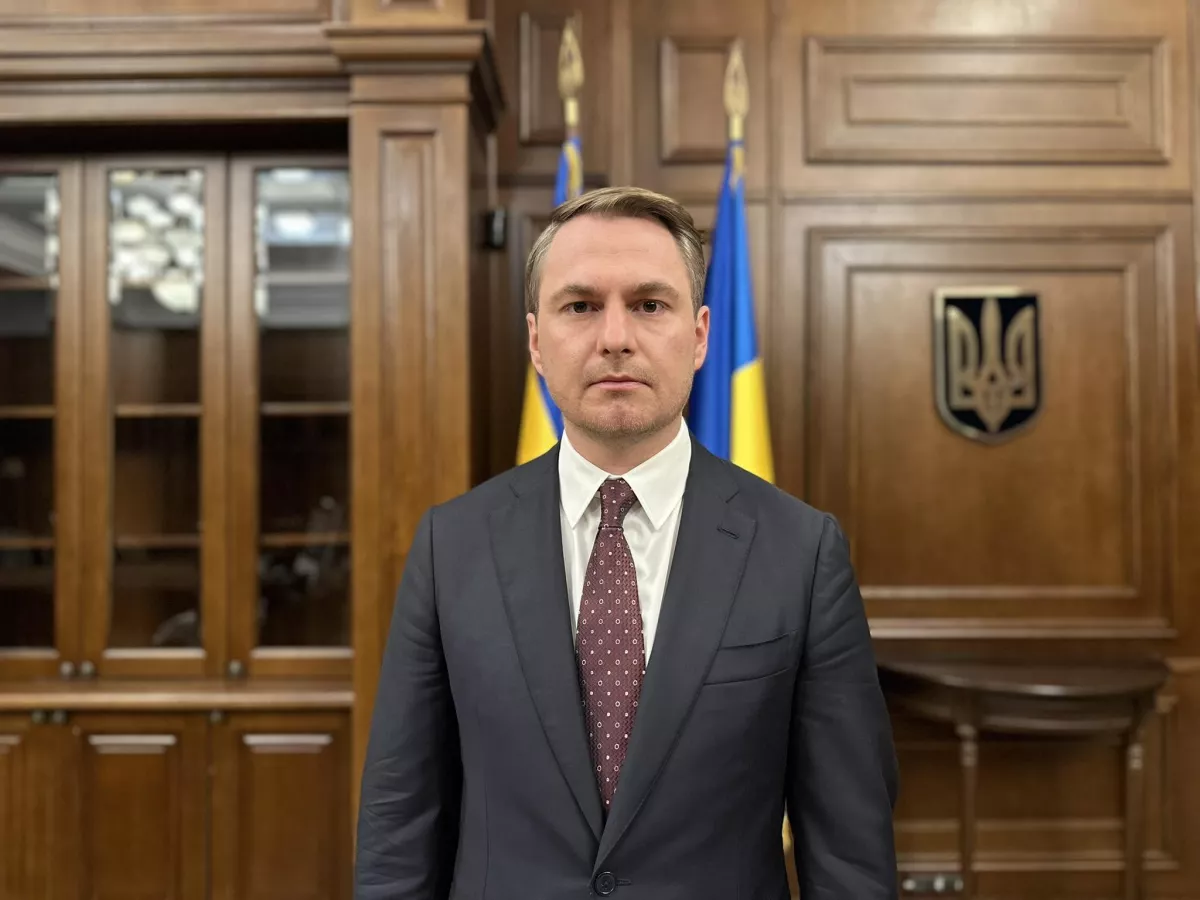
In this regard, it is worth noting that on August 12, Ukrainian Prosecutor General Ruslan Kravchenko reported the results of a large-scale joint operation by the Security Service of Ukraine and the National Police. Law enforcement agencies dismantled the operations of 94 fraudulent call centers, conducted 411 searches, and shut down 1,794 operator workstations. They also seized thousands of pieces of computer equipment, phones, SIM cards, bank cards, and premium vehicles, including Porsche Cayenne, Cadillac Escalade, Bentley Bentayga, Dodge Charger, Lexus, BMW, and Mercedes-Benz models, as well as large amounts of cash, around one kilogram of bank gold, and jewelry. According to investigators, the preliminary damage has been estimated at more than UAH 100 million ($2.2 million), while 26 individuals have already been formally charged.
At first glance, this is nothing but good news: the state is finally delivering a serious blow to networks that have been defrauding citizens of Ukraine and other countries for years, and the actions of the Security Service of Ukraine, police, prosecutors, and anti-corruption agencies in this case clearly deserve support. However, a closer look shows that the issue is far more complicated, since fraudulent call centers did not emerge in Ukraine yesterday, while the full-scale Russian-Ukrainian war has served as a kind of accelerator for this business.
The geography, methods of operation, communication channels, and financial instruments have all changed. Some groups relocated from the eastern regions to other parts of the country, and scam offices began operating in Kyiv, Dnipro, Odesa, as well as the Vinnytsia and Zhytomyr regions. A study by the Global Initiative Against Transnational Organized Crime, in particular, provides an indication of the scale of this troubling phenomenon: Ukraine’s fraudulent call-center industry may employ around 60,000 people, with its combined turnover potentially reaching $1 billion per month.

As we can see, this is no longer simply a matter of a few scammers armed with phones and laptops, but an organized market involving staff recruitment, training, call scripts, division of responsibilities, monitoring systems, software, and money-laundering mechanisms. A single operator can make hundreds of calls a day, and if a potential victim shows interest, the call is handed over to a more experienced employee whose task is to persuade the other party to transfer money, install remote-access software, or disclose banking information.
Law enforcement agencies report that the organizers of some schemes specifically recruited people with foreign-language skills, trained them using pre-prepared scripts, and even used polygraph tests. Fake documents were employed to make the schemes more convincing, while operators could pose as bank employees, lawyers, or representatives of government agencies. Some schemes also made use of deepfake technology.
Naturally, an industry capable of operating for years in major cities, renting premises, employing thousands of people, managing tens of thousands of SIM cards, and using bank accounts, cryptocurrency, and expensive real estate is unlikely to exist solely thanks to the ingenuity of those involved. In this regard, the case of Ukrainian MP Mykola Tyshchenko is particularly revealing. On June 29, the National Anti-Corruption Bureau of Ukraine and the Specialized Anti-Corruption Prosecutor’s Office formally notified him of suspicion of demanding an improper benefit, money laundering, and entering false information in his declaration.
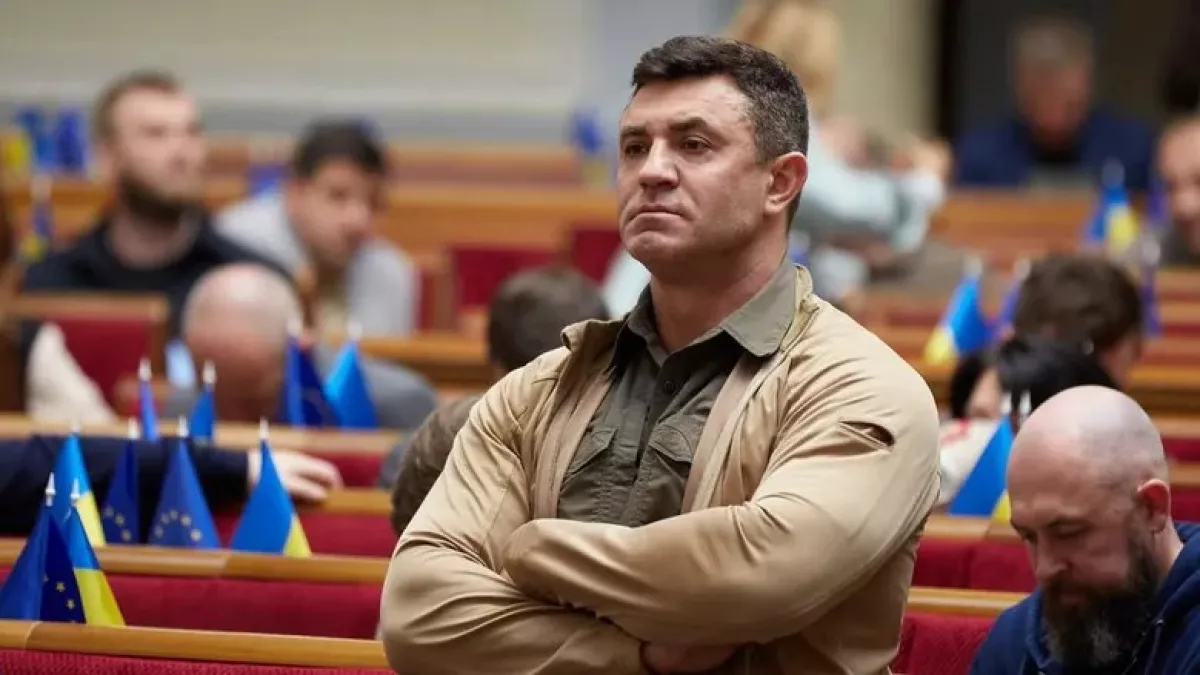
According to investigators, in August 2023, Tyshchenko demanded more than $1 million from a person he believed to be one of the organizers of a network of call centers. In return, the lawmaker allegedly promised not to interfere with their activities and to help eliminate competitors. Thus, if even a member of parliament becomes implicated in a case involving alleged “problem-solving” for call centers, it becomes considerably harder to explain the existence of this industry solely in terms of the greed of individual operators. After all, large sums of money are almost always backed by significant interests.
At the same time, scammers do not necessarily target Ukrainians alone. According to an international study, residents of various countries have fallen victim to Ukrainian scam centers. However, researchers estimate that Russians account for only around 10–15% of those defrauded, and this is a crucial detail, as it makes clear that this is by no means an “act of retaliation” in the context of the full-scale Russian-Ukrainian confrontation.
A significant share of the victims are Ukrainians and Europeans themselves, which is why, according to a theory circulating among experts, the high-profile shutdown of 94 fraudulent call centers came after the EU urged Kyiv to tackle a problem that had spilled over into European countries. Otherwise, Ukraine risks acquiring a highly damaging reputation as a country hosting a hub for European fraud operations. For a state seeking European integration and relying on the trust of its European partners, this represents a very serious risk.







 editor@caliber.az
 +994 55 444-88-98
 Азербайджан, Баку, ул. Низами, 203, Af Business House, 5-й этаж