










Beyond windfall: Azerbaijan’s non-oil strategy offers model in geopolitical chaos Economic assessment by Khazar Akhundov
Amid a turbulent global landscape marked by escalating tariff wars, mounting trade barriers, and a Middle East conflict that has triggered an energy crisis, many nations are grappling with slowing GDP growth and mounting fiscal pressures. At the turn of 2026, these external headwinds began to cast a shadow over Azerbaijan as well. Yet, as a key beneficiary of soaring oil and natural gas prices, the nation swiftly turned the tide, injecting fresh momentum into its economic performance. Data released on Monday, August 10, by the Ministry of Finance reveals that state budget revenues for the first seven months of 2026 did not merely meet expectations — they surpassed them, fueled by a steady surge in tax collections from the non-oil economy.
The geoeconomic showdown — driven by fierce tariff battles among world powers — has fractured the core of global economic connectivity across 2025 and 2026. This compounding pressure has suppressed global trade and investment, fractured supply chains, curtailed access to critical natural resources, and dragged down industrial output worldwide.
In several cases, leading advanced economies imposed strict export bans on key commodities and resources, tore up existing commercial contracts, tightened capital controls, and applied direct pressure on the energy sectors of developing nations.
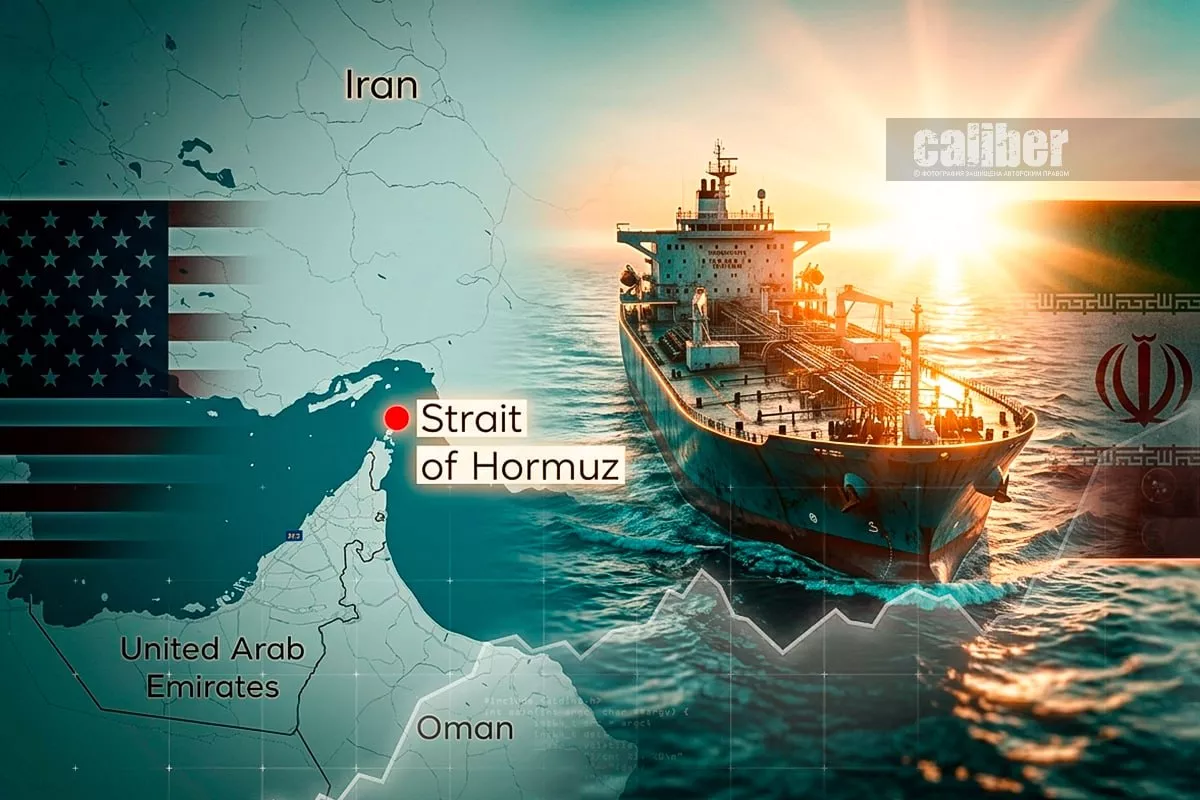
By late February, this simmering friction erupted into full-scale conflict across the Middle East. With intermittent fighting and, most critically, a blockade of the pivotal Strait of Hormuz, global oil and gas prices spiked dramatically—igniting a severe fuel crisis across Europe and parts of Asia.
Against this volatile backdrop, the International Monetary Fund (IMF) revised its outlook in April, trimming its 2026 global economic growth forecast by 0.3 percentage points compared to last year's 3.4%. At the same time, decelerating growth across advanced economies is hitting fiscal bottom lines directly—draining public treasuries and causing state budget deficits to balloon.
According to European Commission projections, the euro area’s aggregate budget deficit is expected to reach 3.3% of GDP in 2026. Many of the bloc's major economies are blowing past this threshold as they grapple with rising subsidy demands, surging defence expenditures, and sluggish economic expansion. The highest fiscal deficits in the eurozone have been recorded in Romania, Poland, Belgium, France, and Italy. Meanwhile, a report from Germany's Federal Ministry of Finance estimates that the aggregate budget deficit for Europe’s leading economy will reach around 4.25% of GDP in 2026.
The dual shock of a global slowdown and an acute fuel crisis is weighing heavily on Asia’s economic powerhouses. Analysts project Japan’s budget deficit-to-GDP ratio to settle around 2.3–2.4% this year, while data from Trading Economics indicates that South Korea’s state budget deficit is set to reach approximately 4% of GDP by year-end.
Fiscal imbalances are equally pronounced across developing nations, particularly in the post-Soviet region. According to figures from Russia's Finance Ministry, the federal budget ran a deficit of 5.7 trillion rubles (approx. $68.6 billion at current exchange rates), or 2.5% of GDP, in the first half of 2026. This represents a steep increase of 2.345 trillion rubles (approx. $28.2 billion) over the same period last year. Mounting budget deficits have similarly been recorded in Ukraine, Kazakhstan, and Georgia.
Against this turbulent backdrop, Azerbaijan’s budget execution presents a far more robust picture. Data from the Ministry of Finance shows state budget revenues topped 23.594 billion manats (approx. $13.88 billion) from January through July, exceeding target forecasts by 3.8%.
The State Tax Service proved to be the primary engine of this fiscal expansion, bringing in 11.474 billion manats (approx. $6.75 billion) and outperforming its target projection by 8.6%.
Strong revenue collection was also recorded by the State Service for Property Issues under the Ministry of Economy, alongside several other government bodies. Reversing last year’s decline, the State Customs Committee met its revenue targets at 99.9% for the first seven months of the year, generating roughly 3.752 billion manats (approx. $2.21 billion) — a 4.5% increase year-over-year.
Consequently, Azerbaijan’s overall consolidated budget ran a surplus of 5.1 billion manats (approx. $3.00 billion) during the reporting period, while the overall state budget surplus stood at 4.45% of GDP.
The surge in global oil and natural gas prices stemming from the Middle East conflict is providing a strong tailwind to Azerbaijan’s external and public finances, positioning the economy for accelerated growth through the remainder of 2026. A steadily widening foreign trade surplus since March has further fortified budget revenues.
Azerbaijan’s 2026 state budget was originally structured around a conservative benchmark oil price of $65 per barrel — well below current spot market rates. These elevated global prices serve as a crucial economic shock absorber, granting policymakers room to execute fiscal policy with greater stability.
Reflecting these favourable conditions, analysts at Fitch Ratings project that Azerbaijan will maintain a current account surplus of 4.5% of GDP this year, alongside a consolidated budget surplus of 2.1% of GDP.

Over the past decade, Azerbaijan has accelerated efforts to reorient its economic system. The extractive industries that traditionally dominated foreign trade are gradually yielding ground to an export-oriented non-oil sector — a structural shift that is directly reshaping state budget revenues.
The clearest mark of progress in the nation's fiscal policy lies in the latest non-oil tax performance: over the first seven months of 2026, tax collections from the non-oil economy reached 8.488 billion manats (approx. $4.99 billion). This represents an 11.8% increase year-over-year and tops targets by 3.1%, underscoring a steady reduction in budget reliance on oil receipts.
In a May interview, Minister of Finance Sahil Babayev highlighted this structural transition:
"While the share of oil in the state budget stood at 48% in 2025, we expect this figure to drop to 42–43% this year (projected at 42.6%). By 2030, we plan for this metric to reach just 30%. This marks a profound shift in our public finances—lowering the dependency from 48% down to 30% in a five-year span, with 70% of the state budget eventually supported by non-oil revenues."
This ongoing diversification, alongside the fiscal sector's declining reliance on oil dynamics, has earned explicit backing in recent reports from the International Monetary Fund (IMF) and other international financial institutions.
Ultimately, Azerbaijan’s transition to a non-oil-driven budget represents a permanent structural evolution. By turning non-oil exports into the main engine of state revenue, the country is laying down a durable financial blueprint designed to thrive well beyond the era of fossil-fuel dominance.







 editor@caliber.az
 +994 55 444-88-98
 Азербайджан, Баку, ул. Низами, 203, Af Business House, 5-й этаж