










Calm before the storm: Is Trump delaying, not abandoning, Iran strikes? Analysis by Shereshevskiy
The number one topic in the Israeli media and among the country’s expert and analytical community today is the news that U.S. President Donald Trump has decided to call off strikes against Iran, provided that an agreement with Tehran is reached “as soon as possible.”
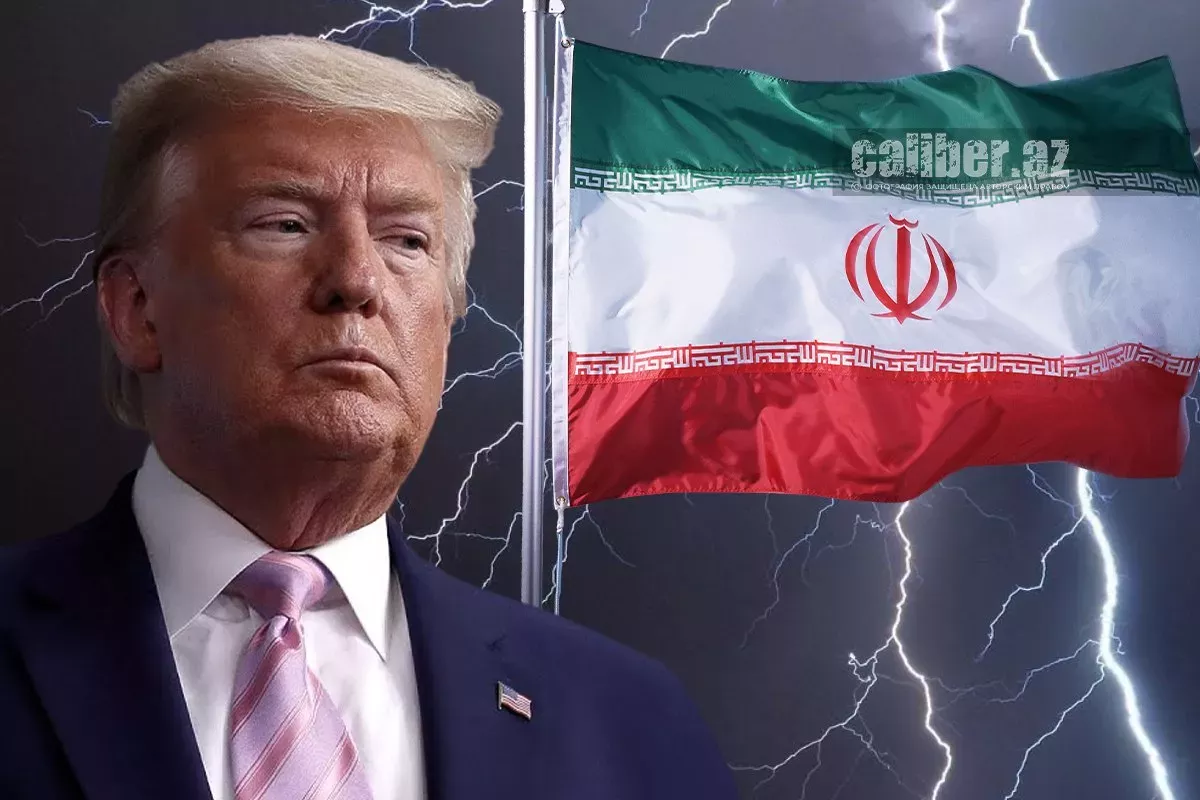
In particular, according to Ynet, the Trump administration has decided to pause both negotiations with Tehran and attacks on Iran, at least until the end of November. The publication says Washington has concluded that the current dialogue with Tehran is producing no results. Instead, the focus is being placed on increasing economic pressure, maintaining sanctions, and continuing the naval blockade of Iranian ports.
Ynet notes that Trump’s decision was driven by several considerations: the desire to preserve the Republican majority in the midterm congressional elections, the lack of progress in the negotiations, and the need to replenish U.S. weapons stocks following previous operations.
Regarding the latter point, it can be assumed that the issue primarily concerns interceptor missiles. Due to shortages, the United States has been forced to reduce its presence in Iraq and Bahrain to limit areas potentially exposed to Iranian missile and drone attacks.
In addition, each escalation in military action against Iran leads to higher fuel prices in the United States, which in turn fuels growing frustration among American voters and affects Republican approval ratings.
On the other hand, Washington has steadily increased the U.S. military presence in the Middle East since the beginning of the confrontation, and these forces remain in the region. This could indicate that after the congressional midterm elections, the United States will resume strikes against the Islamic Republic, most likely in coordination with Israel.
In that case, the target could very likely be Iranian infrastructure. In other words, this would amount to implementing an Israeli plan designed to unfold over months, and perhaps years, to fragment Iran and turn it into a failed state.

Why does this scenario appear to be the most likely, although it is far from inevitable?
One reason is Iran’s difficult economic situation, which could make the country more vulnerable to further pressure. More than 40 million Iranians—around 45% of the population—are estimated to be living below the poverty line, while inflation has reportedly reached 80–90%. As living costs rise and purchasing power declines, the Iranian population is facing rapidly worsening economic conditions.
Much of Iran’s economic hardship is already being driven by international sanctions, and any new measures could further restrict the country’s access to global trade and potentially put its frozen overseas assets at risk.
At the same time, despite mounting economic pressures at home, the Iranian authorities appear determined to retain control over the Strait of Hormuz and potentially expand their influence into the Red Sea. Any prolonged disruption in these strategic waterways could have significant repercussions for global trade and energy markets.
At the same time, Washington fully understands that being a superpower entails maintaining control over the world’s major international trade routes. The United States is clearly unwilling to repeat Britain’s experience in 1956, when the loss of control over the Suez Canal dealt an irreversible blow to the United Kingdom’s position in the international system.
Taken together, these factors suggest that President Donald Trump is likely to adopt Israel’s strategy. If the diplomatic track ultimately and irreversibly reaches a dead end, the “hot phase” of the conflict in the Middle East could resume in November this year.







 editor@caliber.az
 +994 55 444-88-98
 Азербайджан, Баку, ул. Низами, 203, Af Business House, 5-й этаж