










DNA of nations: Why historical memory still matters ANALYSIS BY TEYMUR ATAYEV
Historical memory is, in many ways, like the DNA of a people — or its roots. Today, the world is increasingly witnessing its various manifestations, which, despite taking markedly different forms, are reflected across a wide range of spheres. Against this backdrop, it is worth examining several recent episodes from different parts of the world before taking a brief look at our own rich geography — and history.
A key illustration of this dynamic occurred on August 15, marking the 81st anniversary of Japan’s surrender in World War II. Japanese officials visited Tokyo's Yasukuni Shrine, while Prime Minister Sanae Takaichi sent a tamagushi ritual offering to the site, drawing swift condemnation from China and South Korea.
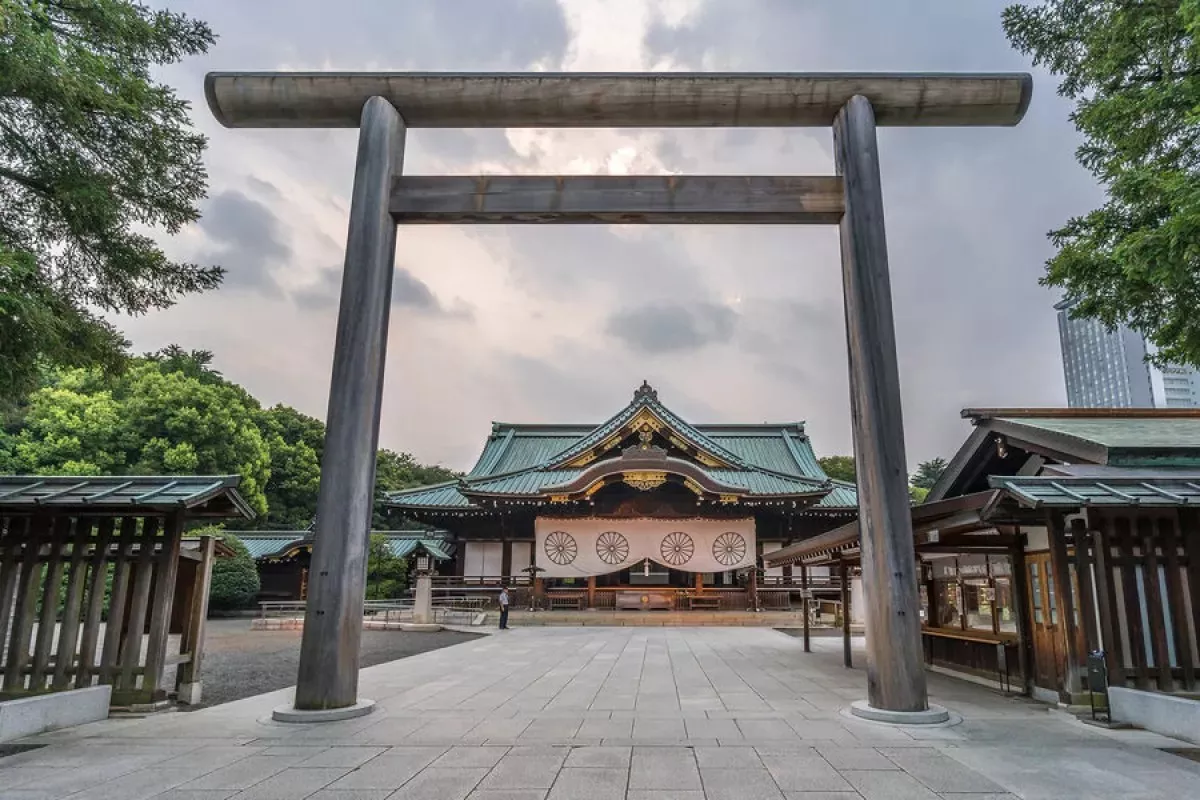
Beijing defined "tribute to the memory of convicted war criminals" as a challenge to the post-war order and an insult to the memory of the victims of militarism.
Concurrently, the Foreign Ministry of the Republic of Korea condemned the "historically irresponsible actions of responsible Japanese leaders honouring convicted war criminals." Seoul called on Tokyo to "demonstrate remorse for the past," emphasising that this posture must form the foundation for building future-oriented South Korean-Japanese relations.
At the end of July, several tens of thousands of migrants from Morocco forced their way into the Spanish enclave of Ceuta in North Africa. The incident prompted news outlets to once again highlight that Morocco has claimed, and continues to claim, sovereignty over both Ceuta and Melilla ever since gaining independence in 1956.
Spain categorically refuses to enter into any negotiations regarding a change to the status quo. Meanwhile, Rabat has made repeated, though unsuccessful, attempts to have these territories added to the United Nations list of non-self-governing areas awaiting decolonisation. Reflecting this ongoing dispute, a study published in 2025 in the Journal of Immigrant and Refugee Studies described the two enclaves as an unresolved colonial issue.
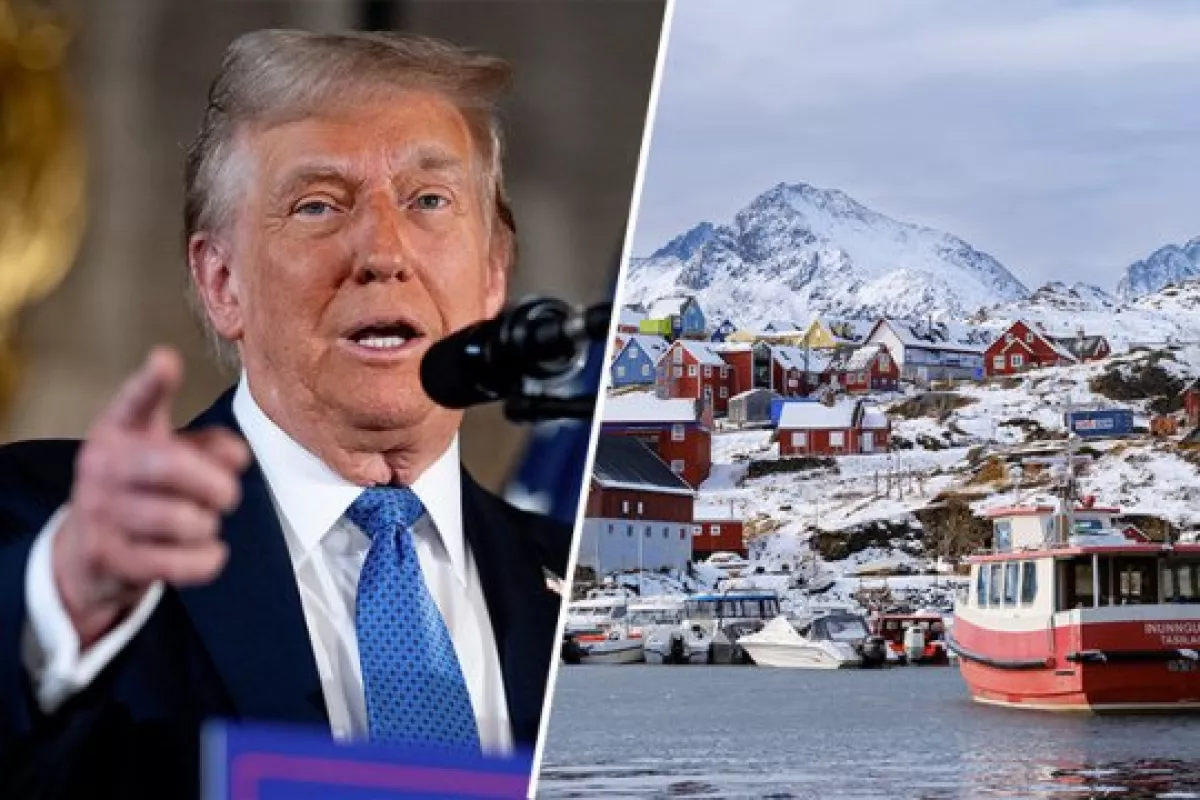
In early July, U.S. President Donald Trump arrived in Ankara to attend the 36th NATO summit and once again raised the status of Greenland, framing the island as having "important significance for Washington and should be under American control." Danish Prime Minister Mette Frederiksen countered the claim, stressing that the island, which forms part of the Kingdom of Denmark, "does not intend to become part of the United States." She underscored Copenhagen's stance by adding, "Of course, Greenland is not for sale."
This episode unfolded alongside other significant events in June 2026, a month marked by a dispute dubbed the "war of orders" between Ukraine and Poland—an ideological confrontation driven by clear geopolitical undercurrents.
The rift began when Warsaw expressed strong dissatisfaction with Kyiv's decision to name an Armed Forces of Ukraine special unit after the "Heroes of the Ukrainian Insurgent Army," an organisation Poland considers "responsible for the murder of Poles during World War II" in Volhynia.
The diplomatic fallout escalated after Polish President Karol Nawrocki revoked Ukrainian President Volodymyr Zelenskyy's Order of the White Eagle, Poland's highest state distinction. In response, several former Ukrainian presidents who had previously received the Order announced they were relinquishing the honour, while Ukrainian Foreign Minister Andrii Sybiha publicly refused the Commander's Cross with Star of the Order of Merit of the Republic of Poland.
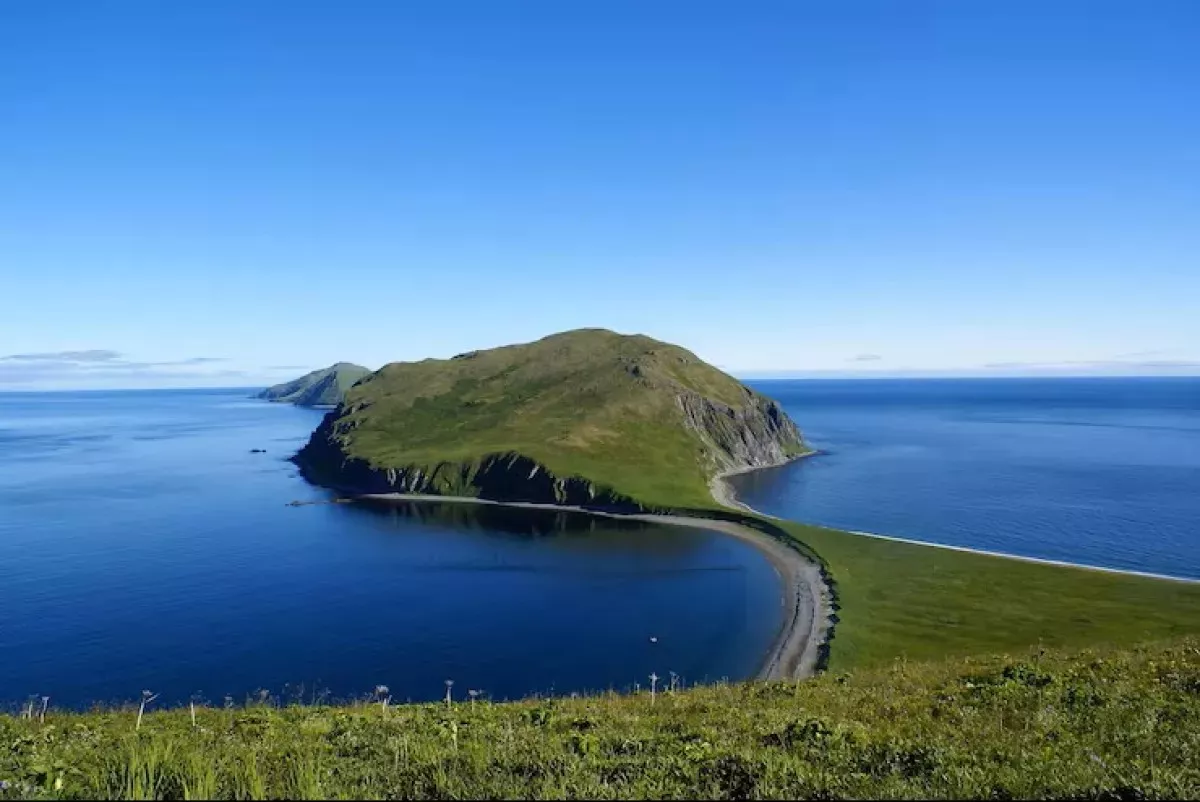
Another recent incident, occurring in a somewhat different domain, unfolded after the semi-final match of the most recent FIFA World Cup between Argentina and England. Celebrating their victory, the Argentine players defied FIFA’s explicit ban on political demonstrations by displaying a banner on the pitch in support of Buenos Aires' stance regarding the Falkland (Malvinas) Islands: “Las Malvinas son Argentinas” (the Falklands are Argentine). The action drew renewed attention to the fact that the Falkland Islands — a British Overseas Territory situated in the southwestern Atlantic Ocean — remain the subject of an ongoing sovereignty dispute between the United Kingdom and Argentina.
Symptomatically, Washington voiced support for the Argentine players' demonstration. Andrew Giuliani, former executive director of the White House task force for the FIFA World Cup, asserted that the team was entirely within its rights to make such statements while in the United States, citing the U.S. Constitution and its guarantees of freedom of speech.
While the nature of these recent global developments varies across geopolitical and cultural spheres, their underlying essence remains fundamentally identical: the enduring power of historical memory.

In this context, it is impossible not to recall the words of Azerbaijani President Ilham Aliyev, who said that during the occupation of Azerbaijani lands, Armenia sought to completely erase the heritage of the Azerbaijani people from the territory, but failed to do so: “Although our cities and villages were devastated, the historical memory of the Azerbaijani people was never erased.” This view was expressed by the head of state in May 2026.
Reiterating this perspective in June 2026, the Azerbaijani head of state underscored: "We will never forget what Armenian occupation forces have done to our people, to our cities", referring as well to the 65 damaged mosques where occupying forces sought to insult public sentiments.
"That cannot be forgotten," President Aliyev stated, linking this memory to the Khojaly genocide. At the same time, he emphasised the necessity of moving forward: "We need to look to the future, and we took revenge on the battlefield, and that's enough. That war or wars should have stopped, and we stopped it. As a strong side, we stopped it and offered peace. So now peace is reality."
Expanding on this theme in July, President Aliyev highlighted how historical memory retains the fundamental distinction between "what it is to be colonised and what it is to be free". In his view, Azerbaijan’s emergence as a middle power clearly demonstrates the advantages of independence.
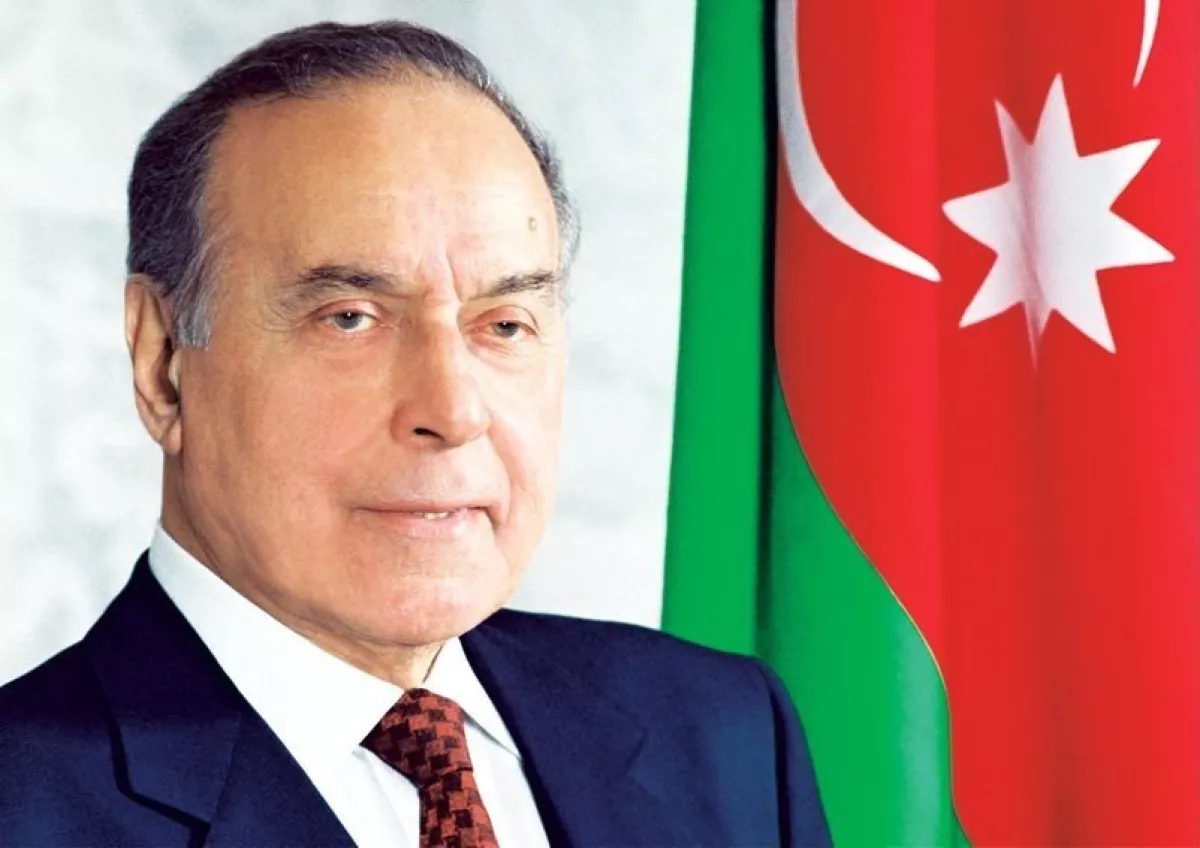
Historical memory functions as a nation's core driving force. This principle aligns with the vision outlined in 1999 by national leader Heydar Aliyev, who defined the cultivation of a resilient national memory regarding 20th-century tragedies as a vital priority for present and future generations. Aliyev emphasised that securing international political and legal recognition of these events, mitigating their severe consequences, and preventing their recurrence requires an enduring demonstration of national unity.
This vision has largely materialised. Historical memory remains deeply rooted in the public consciousness, while diplomatic efforts persist to secure global political and legal recognition for the Khojaly genocide and related tragedies. Following the liberation of the previously occupied territories, large-scale reconstruction and infrastructure projects are underway, facilitating the return of former internally displaced persons to their native homes.
Addressing the foundation of this progress, President Ilham Aliyev identified the core driver of the nation's achievements as the "unity of the people and the authorities." Describing this alignment, Aliyev noted: "It is a unity that comes from the heart, from the minds of the people. It is as if two rivers merge into one. That is what this unity is—both in the heart and, so to speak, in thought."
Ultimately, safeguarding historical memory provides the foundation for the nation's forward momentum, enabling the state to consolidate its position and achieve continued success on the international stage.







 editor@caliber.az
 +994 55 444-88-98
 Азербайджан, Баку, ул. Низами, 203, Af Business House, 5-й этаж