










President Aliyev takes Nakhchivan giant step closer to becoming regional gateway Khazar Akhundov’s analysis
For the fourth consecutive year, the Nakhchivan Autonomous Republic (NAR) has been undergoing broad administrative and economic reforms aimed at creating a more favourable business environment, attracting investment and expanding non-oil production. The transformation is centred on several strategic priorities: turning Nakhchivan into a regional transport hub, developing infrastructure for the production and transit of “green” energy, establishing an industrial cluster, exploiting mineral resources and expanding tourism destinations. Azerbaijani President Ilham Aliyev and First Lady Mehriban Aliyeva reviewed progress in these areas during their recent visit to the Autonomous Republic.
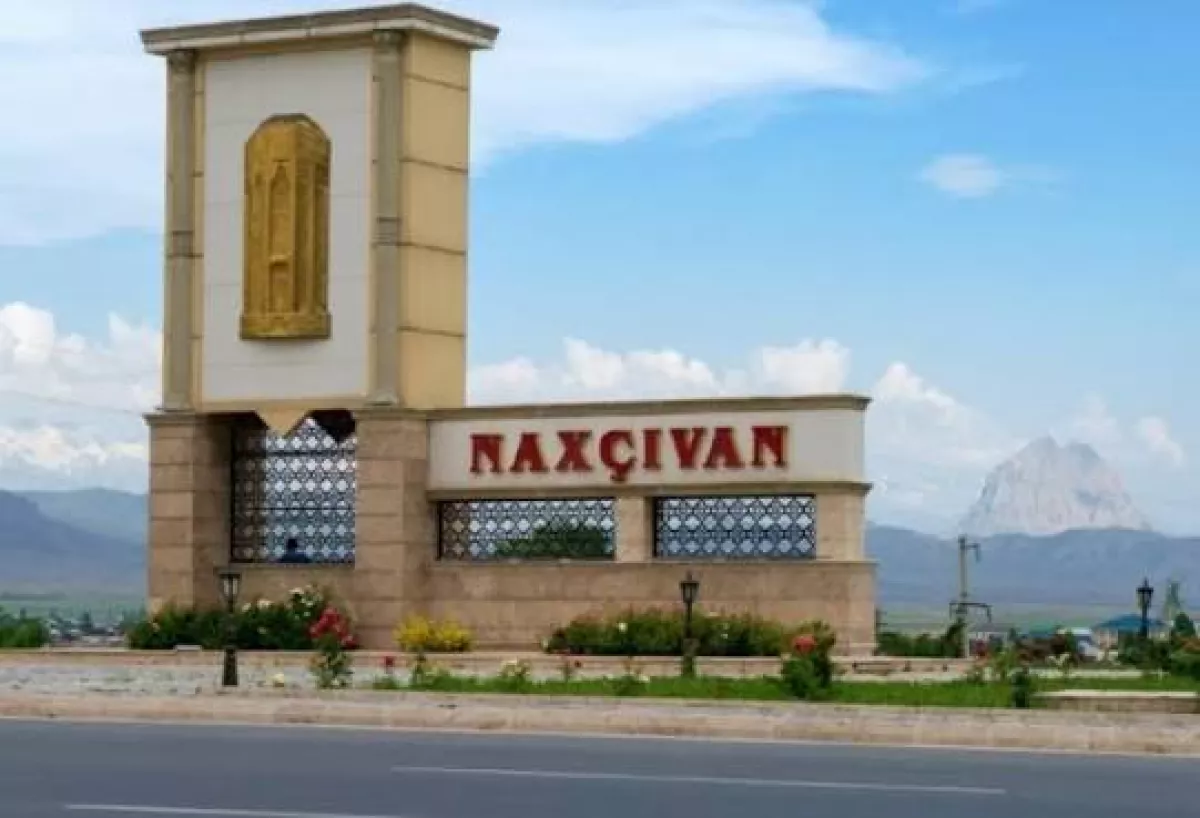
The reforms began with sweeping legislative and personnel changes in 2023, which provided the institutional foundation for the region’s subsequent economic transformation. A major milestone was the approval by President Ilham Aliyev of the “State Program on the Socio-Economic Development of the Nakhchivan Autonomous Republic for 2023-2027.”
The measures implemented since then have helped strengthen fiscal transparency, improve the business and investment environment and bring labour relations out of the informal economy. This first phase of reforms established a new legislative and administrative framework for attracting investment and further expanding an export-oriented value chain.
The progress achieved was highlighted by President Aliyev in an interview with Azerbaijan Television on August 11. He noted that the visit marked his 17th trip to Nakhchivan as president, saying: “Over these years, many important projects have been implemented, and the overall development of Nakhchivan has been ensured. Today’s events are, in a sense, a continuation of the work accomplished, and naturally, the necessary decisions will continue to be made in the future to ensure the rapid socio-economic development of Nakhchivan.”
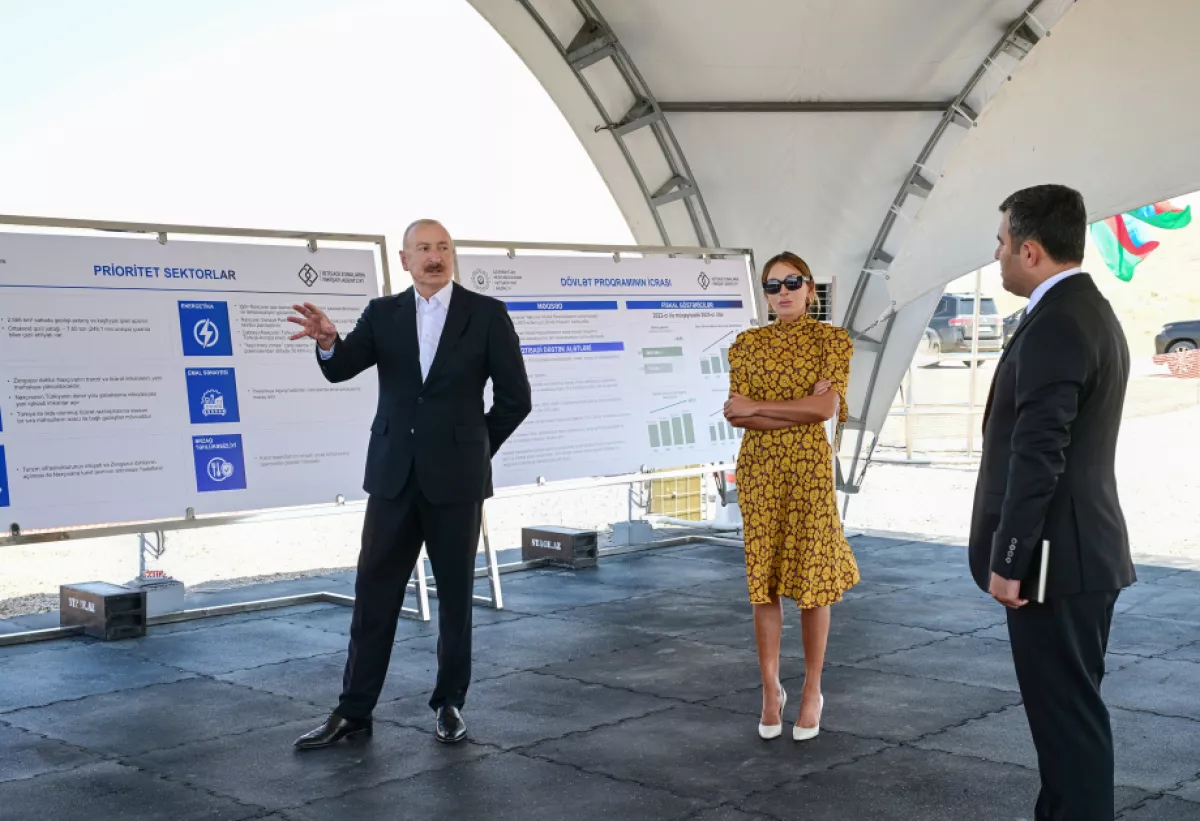
Among the Azerbaijani leadership’s key development priorities for the Autonomous Republic is the advancement of new industrial initiatives. President Ilham Aliyev highlighted the importance of this agenda during his visit, saying: “Today, the foundation stone of the Nakhchivan Industrial Park was laid. On my instructions, many industrial parks have been established in Azerbaijan, and in terms of territory, the Nakhchivan Industrial Park is second only to the Sumgayit Industrial Park.”
The planned industrial park will cover 310 hectares in the southwestern part of Nakhchivan city, south of the Nakhchivan-Sadarak highway. Earthworks are expected to begin shortly, followed by the construction of external and internal infrastructure, including electricity, heating, gas and water supply systems, communications and transport infrastructure, as well as production, administrative, social and other facilities. Negotiations are also underway on a number of projects aimed at attracting potential investors.
The park is also set to include a 300-megawatt thermal power plant, which Aliyev described as an important component of the project. “At the same time, as an integral part of this Park, a 300-megawatt Thermal Power Plant will be constructed. I should mention that Nakhchivan’s generation capacity is currently approximately 200 megawatts. A single power plant will increase this capacity by 1.5 times. Naturally, this plant will serve two purposes: first, to provide the Nakhchivan Autonomous Republic with a sustainable energy supply, and second, to facilitate electricity exports,” the president said in his interview.
The project builds on years of investment in Nakhchivan’s energy infrastructure. Over the past decades, the Autonomous Republic has developed numerous hydropower and solar generation facilities, as well as modular power plants. One of the most significant projects aimed at strengthening the region’s energy security was the construction of the Iğdır-Nakhchivan gas pipeline, which was commissioned on March 5, 2025, in the presence of the presidents of Azerbaijan and Türkiye. The pipeline enables Azerbaijani natural gas to reach Nakhchivan through Turkish territory.
At the same time, the development of renewable energy has been identified as a key long-term priority for the Autonomous Republic’s power system. Over the coming years, Nakhchivan is expected to bring online up to 1.5 gigawatts of wind and solar generation capacity, with plans to export around 1 gigawatt of electricity to Türkiye and Iran and, in the longer term, to European markets.
To support these ambitions, major substations, transmission lines and SCADA control centers are being modernized or built from scratch in the Karabakh region and Nakhchivan. The infrastructure is being designed to facilitate the export of at least 2 gigawatts of predominantly “green” electricity.
President Ilham Aliyev underscored the strategic importance of the energy sector, saying: “Energy security is the second most crucial factor after physical security.” He also singled out Nakhchivan’s substantial potential for solar power generation, stating: “Nakhchivan’s solar energy potential is immense. Based on monitoring and precise analysis, Nakhchivan is the most favorable location within Azerbaijan for solar power generation. Therefore, an area of more than 600 hectares has already been designated, where solar power plants with a total capacity of hundreds of megawatts will be constructed.”
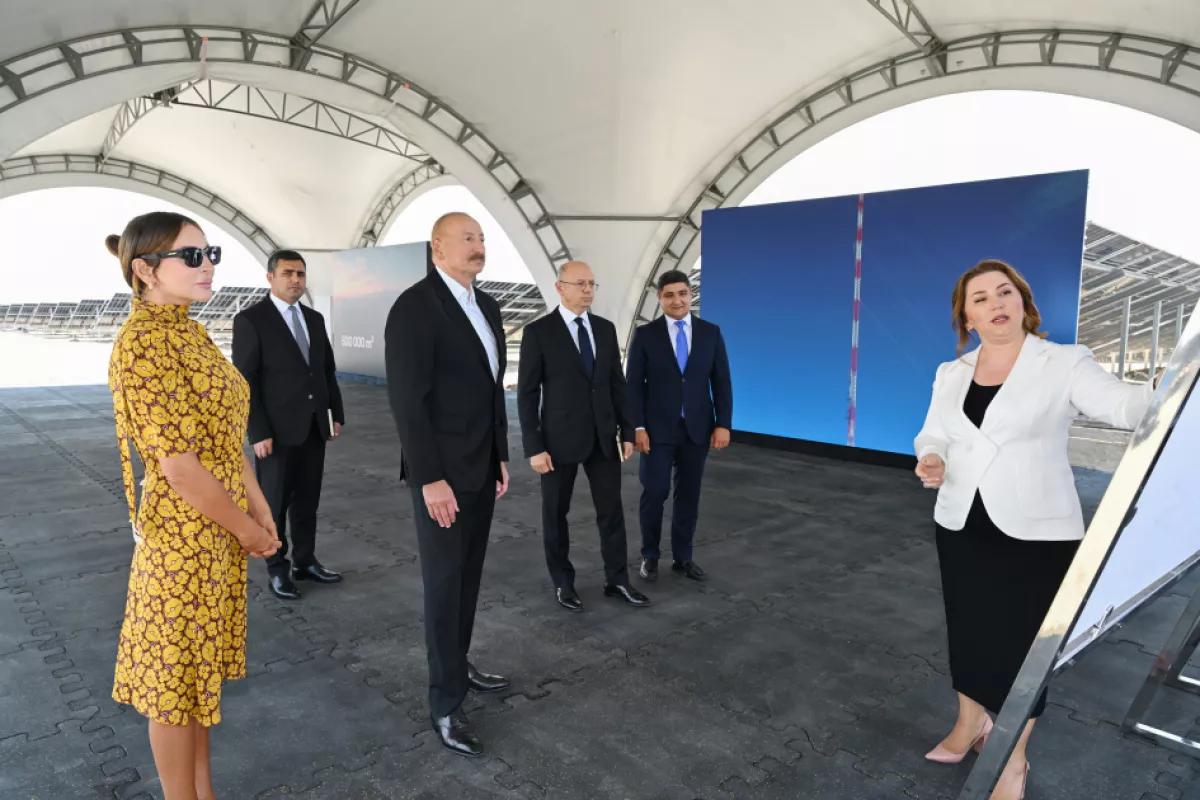
Work to expand Nakhchivan’s renewable energy potential is already well underway. During his visit, President Ilham Aliyev inspected construction at the Shams-1 and Garbi Ufug solar power plants.
Once commissioned, the two facilities, with a combined capacity of 50 megawatts, are expected to generate 118 million kilowatt-hours of electricity annually and supply around 40,000 households.
Construction is also continuing on the 36-megawatt Ordubad Hydroelectric Power Plant. The next project in the pipeline is a 15.6-megawatt hydropower plant in the village of Tivi in the Ordubad district, while work is also being carried out on the Chevirichi substation.
To maximise the use of Nakhchivan’s renewable energy potential, Aliyev has instructed the authorities to establish an energy storage system in the Autonomous Republic with a capacity of at least 100 megawatts.
The expansion of affordable renewable electricity generation is also expected to support the industrial sector, particularly as Nakhchivan moves forward with new industrialization plans.
The region has already seen a significant expansion of its production and service base. From 2023 through July 1, 2026, a total of 359 production and service enterprises were established in Nakhchivan with state financial support, loans provided through the Entrepreneurship Development Fund (SIF) and private investment.
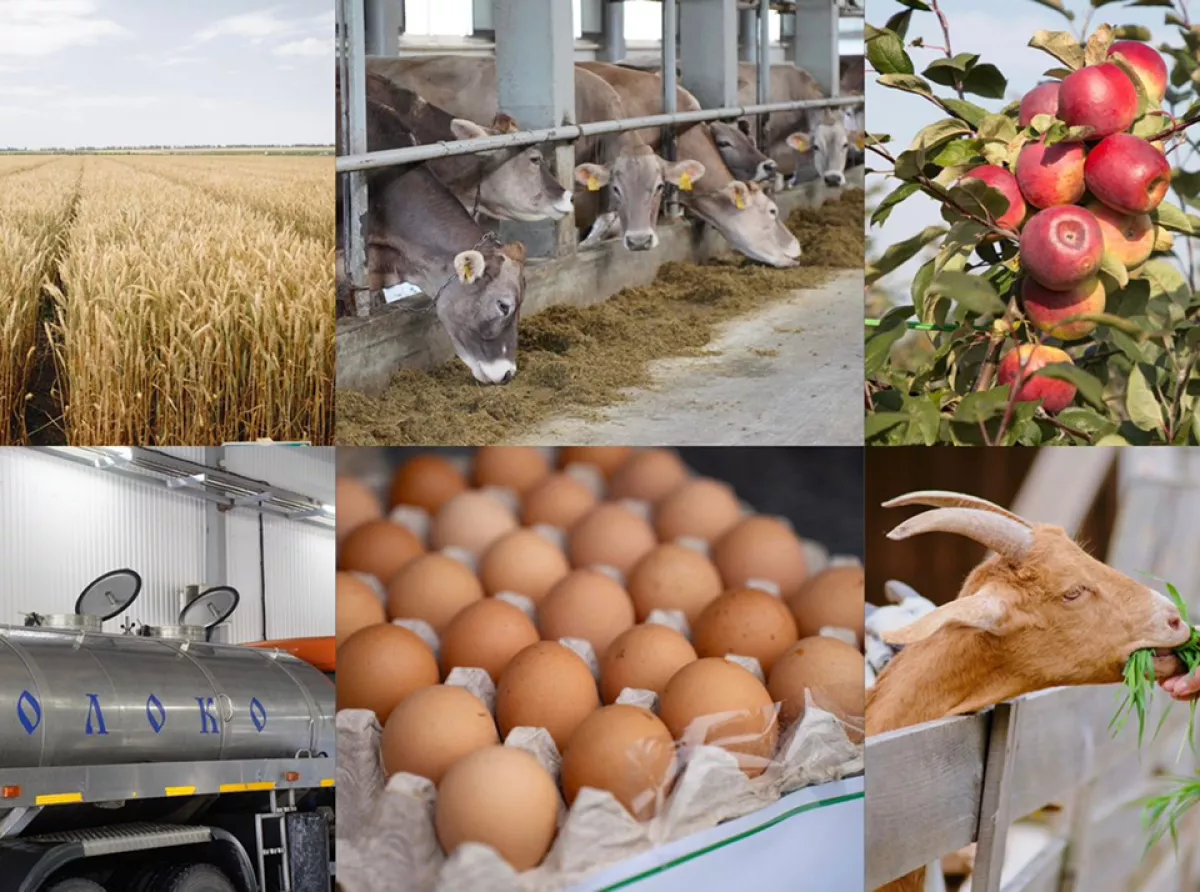
Moreover, the “State Program on the Socio-Economic Development of the Nakhchivan Autonomous Republic for 2023-2027” envisages the establishment of a range of new agricultural processing and packaging facilities in the Autonomous Republic. These include meat and dairy processing plants, canneries, fruit and vegetable processing and dried-fruit production facilities, as well as wineries.
The program also provides for the localization of sugar and starch production, leather and wool processing, and the manufacture of containers and various types of packaging. Nakhchivan also has significant potential in the production of construction materials and the extraction of non-ferrous and precious metals, with 21 ore deposits having been identified in the region.
To further develop the agricultural and industrial potential of the Autonomous Republic, Nakhchivan introduced a preferential regime at the beginning of this year, drawing on tax incentives and fiscal exemptions that have been successfully applied in Azerbaijan’s liberated territories and in various countries worldwide.
Under the regime, legal entities and individuals are exempt for 10 years from profit or income tax, property tax, land tax and simplified tax. Dividend income earned by shareholders or participants of legal entities that are residents of Nakhchivan is also exempt from taxation for the same period.
In addition, imports of raw materials and supplies are exempt from value-added tax and customs duties when they are intended for production, research and development activities carried out by legal entities and individual entrepreneurs that hold an investment promotion certificate and are residents of industrial or technology parks located in the Nakhchivan Autonomous Republic.
Looking ahead, the authorities plan to establish a special customs zone and logistics centers to turn Nakhchivan into a regional trade hub and support exports. Plans also include the creation of a free economic zone (FEZ) and the further development of the Sharur Industrial District.
All of these measures are aimed at bringing about structural changes in Nakhchivan’s economic system and unlocking previously underutilized potential. To develop an export-oriented value chain, the Autonomous Republic needs access to large markets, foreign investment and technological know-how to produce goods with higher added value.
Logistics is equally critical. For years, the high cost associated with transporting goods over long distances meant that many enterprises in Nakhchivan were unable to operate at full capacity.
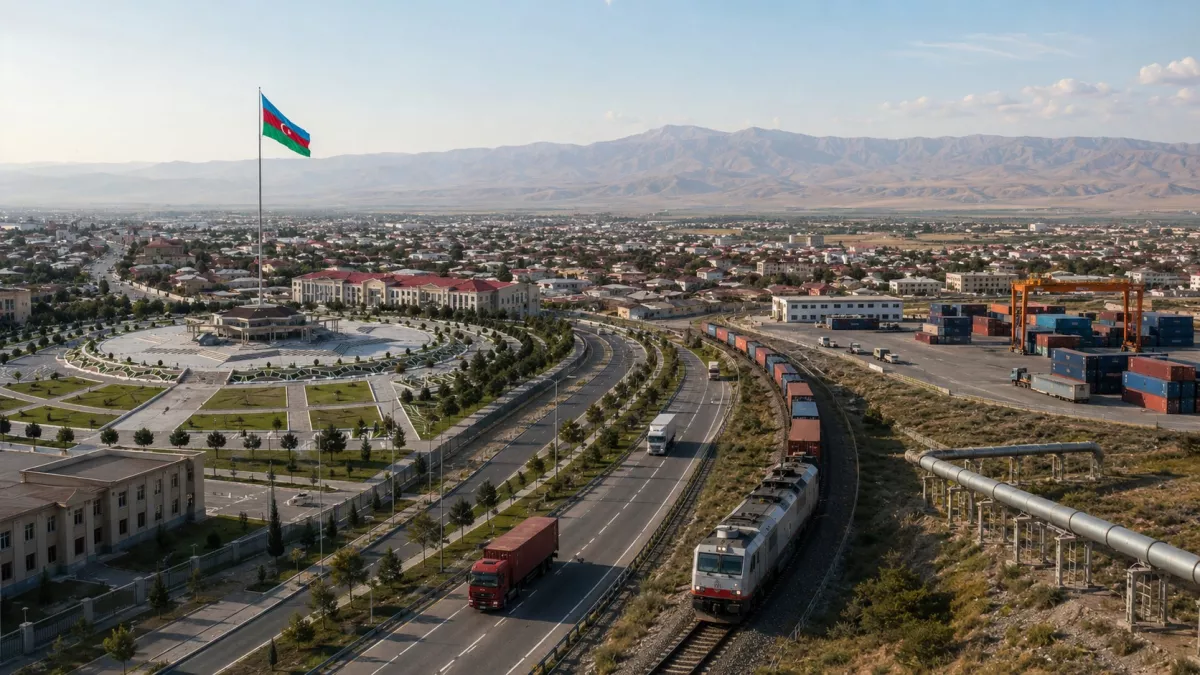
Efforts to improve Nakhchivan’s transport connectivity and establish the Autonomous Republic as a regional logistics hub are now making significant progress. Located on the borders with Iran, Türkiye and Armenia, Nakhchivan could eventually gain access to a market with potential annual cargo throughput of 200 million tonnes.
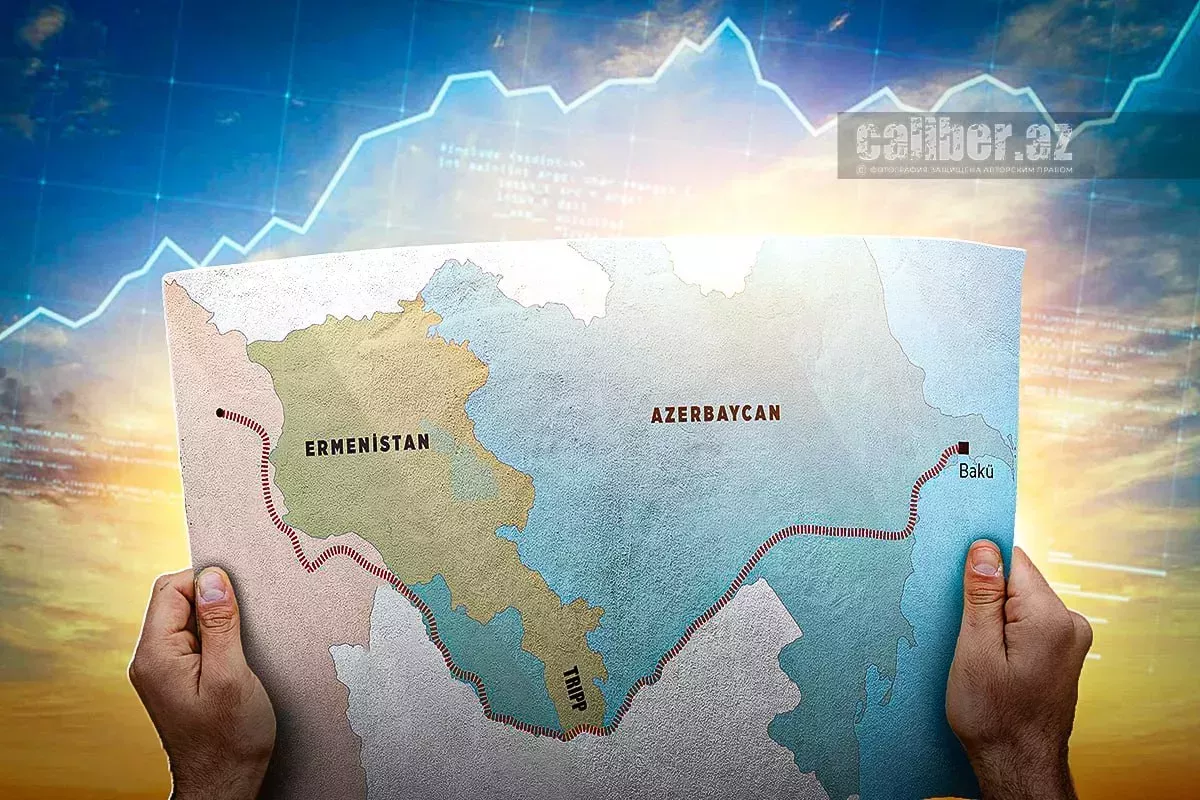
Against this backdrop, one of the key outcomes of the historic Washington summit was the decision to establish the TRIPP corridor, which will connect mainland Azerbaijan with the Nakhchivan Autonomous Republic. President Ilham Aliyev highlighted the project in his interview with Azerbaijan Television.
“The implementation of this project, named TRIPP, has already been launched. Recently, three days ago — on August 8 — during a conversation with President Trump, this issue was also touched upon, and both sides emphasized their confidence that this important transport project will definitely and swiftly be implemented. So, this is the history of the matter,” Aliyev said.
The president recalled that immediately after the 2020 Second Karabakh War, Baku began restoring railway and road links leading to Nakhchivan.
Aliyev also said the Horadiz-Aghband highway is now virtually complete, while construction of the railway along the same route is progressing rapidly. At the same time, work has begun under the direction of the Ministry of Digital Development and Transport to modernise Nakhchivan’s railway network.
“The throughput capacity of the existing railway today is 1.5 million tons. For the initial stage, this is sufficient for the launch of the Zangezur corridor and this line in general, which serves as a branch of the East–West corridor. But our goal is to have at least 15 million tons of cargo transit through this transport corridor. For that to happen, the existing railway must be reconstructed and rehabilitated. The information and presentation delivered to me today were very important,” Aliyev said.
Alongside the development of industry, energy and transport, Nakhchivan is also pursuing measures to modernize agricultural production, promote tourism and address social needs.
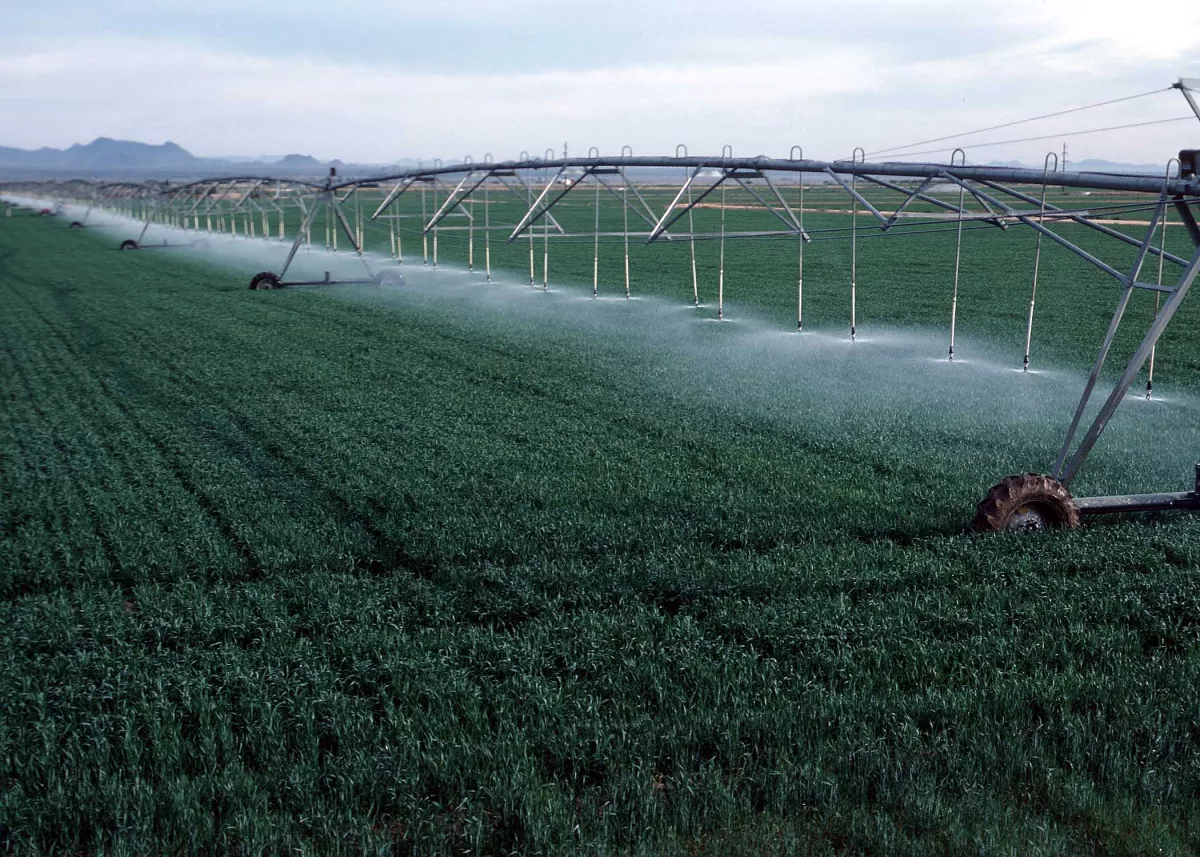
President Ilham Aliyev placed particular emphasis on agriculture in his interview, highlighting the measures envisaged under a recently adopted state program: “I can also add that Nakhchivan holds a special place and has a special share in the State Program on the Development of Agriculture, which was adopted recently — a few months ago — and the necessary funds have been allocated. In particular, irrigation projects, which are a crucial factor for agricultural development, are being implemented. Numerous artesian wells will be drilled, and modern irrigation systems will be installed. Water will be supplied to currently unirrigated lands. Thus, the development of the autonomous republic will become even faster and more comprehensive.”
The planned measures include the overhaul of 41 pumping stations and a pressure pipeline, the reconstruction of 20 canals, the rehabilitation of the Salvartin Reservoir and major repairs to the Heydar Aliyev Reservoir. New irrigation infrastructure is also to be developed.
In parallel, pilot projects are planned to establish agricultural cooperatives and cooperative associations in the dairy, meat and sheep-farming sectors, among others.
Social development remains a consistent priority for the Azerbaijani leadership. During his visit to Nakhchivan, President Ilham Aliyev reviewed the city’s new Master Plan, which sets out the development framework through 2044.
Under the plan, Nakhchivan’s existing green spaces will be expanded, while the area along the Nakhchivanchay River will be integrated more fully into the urban fabric. New parks, recreational areas and public spaces are planned along the river. The city’s road and street network is expected to reach a total length of 188.4 kilometers, while infrastructure for micromobility will extend for 122 kilometers.
As the city expands, its residential and social infrastructure will also be developed. During the visit, Aliyev participated in the groundbreaking ceremony for a social housing complex comprising 518 apartments.
Nakhchivan has also made progress in the electrification of urban transport. Public passenger services in the city are now provided exclusively by electric buses.
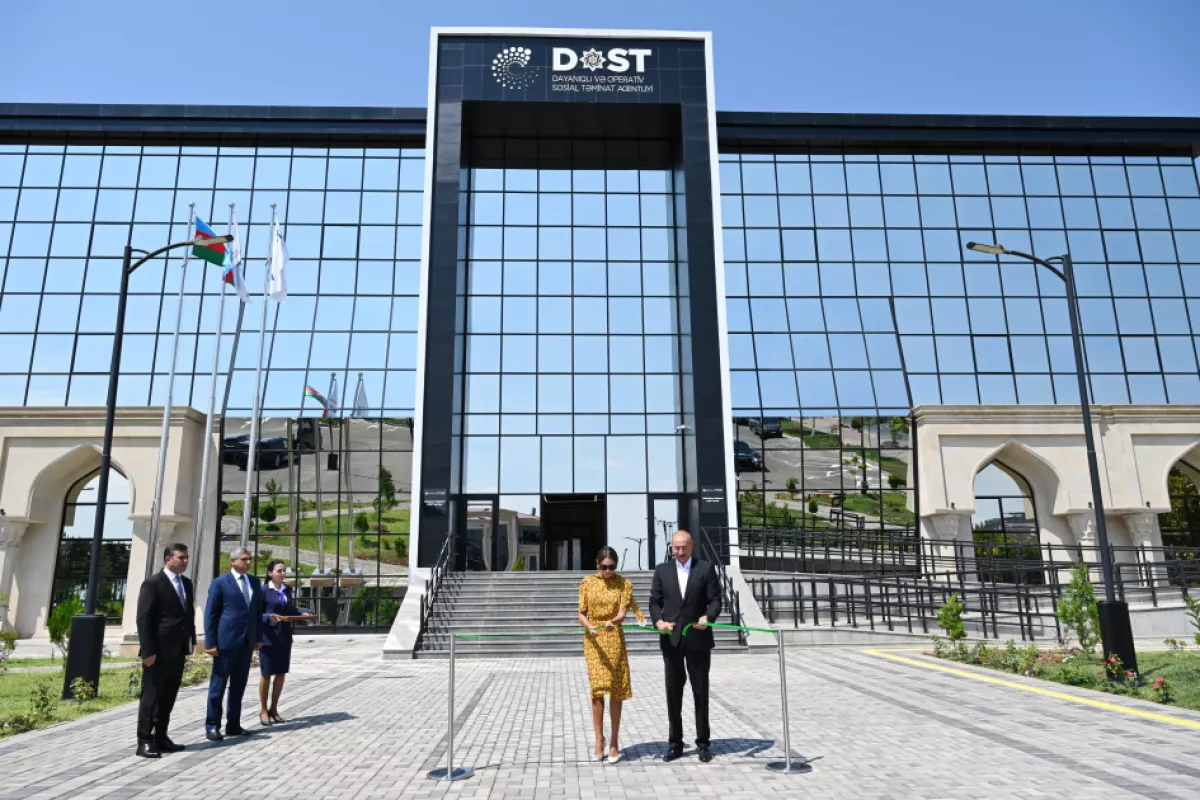
Another important step in strengthening social support and addressing employment needs was the opening of the Nakhchivan Regional DOST Center, operated by the DOST Agency under Azerbaijan’s Ministry of Labour and Social Protection of the Population.
During the opening ceremony, Aliyev was informed that the centre would provide residents with 164 social services under a one-stop-shop model. The facility will employ a total of 117 staff members and 50 volunteers and is expected to serve an average of 500 to 600 citizens a day.
Alongside preserving its historical heritage, expanding public services and improving the urban environment, Nakhchivan’s new Master Plan also aims to enhance the competitiveness of the tourism sector. In his interview, President Ilham Aliyev singled out tourism as an area with substantial untapped potential.
“Nakhchivan's tourism potential is very rich: it features historical monuments, beautiful nature, clean air, and picturesque landscapes. Unfortunately, however, the scarcity of hotels and their lack of high standards hinder the development of tourism,” Aliyev said.
Addressing this gap is one of the objectives of the development agenda. During his visit to the Autonomous Republic, the president took part in the groundbreaking ceremony for the Nakhchivan Hotel Complex. The facility is expected to be completed around 2028 and will be able to accommodate 307 guests at a time.
The broad structural transformation underway in Nakhchivan is ultimately aimed at advancing the development of the ancient region and unlocking its economic potential. Aliyev said the process would continue, emphasizing the scale of the government’s plans: “Therefore, the plans are grand, and I have no doubt about the implementation of these plans. Because there is strong willpower, we also have financial resources, and we are not dependent on anyone.”
And, as is well known, the Azerbaijani leader’s words are never at odds with his actions. This gives every reason to assert that Nakhchivan Autonomous Republic, together with Karabakh and East Zangazur, will soon become one of the key nodes of the country’s economy and a regional hub where the West and East, North and South will meet.







 editor@caliber.az
 +994 55 444-88-98
 Азербайджан, Баку, ул. Низами, 203, Af Business House, 5-й этаж