










Shrinking youth, ageing nation: Anatomy of Lithuania’s demographic crisis Extinction within 80 years?
Birth rates in Lithuania plunged by a third during the first six months of 2026, leading President Gitanas Nausėda to sound the alarm and warn that the Lithuanian nation risks disappearing within 50 to 80 years unless government leaders tackle the ongoing demographic crisis. This severe decline raises urgent questions about the root causes behind the country's population downturn and what measures can be taken to avert a broader demographic catastrophe.
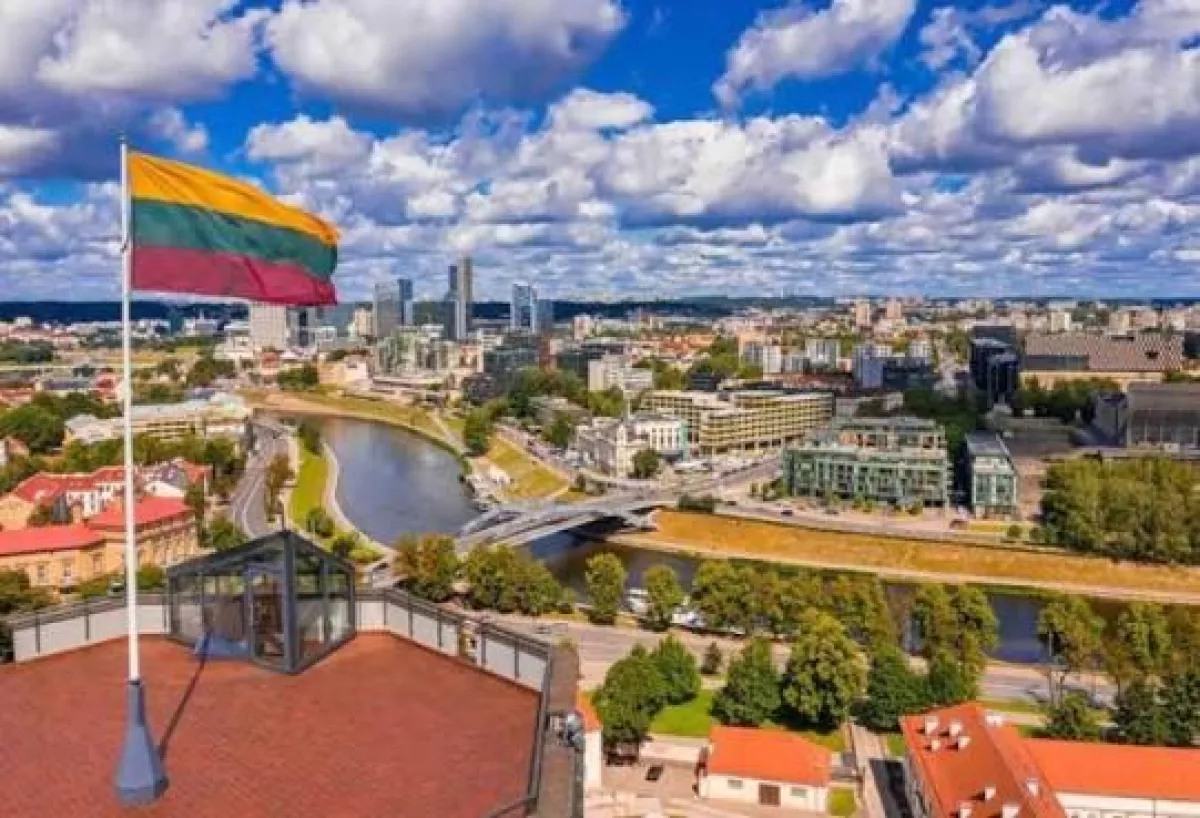
Shrinking population
Data released by the Ministry of Justice of the Republic of Lithuania reveals that registered births dropped by 4,300 in the first six months of 2026 compared to the corresponding period in 2025. Total newborns dropped from 12,600 in the first half of 2025 to fewer than 8,300 between January and July 2026. Addressing the dramatic decline, Lithuanian President Gitanas Nausėda issued a stark warning to lawmakers and public officials, cautioning that without systemic policy intervention, the Lithuanian nation risks functional extinction within 50 to 80 years.
The current downturn reflects a broader, century-long demographic trajectory. In 1926, the population stood at 2.245 million, supported by a natural population growth rate of 13 births per 1,000 residents. Following World War II in 1945, the population of the Lithuanian SSR was recorded at 2.5 million with a growth rate of 10 per 1,000, before reaching its peak natural growth rate of the century in 1960 at 14.7 per 1,000 residents, bringing the total population to 2.782 million. By 1991, Lithuania reached its historical demographic peak at 3.704 million residents, though the natural growth rate had moderated to 4.1 per 1,000. However, a sustained downward trend commenced following independence, driven by falling birth rates and emigration, leading the national population to slip below the 3 million threshold by 2013.
In recent years, Lithuania has recorded an average of roughly 22,000 annual births against 40,000 deaths — an imbalance failing to meet basic population replacement thresholds. Current figures indicate that as of August 2026, the Baltic nation’s population stands at 2.89 million.
While analysts frequently attribute this demographic decline to post-Soviet economic disruption and structural social challenges, the country's fertility decline actually predates the collapse of the USSR. Historical data shows that Lithuania's birth rate per 1,000 residents stood at 24.0 in 1946, before declining steadily to 18.1 in 1966 and 15.7 in 1976, followed by a modest rebound to 16.7 in 1986.
When placed in a global context, Lithuania's fertility contraction aligns with macro-level urbanization patterns observed across developed economies. Urbanisation has shifted family dynamics away from traditional multi-child structures toward lifestyles centred on career development, gender equity in the workforce, personal advancement, and higher living standards.
Declining birth rates as a threat to the future
Beyond shifting social dynamics, structural headwinds present an existential threat to Lithuania's national future. The country's pool of women of reproductive age has contracted sharply from 924,000 in 1990 to 589,000 in 2022, largely driven by decades of youth emigration. Mass outward migration severely impacted the Baltic nation's demographic base following its accession to the European Union in 2004, when annual outflows averaged between 40,000 and 50,000 citizens, spiking to nearly 90,000 during the 2008 global financial crisis. Between 1990 and 2023, an estimated 1.166 million citizens emigrated from Lithuania, compared to 670,000 arrivals.

While net migration trends turned positive in recent years, they have proven insufficient to offset long-term aging patterns. Since 2019, return migration has outpaced emigration, with 2024 figures showing 18,934 returning citizens against 9,486 departures — a two-to-one ratio. However, because outward flows historically siphoned off younger demographics, the structural imbalance remains severe. Today, citizens over the age of 65 constitute 20 percent of Lithuania's population, while the core childbearing demographic under age 29 has contracted by 27.9 percent over the last decade alone.
High suicide rates continue to affect Lithuania, which, alongside Slovenia, ranks highest in the European Union with 27.9 suicides per 100,000 people recorded in 2025. While down from peak levels in the 1990s, news agency Reuters noted in 2008 that these figures pointed directly to unresolved social problems. Today, statistical data shows Lithuania’s living standards approaching the EU average, with wages growing twice as fast as the EU average and unemployment remaining slightly lower. However, other social obstacles persist, including housing shortages following a 40 percent rise in real estate prices between 2020 and 2024, low standards in healthcare and education, and limited kindergarten access.

Raising a child in Lithuania costs between 3,000 and 5,000 euros annually against an average net monthly salary of 1,249 euros. Parents frequently question public education standards and opt for costly private schools, further inflating child-rearing expenses. Simultaneously, the traditional family structure faces a broader crisis under neoliberal capitalism, with 25 percent of parents unmarried and the average age of first-time mothers rising to 30 years. Promoted societal trends toward ideological childlessness, along with interpersonal alienation, continue to weaken the emotional bonds, affection, and sense of duty necessary for family formation.
Concurrently, modern consumer culture has shifted social mindsets, with younger generations focusing on personal needs significantly more than their predecessors. The psychological fallout from the war in Ukraine, along with perceived risks of direct military confrontation involving Russia and Belarus, also contributes to the reluctance of Lithuanian citizens to start families.

Combined, these factors have firmly placed Lithuania among the ten fastest-shrinking countries globally — a trend that continues to accelerate. According to Eurostat projections, should current trajectory persist, the Baltic nation’s population will contract by an additional one million residents by 2100, dropping to 1.7 million.







 editor@caliber.az
 +994 55 444-88-98
 Азербайджан, Баку, ул. Низами, 203, Af Business House, 5-й этаж