










US–Iran: Fruitless negotiations and a “low-intensity” war Analysis by Shereshevskiy
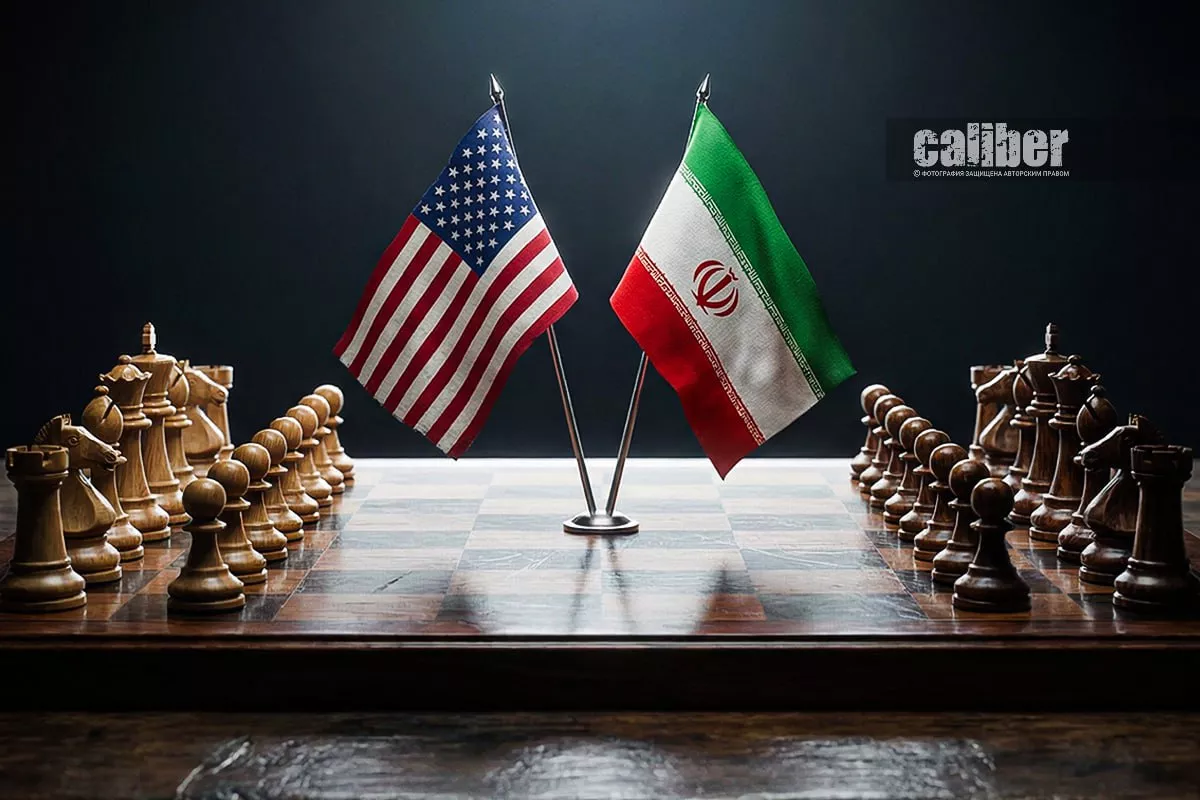
Negotiations between the United States and Iran are ongoing, but the sides still cannot reach an agreement. This leads to the spread of rumours and local armed clashes. As a result, a new escalation is gradually developing in the Middle East.
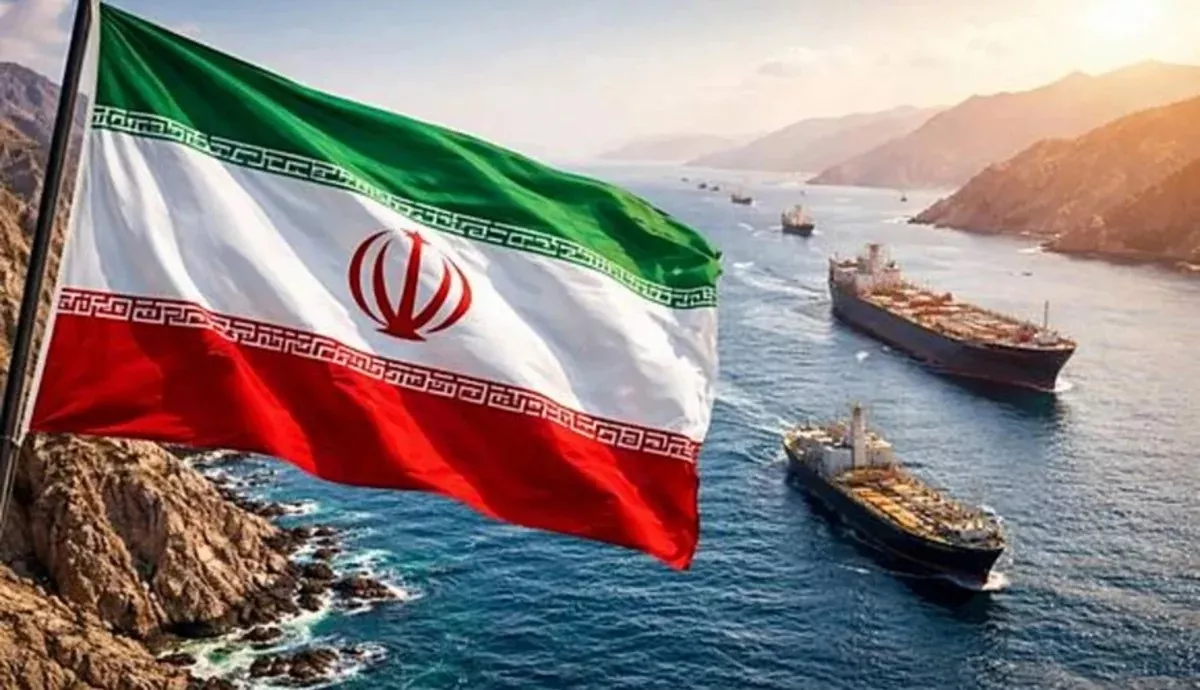
Washington demands that Tehran unblock the Strait of Hormuz, a key maritime artery through which oil is supplied to the global market, abandon any uranium enrichment (“zero enrichment”), and hand over its stockpiles of already enriched uranium. The Islamic Republic, in turn, insists that the United States lift the blockade of Iranian ports, withdraw its troops, and remove economic sanctions — only after which the Iranian side would be ready to negotiate a new nuclear deal.
At the same time, as both blockades continue, global oil prices are rising and the threat of a global economic recession is intensifying. In the United States itself, fuel prices are also increasing, which is causing significant frustration among Americans and contributing to a decline in the approval ratings of President Trump and the ruling Republican Party.
On the other hand, due to the American blockade, Iran is losing between $400–500 million per day. This comes at a time when, according to the Associated Press, around 20 per cent of the country’s enterprises have been destroyed or damaged by strikes carried out by U.S. and Israeli air forces. In addition, according to reports from official Iranian media, around 40 million citizens—approximately 45 per cent of the population—are living below the poverty line, which could eventually trigger a new wave of protests similar to those seen in recent years.
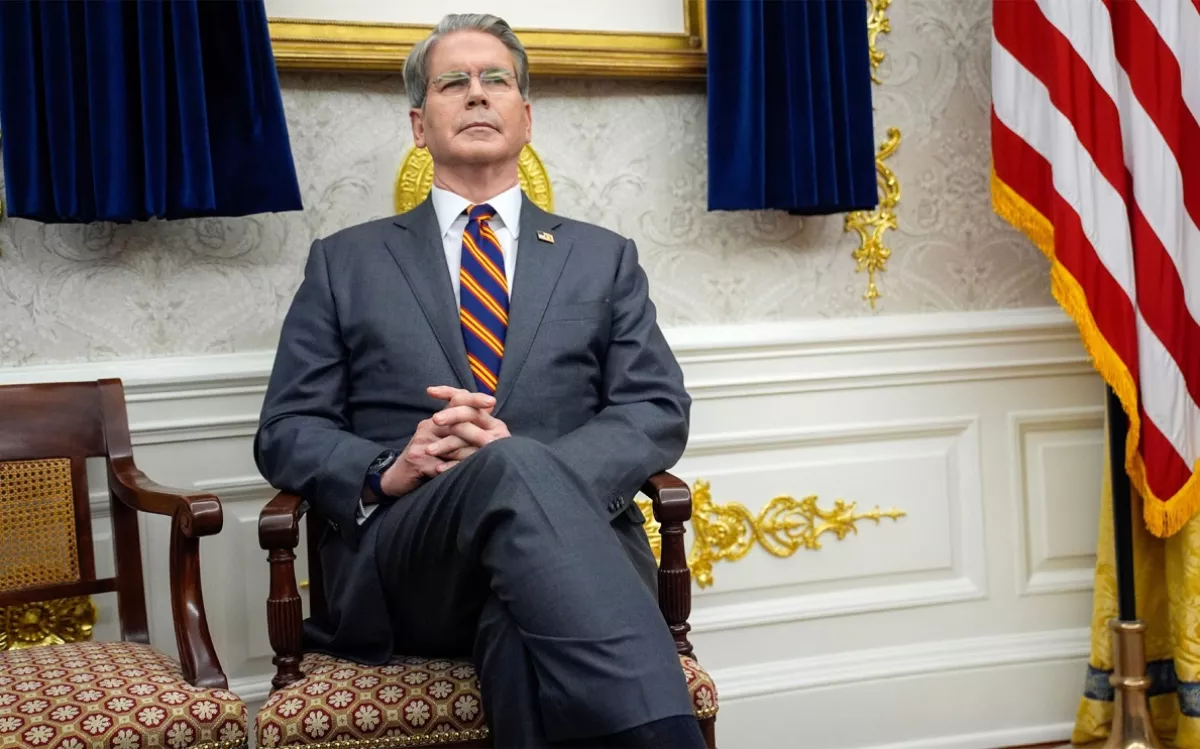
Meanwhile, U.S. Treasury Secretary Scott Bessent stated at the Reagan Economic Forum in California that Washington has three possible courses of action regarding Iran.
The first is to reach an agreement with the Islamic Republic of Iran, but this is difficult due to the lack of alignment between the positions of the two sides. The second is to continue the economically damaging blockade of Iran in the hope that Tehran will soften its negotiating stance. The third option is a new wave of U.S.–Israeli strikes aimed at forcing the Islamic Republic to accept American demands. However, these American plans carry ambiguous consequences.
Thus, if any potential deal turns out to be merely a ceasefire agreement and the unblocking of the Strait of Hormuz, followed only later by negotiations on the nuclear programme, this would be unfavourable for the U.S. president, as Iran is considered adept at prolonging nuclear negotiations for years without reaching substantive outcomes, as was the case during Joe Biden’s presidency.
On the other hand, although most Americans oppose war, they nevertheless believe that the Islamic Republic should not have the capability to enrich uranium or develop nuclear weapons. Therefore, if Donald Trump simply restores the situation to what it was before the outbreak of hostilities—namely, reopening the Strait of Hormuz in exchange for lifting the American blockade of Iranian ports—without securing either a “zero enrichment” commitment or the transfer of already enriched uranium from Tehran, this could lead to a further decline in his approval ratings.
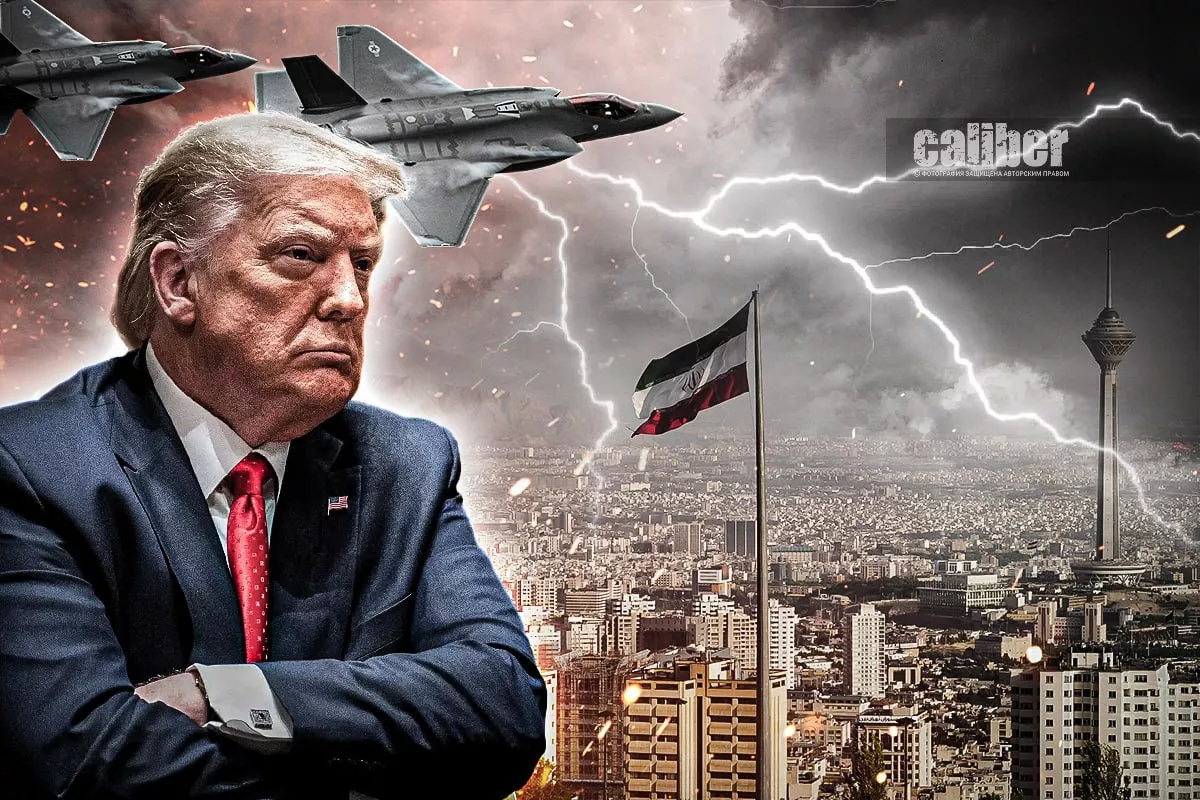
At the same time, it must be taken into account that a new escalation of military confrontation will not necessarily produce results: it may fail to break the Iranian regime, but it will certainly trigger a spike in fuel prices, which would undoubtedly infuriate Americans and also deal a blow to Trump’s political standing.
In light of the above, the White House chief is pursuing a goal that goes beyond merely securing the unblocking of the Strait of Hormuz. He intends to confiscate Iran’s enriched uranium and obtain the right to inspect the Islamic Republic’s nuclear facilities to ensure that no enrichment process is taking place there. Under such conditions, the U.S. president might even agree to a partial easing of economic sanctions against Iran. And if everything goes according to his plan, Trump could potentially secure a deal favourable to him with Tehran and slightly improve his approval ratings ahead of the midterm elections scheduled for this autumn in the United States.
At the same time, Washington emphasises that any agreement must comply with core American demands, including access for international inspectors to Iranian nuclear facilities, a complete halt to any uranium enrichment, and the transfer of already enriched uranium stockpiles to the United States or their destruction inside Iran under the supervision of American specialists.
While the sides have yet to reach an agreement, Washington has opted for a strategy of “low-intensity military operations.” In recent days, U.S. forces have reportedly carried out strikes on the port city of Bandar Abbas and shot down four Iranian attack drones. In addition, the United States has been assisting certain tankers in transiting the Strait of Hormuz. In particular, the U.S. Central Command (CENTCOM) has recently escorted around 70 commercial vessels entering and leaving the Persian Gulf. According to U.S. officials, most ships switched off their transponders while passing through the strait in order to avoid detection.
Meanwhile, Iranian media have interpreted the recent U.S. strikes in their own way, placing particular emphasis on the successes of the Islamic Revolutionary Guard Corps. In particular, the agency Noor, affiliated with Iran’s Supreme National Security Council, citing a “well-informed military source,” reported that “a few hours ago, an American oil tanker attempted to pass through the Strait of Hormuz with its radar/transponder system turned off. After a swift and decisive response by the Islamic Revolutionary Guard Corps Navy, including warning fire at the vessel, it was forced to stop and turn back…”
Previously, the Iranian state broadcaster IRIB circulated a statement by the Islamic Revolutionary Guard Corps (IRGC) claiming that “following aggression by U.S. military forces against a site near Bandar Abbas airport using aerial munitions, the U.S. airbase that served as the source of this attack was targeted.”
Taking all of the above into account, it can be concluded that the United States is highly likely to continue increasing military pressure on Iran. However, such a development would sooner or later lead to a new full-scale war in the Middle East.







 editor@caliber.az
 +994 55 444-88-98
 Азербайджан, Баку, ул. Низами, 203, Af Business House, 5-й этаж