










Moscow and Tehran cement their strategic alliance Article by Matanat Nasibova
Reports of Russian Foreign Minister Sergey Lavrov's planned visit to Iran, expected to take place amid the sharp escalation in the Middle East, have predictably become one of the leading stories in the global news agenda. On the eve of the visit, the foreign ministers of the two countries held extensive talks on a broad range of issues during the meeting of the Council of Foreign Ministers of the Shanghai Cooperation Organisation (SCO) in Cholpon-Ata, Kyrgyzstan.
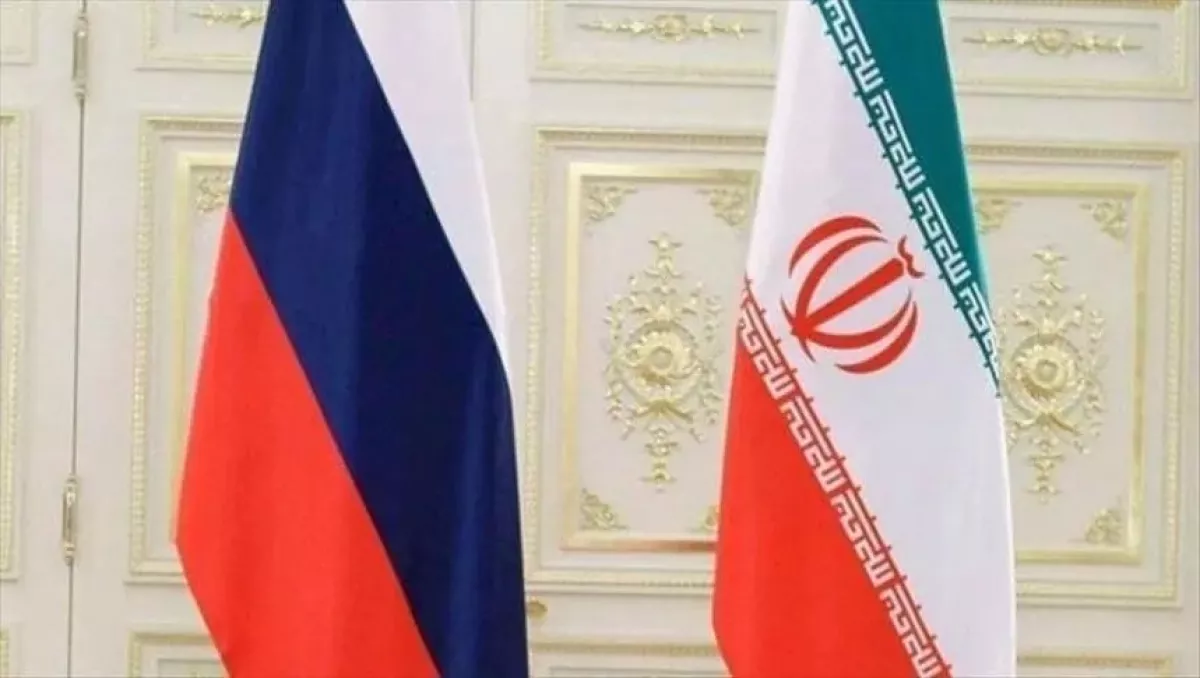
Although the exact date and agenda of Lavrov's visit to Tehran have yet to be announced, there is little doubt that the situation in the Middle East will dominate the discussions. This has also been indicated by the remarks of Russian Deputy Foreign Minister Andrei Rudenko in an interview with the Iranian news agency Tasnim.
Highlighting Moscow's interest in continuing dialogue between Tehran and Washington, Rudenko stressed that Russia views the recent U.S. strikes on Iranian territory as a unilateral violation of the memorandum recently concluded between the parties. Such a position clearly leads to the following conclusion: Moscow is signaling to Washington that it considers the United States an unreliable negotiating partner, places full responsibility for the latest escalation solely on the United States, and believes that it is Washington's actions that have effectively closed the door to a negotiated settlement of the conflict.
Based on such statements, and considering that Russia has traditionally backed its rhetoric with concrete actions, international experts suggest that during talks in Iran, Moscow, as Tehran's strategic partner, could offer new military technologies, including unmanned aerial vehicles resistant to electronic warfare systems, while also discussing the provision of intelligence that would enable the Islamic Republic of Iran to carry out more precise strikes against U.S. targets.
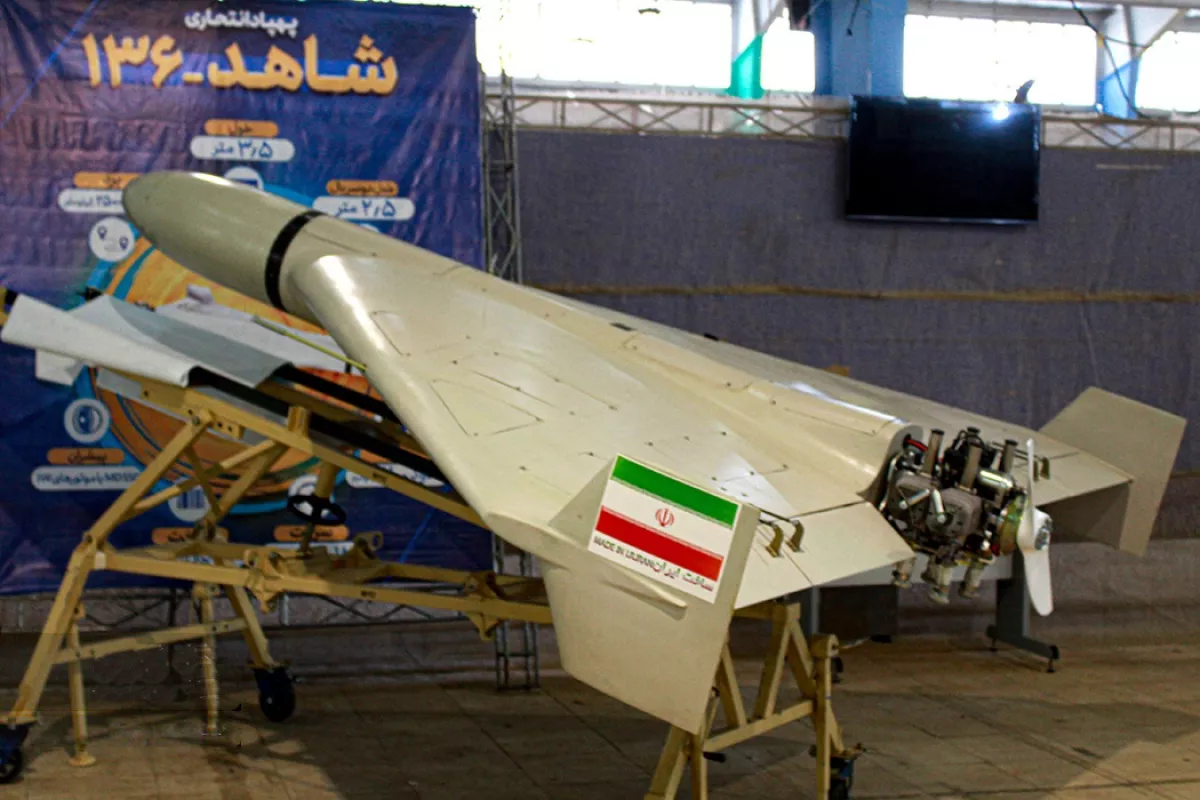
From a logical standpoint, such issues have every reason to feature prominently on the negotiating agenda, given the well-established military cooperation between the two countries. Russia has supplied Iran with various weapons systems, including the S-300 and Tor-M1 surface-to-air missile systems, among others. According to open-source information, the Islamic Republic has, in turn, provided Russia with Shahed-series attack drones and components for their assembly, enabling the subsequent localization of production within Russia. Moreover, according to Bloomberg, citing Western intelligence sources, the total value of military contracts and arms deliveries between the two countries has exceeded $4 billion since the end of 2021.
In addition to military-technical cooperation, Russia has consistently provided Iran with diplomatic backing at virtually every level, often acting in coordination with China. In particular, in March and April of this year, Moscow and Beijing jointly opposed draft resolutions in the UN Security Council concerning the use of force to reopen the Strait of Hormuz. The two countries exercised a joint veto against a Bahrain-sponsored resolution and blocked maritime security initiatives that they considered biased against the Islamic Republic of Iran. Russia and China have also actively promoted the complete lifting of sanctions imposed on Tehran in various international forums, with diplomats from both countries repeatedly urging the United Nations leadership to end the restrictive measures.
At the same time, Moscow continues to support Iran's civilian nuclear programme, driven in part by its own strategic interests, as Russia is involved in the construction and maintenance of power units at the Bushehr Nuclear Power Plant. In this regard, the Russian side strongly defends the right of states to develop peaceful nuclear energy and has sharply criticized International Atomic Energy Agency (IAEA) resolutions targeting Tehran. At the same time, however, Moscow maintains its commitment to the principle of nuclear non-proliferation.
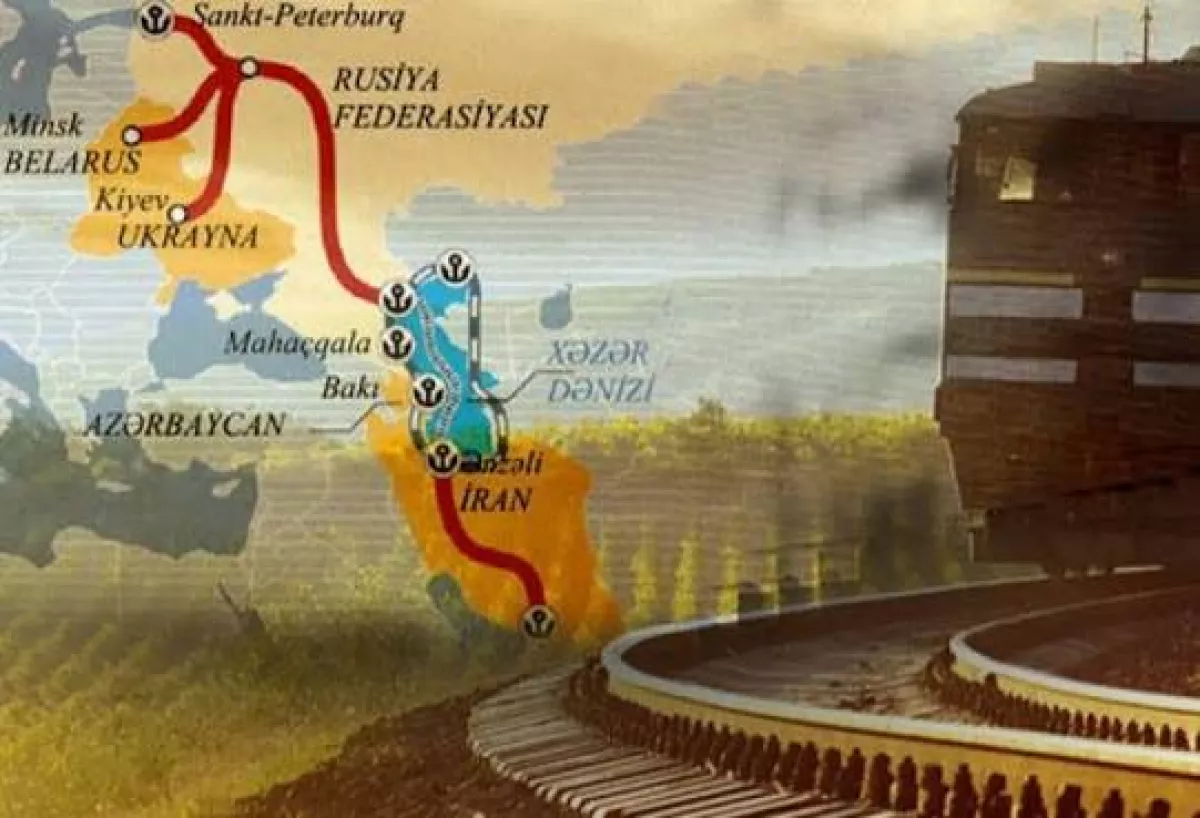
Transport and logistics routes are also expected to feature prominently on the agenda during the Tehran talks, particularly the International North–South Transport Corridor (INSTC). The project officially includes 12 participating countries, with Russia, Iran, and India serving as its principal members after signing the original agreement in 2000. Azerbaijan, Armenia, Belarus, Kazakhstan, Oman, Syria, Tajikistan, Türkiye, and Ukraine joined the initiative at later stages.
In addition, Russia recently announced progress on the Rasht–Astara railway project following the resolution of land acquisition issues in Iran. This development paves the way for the practical implementation of one of the region's key infrastructure initiatives, which is expected to reduce Russia's dependence on European trade routes while transforming Iran into one of Eurasia's principal transit hubs.
Taken together, these developments suggest that Sergey Lavrov's planned visit to the Islamic Republic is intended as a signal to the United States and Europe that attempts to pressure Russia and Iran have not only failed but have, in fact, further strengthened the multifaceted partnership between the two countries. By hosting the Russian foreign minister, Tehran, for its part, is sending a message to the collective West that, despite sustained pressure, the Islamic Republic remains an important partner for major international actors. From a broader geopolitical perspective, the visit also carries clear symbolic significance, reinforcing the notion that Moscow and Tehran are determined to coordinate their efforts in addressing contemporary challenges across the full spectrum of the international agenda.







 editor@caliber.az
 +994 55 444-88-98
 Азербайджан, Баку, ул. Низами, 203, Af Business House, 5-й этаж