










Aliyev's visit to Berlin and Rubio's messages from Manila Caliber.Az weekly review
The Caliber.Az editorial team presents a new edition of the “Events” programme, hosted by Murad Abiyev, in an analytical review of the key developments of the week.
Azerbaijan
This week, President Ilham Aliyev paid an official visit to Berlin. Although it was not his first trip to Germany, it is fair to say that this visit marked a new stage in relations between Baku and Berlin. To understand why, one need only look at the documents signed by Ilham Aliyev and Friedrich Merz. There were only two of them, yet this modest number best reflects the depth and intensity of the rapidly developing ties between the two countries.
The two sides signed the Joint Declaration on the Strategic Agenda for Bilateral Partnership, as well as the Joint Declaration on the Establishment and Operation of the Azerbaijan–Germany Business Council.
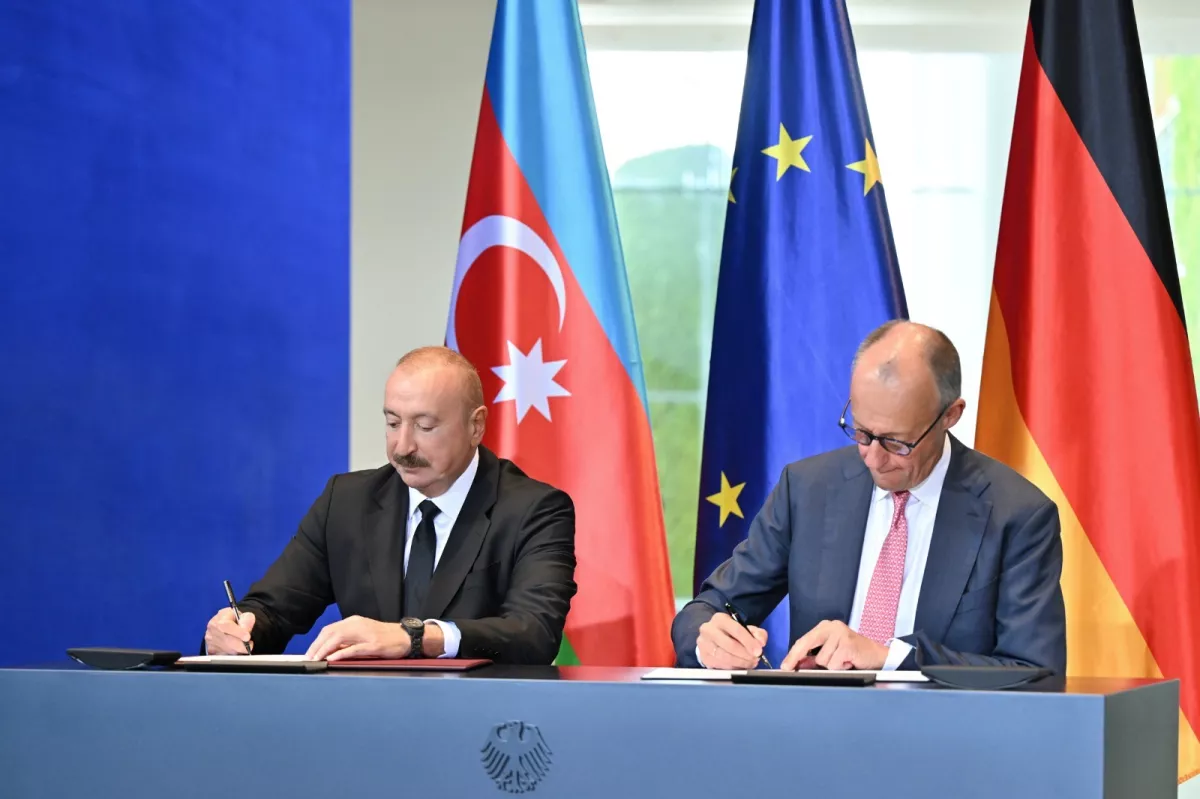
The two principal areas of cooperation, as both leaders emphasized during their joint press conference, are energy security and transport connectivity.
Energy cooperation is primarily focused on the supply of Azerbaijani hydrocarbons to Germany. This has become particularly important as Germany seeks to diversify its energy imports amid the deteriorating situation in regions that have traditionally served as major energy suppliers—namely Russia and the Middle East.
Merz underscored this point directly, stating: "We wish to further diversify our energy supply through cooperation with Azerbaijan," adding that the two sides also discussed expanding the use of renewable energy sources and hydrogen.
President Aliyev noted that Azerbaijan began exporting natural gas to Germany this year, with the initial supply volume set at 1.5 billion cubic metres over a ten-year period. At the same time, he stressed that increasing export volumes would require the expansion of the existing gas infrastructure, including the Trans Adriatic Pipeline (TAP) and the Trans-Anatolian Natural Gas Pipeline (TANAP).
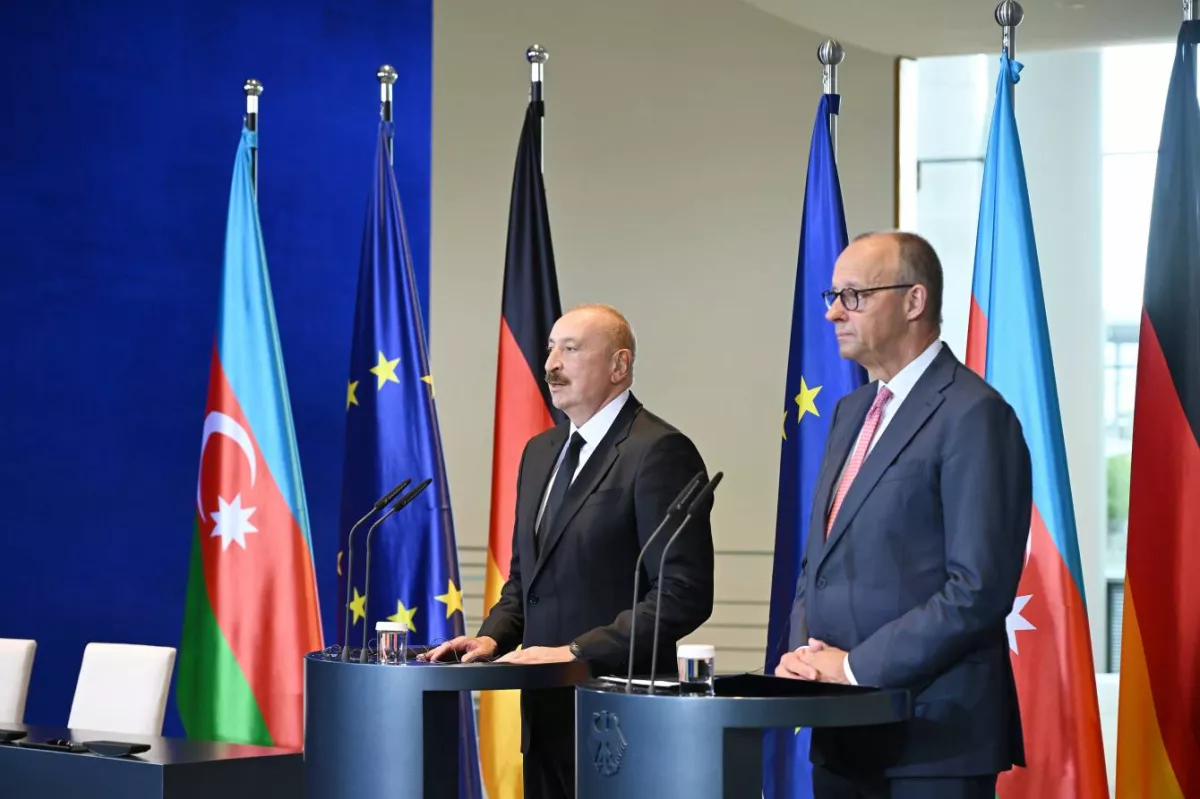
According to Aliyev, progress in this area has been hindered by the fact that European banks, in line with the EU's green agenda, have largely withdrawn financial support for oil and gas projects. He underscored the critical importance of diversifying Europe's gas supplies at a time when traditional supply chains are under severe strain and expressed hope that European financial institutions would reconsider their approach to financing gas infrastructure.
The issue of transport connectivity has likewise gained increasing strategic importance as traditional trade routes through Russia and maritime routes via the Middle East have become partially disrupted. Europe—and Germany in particular—now places significant strategic value on the Trans-Caspian Corridor, which connects Europe with China through the countries of Central Asia and the South Caucasus.
In this context, Merz noted that the two sides had held constructive discussions on Azerbaijan's proposed investment programme.
Russia – Ukraine
Against the backdrop of Russian forces becoming increasingly bogged down in Ukraine, Ukrainian forces continue to strike targets deep inside Russian territory. A notable feature of recent days has been the growing number of attacks on warehouses belonging to major retail chains, particularly such a giant as Wildberries.
Experts point out that the online retail market is controlled by only a handful of major players, including Wildberries, and that even the disruption of 10% of their warehouse capacity could paralyze commercial operations on a nationwide scale.
Meanwhile, Bloomberg published a report stating that Russia’s Defence Ministry had promised Vladimir Putin that it would take full control of Donbas by the end of next year. The publication also noted that Moscow would only be ready to return to negotiations after achieving this objective.
This indicates a hardening of the Kremlin’s position compared with its previous stance, according to which Kyiv’s withdrawal from the part of Donbas under its control was supposed to be the key issue in negotiations, while the fate of other annexed territories was not outlined in such categorical terms.
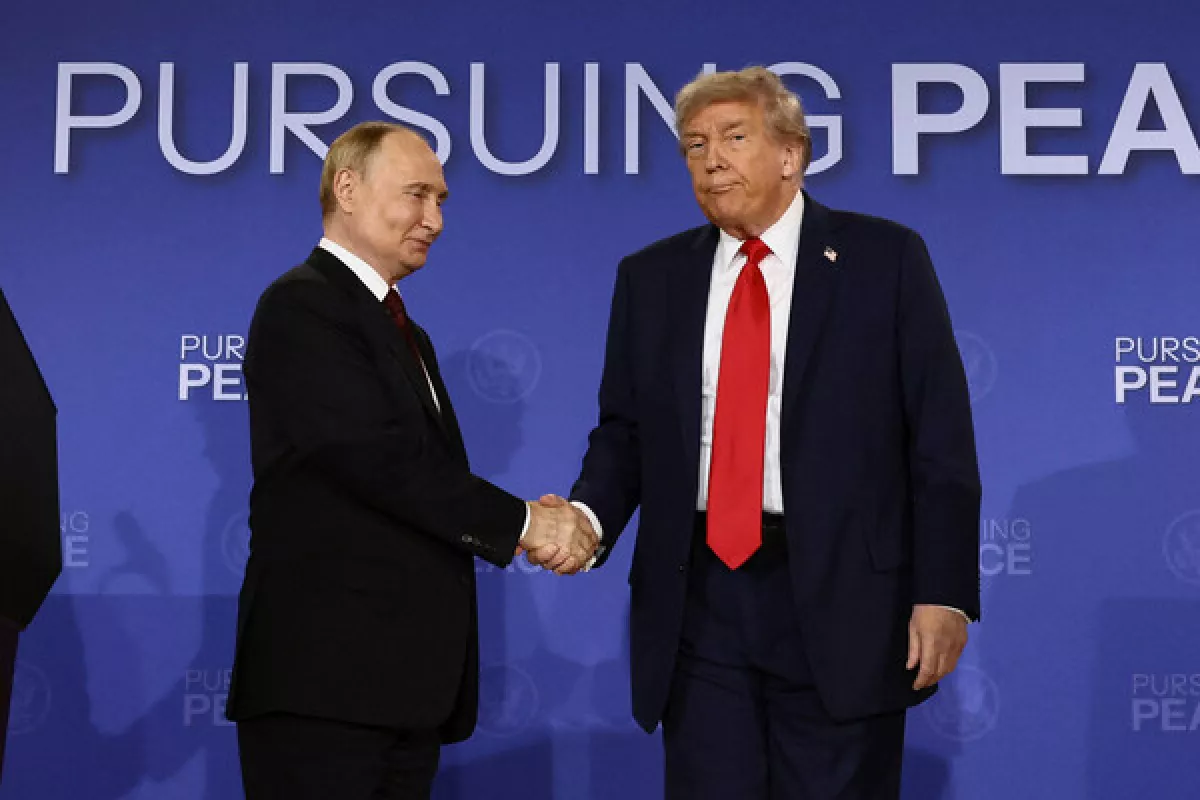
It is worth recalling that since the summer of last year, following the meeting between Putin and Trump in Anchorage, global media outlets have actively circulated precisely such an understanding of the alleged consensus between Moscow and Washington—an interpretation that Kyiv rejected.
Meanwhile, the Kremlin appears to have made a final attempt to test whether the so-called “Anchorage spirit” remains relevant. On the sidelines of the ASEAN Summit in Manila, Russian Foreign Minister Sergey Lavrov met with US Secretary of State Marco Rubio.
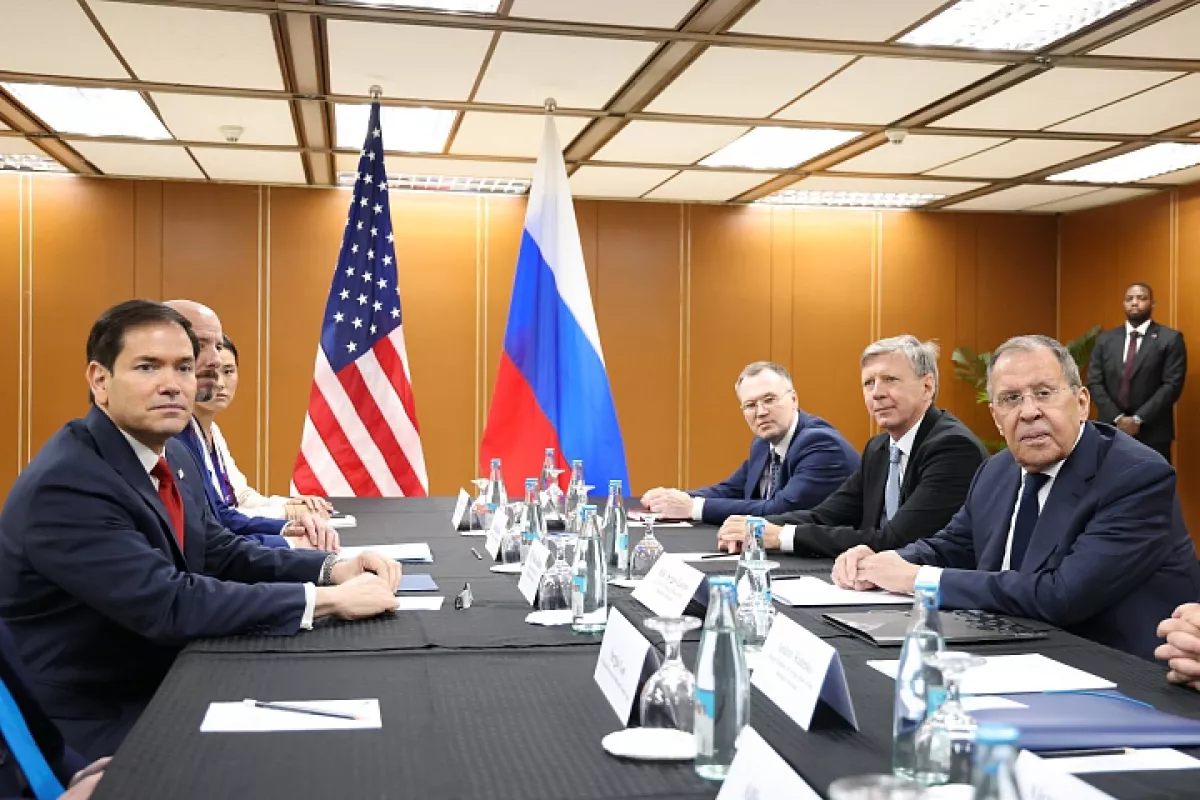
While Lavrov referred to Anchorage as the foundation for a potential settlement, Rubio said after the meeting that previous initiatives had failed because they lacked the necessary agreement from Kyiv.
Previously, Trump and his team, even before the Anchorage meeting, openly attempted to signal to Kyiv that it was not a party to the negotiations and that it should accept Russia’s terms.
Let us recall, for example, the controversial meeting between Trump and Zelenskyy in the Oval Office in February last year, during which Trump insisted that Zelenskyy had “no cards” to play. We should also remember that the White House occupant refused to directly finance arms deliveries to Ukraine. At that point, Ukraine’s European partners quickly realized that if Trump was unwilling to provide weapons for free, then they would have to purchase them from him. This was successfully arranged and continues to this day.
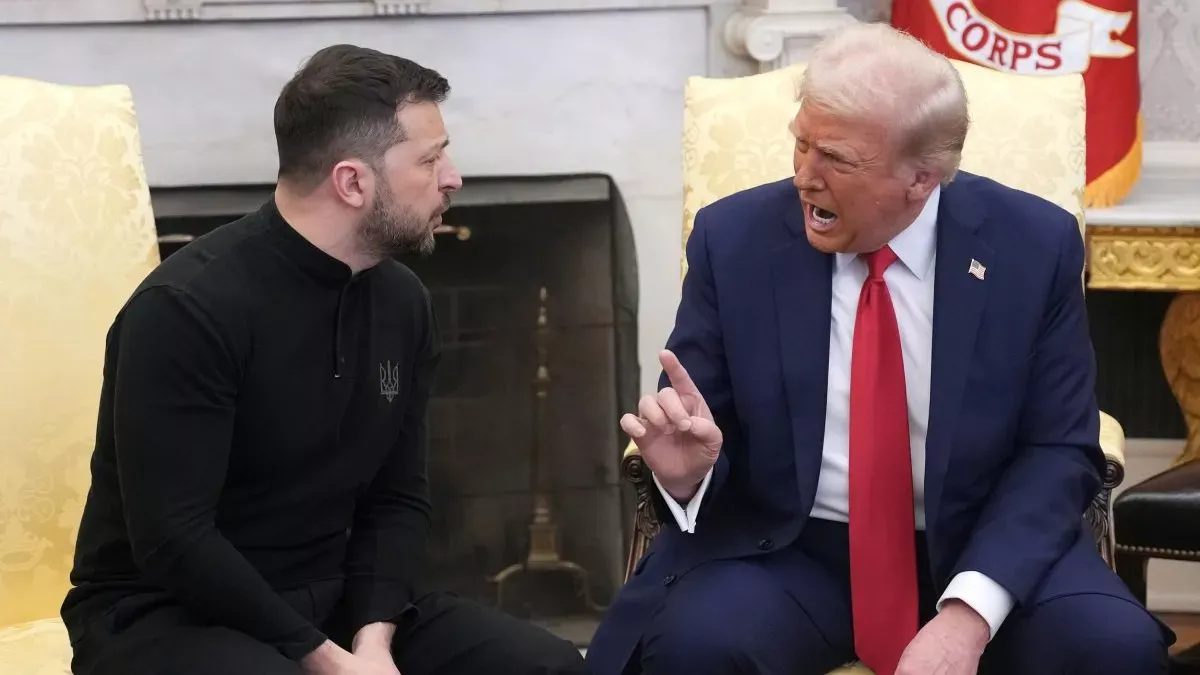
However, despite the fact that the United States has been profiting from this arrangement, Washington’s pressure on Kyiv remained evident throughout the past year.
The Anchorage agreements, even if they did not carry legal force for the parties involved, were clearly quite appealing to Washington. It is enough to recall how Trump repeatedly promoted the idea of a so-called territorial compromise proposed by Moscow, presenting it—as I mentioned earlier—as a unique opportunity for Kyiv.
Now, the White House, represented by Marco Rubio, is publicly distancing itself from any claims of firm agreements between Washington and Moscow. Most likely, such agreements genuinely did not exist. Rather, there was a kind of roadmap under which Washington assumed responsibility for exerting maximum pressure on Kyiv.
And when Rubio says that no agreements were reached, he is unlikely to be distorting the truth. There may have been a certain common understanding, there may have been a US policy based on that understanding, but this approach ultimately failed. This is precisely what Rubio is referring to.
For Moscow, however, it is extremely important to portray the Anchorage understandings as a solid diplomatic framework that would legitimize its control over Donbas.
Whatever the case, Kyiv refused to accept such an arrangement and, with the support of its European partners, is not only putting up fierce resistance on the battlefield but is also actively working to destabilize the situation inside Russia.
As a result, the United States has little choice but to increase pressure on the other side—namely, Russia. After all, it is genuinely important for Washington that the conflict in Europe comes to an end.







 editor@caliber.az
 +994 55 444-88-98
 Азербайджан, Баку, ул. Низами, 203, Af Business House, 5-й этаж