










Uzbek workers in Belarus: who is behind the labour migration controversy — and why? Analysis by Limansky
The first groups of Uzbek workers have already arrived in Belarus, where they will be employed in the agricultural sector. However, their arrival soon became the subject of a real information storm.
Brotherly labour
On July 9, during a meeting between Uzbek President Shavkat Mirziyoyev and Belarusian leader Alexander Lukashenko, the recruitment of Uzbek workers for employment in Belarus was announced.
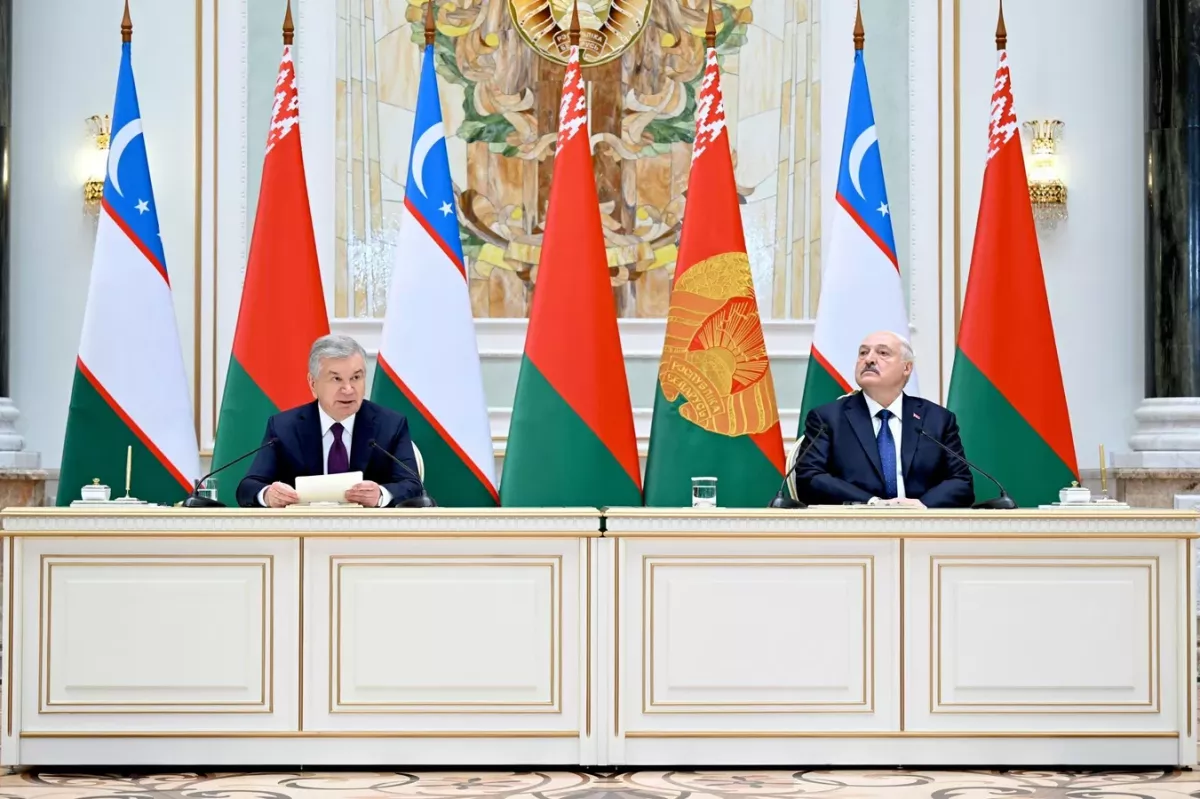
Today, the republic needs manpower, especially in agriculture and construction. Uzbekistan, which has an abundant labour force, agreed to help.
On July 14, issues of practical cooperation with Andijan Region — the most densely populated region of Uzbekistan — were discussed during Alexander Lukashenko’s visit to Vitebsk Region. The hokim (governor) of Andijan Region, Shukhrat Abdurakhmanov, accompanied him during his visit to the Vitebsk area.
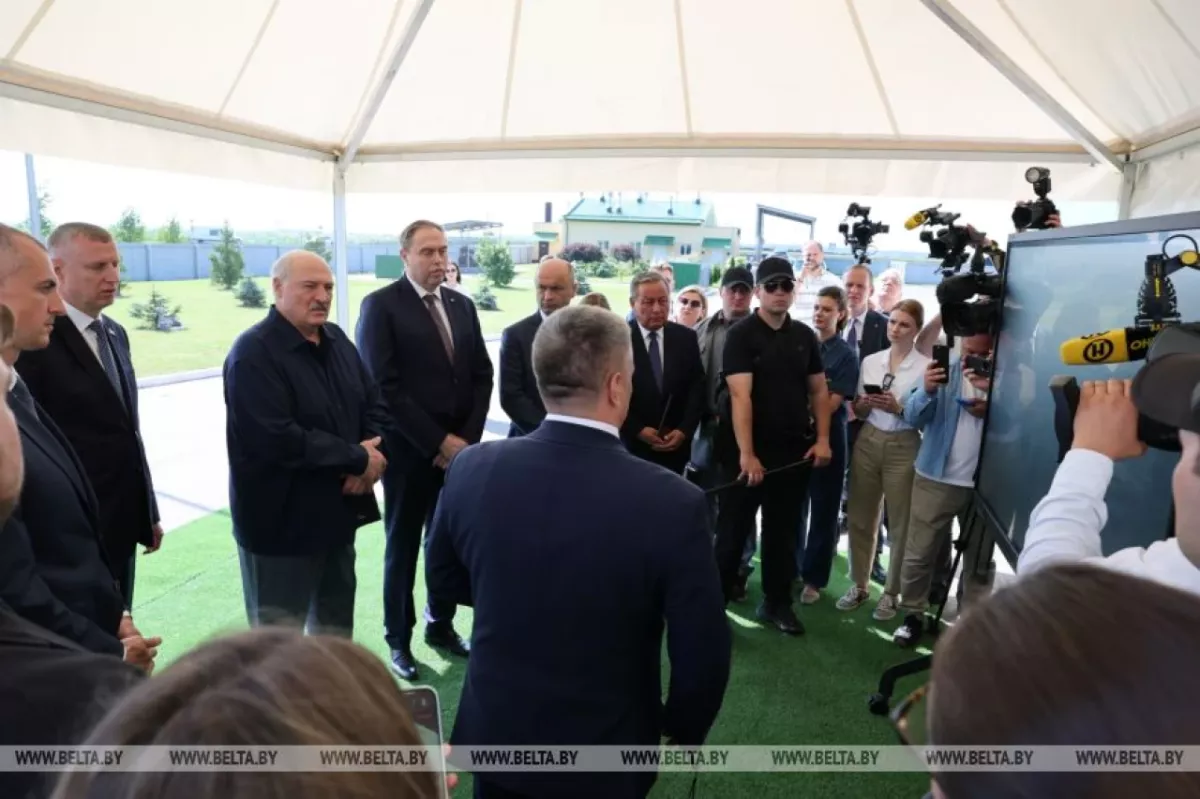
“I promised the president (of Uzbekistan — ed.) that we would do this,” Lukashenko said.
“It is beneficial for us. This way, the Vitebsk Region will develop. You will process milk and meat into the products you need. We also need to build a processing facility. If you consider it necessary, we can build it together. Or you can build your own. That is your choice. The final price — the economic aspect of the issue — will depend on this. We will work together as brothers! You can have no doubts about that.”
The Belarusian president also said that Belarusian villages have housing that is fully suitable for living, and that new housing could be built if necessary. He stressed that there would be no difference between Belarusians and Uzbeks, and that Uzbek children would be able to attend kindergartens and schools on an equal basis with Belarusian children.
“Upon arriving here, they must know that they are not strangers to us. We will take care of all of this. The only thing is that they must work,” the Belarusian Batka (a nickname often used for Lukashenko) said.
Soon after the talks between the two heads of state, the first group of 250 Uzbek workers arrived in Belarus. They were welcomed at the airport as honoured guests — girls in national costumes greeted them with bread and salt, following a traditional Slavic welcome ceremony. The guest workers headed to the Vitebsk Region, where the labour shortage is the most acute.
The head of the “Za Rodinu” agricultural enterprise in the Glubokoye District, where one of the teams of Uzbek workers was sent to modernise old cowsheds and build new ones, explained that the number of cattle is increasing and the farm is expanding. However, until now, it had been unable to find specialists capable of carrying out such work. Today, Belarus has around 150,000 job vacancies.
A failed scandal
However, soon afterwards, a group of Uzbek migrant workers in the Vitebsk Region recorded a video appeal. In it, they complained that instead of the promised salary of $900–1,200, they would receive around $500, while also having to pay for their own accommodation and food. Most labour migrants come specifically to send the money they earn back to their families. However, simple calculations showed that they would hardly be able to do so under these conditions. As a result, the foreign workers asked to be sent home.
And that was when it all began. Various opposition Telegram channels, media outlets from unfriendly countries, and simply “hype-seeking” bloggers picked up the story and began to amplify it.
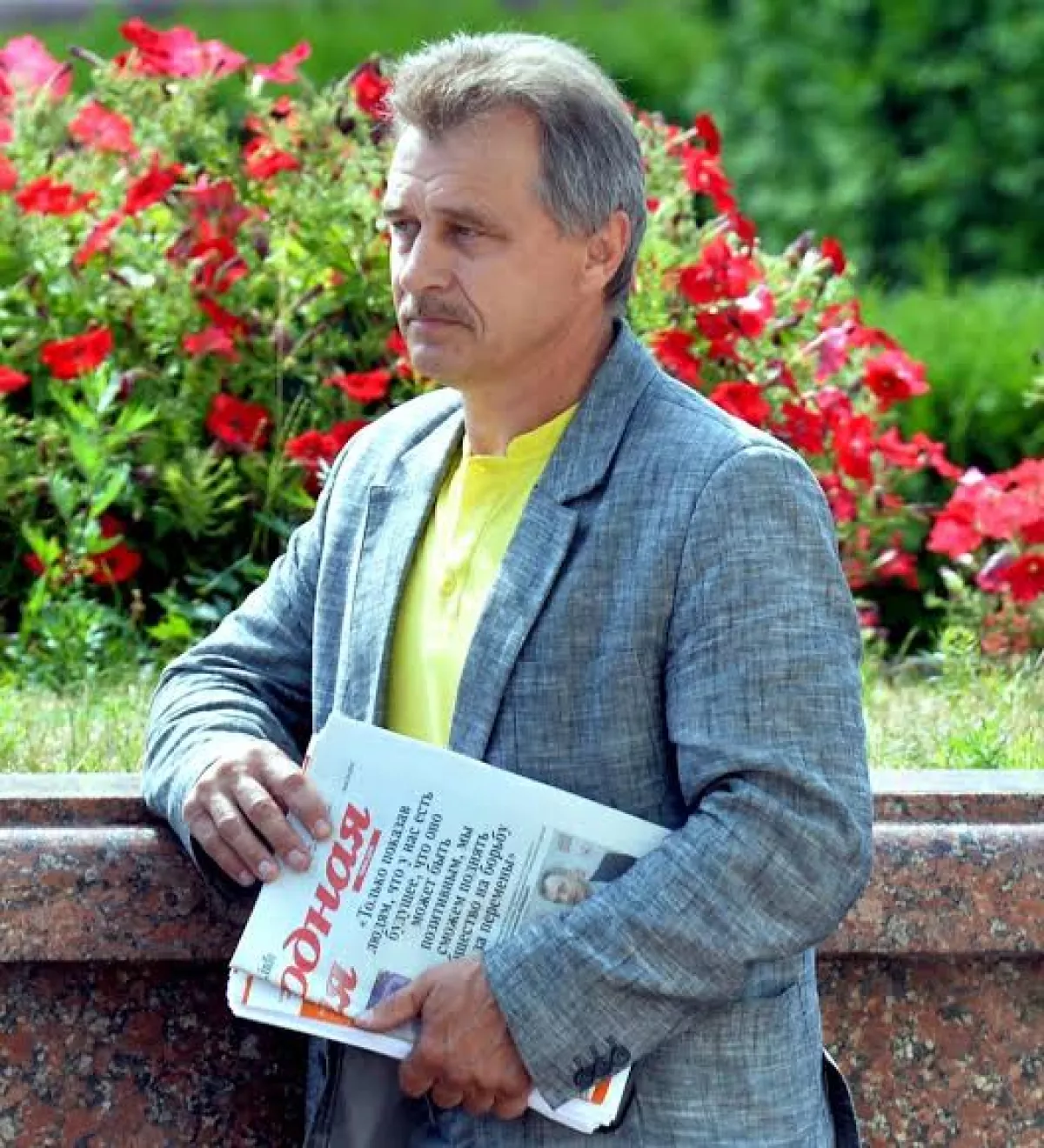
Representatives of the Belarusian opposition based in exile also joined the discussion, in particular Anatoly Lebedko, the former chairman of the United Civic Party. Today, aggressive circles in the West and nationalist opposition forces are using any pretext to try to destabilise the situation in Belarus.
However, government authorities responded promptly, and the Uzbekistan Migration Agency also became involved in resolving the issue. A salary of $900–1,200 had been stipulated in the agreement signed between Minsk and Tashkent.
Following negotiations with the Uzbek workers, their demands were taken into account. The Uzbeks themselves stated that they had recorded the first video exclusively for internal use and that it had reached the internet by accident. They later recorded a second video, in which they said that all their demands had been met and urged their compatriots not to draw hasty conclusions about working abroad.
Incidentally, even such a swift resolution of the issue concerning foreign workers’ wages did not satisfy representatives of the nationalist opposition. The “opposition” began accusing the authorities of allegedly treating Uzbeks better than Belarusians, and so on.
A beneficial acquisition
In a report by Belarusian state television, the foreman of the Uzbek construction team, Bakhtiyar, said that according to their employment contract with the “Za Rodinu” agricultural enterprise, they were promised a monthly salary of 3,100 Belarusian rubles, as well as medical insurance.
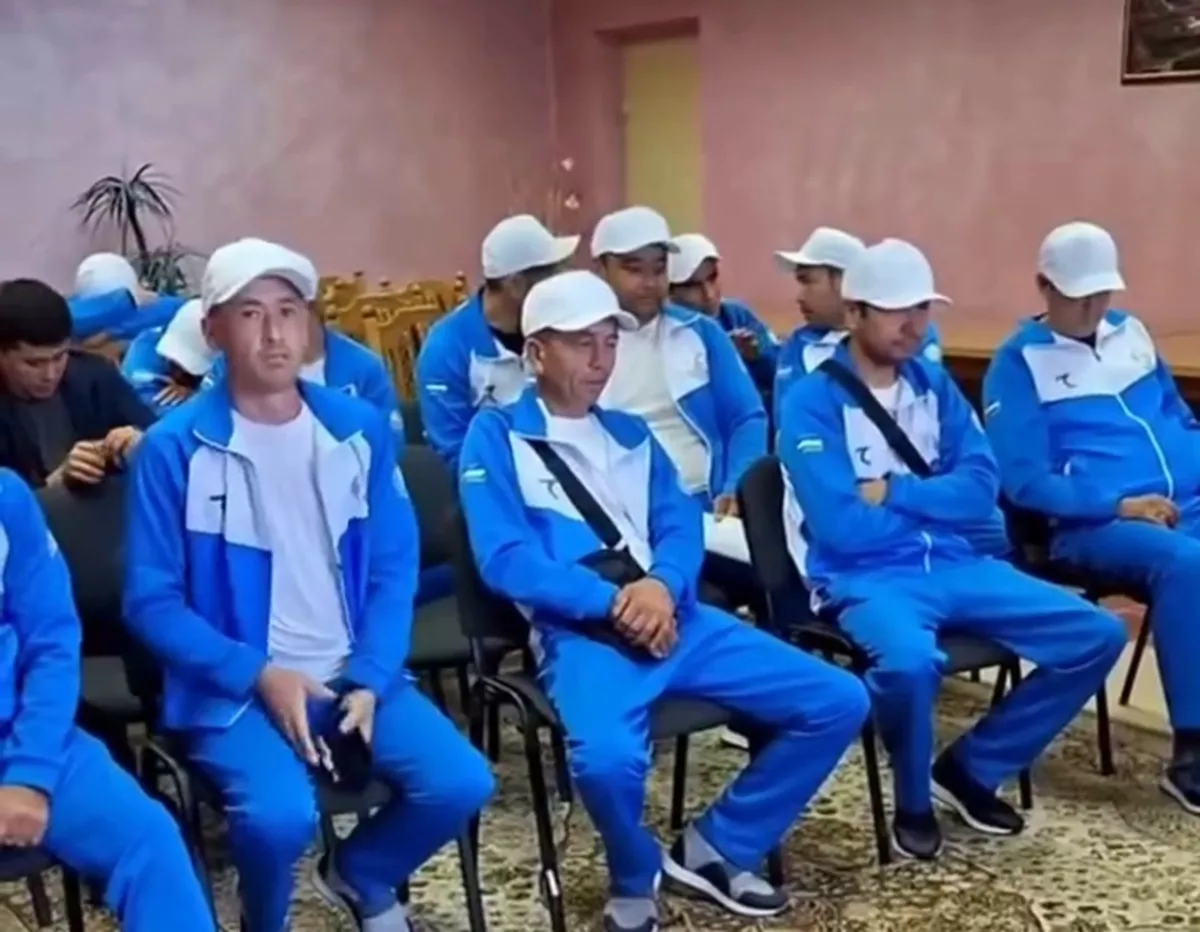
Uzbeks have already begun construction work. They receive three hot meals a day at the employer’s expense, and the employer has also provided them with accommodation. The workers underwent medical examinations, received work clothing, and were registered with local Interior Ministry authorities. The promised salary, when converted, exceeds $1,000, which is a very respectable level for the construction sector in rural areas.
The working and living conditions were personally inspected by the president’s representative for the Vitebsk Region and Chairman of the Council of the Republic of Belarus, Igor Sergeyenko.
First Deputy Head of the Glubokoye District administration Aleksey Abramchik said that those who arrived for work include machine operators, builders, agronomists, cooks, and gas-electric welders. All of them speak Russian, so interpreters are not required. Moreover, Uzbek migrants are already ready to bring their families to Belarus. Incidentally, such an offer had previously been made by Alexander Lukashenko during his meeting with Shavkat Mirziyoyev.
Today, Uzbek citizens are already working in Vitebsk, Novopolotsk, and eight districts of the Vitebsk Region. In total, around 7,000 Uzbek citizens are registered in Belarus. Most of them are students, although some are already employed. After completing their studies, many young Uzbeks also wish to remain in Belarus.
In the near future, Belarus plans to attract up to 5,000 Uzbek workers. Starting from September, they will arrive in groups of 500 people. They are expected to be employed in agriculture, construction, industry, the service sector, housing and utilities, as well as as junior medical staff. The authorities have been tasked with creating all the necessary conditions for this.
At the same time, the number of labour migrants remains relatively small. According to official statistics, around 32,000 foreign workers are employed in the Republic of Belarus.
In addition to employment opportunities, Uzbek citizens are being offered the chance to engage in farming. In particular, in the same Vitebsk Region, they can purchase a farm or lease one. In the case of purchasing a farm, the land is provided for free use (Belarus does not have private ownership of agricultural land). According to Uzbeks, the conditions are highly attractive: a farm that could cost up to $300,000 in Uzbekistan can be purchased in Belarus for around $60,000.
For each head of cattle, the state allocates two hectares of land. During the first three years, there is no need to pay land tax. Leasing a farm for 280 head of cattle costs approximately $500. Uzbek citizens, joining together in small groups, have already begun purchasing farms in the Vitebsk Region.
Belarus — a peace-loving country
On July 16, Interior Minister Ivan Kubrakov stated: “Belarus is a peace-loving country, and we are always happy to welcome everyone. Every year, more and more foreign citizens come to our country both for leisure purposes and for employment.”
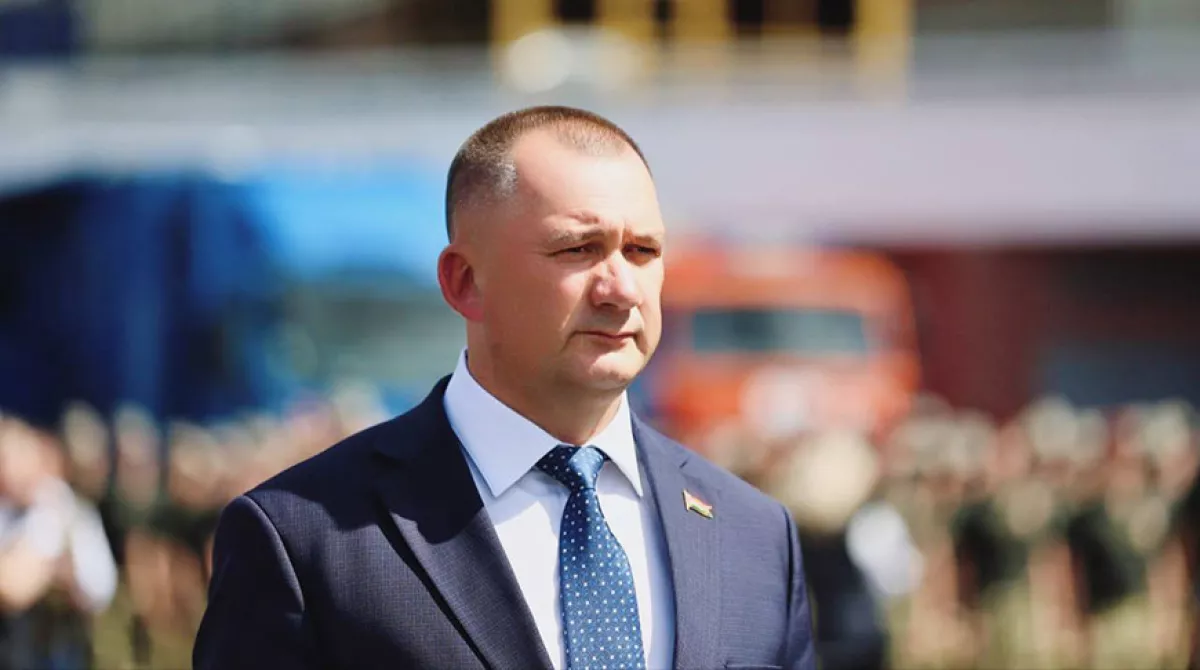
When registering foreign citizens, police officers conduct interviews with each newcomer, explaining the specifics of Belarusian legislation and life in the country. According to the minister, the police have now been tasked with monitoring not only security issues but also compliance with labour discipline — not only by foreign workers, but also by enterprises and organisations, especially those in rural areas.
Under current legislation, employers are also responsible for foreign workers if they are not citizens of Eurasian Economic Union (EAEU) member states. These responsibilities include visiting migrants at their place of residence to check their living conditions and ensure there are no violations, as well as mandatory testing of migrants’ knowledge of the Russian or Belarusian language.
In Belarus, unlike in some other countries, all nationalities are treated with respect, while any manifestations of nationalism and xenophobia are firmly suppressed. At the same time, guests of the country are expected to strictly comply with the law. Belarusian order and stability do not exist on their own — they are consistently maintained by the state.
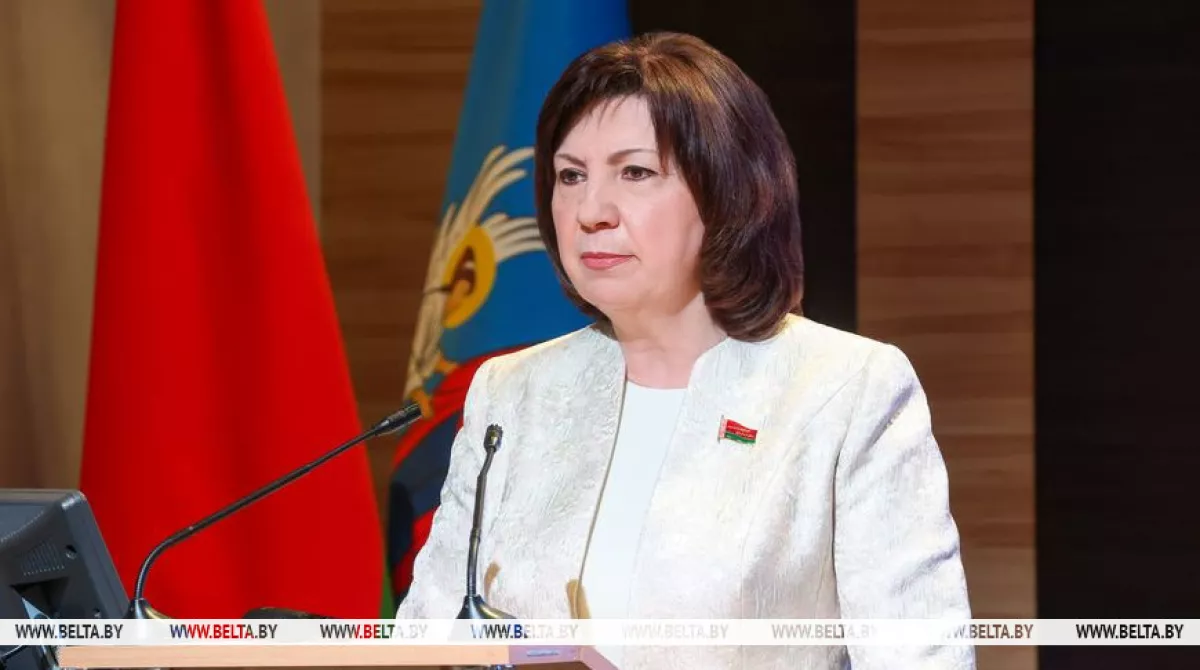
On July 17, Chairwoman of the Council of the Republic Natalya Kochanova visited the “Biomekhzavod” enterprise in Novopolotsk, where Uzbek citizens are already employed. The speaker of the upper chamber of the Belarusian parliament noted: “Mentally, we are very similar. They are hardworking people. We are friends with this country.” Natalya Kochanova also expressed confidence that Uzbeks would get to know Belarus better and would certainly grow to love it.
In the following days, speaking to officials at various levels, the Belarusian president repeatedly returned to the issue of Uzbek workers. He once again stressed that their arrival in Belarus was aimed not only at earning income but also at developing production and supplying meat and milk to Uzbekistan. At the same time, Alexander Lukashenko noted that he was not forcing anyone in local administrations to accept Uzbek workers if there was no need for them.
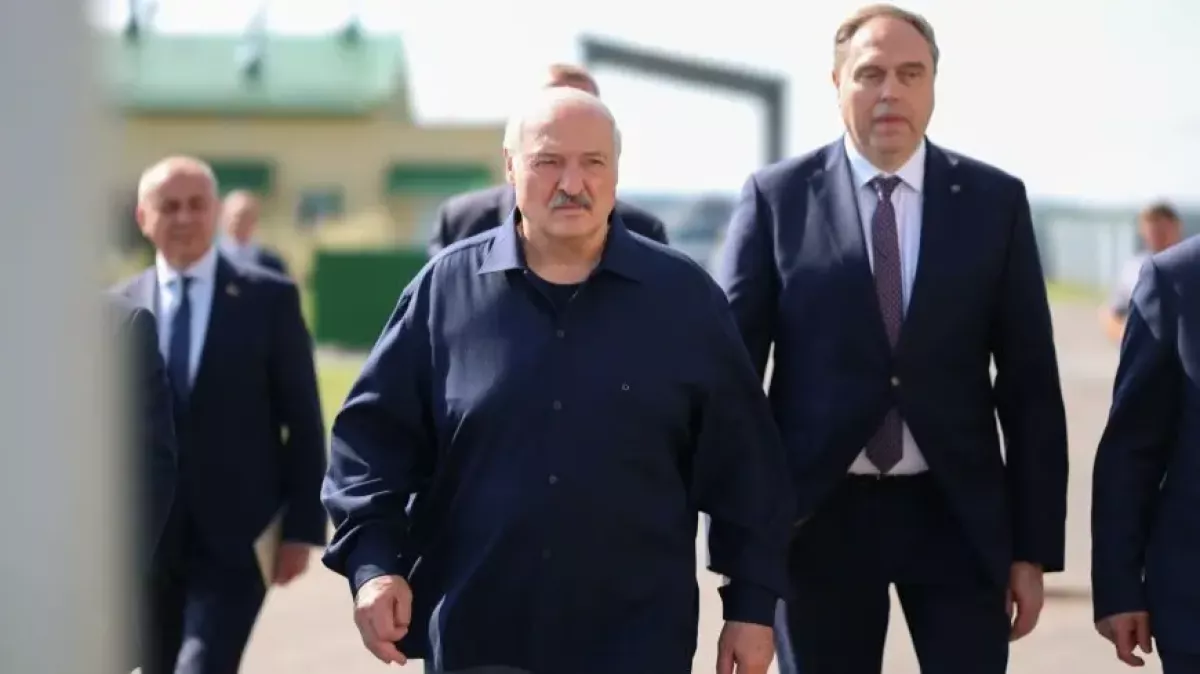
On July 24, the head of state said: “I have just spoken with the newly appointed ministers. There has been a whole storm over this issue: ‘Oh, they are bringing in Uzbeks!’ I say: then don’t — we will not bring anyone in. But in that case, you have to work harder yourselves. Yet I can see that there are problems in the Vitebsk Region, as well as in every other region. If there is a shortage of workers there, choose those who are genuinely needed.”
The president also noted that, if necessary, arriving workers should be provided with training. In addition, he pointed out that the Uzbek side is investing funds in the construction of livestock complexes and other projects.
On the same day, during a telephone conversation with Uzbek President Shavkat Mirziyoyev to congratulate him on his birthday, Alexander Lukashenko reaffirmed the importance of implementing the recently adopted Roadmap for Cooperation for 2026–2030 and achieving all the goals set out in it. In particular, this concerns reaching a bilateral trade turnover of $2 billion between Belarus and Uzbekistan.







 editor@caliber.az
 +994 55 444-88-98
 Азербайджан, Баку, ул. Низами, 203, Af Business House, 5-й этаж