










Armenia between the EU and the EAEU: Belarus demands clarity Analysis by Limansky
At the summit in Astana, the President of Belarus commented on the possible withdrawal of Armenia from the EAEU and called for a review of many approaches to the functioning of this economic bloc.
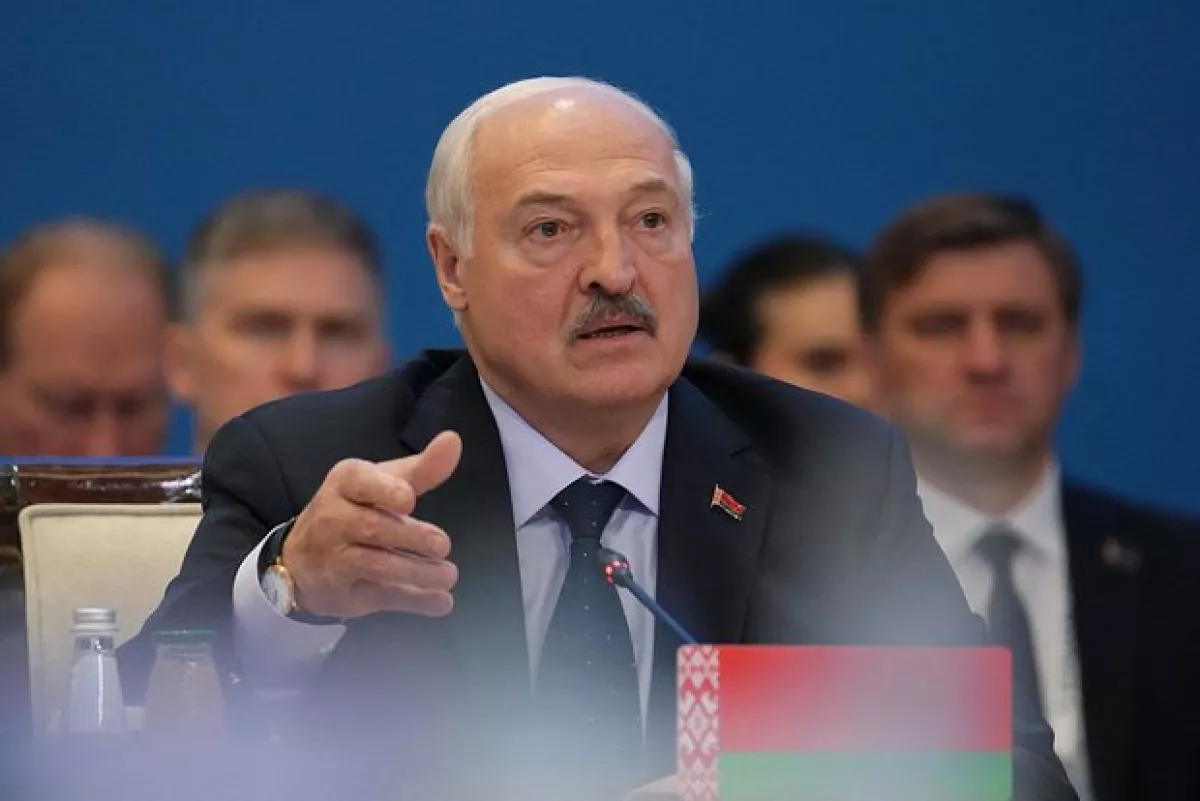
The meeting of the heads of state of the EAEU in the capital of Kazakhstan was not just a routine event — the summit unexpectedly came alive with an active discussion. The initiator of the intensive debate on long-standing issues was Alexander Lukashenko.
Armenia and the EAEU — a question put bluntly
On May 28–29, the capital of Kazakhstan hosted the 5th Eurasian Economic Forum and a meeting of the Supreme Eurasian Economic Council with the participation of heads of state.
One of the key issues discussed at this year’s EAEU summit was the situation surrounding Armenia. The Prime Minister of Armenia, Nikol Pashinyan, did not attend the Astana meeting, citing being busy due to elections.
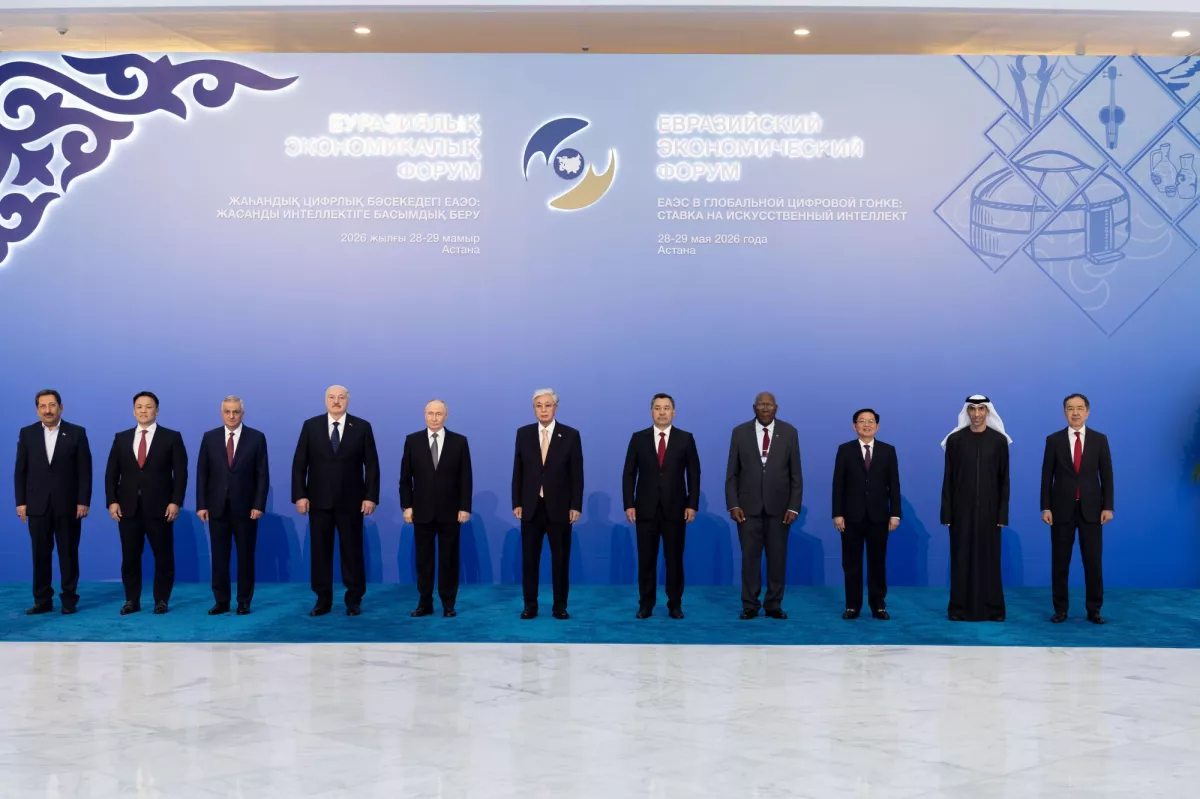
The presidents of Belarus, Kazakhstan, Kyrgyzstan, and Russia discussed this issue at a closed-door meeting and adopted a corresponding statement. It said that Armenia’s position poses risks and threats to the economic security of the other member states of the Union.
The simultaneous presence of Yerevan in both the EAEU customs space and the EU could cause enormous economic damage. In this regard, the statement refers to the possibility of suspending Armenia’s membership in the Eurasian Economic Union, as well as the need to hold a relevant referendum in the shortest possible time.
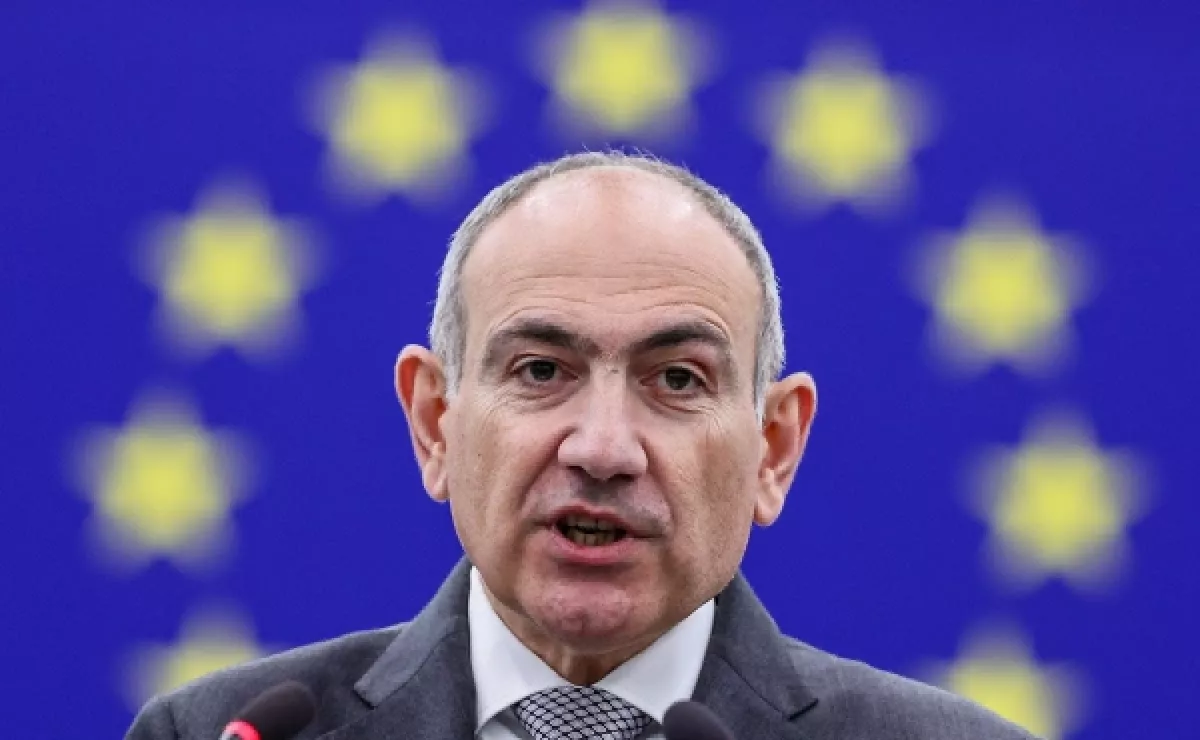
The Prime Minister of Armenia stated that he does not currently intend to hold a referendum on this issue. He also noted that Armenia will, in practice, continue its path toward EU membership, while remaining in the EAEU “as long as it is possible,” and will then make its choice. In the same interview, Pashinyan made sharp remarks about Lukashenko, who has long criticised his dual position.
Responding to questions from Russian journalists, Belarusian President Alexander Lukashenko said that he respects the choice of the Armenian people, but stressed that everyone in the country must clearly understand what they gain and what they lose.
Lukashenko also commented on recent statements from Yerevan, noting: “And then the pipelines will pass through us, and they will pay us in gas. Listen, both gas and money will be abundant. When will this happen? That is still an open question. And secondly, people don’t go into the details. Where will the pipelines come from, and which ones will be built? Today, Russia sells natural gas to Armenia, I may be mistaken, at $150–160 per thousand cubic meters. And in the European Union, natural gas costs $550–650 per thousand cubic meters. What kind of benefit is that, if we talk about money?”
Lukashenko linked such statements to election campaigning, but described the current position of Armenia’s leadership as a “humiliation of the Eurasian Economic Union.”
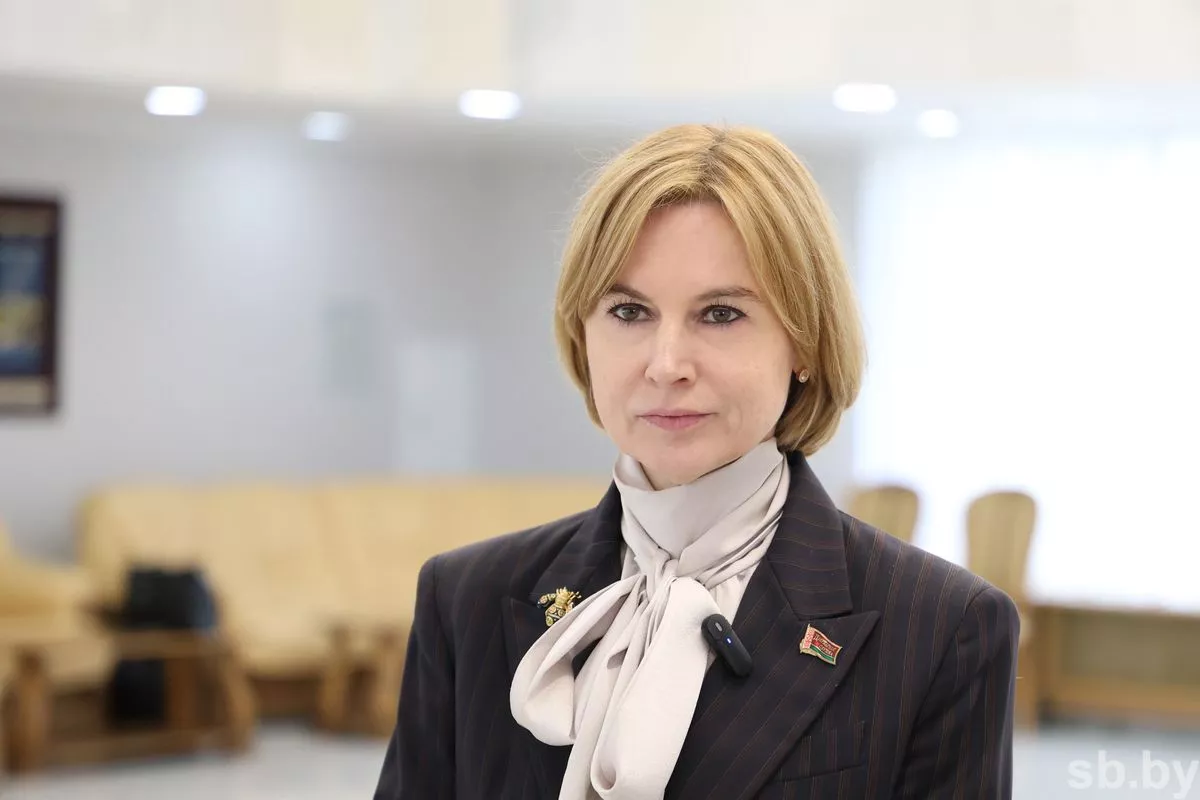
Deputy Chair of the Council of Ministers of Belarus, Natalia Petkevich, explained the content of the discussions on Armenia at the Astana summit as follows: “The issue of Armenia was discussed: how to properly build relations in the event of the adoption of, presumably, not entirely the right decision for the Armenian people (regarding withdrawal from the EAEU — ed.).”
Relations between Minsk and Yerevan are currently at perhaps their lowest level in modern history.
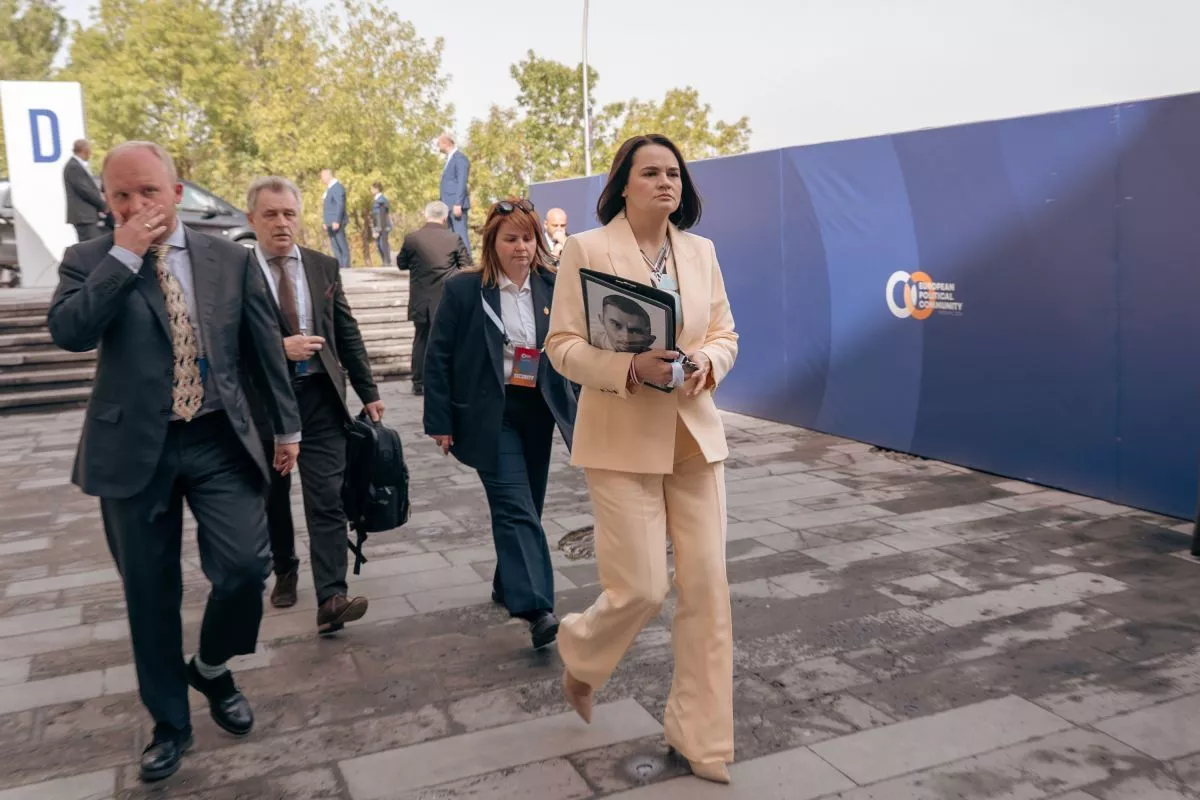
On May 4–6, the “leader” of the Belarusian opposition, Sviatlana Tsikhanouskaya, visited Armenia. Despite the fact that a criminal case has been opened against Tsikhanouskaya in Belarus and the Belarusian side had submitted a request to Armenia in accordance with intergovernmental agreements on her search, the opposition “leader” was received in Yerevan at an official level.
On the Armenian side, accusations against Belarus are also frequently voiced due to its friendly relations with Azerbaijan.
The Union must benefit the people
In Astana, the President of Belarus unexpectedly raised, among other things, the issue of the conditions of participation in the EAEU both as an observer and as a full member. According to the Belarusian side, membership in the Eurasian community should not be a mere formality. All consequences of accession for other members of the Union must be carefully assessed, and participation itself should deliver tangible results rather than serve as a “status for the sake of status.”
Natalia Petkevich also commented on this, saying: “Both the situation with Armenia and the situation with Moldova show that we need new leverage to ensure the Union functions fully. The Head of State raised these issues sharply, and his colleagues supported him.”
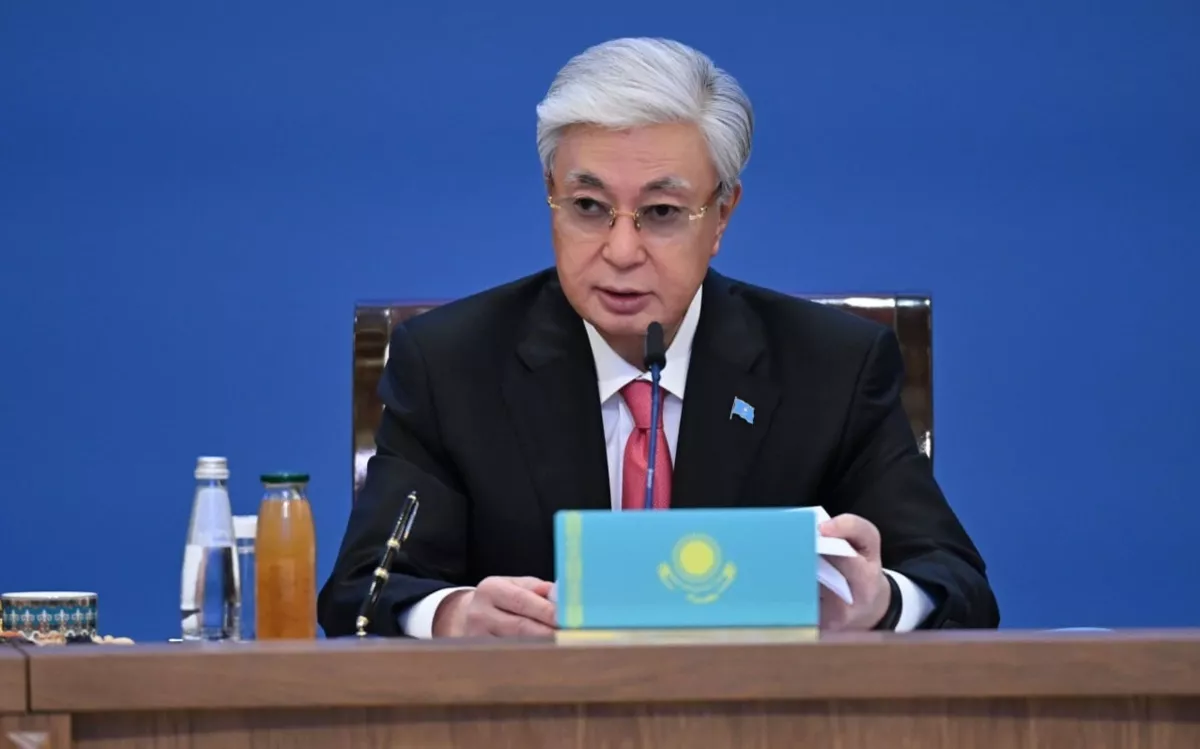
Thus, Kazakhstan President Kassym-Jomart Tokayev supported Lukashenko’s proposal for a more selective approach to membership in the EAEU at the meeting.
Alexander Lukashenko also spoke extensively about the work of the Eurasian Development Bank, which, although a commercial institution, should primarily serve the goal of strengthening integration within the Union.
While generally supporting the development of high technologies and artificial intelligence, the Belarusian leader noted that digitalisation should not become a new obstacle to economic cooperation within the EAEU.
For example, it remains unclear how the goods verification system (SPOT), introduced by Russia on June 1, will operate. Could it lead to excessive bureaucratic hurdles in mutual trade?
Lukashenko also proposed removing all barriers in industrial cooperation within the Union. In particular, he addressed challenges in the automotive industry: “At the dawn of the Union’s creation, there was talk of jointly attracting investment into the development of a component base. And what has happened now? Everyone has closed themselves off so tightly that even a mouse cannot get through. Utilisation fees will soon exceed the cost of the vehicles themselves. I am talking about our Union! Why are we doing this, what kind of union can we talk about?”
It looks like the “honeymoon period” in the EAEU, as Belarusian journalists have called it, is indeed coming to an end. The President of Belarus was the first to raise the issue that many aspects of the Union’s work need to be changed.
In conclusion, the Belarusian leader said: “People will judge the performance of the EAEU not by the number of treaties and regulatory acts, but solely by whether they bring real benefits, whether the Union meets the expectations of citizens and businesses.”
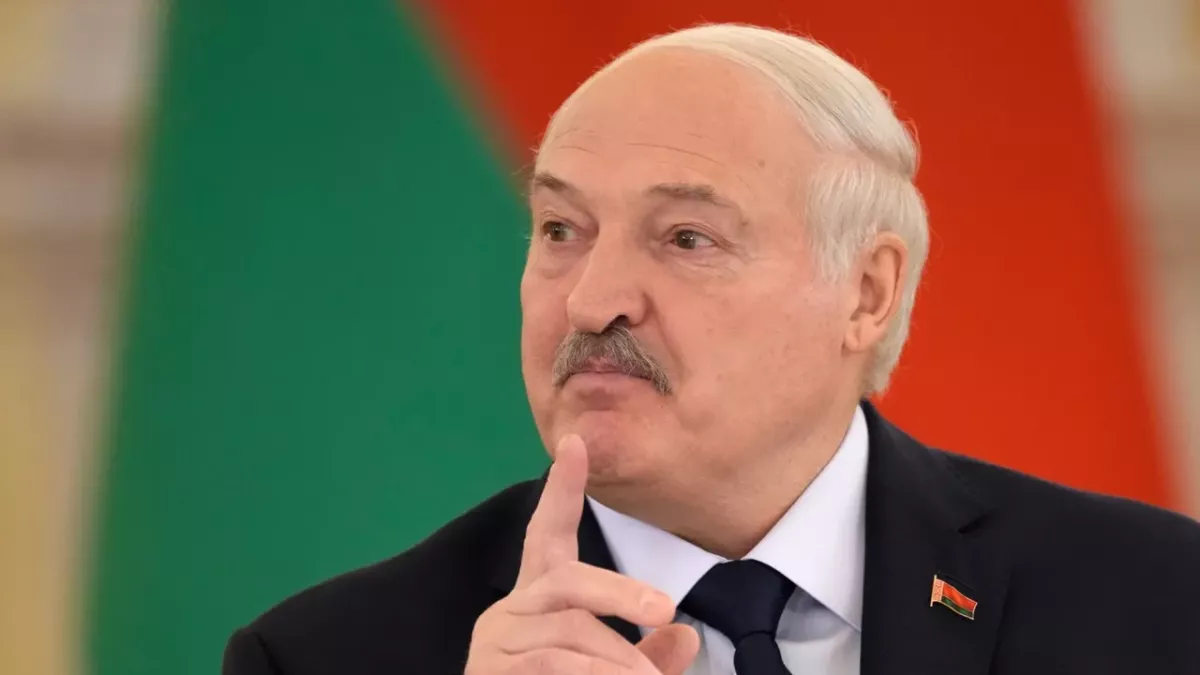
He also noted that in the near future, the EAEU must make a decisive step forward so that none of its members “think that it will be better somewhere else.” Otherwise, the attractiveness of the Union will rapidly decline.
Armenia’s position has, in essence, created the most serious crisis within the Eurasian Economic Union since its establishment. Belarus’s approach in this situation is to respect Armenia’s choice and sovereignty while seeking solutions that do not harm the interests of other EAEU countries and their citizens.







 editor@caliber.az
 +994 55 444-88-98
 Азербайджан, Баку, ул. Низами, 203, Af Business House, 5-й этаж