










Latin American front: US steps up pressure on Nicaragua and Cuba Article by Matanat Nasibova
Recently, speculation has been actively circulating among international expert circles that Nicaragua, like Cuba, may face serious energy problems, a narrative fueled by statements made by United States officials regarding Managua. Most recently, a statement by U.S. Permanent Representative to the United Nations Mike Waltz during a hearing before the House Foreign Affairs Committee followed the same line.
Emphasising that Nicaragua could face a large-scale energy crisis similar to the situation in Cuba, the United States Permanent Representative to the United Nations stated that such a scenario could be triggered by disruptions in energy supplies from Russia and Venezuela. At the same time, he rejected claims that Cuba is subject to a trade and economic blockade, arguing that a blockade could only be described as "U.S. Navy warships" surrounding the Island of Freedom.
Against the backdrop of these highly telling messages from Washington, a perfectly legitimate question arises: "Why have the United States turned their attention to this Latin American country, and what specific consequences could such close scrutiny entail?" To answer this question comprehensively, it is first necessary to clarify Nicaragua's place in the international political and economic system, as well as the domestic political climate in the country.
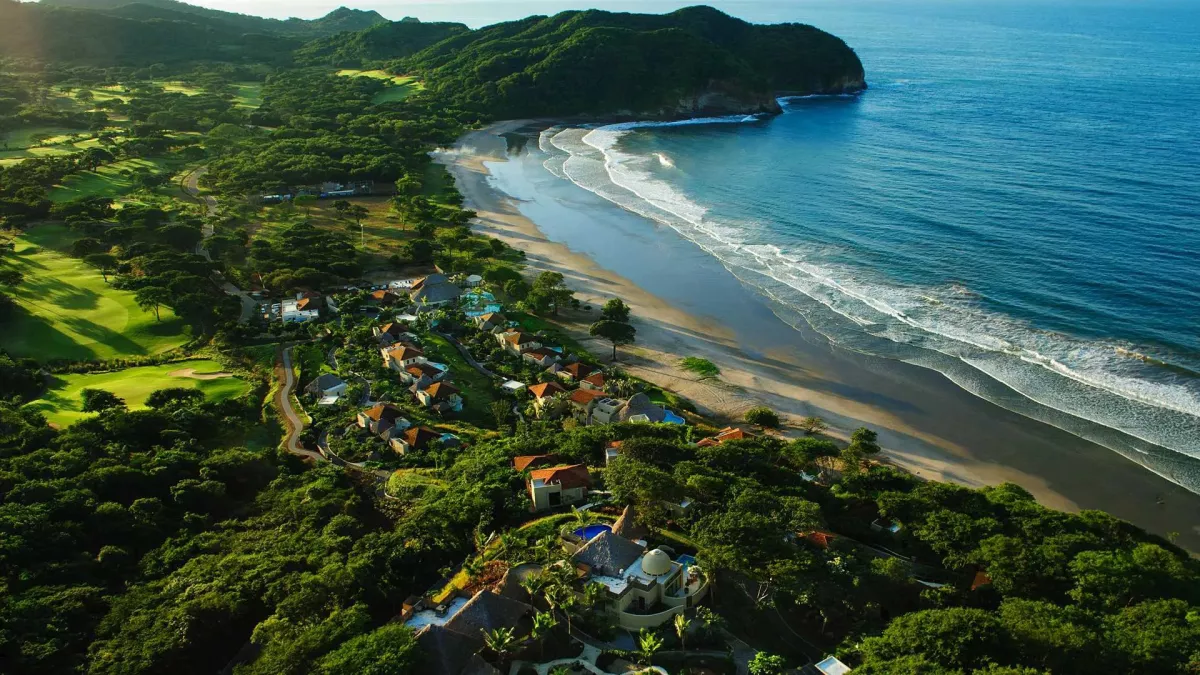
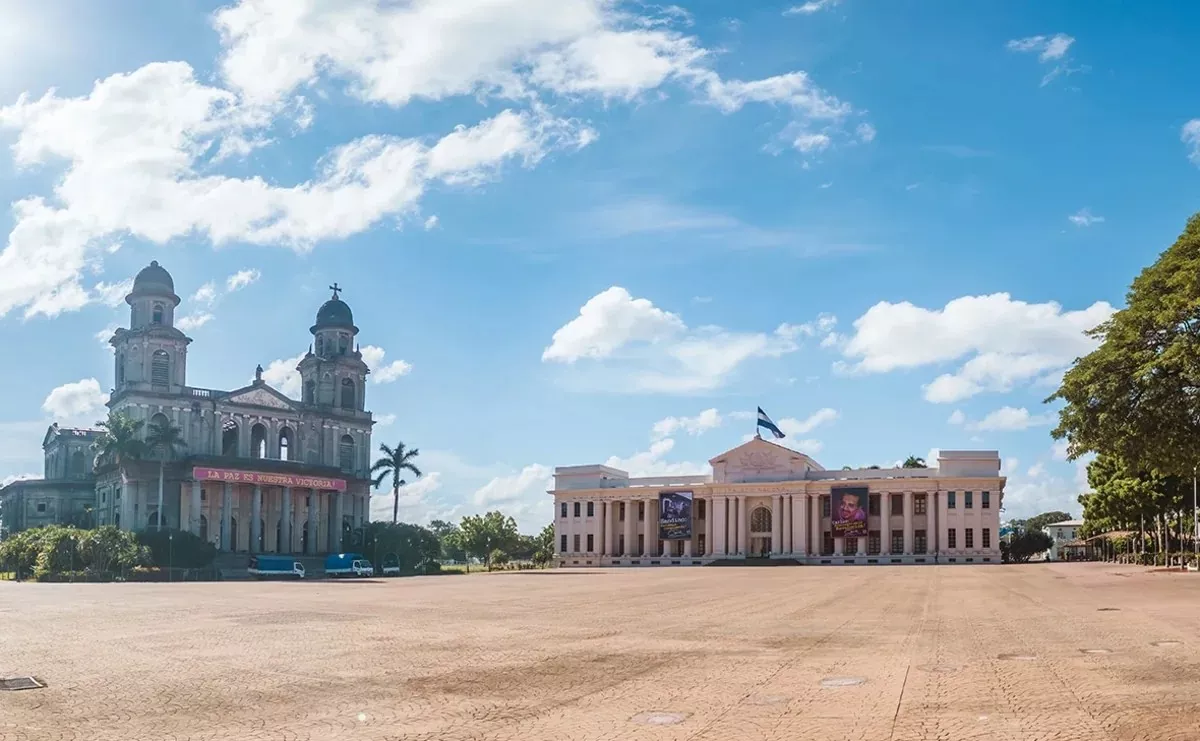
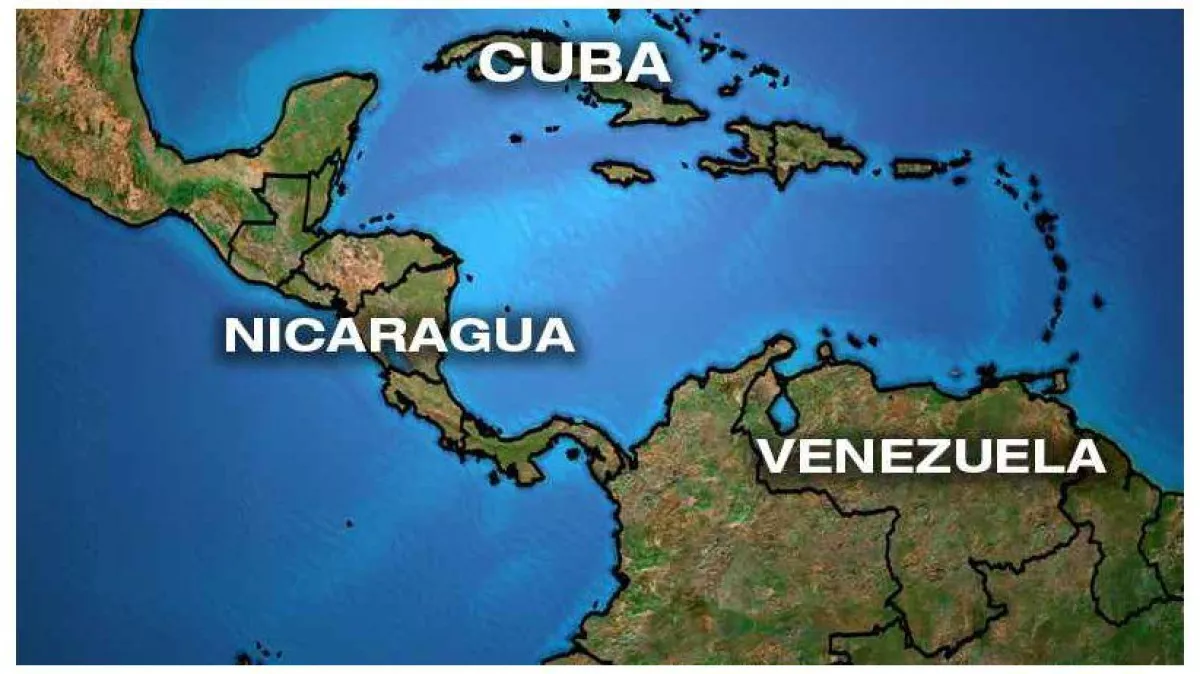
So, Nicaragua is the largest country by area in Central America, located between Honduras to the north and Costa Rica to the south, bordered by the Pacific Ocean and the Caribbean Sea, and widely known for its unique natural environment and abundant mineral resources. Unfortunately, it has gained a reputation worldwide as "a beggar sitting on a sack of gold," despite the fact that the International Monetary Fund assesses its current macroeconomic situation as relatively stable, and experts consider it to be stable.
This state of affairs is primarily due to the fact that, because of U.S. and European sanctions, major corporations are reluctant to invest in the extraction of Nicaragua's mineral resources or in infrastructure development. As a result, these resources remain untapped underground, while investments in the modernisation of power grids, roads, and industrial facilities fail to materialise.
The situation is further aggravated by U.S. efforts to block Nicaragua's financial flows, leading to rising hidden unemployment. At present, the only thing preventing the country's economy from immediate bankruptcy is the U.S. dollars that Nicaraguan migrants in the United States send to their families back home. However, the immigration policy that Washington has been actively pursuing in recent years is also putting this source of income for ordinary Nicaraguans at risk.
As for the system of government, the parallel Washington draws between Managua and Havana has a certain basis: in both countries, left-wing regimes are in power—in Cuba, the communists; in Nicaragua, the Sandinistas, represented by the Sandinista National Liberation Front (FSLN), whom the U.S. administration accuses of suppressing freedom of speech and violating human rights and democratic principles.
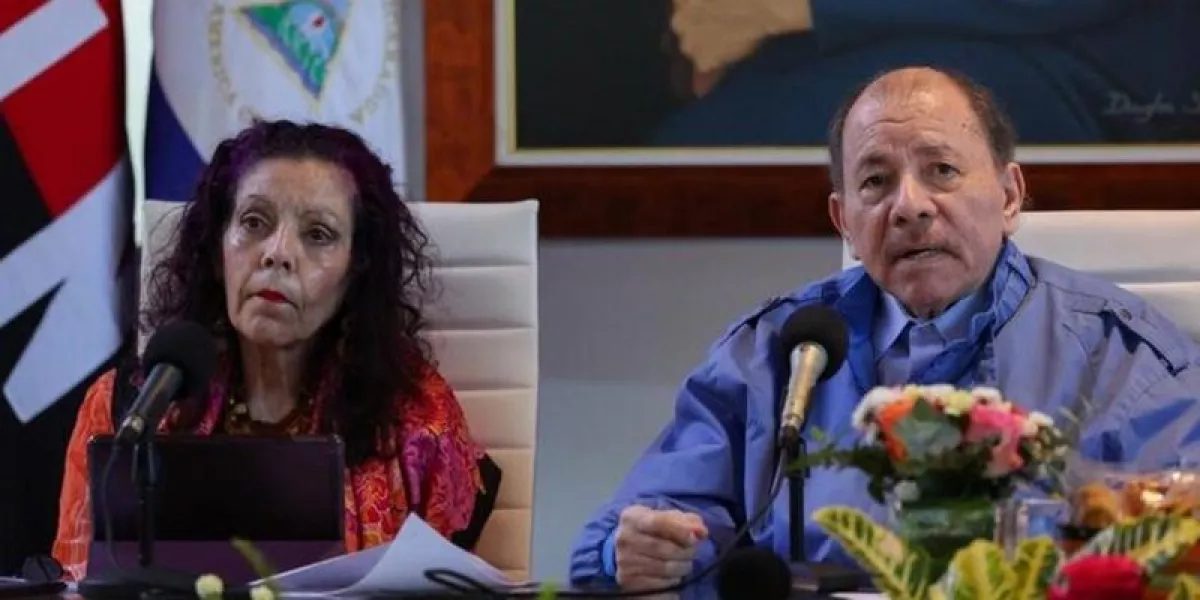
The situation is further complicated by the fact that virtually all state power in Nicaragua is concentrated in the hands of President Daniel Ortega and his wife, Rosario Murillo. Moreover, under the constitutional reforms of recent years, Murillo has been granted the official status of "co-president," and in July 2026, Ortega announced the abolition of elections in the country, effectively cementing the FSLN's monopoly on power.
Moreover, both Havana and Managua are members of left-wing regional organisations such as ALBA (the Bolivarian Alliance for the Peoples of Our America)—an international political and economic organisation of Latin American and Caribbean countries established in 2004 at the initiative of Venezuela and Cuba as a counterweight to U.S. influence. The organisation was also conceived as an alternative to the U.S.-backed Free Trade Area of the Americas project, with the aim of reducing the economic and political dependence of member states on Washington. That is the first point.
Secondly, both Cuba and Nicaragua actively cooperate with countries that the United States inherently regards as its geopolitical rivals—Russia, China, and Iran. This partnership encompasses economic, political, and military cooperation. In light of this, it is hardly surprising that, within the framework of U.S. strategy, these two countries have been assigned the status of "sources of instability in the Western Hemisphere and conduits of hostile influence near America's borders" in terms of regional security.
As for the energy card that Washington is currently emphasising, the following point must be highlighted above all: the issue of energy security in Latin America is of not only economic but also geostrategic importance to the United States. Washington is taking every possible step to push even the smallest competitors out of this sphere, including through a policy of intense pressure and the projection of power toward countries such as Nicaragua and Cuba, with the aim of gaining control over their strategic resources.
One of the most illustrative examples of this is the U.S. operation "Absolute Resolve," which ended with the detention of Nicolás Maduro and was followed by the restructuring of the country's political and energy systems under Washington's control.
If U.S. policy is considered specifically in relation to Nicaragua, it is currently characterised by a considerable degree of toughness. Although U.S. sanctions are not yet directed specifically at the country's energy sector, economic analysts believe that their inevitable tightening in the future could have severe consequences both for Nicaragua's energy security and for the country as a whole, given its total dependence on energy imports.
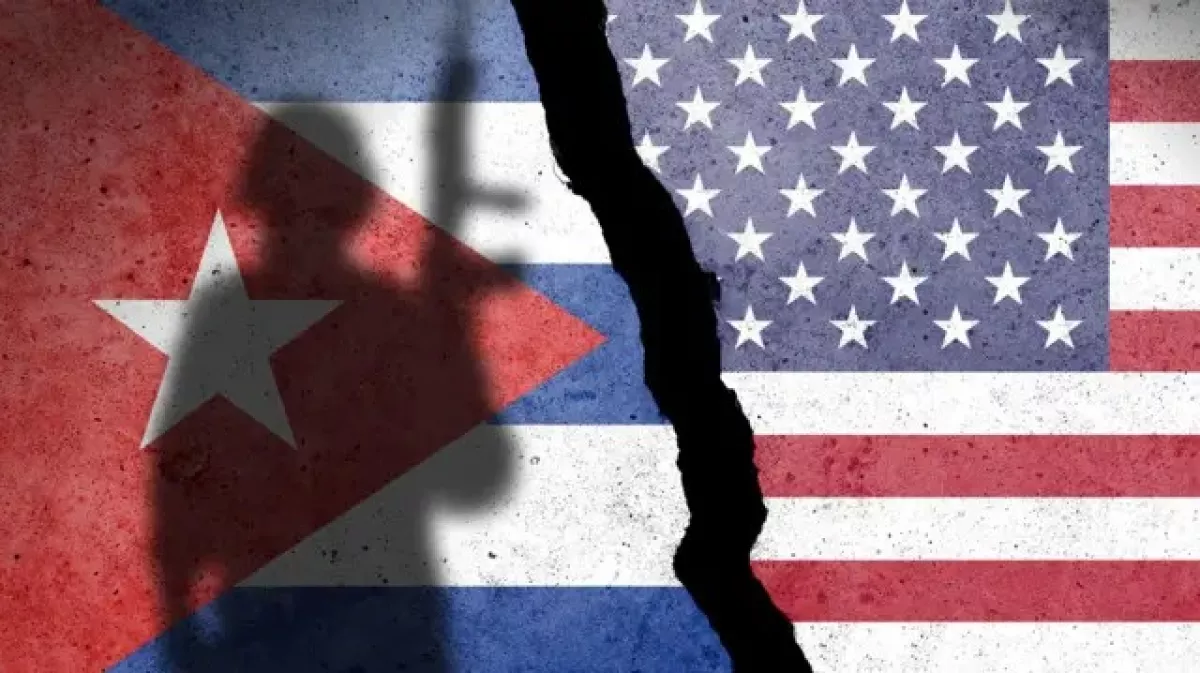
The situation is even worse for Cuba. The United States has consistently imposed an embargo, blocked oil supplies, and enforced sanctions against the Island of Freedom. As a result, the Cuban government has publicly characterised Washington's actions as an existential threat to the country's sovereignty. This characterisation is rooted in substantial historical precedent, particularly in the Platt Amendment, which played a significant role in shaping relations between the two countries.
Adopted in 1901 and formally repealed in 1934, the amendment effectively institutionalised the young Cuban state's dependence on Washington by granting the United States the right to intervene in Cuban affairs and establish U.S. naval bases on the island, while also prohibiting Havana from leasing its territory to any foreign state.
Furthermore, under its provisions, the United States obtained a lease on part of the island for the construction of the Guantánamo Bay naval base, which continues to play an important role in U.S. foreign policy to this day. The Cuban authorities also continue to recall 1961, when the Bay of Pigs invasion—an operation organised by the United States with the participation of Cuban exiles—was launched in April with the aim of overthrowing Fidel Castro's government.
Thus, it can be argued that relations along the Washington–Havana and Washington–Managua axes have approached a dangerous threshold of direct confrontation, one that the United States is currently restrained from crossing because of the conflict in the Middle East.
As is well known, the U.S.–Iran confrontation has become a highly costly undertaking for the White House: the United States has already spent nearly $37.5 billion, a figure that Secretary of Defence Pete Hegseth confirmed on the eve of his appearance before the Senate Appropriations Committee.
At the same time, it would be imprudent to conclude that Washington will abandon its plans regarding Nicaragua and Cuba. Rather, it is more likely that these plans will be implemented after the conclusion of the Middle Eastern campaign, although, judging by the course of events in the region, this is clearly unlikely to happen in the medium term.







 editor@caliber.az
 +994 55 444-88-98
 Азербайджан, Баку, ул. Низами, 203, Af Business House, 5-й этаж