










Systemic divide Russia and the West on opposite sides of the barricades
European diplomacy is once again demonstrating a striking combination of activity and futility. This conclusion is clearly illustrated by reports that Germany, France, and the United Kingdom are discussing the possibility of launching a new negotiation process between Ukraine and Russia.
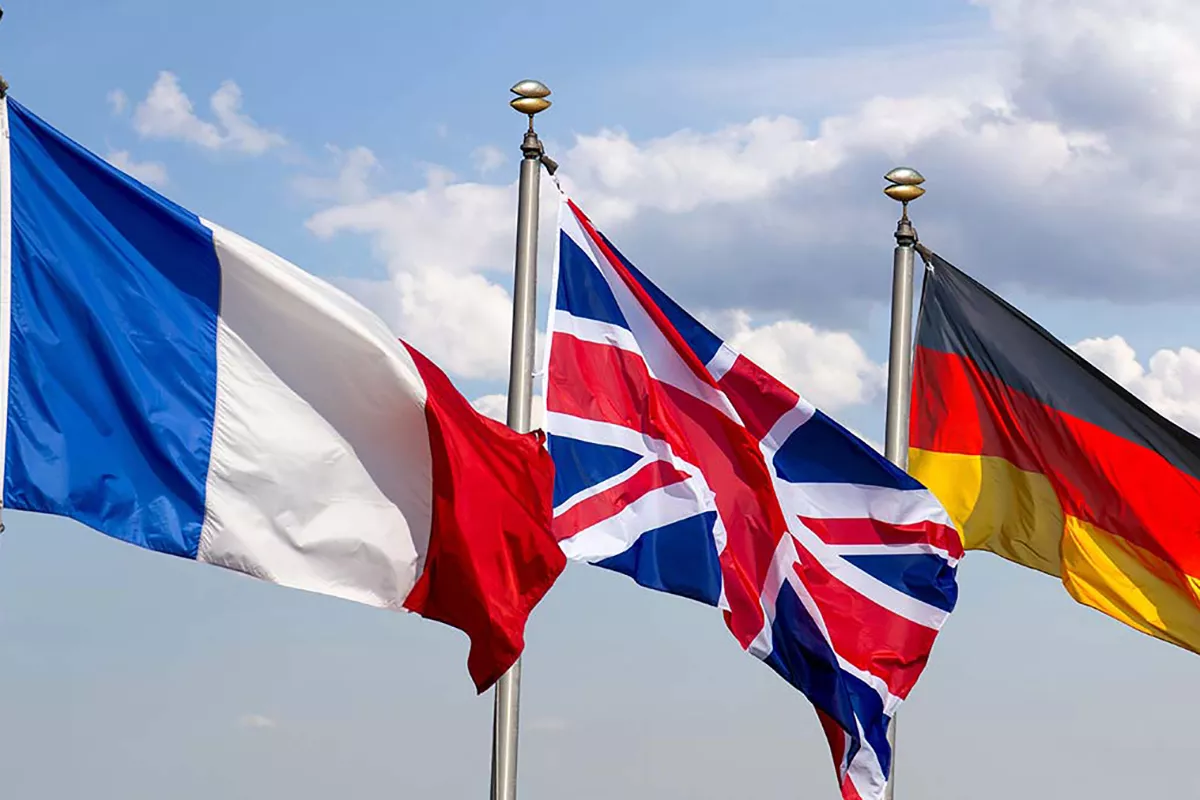
Formally, everything appears logical. Against the backdrop of a diminishing role of the United States in mediation efforts, European powers are seeking to fill the emerging vacuum: they are holding consultations among themselves, discussing mechanisms for dialogue with Kyiv, and emphasising that they will not put pressure on the Ukrainian leadership. All of this is in line with classical diplomatic procedure. The crux of the matter is that the reality in which European states are attempting to operate has long ceased to correspond to these frameworks.
At the St. Petersburg Economic Forum, ideas were voiced that are difficult to interpret as anything other than preparation for a long-term and systemic confrontation with the West. Political analyst Andrey Bezrukov stated directly that Russia must learn to live in a state of war for the coming decades. Moreover, he spoke about the formation of entire “warring generations” for whom conflict would not be a temporary crisis, but a normal condition of existence.
Bezrukov also emphasised that modern warfare is not so much about territorial conquest as it is a strategy of attrition, in which there is no place for quick agreements. On the contrary, the longer the confrontation lasts, the more it aligns with the logic of this approach.
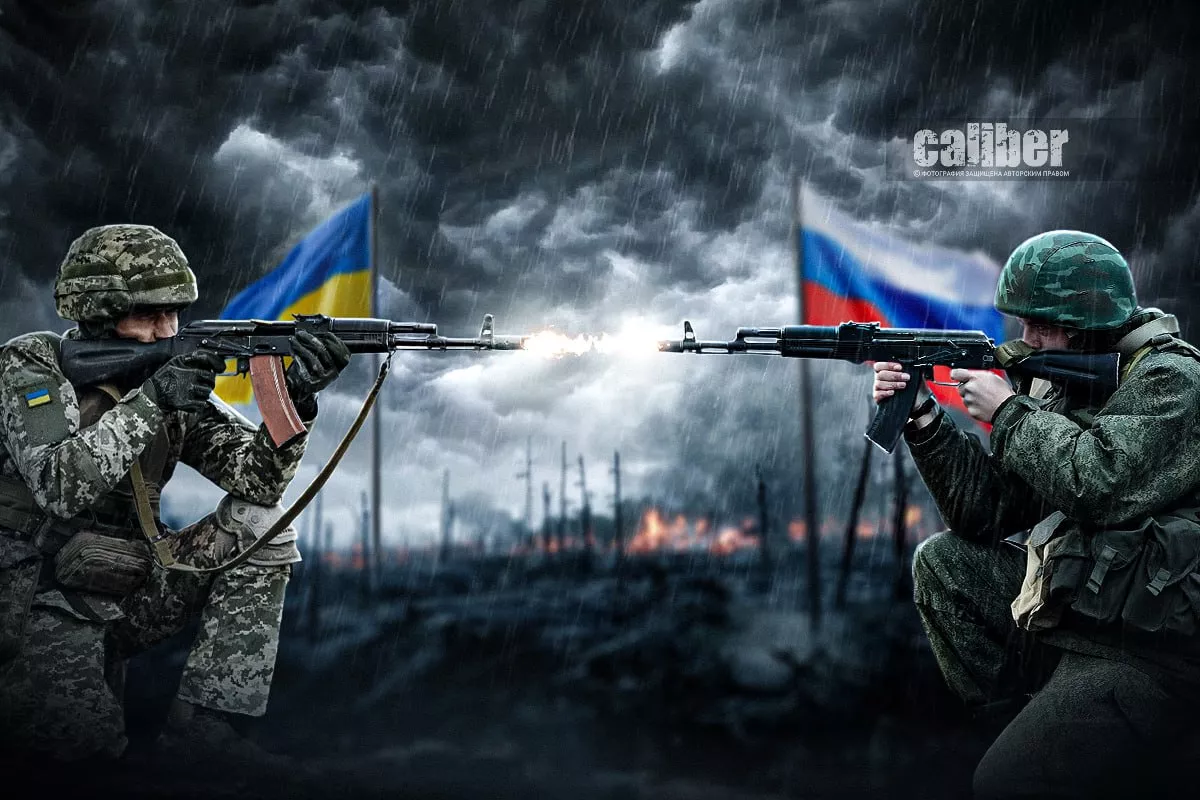
These theses fundamentally alter the structural logic of what is taking place. If war is viewed not as a dilemma requiring resolution, but as an environment to adapt to and develop within, then any external attempts to “end” it become essentially meaningless.
Additional context is provided by the speeches of other forum participants, including Alexander Dugin and Konstantin Malofeev. Their rhetoric effectively legitimises further escalation of the conflict, including discussions of extreme scenarios. This is no longer merely ideological declarations. It is the formation of a societal and elite consensus around the idea of continuing confrontation.
Against this backdrop, attempts by European countries to initiate a negotiation process appear particularly naïve. The main mistake of European capitals lies in their misreading of Russia’s strategic objectives: they continue to assume that Moscow will eventually show interest in ending the war on terms that can be negotiated at the table.
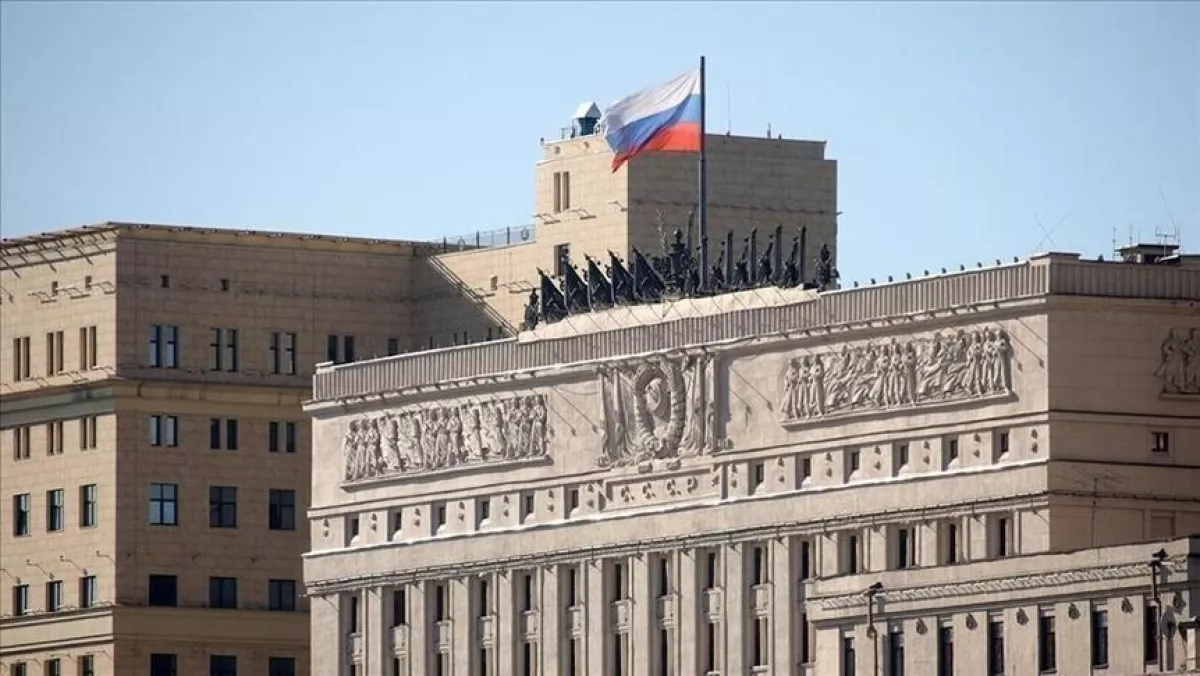
However, as we can see, the Russian side is increasingly openly demonstrating a different approach: the conflict is a new reality, and one in which it will have to be lived with, even though the country’s economic situation would, at first glance, seem to encourage the search for compromise. In particular, according to Bloomberg, Russia’s budget is facing a growing deficit, defence spending has reached record levels, and economic growth is slowing. Against this backdrop, it is not surprising that the financial bloc of the Russian government is expressing concern and proposing cuts to military expenditure.
Yet here too, the opposite trend is visible: the Russian defence establishment is calling not for reductions but for an increase in spending. Part of the political establishment has supported this approach, arguing that the economy is already embedded in a wartime logic and depends on defence orders. The final decision has been made in favour of prioritising military expenditure. This is another indicator that Russia, while adapting to economic changes, is further strengthening its military component.
Thus, European diplomacy is confronted not simply with a hardline position, but with a fundamentally different model of thinking, which renders its efforts largely ineffective. However, the consequences of this situation extend far beyond the framework of Russia–West relations.
In this context, post-Soviet states appear particularly vulnerable, as the problem they face is twofold. On the one hand, Russia is ceasing to be the kind of economic centre of attraction it was for decades, and employment in the country no longer guarantees stability and security. On the contrary, risks are emerging that are associated with potential involvement in military processes.
On the other hand, some post-Soviet countries are facing increasing pressure from both the West and Russia, each demanding clarity in terms of foreign policy orientation. The policy of balancing between centres of power, which for a long time allowed them to manoeuvre, is beginning to break down.
The Baltic states have resolved this dilemma by integrating into NATO and European structures, but for other countries there is no such straightforward solution. They are forced to seek their own models of survival under conditions of growing polarisation. In this context, the long-term nature of the current crisis becomes evident: if Russia is indeed preparing for decades of confrontation, then the surrounding space will also remain in a state of permanent turbulence.
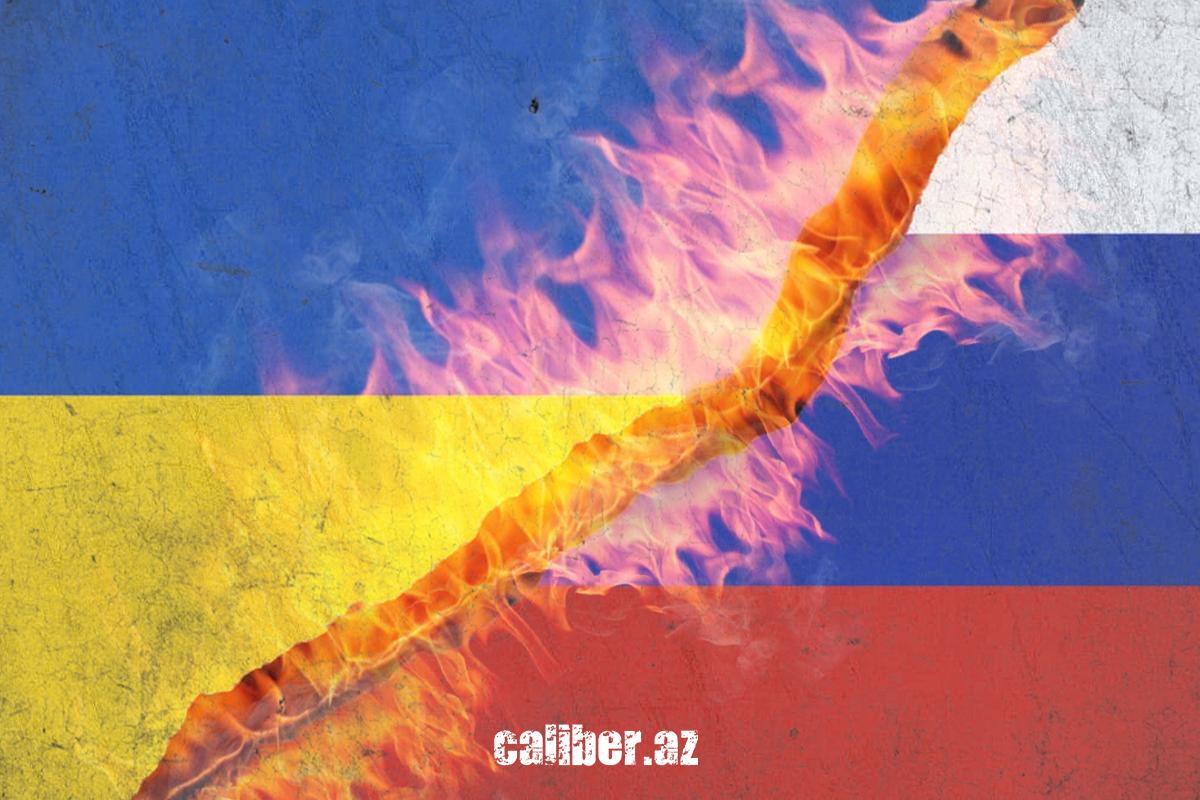
In such realities, negotiations between Russia and Ukraine are not merely unlikely — they contradict the very logic of the emerging configuration. This is not a question of today or even the coming year. It is a question of a fundamental mismatch of worldviews and strategic concepts.
In this context, the discussions being held by Germany, France, and the United Kingdom appear more as an attempt to preserve diplomatic face than as an effective instrument of influence over the situation. And here lies the central paradox: the more actively calls for negotiations are voiced, the more evident it becomes that the parties are operating in different strategic dimensions.







 editor@caliber.az
 +994 55 444-88-98
 Азербайджан, Баку, ул. Низами, 203, Af Business House, 5-й этаж