










Farewell to illusions Is Ukraine no longer seeking NATO membership?
To say that the recent statement by Ukraine’s Ambassador to the United Kingdom, former Commander-in-Chief of the Armed Forces of Ukraine Valerii Zaluzhnyi, regarding Ukraine’s accession to the North Atlantic Treaty Organisation came as a bolt from the blue would be an understatement.
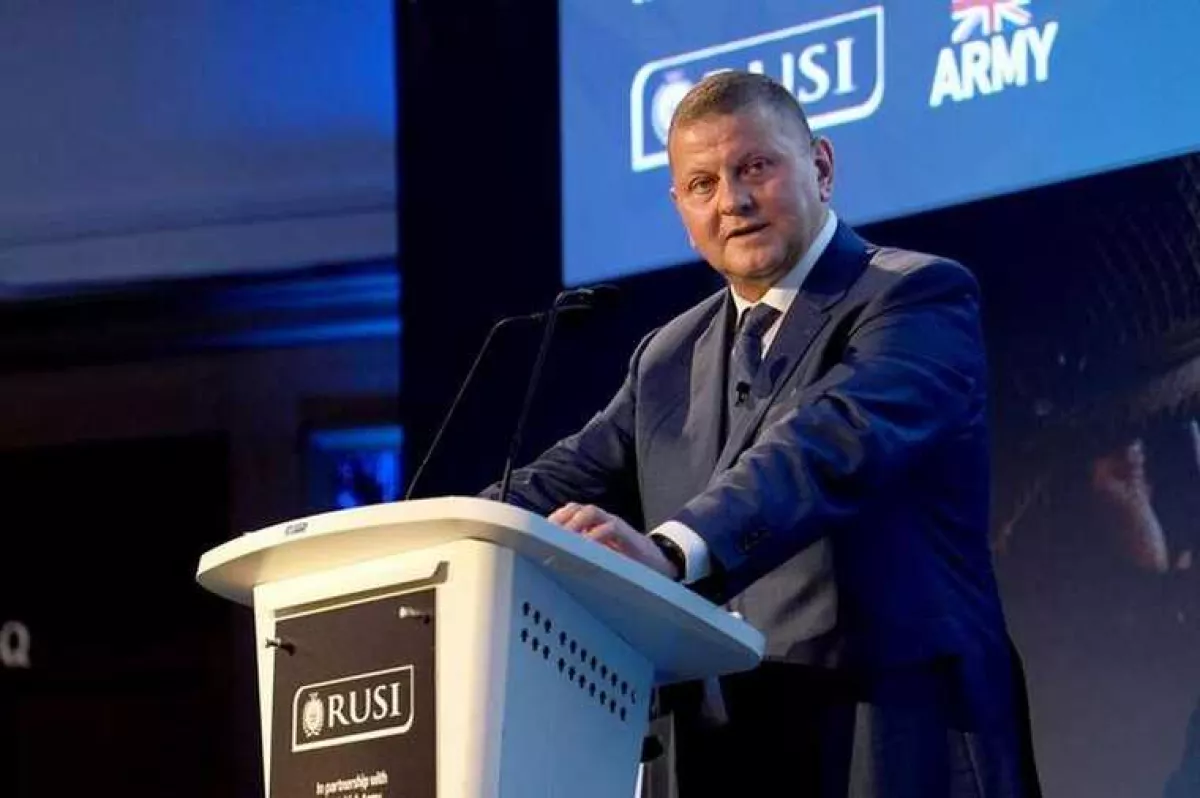
Speaking at a discussion on Euro-Atlantic integration during a general meeting of ambassadors in Kyiv, Zaluzhnyi said he did not believe in the prospect of Ukraine becoming a member of the alliance: “I know NATO very well. For about 12 years, I personally worked to ensure that we adopted NATO standards, and every year I listened to fairy tales that we were just about to join NATO. Unfortunately, we will never join.”
These words reflect not merely scepticism, but deep disappointment. The significance lies not only in the bluntness of the statement, but in the fact that Ukrainian society has lived for decades with the idea that Euro-Atlantic integration was inevitable. This course was consistently proclaimed by presidents, governments, and parliamentary majorities.
Moreover, the aspiration to join the North Atlantic Alliance is enshrined in Ukraine’s Constitution as a strategic objective of the state. And now a person who is not only deeply familiar with military realities but also one of the symbols of Ukraine’s resistance has openly questioned the very attainability of this goal, while directly referring to years of promises that have never been fulfilled.
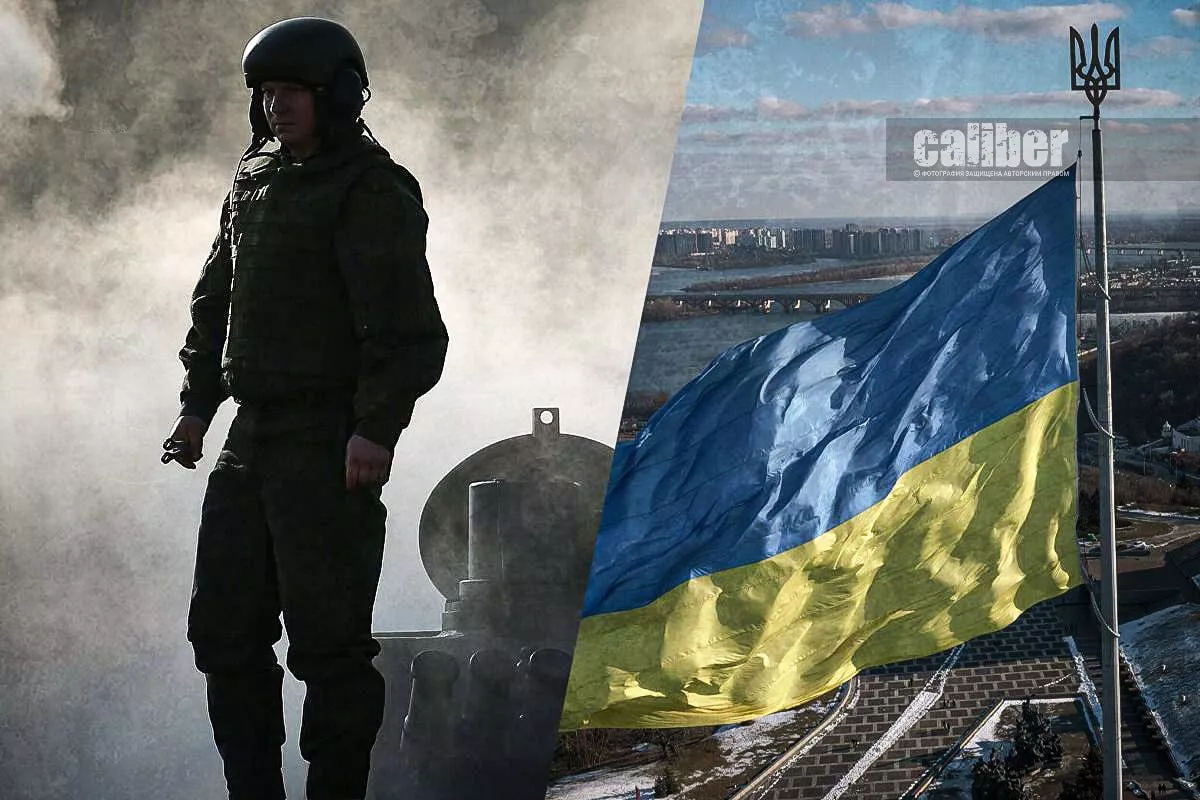
The paradox of the situation is that Ukraine has indeed made significant progress in adapting to NATO standards: this includes military reforms, changes to the command and control system, and the adoption of Western approaches to operational planning. However, the political decision on membership was never made, and even after the events of 2014, the alliance limited itself to providing support while avoiding concrete steps toward integration.
With the start of the full-scale Russian-Ukrainian war, the situation changed in terms of scale, but not in essence: the volume and nature of assistance increased, the rhetoric became more assertive, yet no invitation was extended. From this perspective, it can be argued that Zaluzhnyi voiced what many had been saying only in whispers: NATO is not prepared to assume the risks of a direct confrontation with Russia that would inevitably arise if Ukraine joined the alliance.
In this context, it is difficult to disagree with experts who argue that if Ukraine had become a NATO member earlier, events might have unfolded differently, as Article 5 of the North Atlantic Treaty has always been and remains the alliance’s main deterrent. However, that belongs to the realm of the past — and, as history and politics show, neither allows for the luxury of the counterfactual.
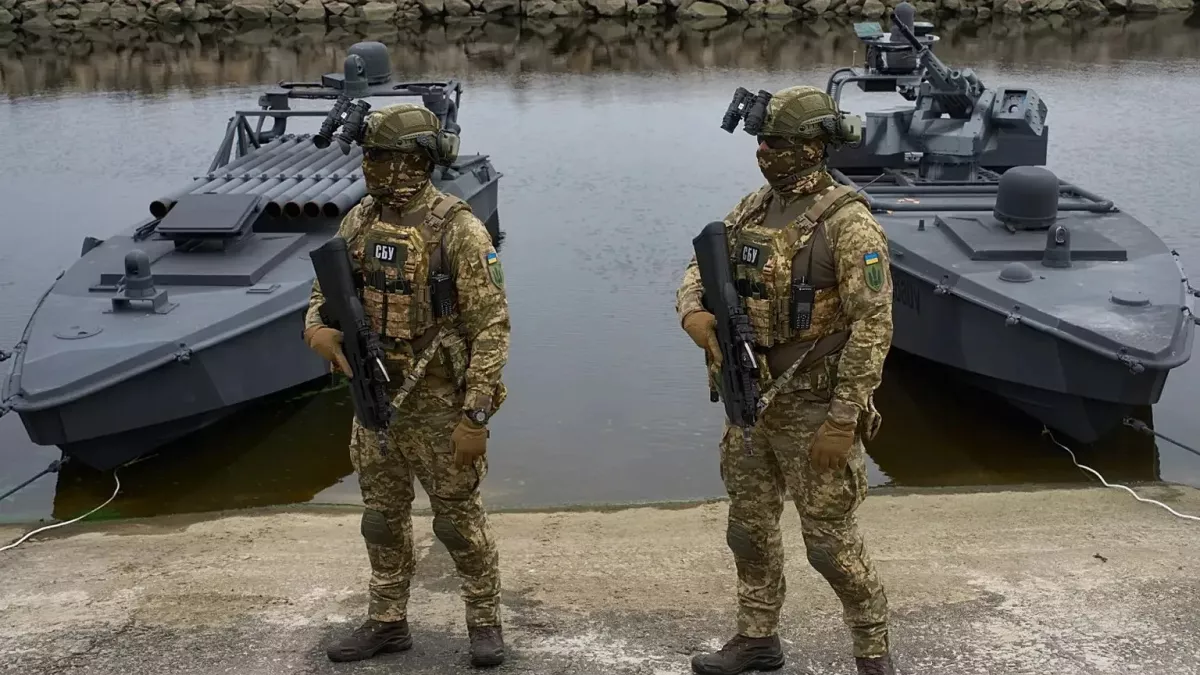
Meanwhile, over the years of a bloody confrontation with a vast nuclear power, Ukraine’s Armed Forces have not only moved closer to NATO standards but, in some respects, have already surpassed the militaries of many alliance member states. In particular, the Ukrainian army has learned to rapidly integrate new technologies and adapt its tactics directly on the battlefield.
Furthermore, Ukraine has become one of the world leaders in the combat use of unmanned aerial vehicles, while modern systems of coordination, intelligence, and communications are being introduced into the Ukrainian Armed Forces faster than in a number of NATO countries. The motivation of military personnel should also not be overlooked. This is a factor that cannot be measured formally, yet it remains decisive for the effectiveness of any army.
Thus, a situation has emerged in which Ukraine, despite not being a member of the alliance, has effectively become one of the most combat-capable military actors in Europe.
In this context, it is worth noting that Zaluzhnyi did not limit himself to criticism and pointed to possible alternatives, highlighting, in particular, the development of European military alliances and participation in formats such as the Joint Expeditionary Force (JEF). Naturally, these frameworks do not have an equivalent to Article 5, but they could serve as platforms for more flexible and rapid cooperation. In essence, this points to the emergence of a new European security architecture without rigid dependence on traditional institutions.
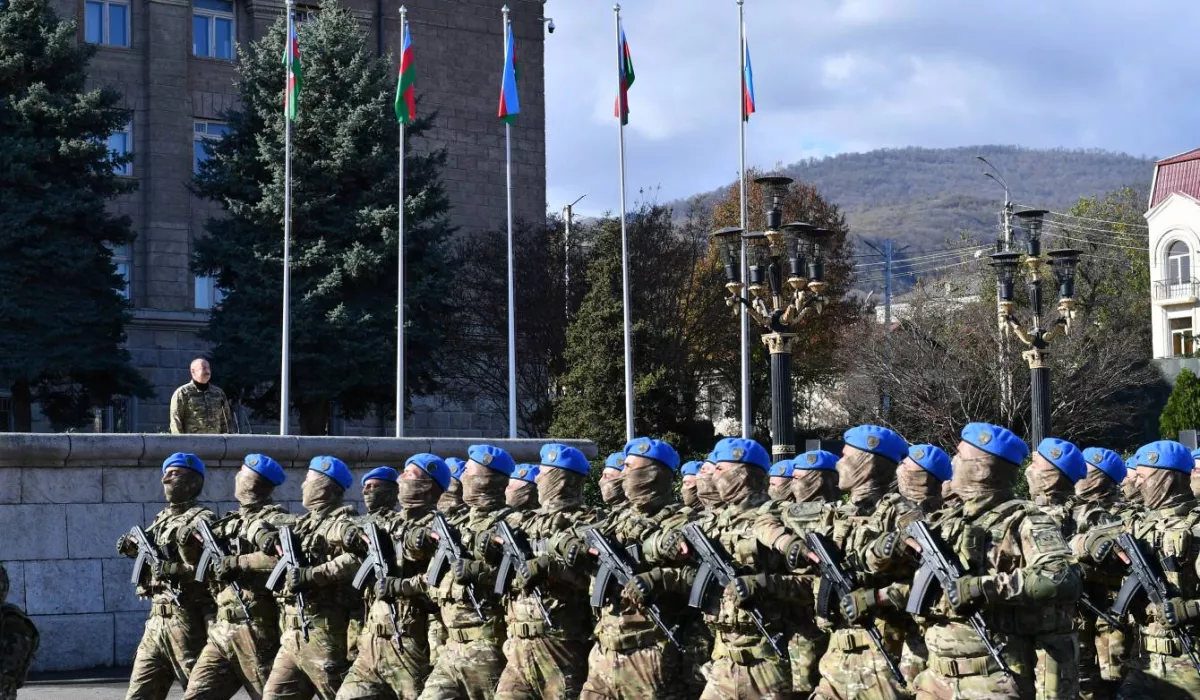
In this regard, the example of Azerbaijan is particularly illustrative. The country has never sought membership in the North Atlantic Alliance, yet it has built one of the most successful armed forces in the world. During the 44-day war in the autumn of 2020, the Azerbaijani Army demonstrated its ability to successfully accomplish all assigned objectives, while the entire world witnessed its high level of technological capabilities, effective use of unmanned aerial vehicles, and capacity to conduct complex offensive operations.
Today, the Armed Forces of the Republic of Azerbaijan objectively surpass the militaries of a number of NATO member states both in terms of combat readiness and practical battlefield experience. At the same time, the country has preserved flexibility in its foreign policy, building relations with various centres of power.
In conclusion, returning to Valerii Zaluzhnyi’s truly striking statement, it can be viewed as a marker of a changing era. Ukraine appears to be gradually abandoning illusions and moving towards a more pragmatic model of ensuring its own security. NATO remains an important partner, a source of technology and support, but relying solely on membership in the alliance no longer appears to be the only strategic option.
Ukraine has already demonstrated that it can be strong without formal guarantees, and perhaps this reality — rather than unfulfilled promises — will become the foundation of its secure future.







 editor@caliber.az
 +994 55 444-88-98
 Азербайджан, Баку, ул. Низами, 203, Af Business House, 5-й этаж