










Can the end of the war in Ukraine be predicted? Experts assess Zelenskyy’s peace deadline
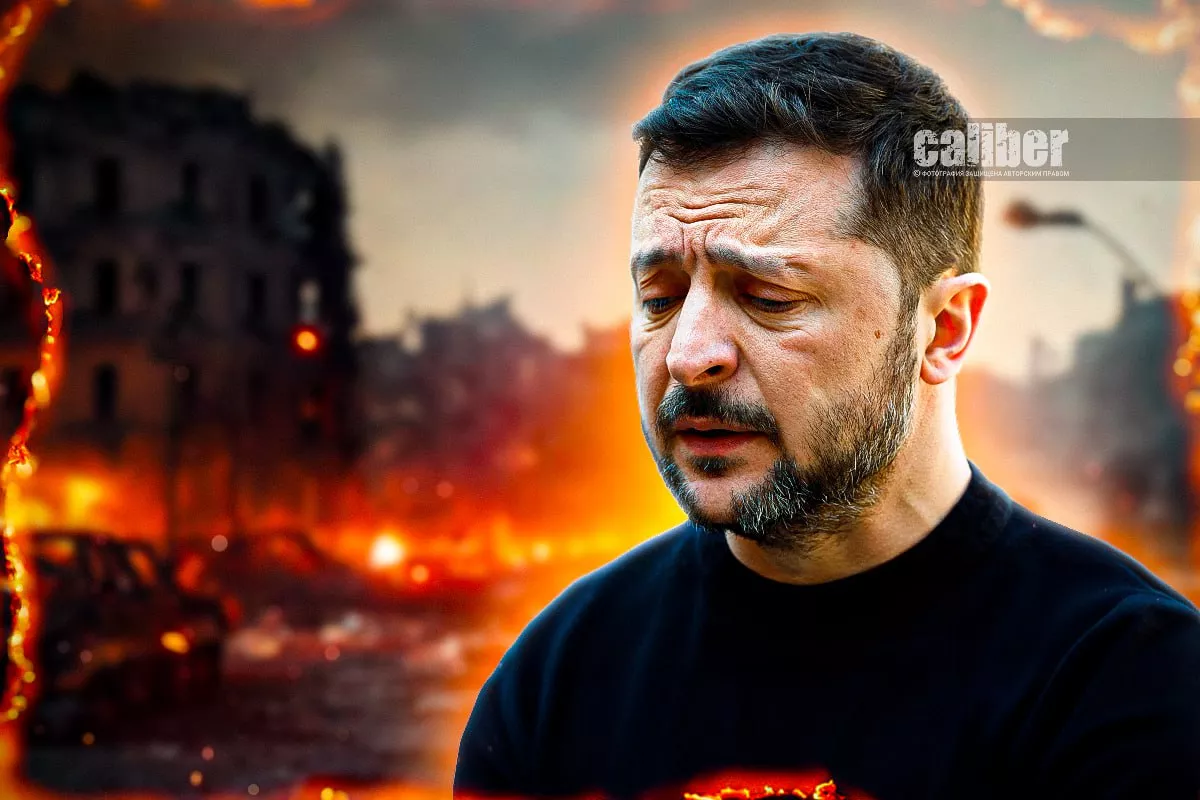
During a meeting with Ukrainian ambassadors in Kyiv, President Volodymyr Zelenskyy stated that Ukraine intends to make every effort to “force Russia to end the war before winter arrives.”
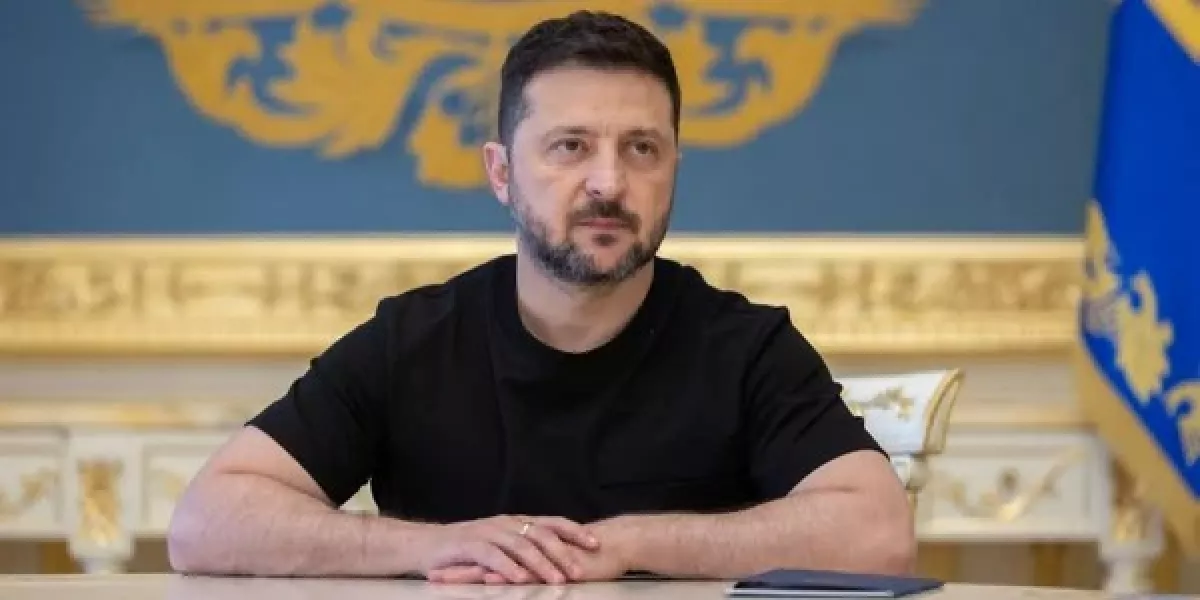
At the same time, the Ukrainian leader acknowledged that it is currently impossible to accurately predict when diplomatic efforts, sanctions pressure, and restrictions imposed by international partners will reach their maximum effect. However, he expressed confidence that the combination of these measures should create a situation for Russia in which it will have no alternative but to stop the war.
“We will do our utmost to make this happen before winter, in the autumn. But we clearly understand who we are dealing with and that Putin hopes to prolong this war further. He is preparing mobilisation at home and new strikes. We see Russia’s true intentions, are uniting our partners, and are increasing pressure on Moscow,” Zelenskyy said, stressing that Kyiv would continue coordinating with its allies, intensifying diplomatic and sanctions pressure on Russia in order to achieve peace.
So, are there objective grounds to believe that hostilities could end by the end of autumn? And can the measures outlined by Zelenskyy help secure at least a temporary peace between Ukraine and Russia within this timeframe? Ukrainian analysts answer these questions for Caliber.Az.

Military analyst and former officer of the Security Service of Ukraine Ivan Stupak noted that, speaking clearly and concisely, there are unfortunately no indications at present that hostilities will end by autumn.
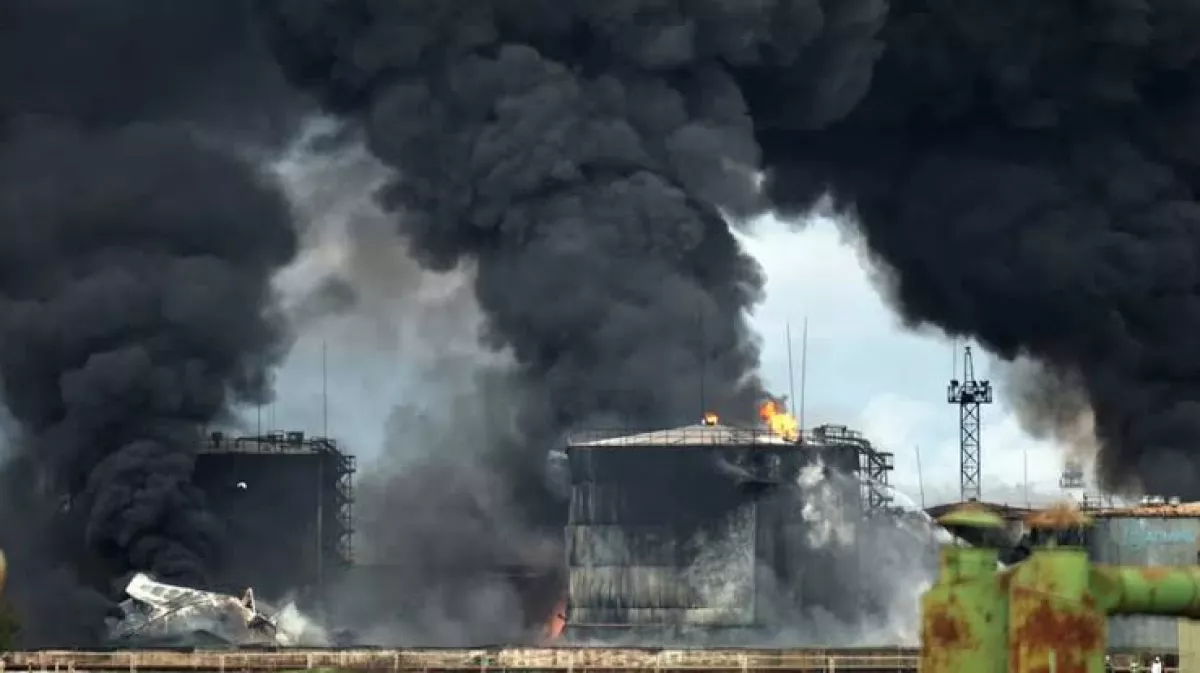
“Anticipating the question ‘Why?’ — let me explain: first, Russia has suffered significant losses this year as a result of Ukraine’s actions, ranging from strikes on oil refineries and export logistics infrastructure to attacks on vessels in the Azov, Black and Caspian seas, Wildberries, and many other targets. Naturally, the Russian side wants to retaliate. Ukraine has two vulnerabilities: freezing temperatures and the lack of anti-ballistic missile capabilities. During a recent strike, Russia launched 27 ballistic missiles, of which we intercepted only one, and the Russian side understands perfectly well how vulnerable we are in this regard.
The calculation is most likely based on the assumption that during the coming winter they will disable Ukraine’s entire infrastructure — thermal and power generation facilities, fuel stations — and that by February–March 2027, the Ukrainian side will be forced to raise the white flag and surrender.
Therefore, Zelenskyy’s statements about his intention to end the war in autumn are met in Moscow with a slight smirk and a desire to retaliate against Ukraine during the winter period. I will repeat once again: the hostilities will definitely not end by the stated deadline. The only timeframe that can be realistically considered is approximately the end of February 2027. Until then, mutual strikes will continue.
After that, we will see what happens and how the Russian side addresses the issue of mobilisation and the situation surrounding the disappearance of Wildberries from the business landscape. By that time, the company Ozon may also be significantly weakened, and these are major pillars of Russia’s civilian economy. We will wait and see how events unfold,” Stupak said.
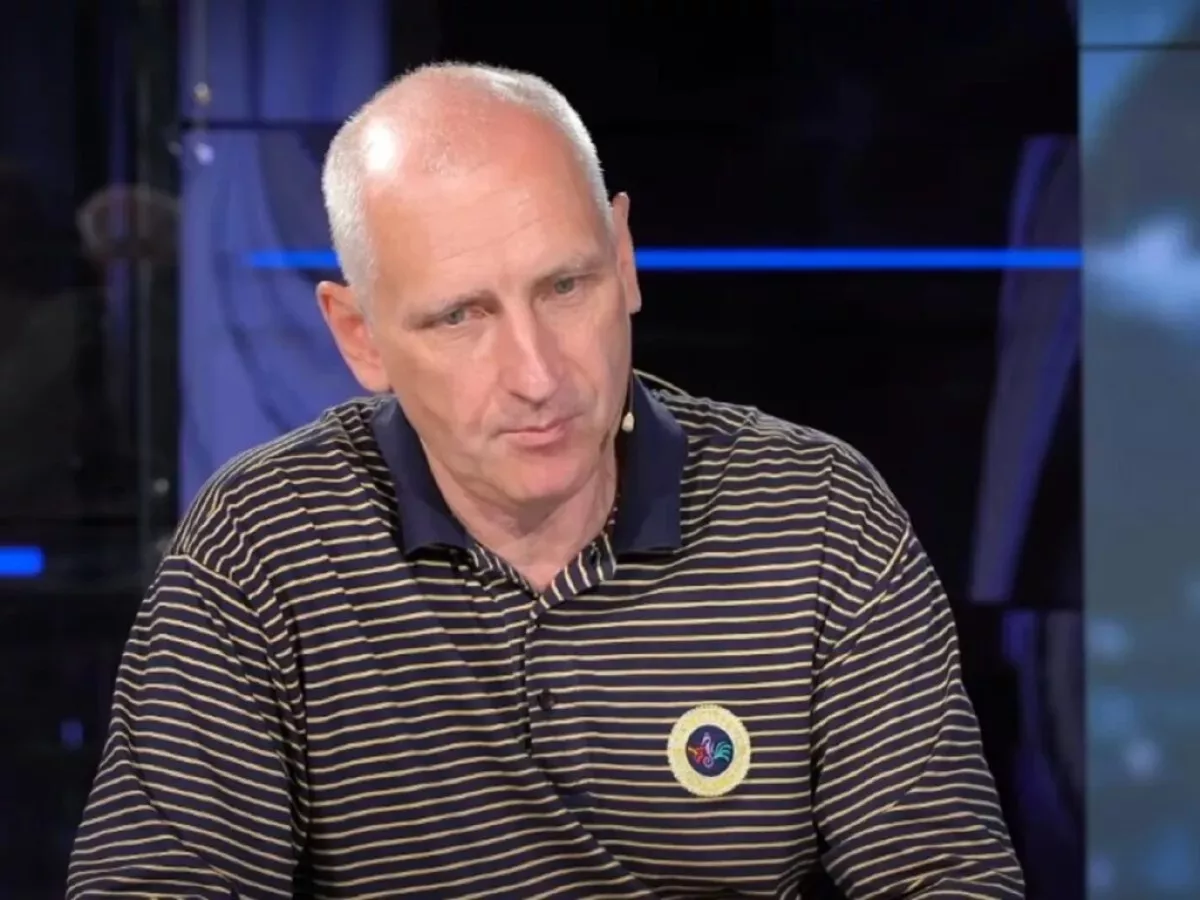
In turn, security and defence expert and retired Colonel Oleh Starikov stressed that statements about timelines for ending the war have been made many times before, but so far none of them has materialised.
“For almost five years now, Ukrainians have been shown the same performance: a magician comes out and says that in three to five days ‘the Russians will run out of their rusty missiles, in six months to a year they will run out of rifles and footwraps, or the ruble will collapse.’ It does not really matter what arguments are put forward; what matters is that all of this is presented confidently and without any doubts. However, Donald Trump surpassed everyone by promising to end the war within 24 hours — something that, as we can see, has not happened either.
Now, here is the question: ‘If the head of the world’s most powerful state, with enormous resources, a vast pool of allies, cutting-edge weapons, human and economic capabilities, and highly advanced intelligence, fails to fulfil a key campaign promise, does that tell us something?’
I believe that even the US president did not take into account all the factors affecting the timeline of the Russian-Ukrainian war. He himself acknowledged this, stating, among other things, that ‘it turned out to be much more difficult than I expected.’ Why is this happening? Most likely because Trump is not aware of all the true objectives of the so-called ‘special military operation,’ and Vladimir Putin remains a partial ‘blind spot’ for him — which, it must be acknowledged, is the Russian leader’s main psychological advantage.
Is it possible that Volodymyr Zelenskyy knows something that Trump does not? This cannot be ruled out either, because we are neighbours with Russia, and being close allows one to see things that are not always visible from a distance — especially from across the ocean. However, the Ukrainian president is forced to follow Washington’s lead, as the country is highly dependent on the United States both financially and in terms of defence support. Donald Trump is once again speaking about peace being close, but these messages are unlikely to mean much.
This raises a number of questions: ‘Why are these messages being conveyed in the first place, along with assurances that Russia’s missile stockpile will be depleted within three to five days?’; ‘Is it intended to reassure Ukrainians and intimidate Russia?’
Perhaps the Russian side has indeed taken notice — our ‘long-range sanctions’ are a prelude to what could happen inside Russia. However, Moscow is fully preparing for a major war, and I do not see any signs that the Russian side is preparing for either a diplomatic or military retreat. The only thing that raises questions is Putin and Peskov’s silence against the backdrop of Medvedev’s outspokenness, but that actually fits into this ‘blind spot.’
As for Zelenskyy’s statements regarding sanctions and diplomatic pressure, these measures have so far not produced the desired effect. Although they have not been applied to their full extent, they are clearly insufficient on their own. In this regard, it is worth recalling the statement by one of the Russian senators, who said: ‘We will eat tree bark, but we will not surrender.’
Regarding military pressure, I would say the following: the territory is vast, the investments required for such a war are enormous, and the returns are not particularly significant if one views the conflict as a commercial project. The strikes on oil refineries and infrastructure have shown that the situation remains under Moscow’s control. An effective measure could be a blockade of the Black Sea, but only in combination with a counteroffensive carried out in a coordinated manner under the framework of a unified North Atlantic alliance, according to whose standards we have restructured our army.
On the other hand, the war has reached a positional stalemate, and the way out is either escalation or negotiations. We — and not only we — have repeatedly emphasised the following: this is a confrontation of a new type, one that no one has dealt with before. How can one determine the timeline of a phenomenon that has not yet been studied and continues to reveal itself through unfolding events?
I repeat: statements about the timeframe for ending the war have been made before, but not a single such prediction has come true. The only indication of a possible ceasefire — and even then only a partial one (in the air and at sea) — came in Zelenskyy’s statement to an American television channel about the low chances of returning Crimea ‘here and now.’ Judging by the frequency and intensity of attacks on the Ukrainian capital, Russia is unlikely to be satisfied with Crimea alone,” Starikov concluded.







 editor@caliber.az
 +994 55 444-88-98
 Азербайджан, Баку, ул. Низами, 203, Af Business House, 5-й этаж