










Mecca Pact under pressure: Will Türkiye and Pakistan confront the Houthis? Foreign experts on Caliber.Az
The Middle East is rapidly being drawn into yet another crisis, triggered by an escalation in the Red Sea following Houthi attacks on strategic infrastructure and cities in Saudi Arabia, including Riyadh and the port of Yanbu.
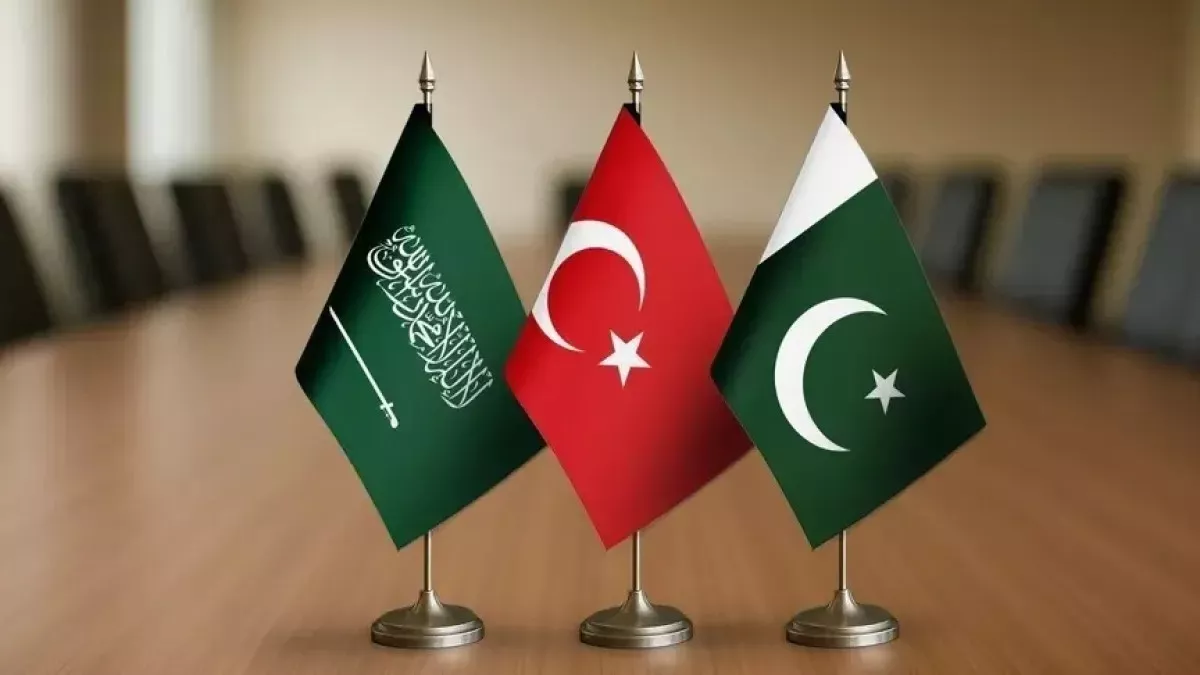
This latest escalation has posed a challenge to the Mecca Defence Alliance recently established by Saudi Arabia, Türkiye and Pakistan, which is based on the principle of “collective defence”. The response was swift: in early September, Türkiye Today, citing sources, reported that Pakistan could launch airstrikes against the Houthis if requested to do so by Riyadh under Islamabad’s commitments under the Mecca agreement. Türkiye, for its part, is also set to provide military assistance to the Kingdom under the pact.
In addition, the foreign ministers of Türkiye, Hakan Fidan; Pakistan, Ishaq Dar; and Saudi Arabia, Faisal bin Farhan Al Saud, held a meeting on the sidelines of the 81st session of the UN General Assembly, following which they issued a joint statement. In the document, the parties condemned Houthi attacks on infrastructure in the Kingdom and announced plans to convene an emergency meeting to discuss assistance to Riyadh. Against this backdrop, French President Emmanuel Macron’s statement that Paris had decided to deploy French military personnel, radars and air defence systems to Saudi Arabia to protect its transport and energy infrastructure appears particularly significant.
So, in which direction will developments unfold, and what steps will the members of the Mecca Alliance take to deter the Houthis and de-escalate the situation in the Red Sea and the Bab el-Mandeb Strait? Foreign conflict and Middle East experts shared their views on these questions with Caliber.Az.
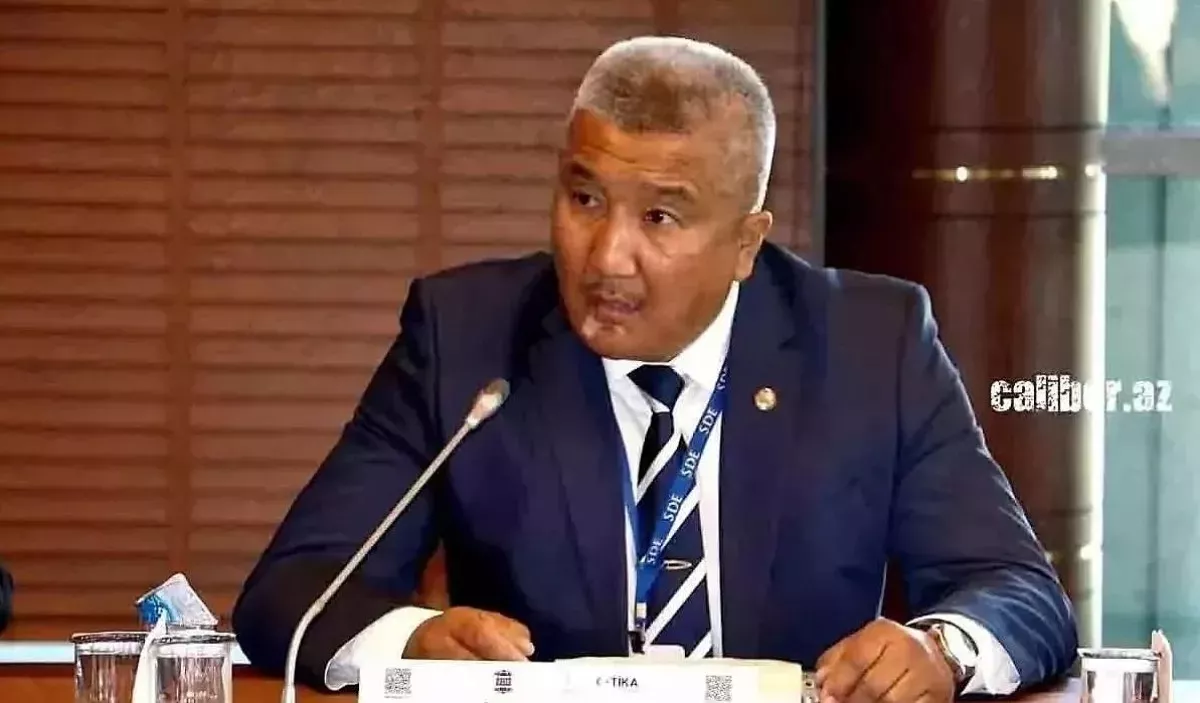
Kyrgyz political analyst, international affairs expert and conflict specialist, and Director of the Centre for Analysis of International Relations Edil Osmonbetov believes that amid the reluctance of a number of global and regional players to become directly involved in resolving conflicts, the Mecca Agreement between Saudi Arabia, Türkiye and Pakistan, which provides for the principle of collective defence, is assuming particular importance.
“The Houthi attacks on Saudi Arabia’s energy and transport infrastructure have further complicated an already tense situation in the region. The Houthis have seized the port of Mocha and gained control over a number of strategic territories and islands in the area of the Bab el-Mandeb Strait. Against the backdrop of such an escalation, the mechanisms laid down in the Mecca Pact may move from the theoretical realm into practical application, and reports are already emerging about possible forms of support to be provided to the Kingdom, particularly in the areas of air power, military-technical assistance, intelligence and logistics. However, it is still too early to speak about the specific scale of possible military involvement,” he noted.
The expert believes that further developments will depend, among other things, on the position of the United States. “Given that Washington has so far refrained from large-scale direct intervention and is focusing on containing Iran through economic sanctions, a significant share of responsibility for the region’s security architecture falls precisely on the members of the Mecca Pact. Various scenarios are possible here. In my view, one of them could be the full activation of the agreement, under which the member states would take steps aimed at reopening the Bab el-Mandeb Strait and forcing the Houthis to withdraw deeper into Yemen. At the same time, a protracted hybrid war, a blockade scenario or a political compromise cannot be ruled out either.”
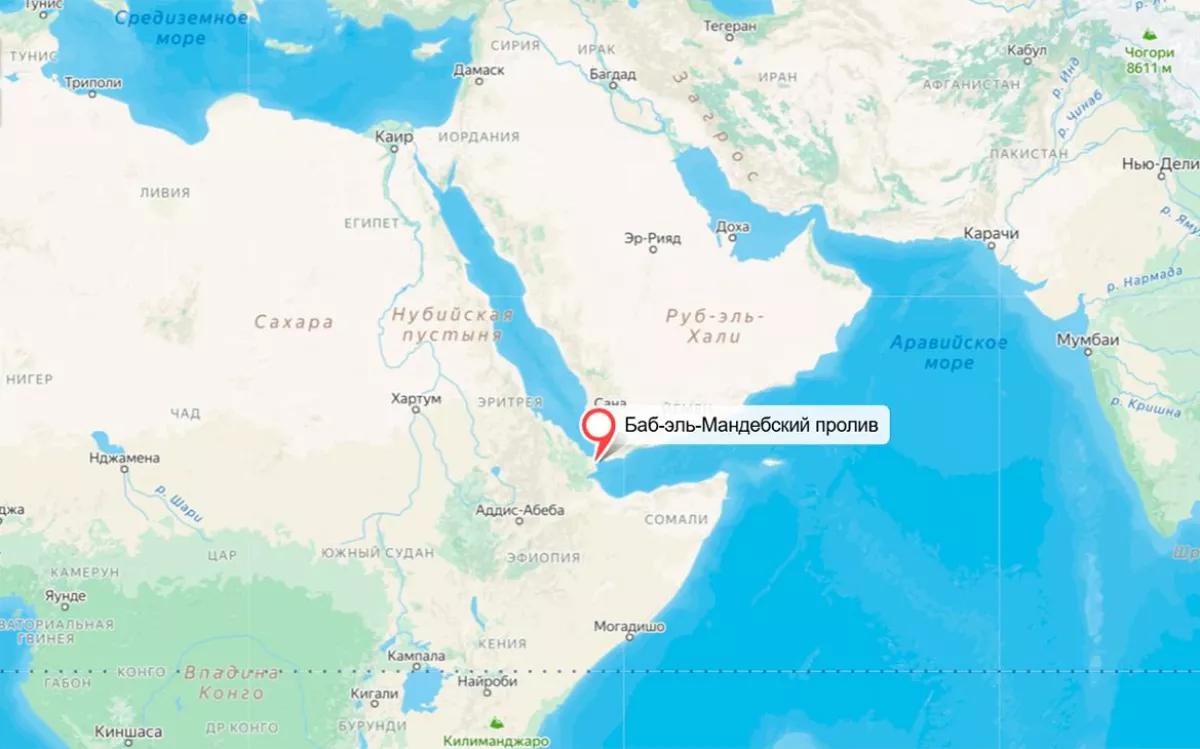
He stressed that for Türkiye and Saudi Arabia, the stability of trade routes is a matter of national interest. China, India and other major economies also have a stake in this, as they need strategic straits to remain open. The global economy is a highly complex system that relies on established transit mechanisms, making predictability and the security of key regions and transport routes essential.
“From this perspective, the question of how the crisis surrounding strategic maritime arteries in the Middle East will ultimately be resolved is of enormous importance, as continued tensions in these areas will affect not only the parties directly involved in the conflict but also an increasing number of other global players, which will also suffer losses. This could compel them to take certain retaliatory measures, and we are already seeing reactions from some European countries and Southeast Asian states,” Osmonbetov said.
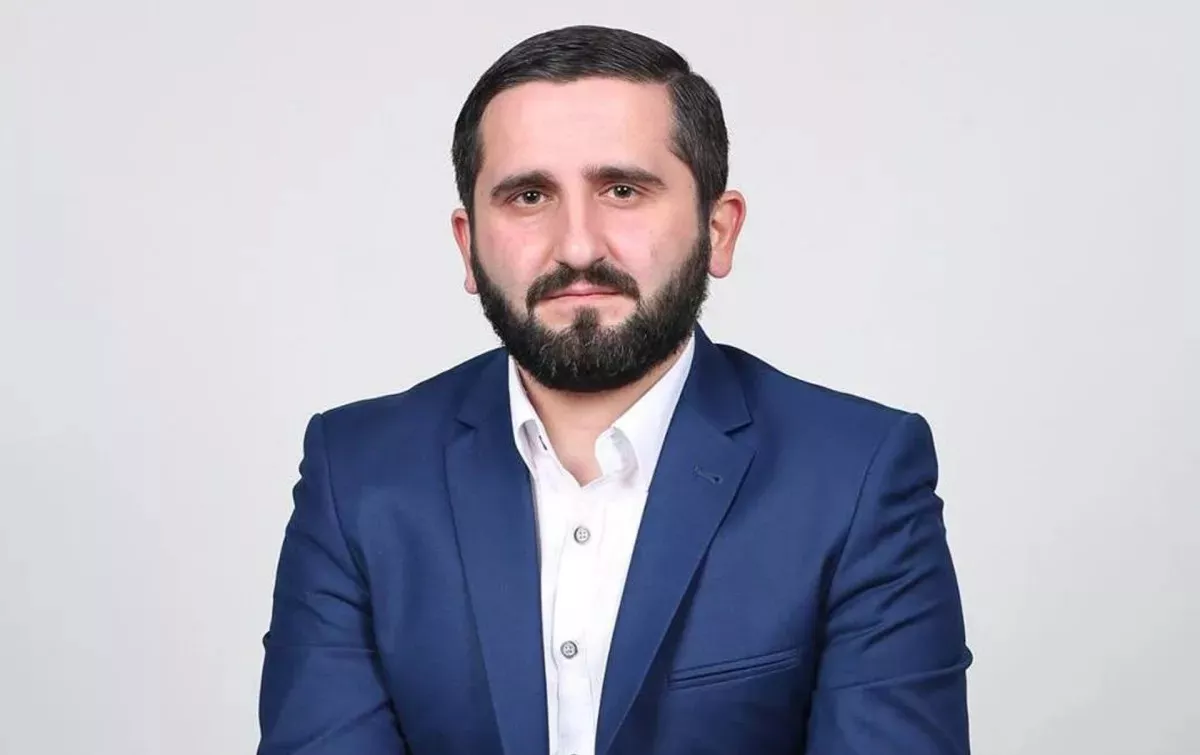
In turn, Georgian political analyst and Middle East expert Vasily Papava believes that a full-scale joint military operation by Riyadh, Ankara and Islamabad against the Houthis should not be expected, as the Mecca Alliance was initially established as a classic collective defence agreement designed for conventional armies and traditional threats.
“The agreement is not entirely suited to dealing with the asymmetric warfare waged by the Houthis with Iranian support. I believe that neither Ankara nor Islamabad is prepared to send troops to Yemen or assume the risk of a direct confrontation with Tehran for a number of reasons. In particular, Pakistan’s relatively long border with the Islamic Republic of Iran, the Balochistan issue and the need to coordinate with Iranian security forces on security matters make any overt Pakistani involvement in an anti-Houthi campaign extremely risky. Türkiye, meanwhile, prefers to maintain pragmatic relations with the Islamic Republic and working channels on the Kurdish issue. For these reasons, the involvement of these countries will most likely be limited to arms supplies, training Saudi military personnel and diplomatic support,” the expert said.
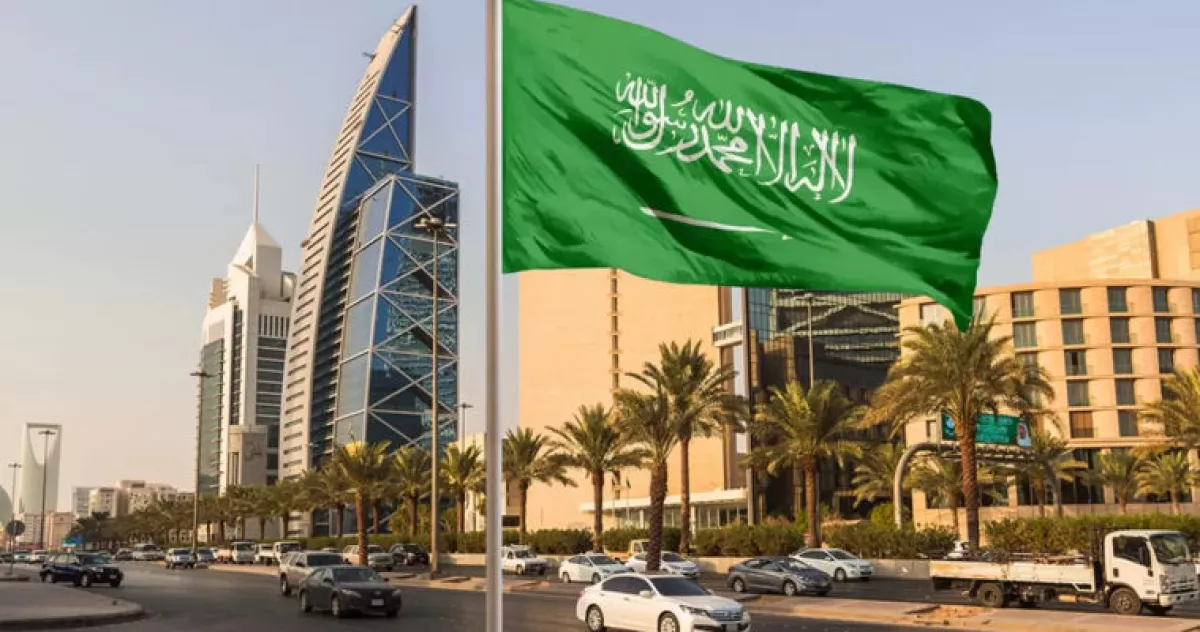
In his view, Saudi Arabia will continue to defend its infrastructure using its own forces, but with support from external players. Macron’s statement on France’s readiness to deploy military personnel and equipment to the Kingdom fits precisely into this logic.
“In my view, the situation is likely to develop into a prolonged low-intensity conflict. The Houthis retain sufficient autonomy to continue carrying out targeted strikes even if external support is reduced to some extent. Ultimately, no one will achieve a quick and clear-cut victory. The Middle East is therefore facing a prolonged confrontation with high economic and political costs for all parties involved,” Papava concluded.







 editor@caliber.az
 +994 55 444-88-98
 Азербайджан, Баку, ул. Низами, 203, Af Business House, 5-й этаж