










“United States of Europe”: Can France reshape the EU? Expert opinions on Caliber.Az
Gabriel Attal, the Renaissance party’s candidate for the French presidency, has proposed creating a “United States of Europe”, calling for deeper integration among a group of EU countries.

“There are only two possible choices: the fall of the EU, becoming the 51st American state or the 24th Chinese province; or a new dream, a dream within reach: the United States of Europe,” Attal said. According to him, the EU of 27 countries “has reached its limits” and will be unable to move forward in its current format.
Attal proposes forming a “core” of eight to 10 EU countries to deepen economic, technological and environmental integration while preserving national sovereignty. In his vision, the first step would be a special treaty and referendums in the participating countries, followed in the longer term by common institutions, including a president and parliament. In Attal’s view, such a format would enable the EU to compete more effectively with the United States and China.
How realistic is Attal’s idea under current conditions? Could deeper integration among a group of countries strengthen the EU, and what obstacles could emerge along the way? Is this a long-term proposal to reform the European Union, or an electoral strategy?
Well-known analysts shared their assessments of the situation with Caliber.Az.
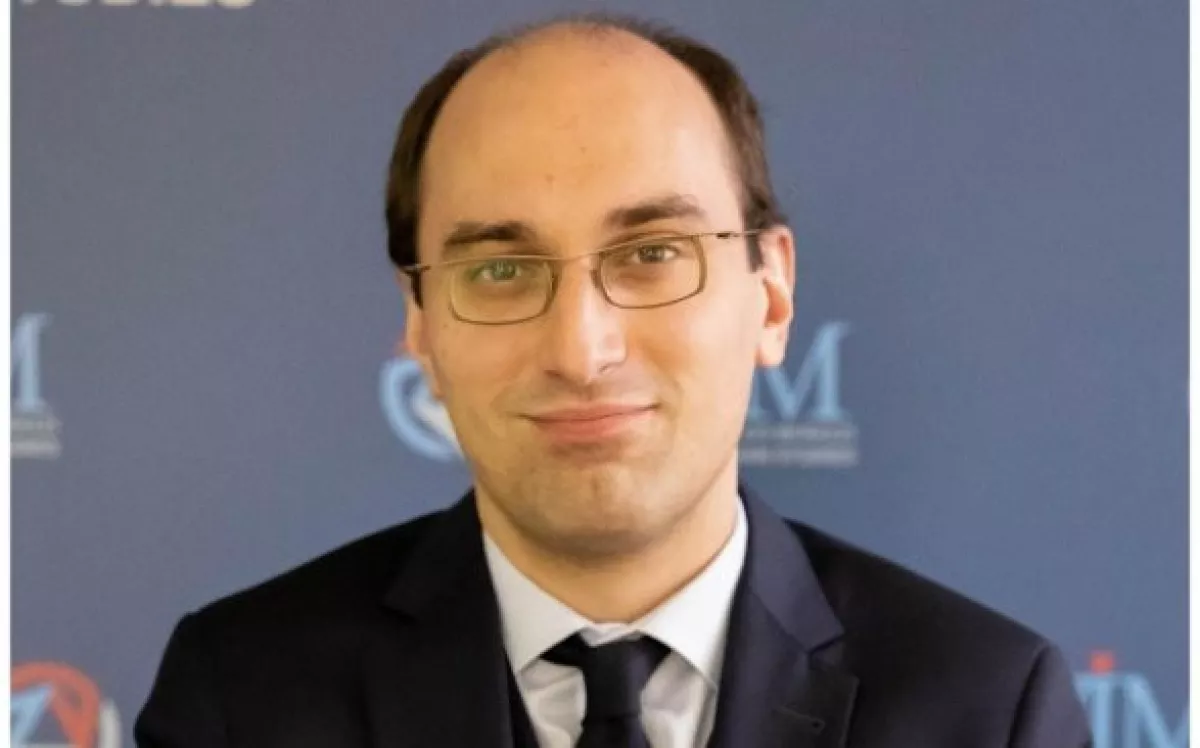
French historian and researcher Maxime Gauin noted that the history of European integration has been one of successive deepening.
“The common market created by the 1957 Treaty of Rome seemed difficult to achieve, yet it was established even earlier than originally scheduled — in 1968 rather than 1970. The creation of the Single Market between 1986 and 1992 was also seen as an almost impossible task. The introduction of a single currency in the 1990s was met with scepticism, yet today the euro is the world’s second most important currency after the dollar.
Today, differences in taxation, energy regulation and industrial policy are limiting further integration. Attal proposes removing these barriers first in six countries — France, Germany, Italy, Spain, the Netherlands and Poland — and then using the level of integration achieved as an example for the others. Deeper integration among a group of states is legally possible and dates back to the 1997 Treaty of Amsterdam, although the current initiative appears particularly ambitious. If successful, it could significantly strengthen Europe.
Deepening the Single Market could strengthen Europe’s position in competition with the United States and China, attract additional investment, expand opportunities for European companies, strengthen technological autonomy and reduce industrial dependence on China. The latter, however, would require the development of partnerships with other regions, particularly Southeast Asia.
When Attal argues that significant wage growth in Europe is possible through innovation, and that innovation is the result of European integration, it is difficult to dispute his reasoning. Arianespace, Airbus, MBDA and other companies are clear examples of successful European cooperation.
At the same time, the idea of holding simultaneous referendums in six countries inspires less optimism. The logic is understandable — to bring the European project closer to citizens — but the process of European integration itself remains insufficiently understood and often becomes a source of misunderstanding,” Gauin said.
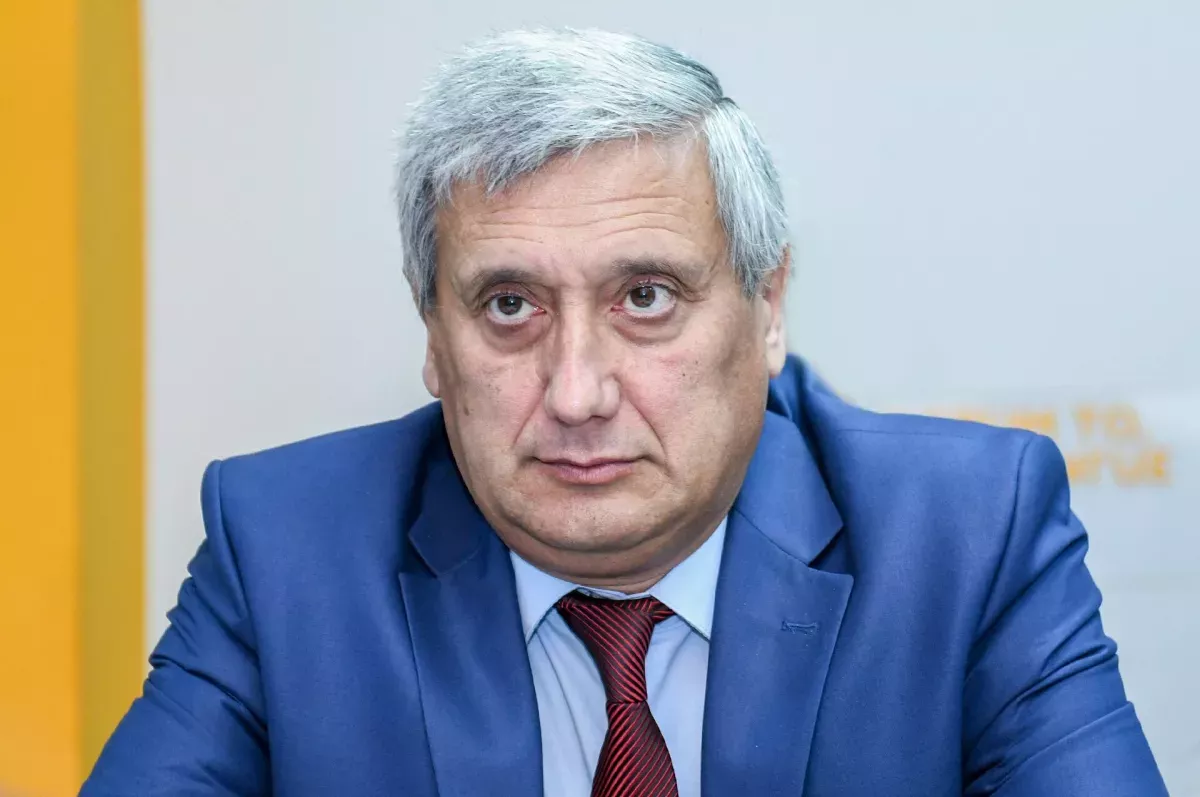
Geopolitical expert Sahil Isgandarov believes that Gabriel Attal’s proposal to create a “United States of Europe” is open to question.
“In this regard, neither Attal nor his party leader, Emmanuel Macron, is particularly original: the idea of a ‘United States of Europe’ has existed for centuries and, in various forms, dates back to the era of Napoleon Bonaparte. However, contemporary French politicians are putting it forward against the backdrop of a crisis in the European Union, in which France’s own policies have also played a significant role.
Macron, whose second presidential term ends in 2027, has pursued policies that, in my view, have contributed to weakening the authority of France and the very idea of a united Europe. As one of the EU’s leading states, France, by losing its own standing, has also dealt a blow to the reputation of the Union as a whole. At the same time, over the past 10–15 years, the Brussels bureaucracy has pursued policies that have led some EU countries to distance themselves from the official course set by Brussels.
The idea of closer economic integration is understandable in itself, but Attal has not presented a concrete programme. The European Union itself is already, in many respects, a prototype of the ‘United States of Europe’: it has a single market and a single currency, while national interests remain in place. Ignoring those interests, as well as increasing pressure from pan-European institutions, is causing growing discontent in a number of countries. A possible ‘Frexit’ would be a serious political shock for France. Historically, Paris itself was one of the main proponents of the idea of pan-European integration.
However, whereas Germany was previously the EU’s economic locomotive and France its political centre, Germany is now gradually strengthening its role not only economically, but also politically and in military and defence policy. Against this backdrop, Attal’s initiative can also be viewed as an attempt to restore France to a more significant role in European politics.
At the same time, it remains unclear how the ‘United States of Europe’ would differ from the EU as it exists today. Without a concrete plan, the initiative could lead only to further centralisation and an expansion of the powers of Brussels, which is unlikely to be supported by countries already dissatisfied with pressure from EU institutions.
The main questions remain the balance between national sovereignty and the powers of pan-European institutions, as well as the lack of sufficient political and economic resources to implement such an ambitious project. Therefore, Attal’s statements currently look more like a political declaration than a ready-made plan to create a ‘United States of Europe’,” Isgandarov said.







 editor@caliber.az
 +994 55 444-88-98
 Азербайджан, Баку, ул. Низами, 203, Af Business House, 5-й этаж