










Kazakhstan after the parliamentary elections: A new political era or a reshaping of power? Expert opinions on Caliber.Az
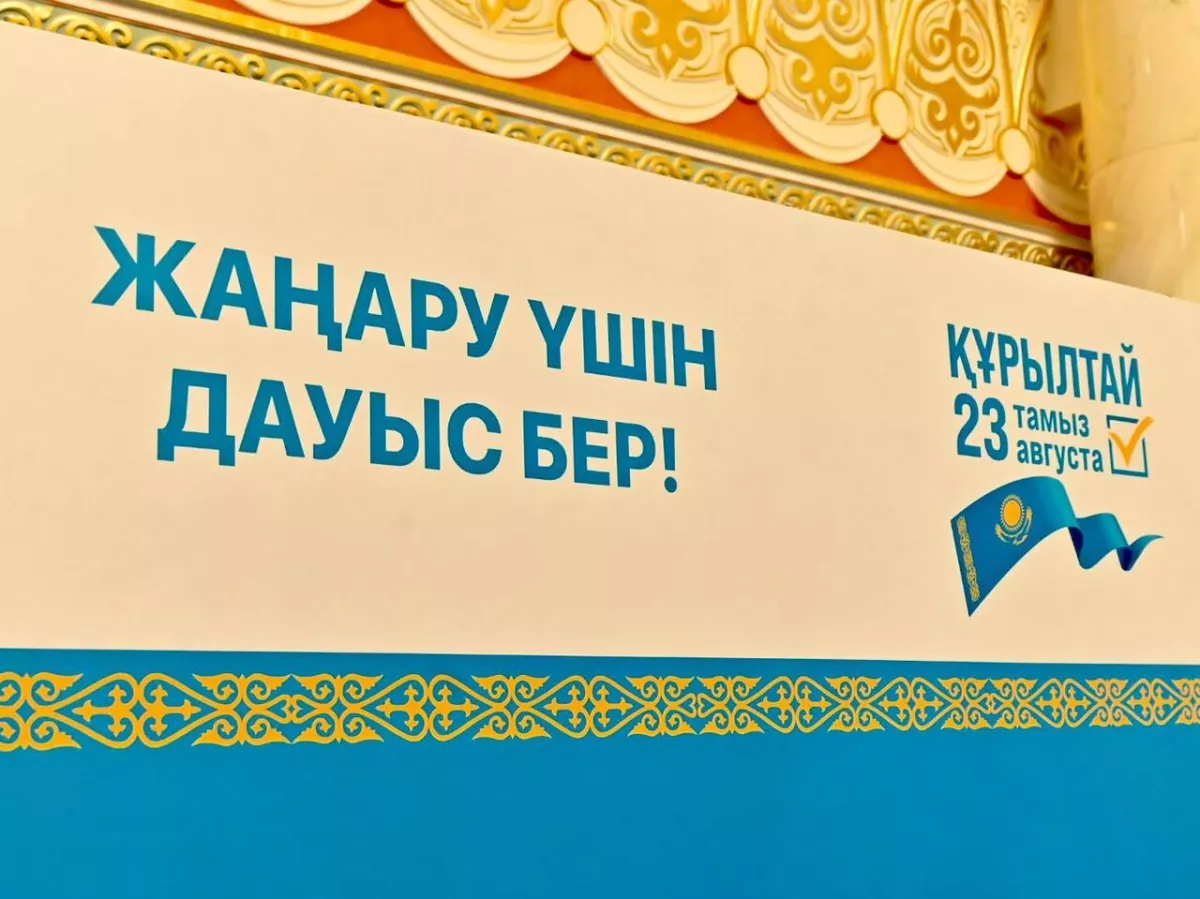
Kazakhstan has held its first parliamentary elections since the adoption of the new Constitution. According to Ken Moriyasu, a senior research fellow at Hudson Institute in the United States, the elections marked Kazakhstan’s transition from the Nazarbayev era to the Tokayev era. The pro-presidential Adilet party secured a convincing victory in the Kurultai elections held on August 23, winning 71% of the vote.
According to the expert, this gives Tokayev a political instrument for consolidating society amid the need to maintain a balance between Russia, China, and the West while continuing Kazakhstan’s multi-vector foreign policy.
What do the election results mean for Kazakhstan? What changes will they bring to the country’s political system, and how could they shape its future?
Kazakh experts shared their views on these questions with Caliber.Az.
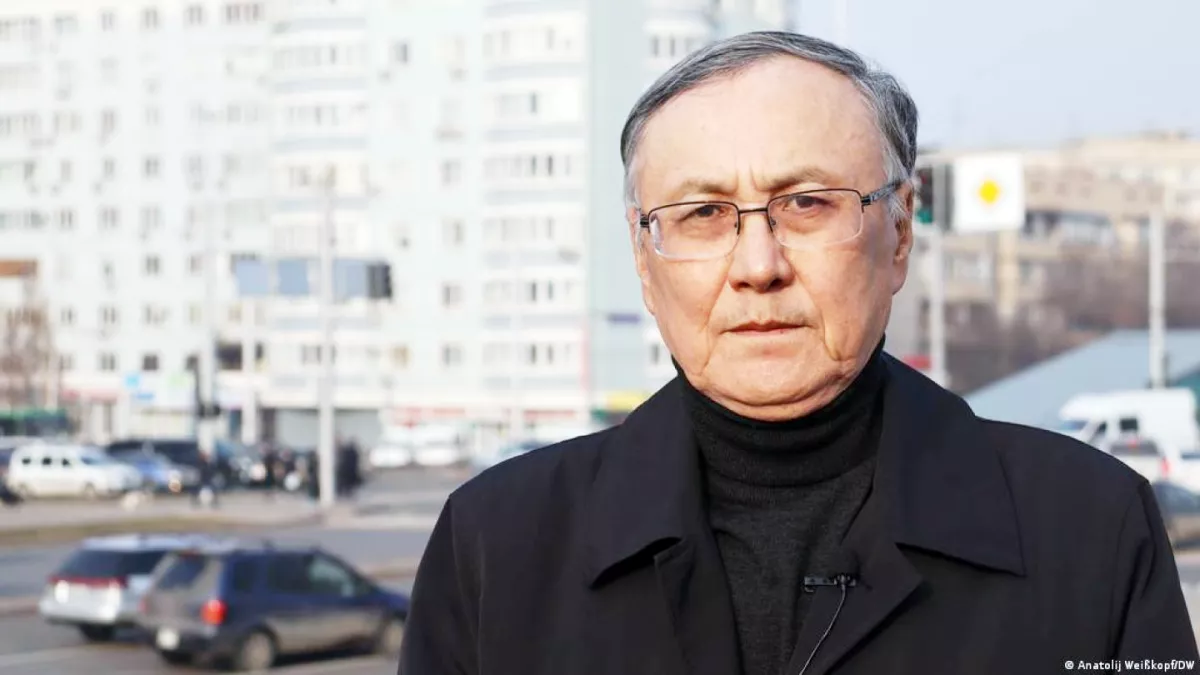
Political analyst Kazbek Beisebayev believes that the assertion that Kazakhstan is moving from the Nazarbayev era to the Tokayev era is accurate.
“Even our parliament now has a different name — the Kurultai — and it has become a unicameral body. Its speaker is the former head of President Tokayev’s administration, while several officials from the presidential administration have become members of parliament. The new Constitution adopted this spring has strengthened the powers of the head of state. The president can now effectively appoint or nominate the heads of all branches of government. At the same time, if parliament rejects his nominees for senior positions, he can dissolve the Kurultai.
Therefore, it can be said that Tokayev has become the country’s full-fledged leader. However, this has happened at a time when two and a half years remain until the end of his presidential term. Tokayev himself has repeatedly stated that he will not violate the Constitution and will not seek a second term. However, the Constitutional Court recently clarified that following the adoption of the new Constitution, he is eligible to run again. The president himself said last week that he has not yet made a decision.
I believe this response is linked to the issue of the vice president. Under the new Constitution, the vice president is appointed by the president. If a prominent political figure is appointed to the post, they could become the leading contender for the next presidency. If, on the other hand, a less well-known figure is appointed vice president, they will most likely serve as the head of state’s deputy and deal with day-to-day matters. In that case, it is quite possible that Tokayev could seek a second seven-year term and use that time to select his successor. The political landscape in Kazakhstan will become clearer after the vice president is appointed and the hierarchy of power is finally established,” Beisebayev explained.
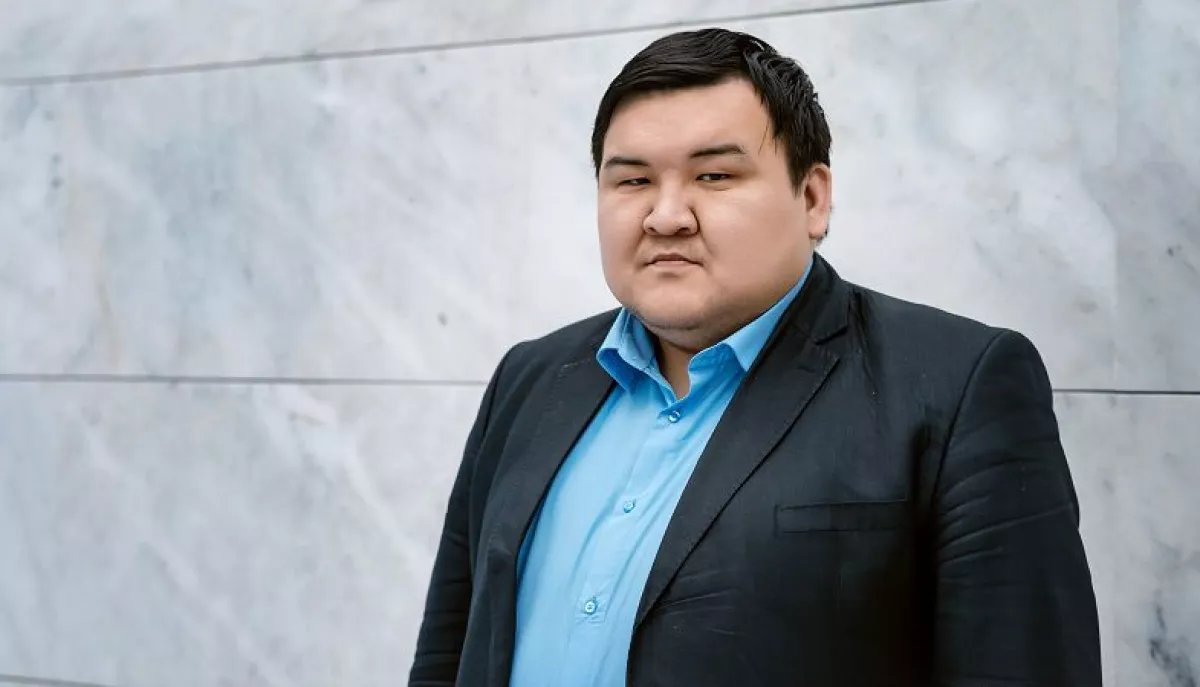
Political scientist and scholar Zhaksylyk Sabitov noted that the outcome of these elections was fairly predictable.
“This is undoubtedly an attempt — apparently a successful one — to build a new Kazakhstan with new political institutions, parties and a ruling political force, as well as new names — for example, the Kurultai instead of the Mazhilis and the Senate. This is the formation of a new ‘Republic 2.0.’ As for the results and political changes, there will be a renewal and, most likely, a change of government: some ministers will leave, while others will remain. But the main thing is the reformatting of the political system.
We are currently living in a situation of uncertainty. In 2029, Kassym-Jomart Tokayev may seek another term, or he may step down. The decision will probably be made in 2027–2028, so it is impossible to say anything with certainty at this point. Overall, these elections marked a turning point, after which life under the new Constitution began. This is Kazakhstan’s third Constitution, and it effectively marks a new stage in the country’s history,” Sabitov said.
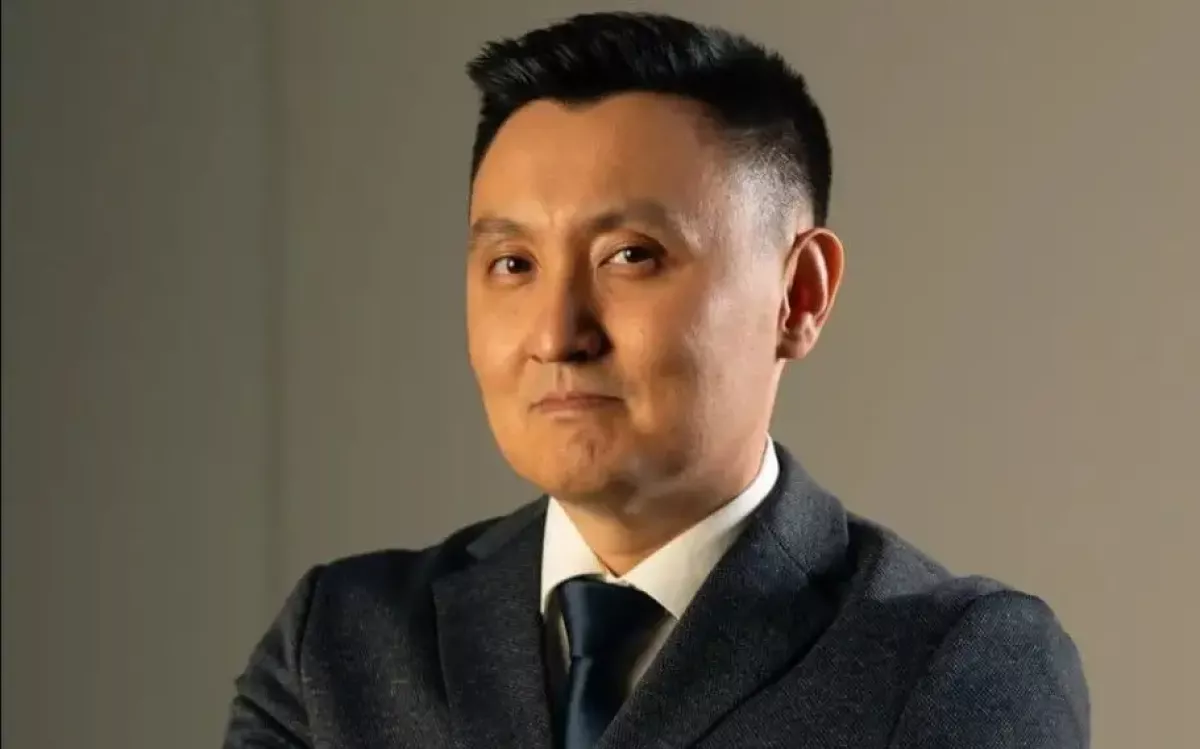
Political commentator Gaziz Abishev, for his part, does not believe that the election of the Kurultai will have any significant impact on Kazakhstan’s foreign policy course.
“We can look at the current Constitution and recall what the president said at the closing of the parliament’s last session in June. He stressed that Kazakhstan remains a strong presidential republic, where the head of state determines the main directions of domestic and foreign policy and serves as supreme commander-in-chief. Regardless of the composition of the Kurultai, the country’s foreign policy would be determined by the president.
This is particularly significant given that the president personally appoints the key officials — the ministers of foreign affairs, defence, and internal affairs; the heads of the presidential administration and the National Security Committee; the secretary of the Security Council; as well as the heads of diplomatic missions. He nominates the speaker of the Kurultai, the vice president and the prime minister, while parliament approves them. At the same time, the Kurultai can be dissolved after rejecting the president’s nominees twice.
Therefore, the election of the Kurultai does not directly affect the country’s foreign policy course. The balanced policy pursued by President Tokayev would have remained unchanged regardless of the composition of parliament,” the expert said.
At the same time, he noted that the Kurultai could indirectly influence foreign policy by shaping the political atmosphere.
“Many so-called populists, known for particularly sharp statements that did not affect strategic decisions but were perceived by foreign players as meaningful signals, failed to enter parliament. In this sense, the composition of the Kurultai is more balanced and emotionally restrained. At the same time, the president’s instructions and proposals remain the parliament’s top priority.
As for the election results, the favourite was obvious: the party created to support the president, which declared his political course to be the foundation of its ideology and is headed by his former chief of staff, enjoyed a corresponding level of public trust.
The main change is the parliamentary reform aimed at streamlining the legislative process and simplifying the political system. It is still difficult to assess its direct impact on the country’s strategic future. This will depend on what initiatives the new parliament puts forward, how the deputies perform in public debates, and how they interact with the president,” Abishev concluded.







 editor@caliber.az
 +994 55 444-88-98
 Азербайджан, Баку, ул. Низами, 203, Af Business House, 5-й этаж