










Could Britain break apart? Scotland, Wales and Northern Ireland test the union Foreign experts on Caliber.Az
The meeting of the leaders of Scotland, Wales and Northern Ireland in Cardiff was, in essence, an unprecedented event, as it was there that the first ministers of the three parts of the United Kingdom effectively agreed on joint action to promote a new campaign for independence.
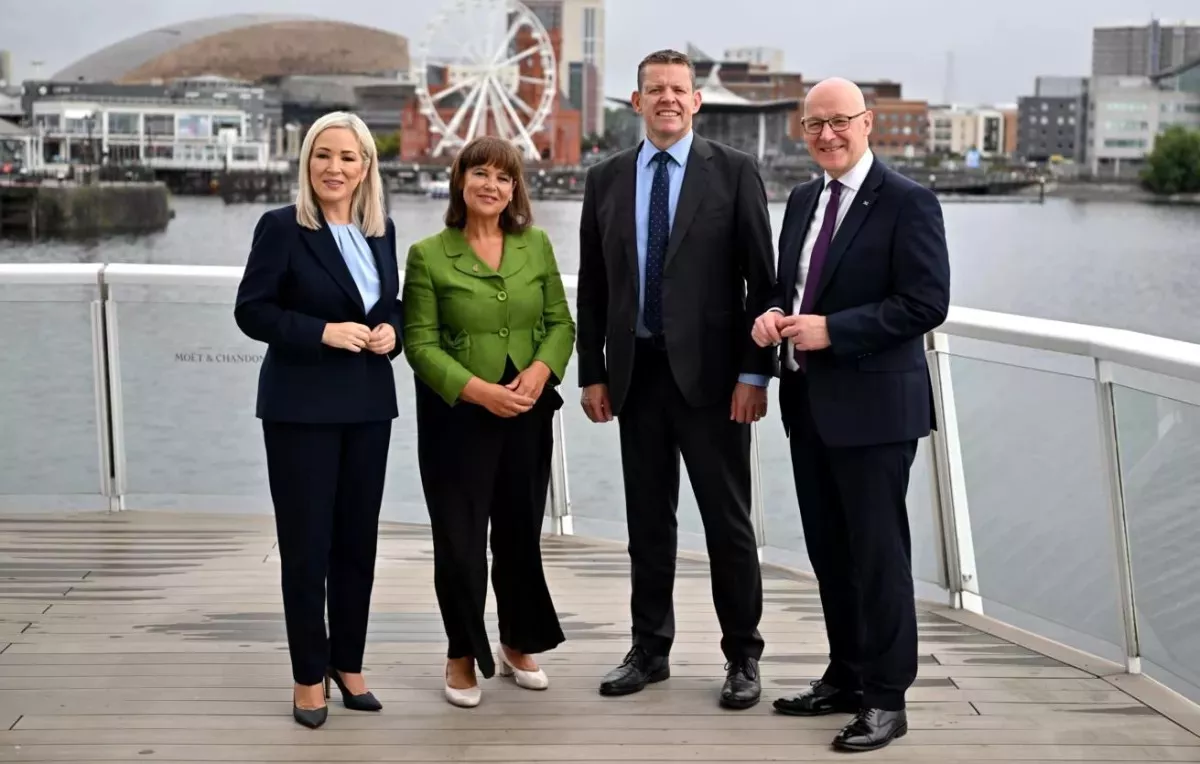
At the historic meeting, John Swinney (Scotland), Rhun ap Iorwerth (Wales) and Michelle O'Neill (Northern Ireland) signed a joint memorandum on the right to self-determination and independence from the United Kingdom. The document called on London to facilitate constitutional changes and highlighted the regions' aspirations for a future within the European Union.
The developments were effectively made possible after Prime Minister Andy Burnham made a high-profile statement in the House of Commons, suggesting that a new referendum on Scottish independence could be held if there were a “clear consensus” in society. Meanwhile, on September 12, US President Donald Trump said he would like to see a united Ireland. During a visit to Dublin, the US president described the possible reunification of Northern Ireland with the Republic of Ireland as “a great thing”.
So, could these developments point to the prospect of the United Kingdom breaking up into separate states? And could Wales, Scotland and Northern Ireland join the EU without England? Caliber.Az put these questions to foreign analysts.

British political analyst Neil Watson believes that we are now witnessing a potentially serious constitutional challenge to the United Kingdom, and that this assessment is difficult to dispute.
“However, caution is needed here, and the developments should not yet be presented as an inevitable break-up of the Kingdom, particularly given that Scotland, Wales and Northern Ireland occupy very different constitutional positions.
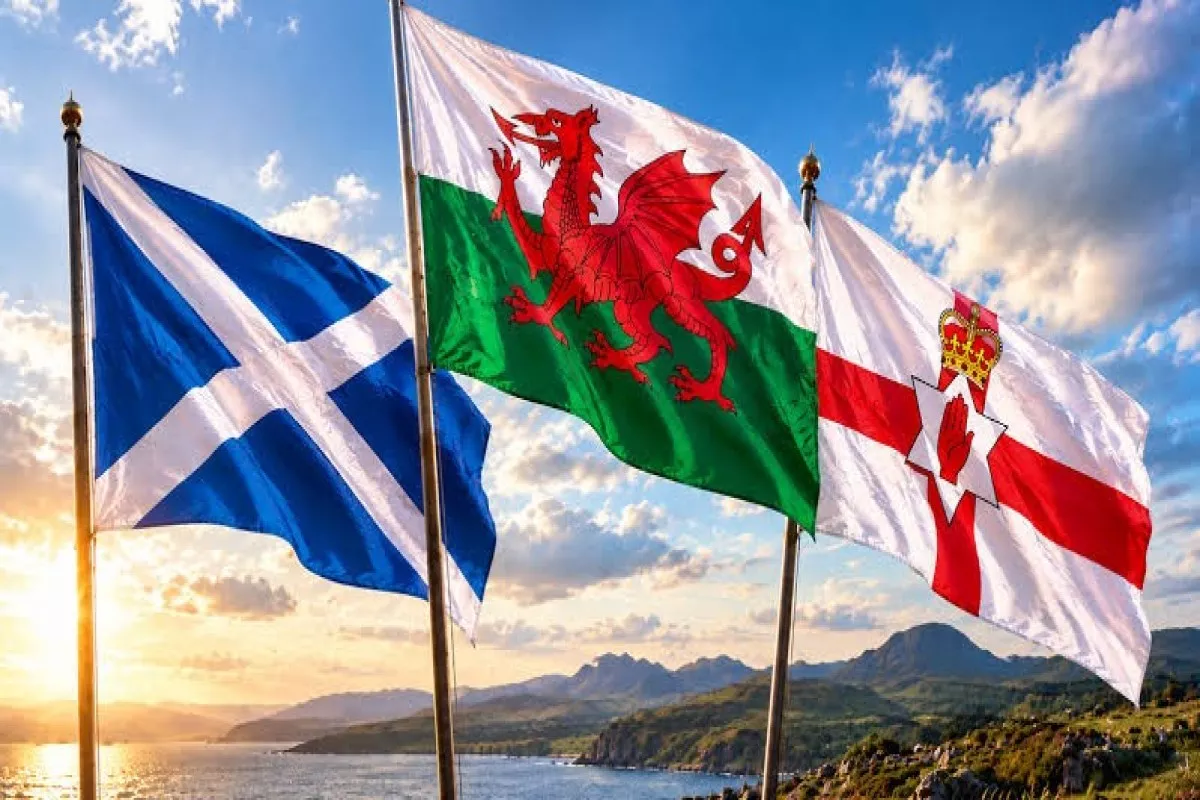
The UK Supreme Court has previously ruled that Scotland cannot unilaterally hold a legally recognised referendum on independence, as matters concerning the Union fall within the exclusive competence of the UK Parliament. Wales faces a similar constitutional constraint. Northern Ireland, however, is fundamentally different: under the Good Friday Agreement and the Northern Ireland Act, a referendum on Irish unity must be called if the UK government believes that a majority of the population would support reunification. This makes President Trump's recent support for a united Ireland particularly significant.
His remarks represent an unusual departure from Washington's traditional caution, likely driven by retaliation against London for its failure to support US actions regarding Iran. However, a distinction should be made between the political preferences of the US president and official US policy, whose institutional position is likely to continue to emphasise the Good Friday Agreement, democratic consent and the peace process.
At the same time, all these developments could certainly create additional friction in the already complex ‘special relationship’ between the United States and the United Kingdom. However, they are unlikely to destroy it, as the relationship is rooted in defence, NATO, intelligence, nuclear cooperation and trade, extending far deeper than disagreements between individual leaders,” he said.
The analyst also noted that the European question is often misunderstood: “In particular, Scotland and Wales could not simply become independent and automatically rejoin the EU. They would have to apply for membership under Article 49, and accession requires the unanimous approval of all EU member states. Northern Ireland, however, is in a different position here as well, since reunification would mean joining an existing EU member state.
In conclusion, I would note that the United Kingdom is unlikely to break up tomorrow. However, something significant is changing: the debate is shifting from whether these peoples have distinct identities to whether the British Parliament can indefinitely deny them the right to determine their constitutional future. This could become one of the defining constitutional dilemmas facing the United Kingdom in the years ahead.”
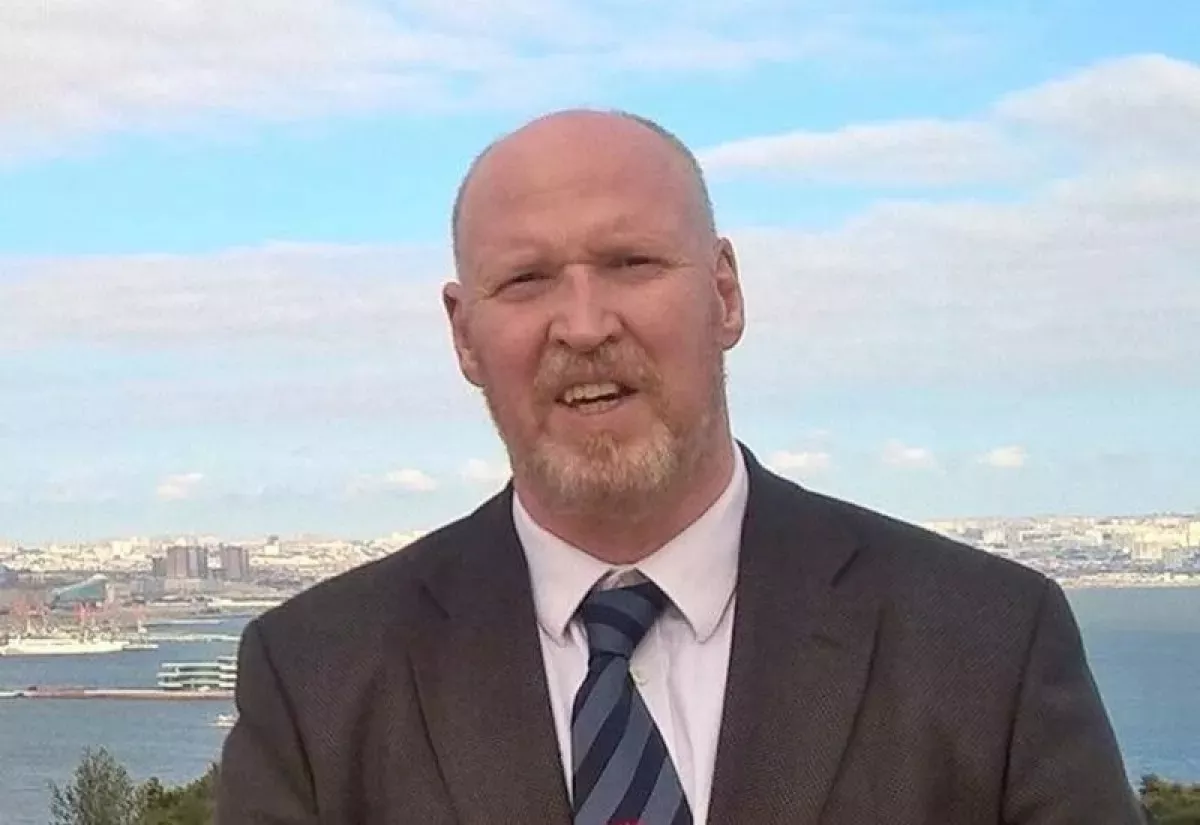
Meanwhile, Irish political scientist and historian Patrick Walsh does not consider the break-up of the United Kingdom an inevitable outcome, but believes that all the signs point in that direction.
“Scotland held a referendum about a decade ago. Although the result was relatively close, the UK Supreme Court’s 2022 ruling effectively closed the door to another referendum without London’s consent. In Northern Ireland, a border poll has never been held. However, as the nationalist population continues to grow, holding such a referendum within the next decade appears quite realistic. Under the Good Friday Agreement, the Northern Ireland Secretary is required to call such a poll if it becomes clear that a majority of voters support Irish reunification.
Thus, Donald Trump’s recent remarks have only increased domestic political pressure. It appears that the idea was put to him by the influential Irish-American lobby in the United States, and the US president could not resist making public statements on the matter. The US president seems to enjoy criticising the United Kingdom and the European establishment more broadly, which is why he openly said that he would ‘love to see it [Ireland] reunified’, adding that ‘it's going to happen eventually’,” the expert said.
He also stressed that Wales has traditionally been less nationalist, but that the secession of Scotland and Northern Ireland could push the region in the same direction.
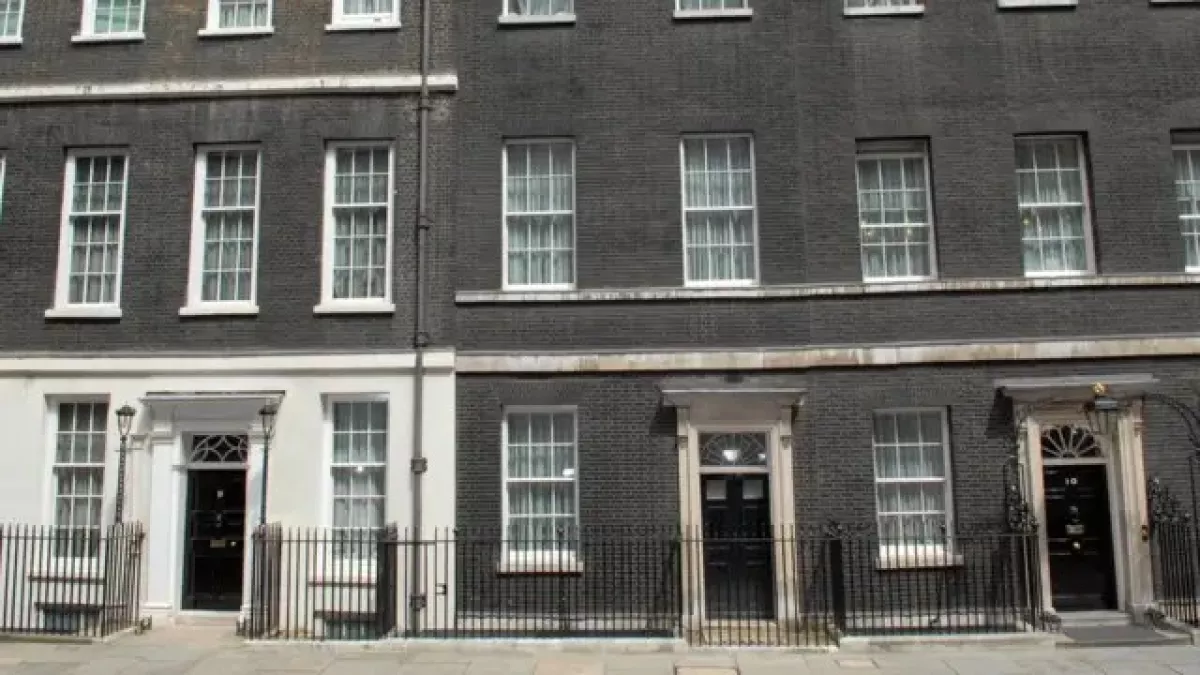
“I believe that, in general, the trigger for the break-up of the United Kingdom could be a Reform Party victory at the next election, which could provoke a rapid ‘rush for the exit’, since all the nationalists hold left-wing and pro-European views. Andy Burnham is therefore the last hope for the British state, which is why the political class, the state apparatus and leading British media outlets are firmly behind him and intend to prevent Farage and the Reform Party from reaching 10 Downing Street,” Walsh concluded.







 editor@caliber.az
 +994 55 444-88-98
 Азербайджан, Баку, ул. Низами, 203, Af Business House, 5-й этаж