










“The world is bigger than five”: Can Erdoğan rewrite the UN rules? Expert opinions on Caliber.Az
Turkish President Recep Tayyip Erdoğan has called for sweeping reform of the United Nations, including the abolition of the veto power in the Security Council, an end to permanent membership and stronger powers for the General Assembly.
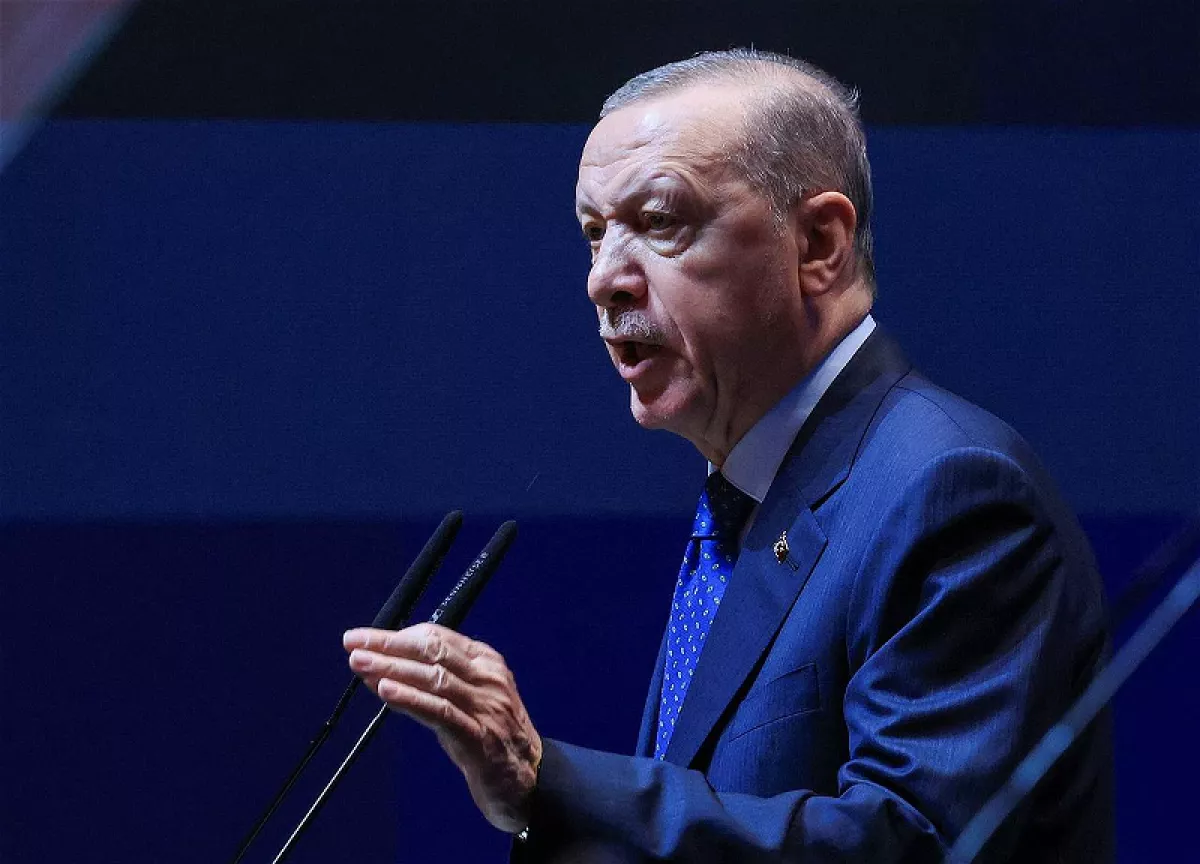
In his view, simply increasing the number of privileged members of the Security Council would not solve the problem of concentrating power in the hands of a limited group of states. “Reform cannot mean granting the same privilege to other states,” Erdoğan said, proposing the formation of a “broad coalition” in the General Assembly around the principle that no state should be able to permanently block the will of the majority.
The Turkish leader also argues that there should be no permanent members of the Security Council: countries should instead be elected by the General Assembly for a fixed term and on a rotational basis.
“We cannot build the international order of the future while preserving the hierarchy of the past. The events of the last quarter-century have shown that no balance of power and no international order is eternal. The system that promised humanity peace, stability and shared prosperity has proved insufficiently effective in preventing new wars, reducing inequality and responding to the changing balance of power,” he said.
In this context, Erdoğan once again put forward the principle that “the world is bigger than five”, calling for the need to reform the UN to be turned into a concrete roadmap.
The Turkish leader’s initiatives are aimed at changing the current decision-making system at the UN and strengthening the principle of equality among states. But is such a reform possible? Is there a mechanism for implementing it? And, most importantly, would the current five permanent members of the Security Council, which hold veto power, agree to it?
Well-known experts shared their assessments of the situation with Caliber.Az.
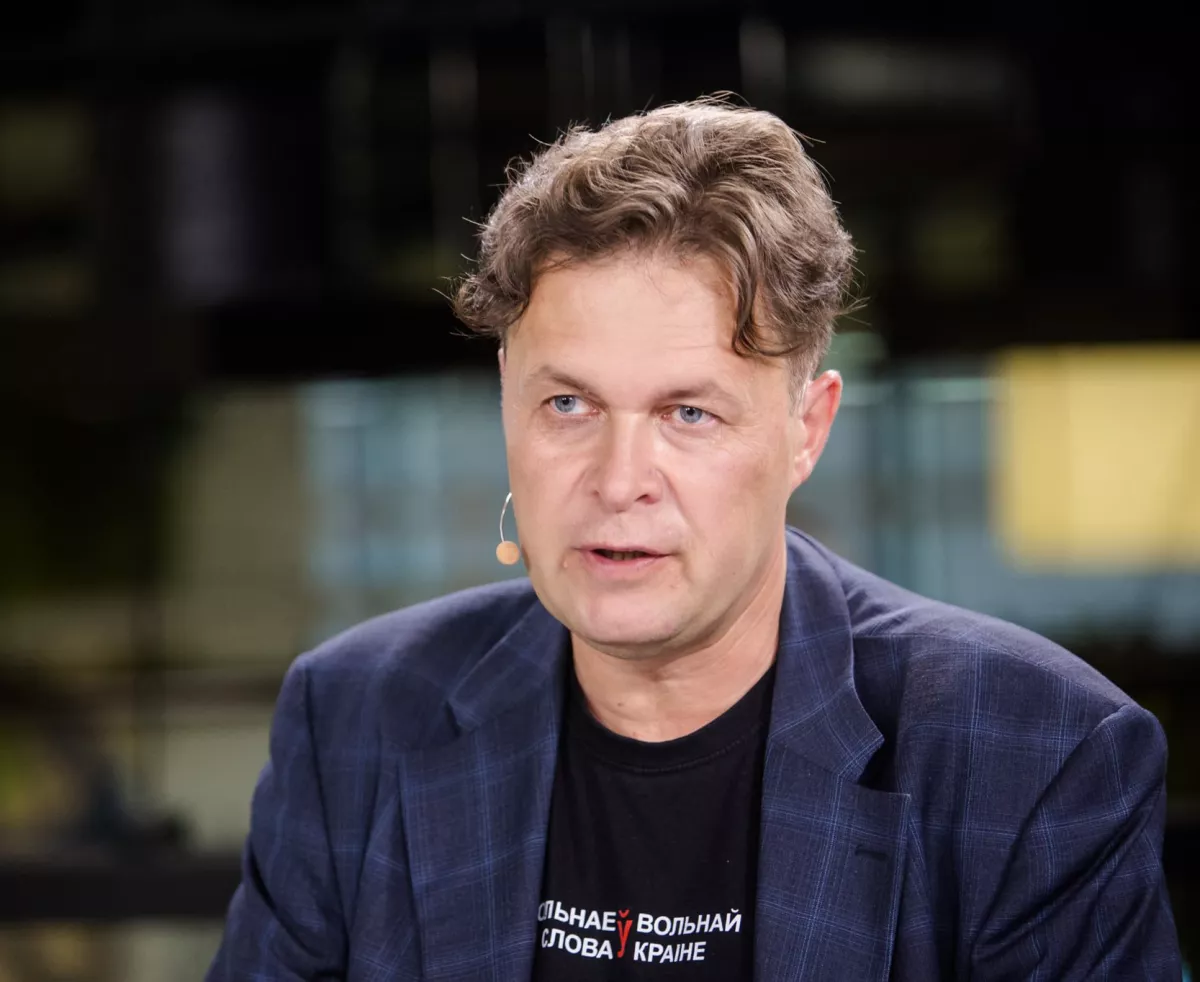
Director of the Kyiv-based Institute for World Policy Yevhen Mahda notes that Recep Tayyip Erdoğan’s initiative is an example of calculated political action.
“The discussion about transforming the United Nations has been ongoing for more than 30 years — since the collapse of the Soviet Union, the emergence of a unipolar world and its subsequent transition towards multipolarity. Erdoğan has used the traditional autumn session of the UN General Assembly to assert the ambitions of a leader of a state that is both a NATO member and seeks to play a prominent role in the Muslim world, at least in its Sunni part.
On this issue, the Turkish leader has been consistent, but he lacks clarity: it remains to be seen whether he is with NATO or with the Muslim world. This dualism opens up new opportunities for him, but at the same time appears to reflect a split in his positioning, which does not always serve the Turkish leader’s interests.
Nevertheless, as an experienced politician, he will continue to manoeuvre between these two statuses. The debate over UN reform serves as a means of political self-positioning for him,” Mahda said.
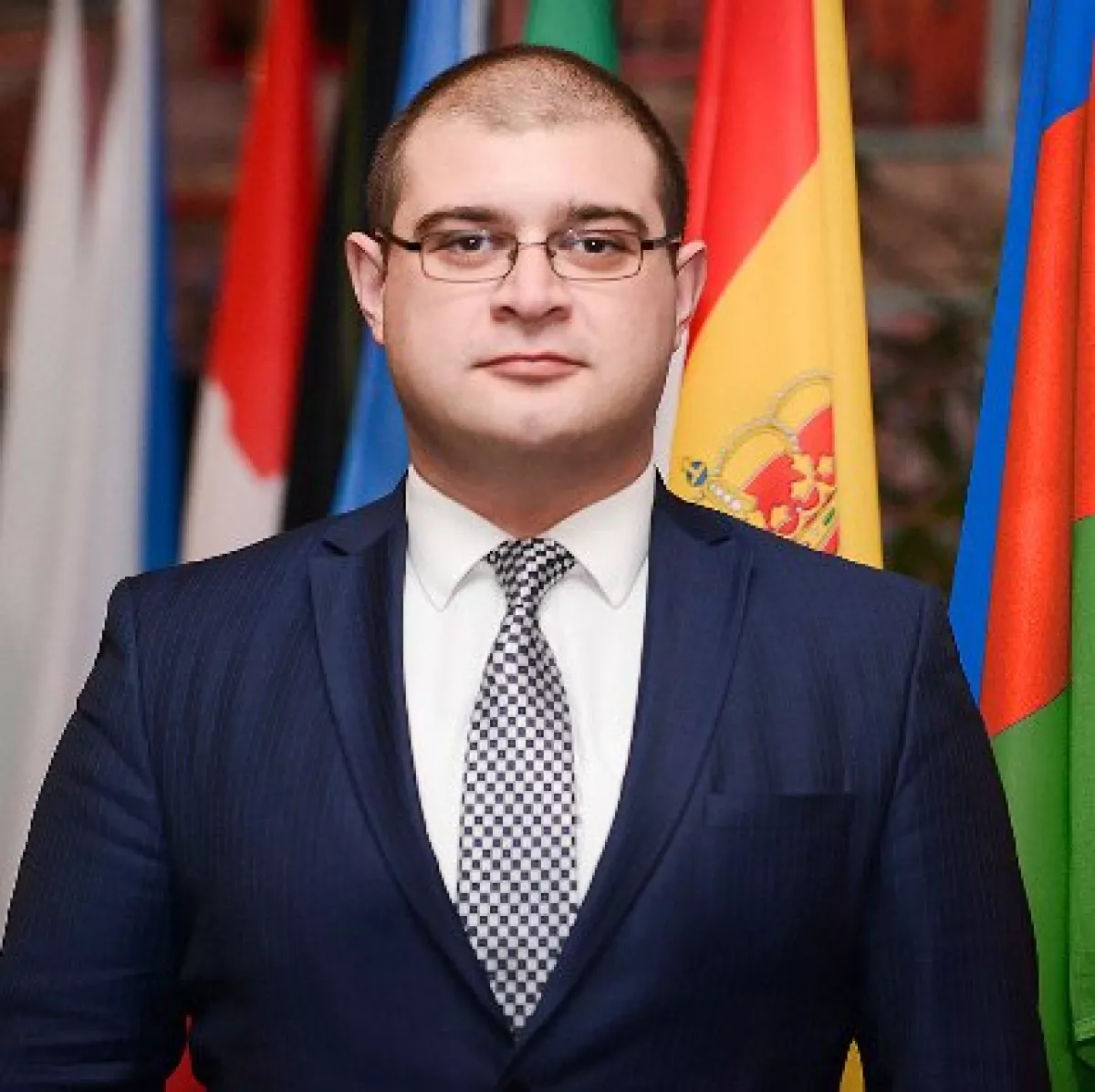
Director of the Caucasus Centre for Political Analysis Ahmad Alili said that President Erdoğan’s proposals essentially amount to changing the UN Security Council system and stripping its members of certain powers.
“The main problem is that even if all members of the UN General Assembly voted to limit the veto power, under the current UN Charter this would not happen without the consent of the permanent members of the Security Council. In other words, they would have to voluntarily relinquish their powers.
It is virtually impossible to force the five countries to give up their rights. Realpolitik does not work in such a way that, if the majority demands something, the major powers are obliged to vote for it. There have been cases when a majority supported certain anti-Israel statements or resolutions, but a single vote by the United States was enough to block them,” the analyst noted.
At the same time, Alili considers reform of the Security Council system entirely possible.
“It should be taken into account that the system itself has undergone changes. Britain and France entered it in 1945 as empires, but the anti-colonial processes of the 1950s and 1960s changed their status. Nevertheless, they retained the privileges they had obtained in 1945. This shows that changes to the system are possible, but they have taken place with the consent of all five permanent members of the Security Council.
China also underwent fundamental changes: in 1945, the seat on the Security Council was held by the government of the Republic of China, now based in Taiwan, but in the 1970s it was replaced by the government of the People’s Republic of China.
After the collapse of the Soviet Union, a similar question arose regarding Russia. Despite the existence of other possible candidates, it was Russia that took the Soviet Union’s seat. The United States also played an important role in these processes.
Now we have reached an interesting point: the United States, which for a long time acted as a guarantor of the stability of this system, is itself, under President Trump, questioning the existing international order. If Trump and Erdoğan can reach an agreement on UN reform, unexpected changes could emerge. Much will depend on their discussions and the position of the US delegation,” Alili believes.







 editor@caliber.az
 +994 55 444-88-98
 Азербайджан, Баку, ул. Низами, 203, Af Business House, 5-й этаж