










Washington’s “hellish sanctions”: A blow to Moscow or a major trade war? American and Russian political analysts on Caliber.Az
On the night of September 19, US President Donald Trump signed a bill introducing “hellish sanctions” against Russia and, according to the president himself, is prepared to activate them if necessary.
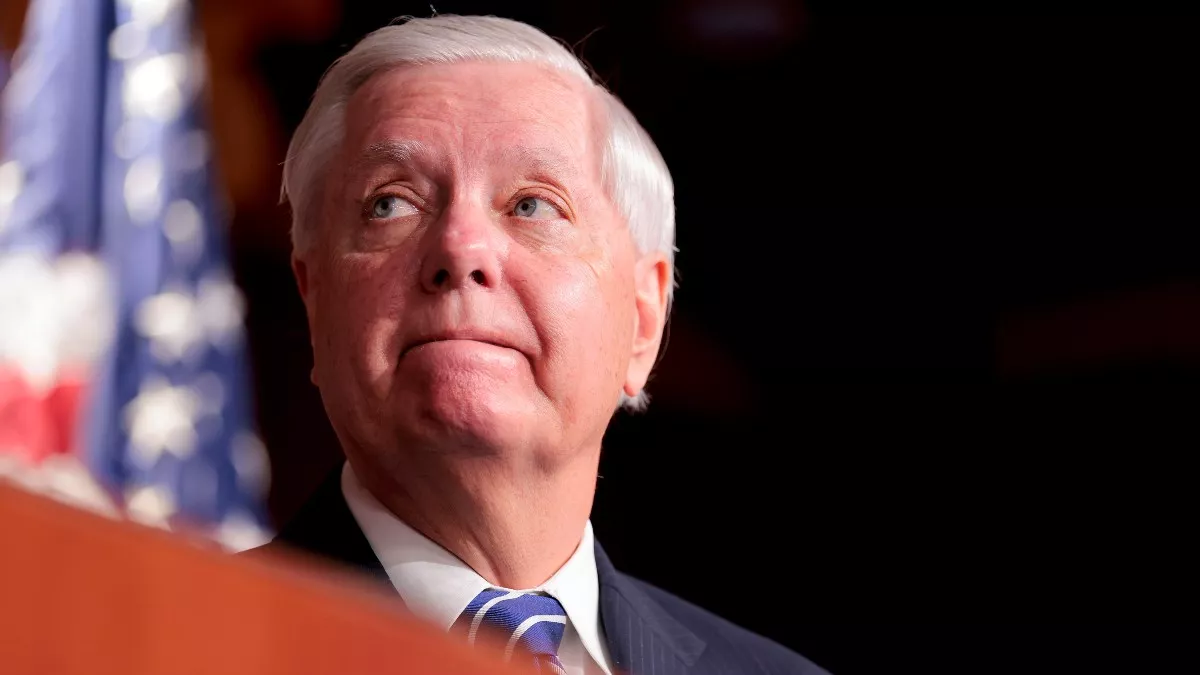
Officially known as the “Lindsey O. Graham Sanctioning Russia Act”, the bill became the final mission of legendary Senator Lindsey Graham, who died in July 2026. Shortly before his death, he personally agreed on the outlines of the package with the White House, turning it from an ordinary legislative initiative into an important instrument of pressure on Moscow. The substance of the new bill goes far beyond conventional restrictions: it imposes punitive tariffs of up to 500% on any remaining Russian goods, completely blocks US investment in Russia and bans trade in Russian sovereign debt.
However, its main “nuclear” element is the secondary measures, which give the White House the authority to impose tariffs of up to 100% on products from the top five countries that continue to purchase Russian oil and gas. This provision has triggered fierce divisions in Congress: while Graham’s supporters have portrayed it as a means of depriving Moscow of revenues to fund its military, Democratic opponents led by Hakeem Jeffries have warned of “unprecedented loopholes” that would give Trump virtually unlimited power to launch global trade wars.
So, will the bill become a real death sentence for Russia’s budget, or will it turn into a vague compromise and another instrument for behind-the-scenes bargaining? And is Asia prepared to enter into open confrontation with Washington over Russian oil?
American and Russian political analysts address these questions in comments for Caliber.Az.

Thus, American analyst, geopolitics and security expert, and editor-in-chief of The Washington Outsider Irina Tsukerman believes that the devastating impact of the new measures exists only on paper for now, while their actual implementation depends entirely on President Trump’s political will.
“Congress has indeed passed a tough bill stemming from an initiative by the late Lindsey Graham, granting the president sweeping powers, including the authority to impose tariffs of up to 100% on the largest buyers of Russian oil and gas. This particular provision could hit Moscow’s revenues harder than many direct sanctions, as Russia has long learned how to circumvent restrictions through Asia.
However, the economic impact will only materialise if Trump actually uses these levers against China and India. If Washington forces New Delhi and Beijing to demand steep discounts from Moscow or reduce their purchases, Russia’s military budget will feel the impact immediately. However, the mere signing of the bill does not mean an automatic blow — Trump has been given the authority to decide personally how aggressively to use this weapon and whom to target, turning the threat of sanctions into a subject of behind-the-scenes bargaining,” she said.
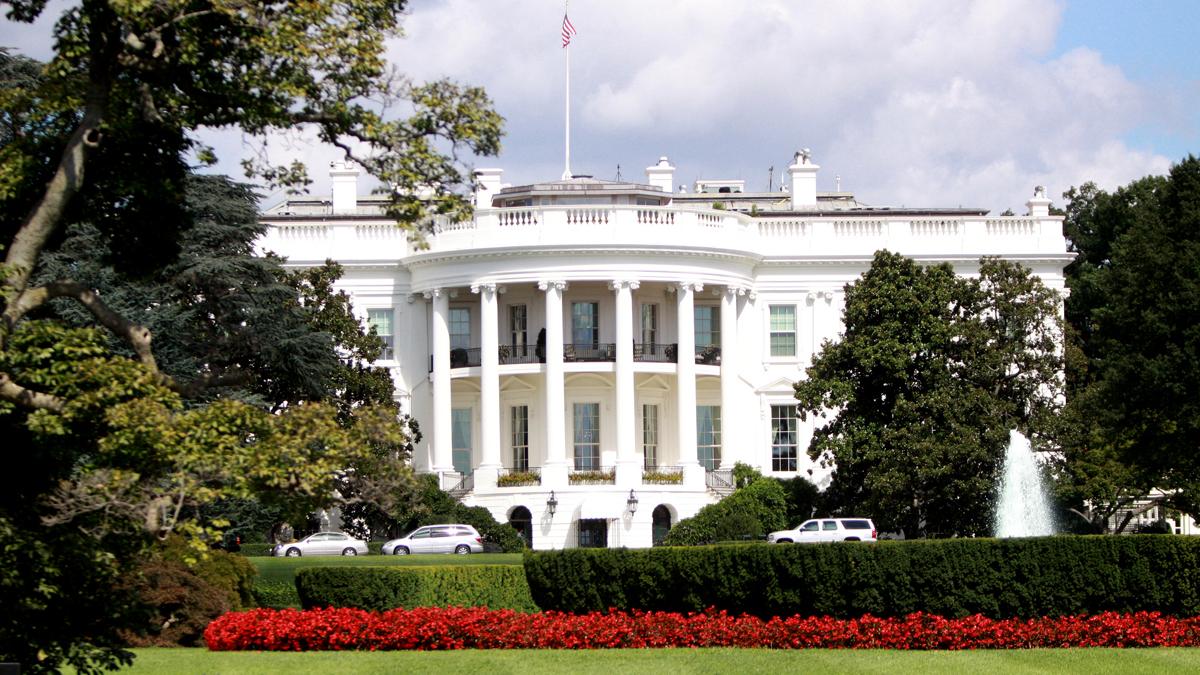
The expert also noted that an attempt by the White House to put heavy pressure on major buyers of Russian energy resources carries enormous geopolitical risks for the United States itself and could trigger a global crisis.
“Washington runs a serious risk of damaging relations with countries it is trying to keep within its orbit as part of its competition with China. India is the most difficult case here. Faced with a choice between Russian oil and the US market, the Indian government could engage in a serious confrontation with Washington.
China is no easier to deal with — Beijing has enormous capacity to mount a symmetrical economic response. Moreover, the abrupt removal of Russian oil from the market would drive up global energy prices. Against the backdrop of the turmoil in the Middle East and threats to shipping in the Red Sea, this would come as a shock to the market: oil prices would rise, Russia would partially offset its losses through higher prices, while American consumers would face another increase in petrol prices, turning into a domestic political problem for Trump himself,” Tsukerman stressed.

Meanwhile, Russian political analyst and economist Vladislav Gerdin believes that the “hellish sanctions” law is primarily not an economic death sentence but a classic instrument of tough political bargaining that the White House intends to use as a battering ram.
“Donald Trump signed the document, but Washington has not activated all of its mechanisms at once, effectively turning the law into a long-term lever of pressure in negotiations. And this sword is hanging not only over Moscow, but also over Beijing and New Delhi. The threat of imposing 100% tariffs on goods from countries that purchase Russian oil amounts to direct economic coercion of key Asian players, aimed at making them more accommodating in their dialogue with the United States.
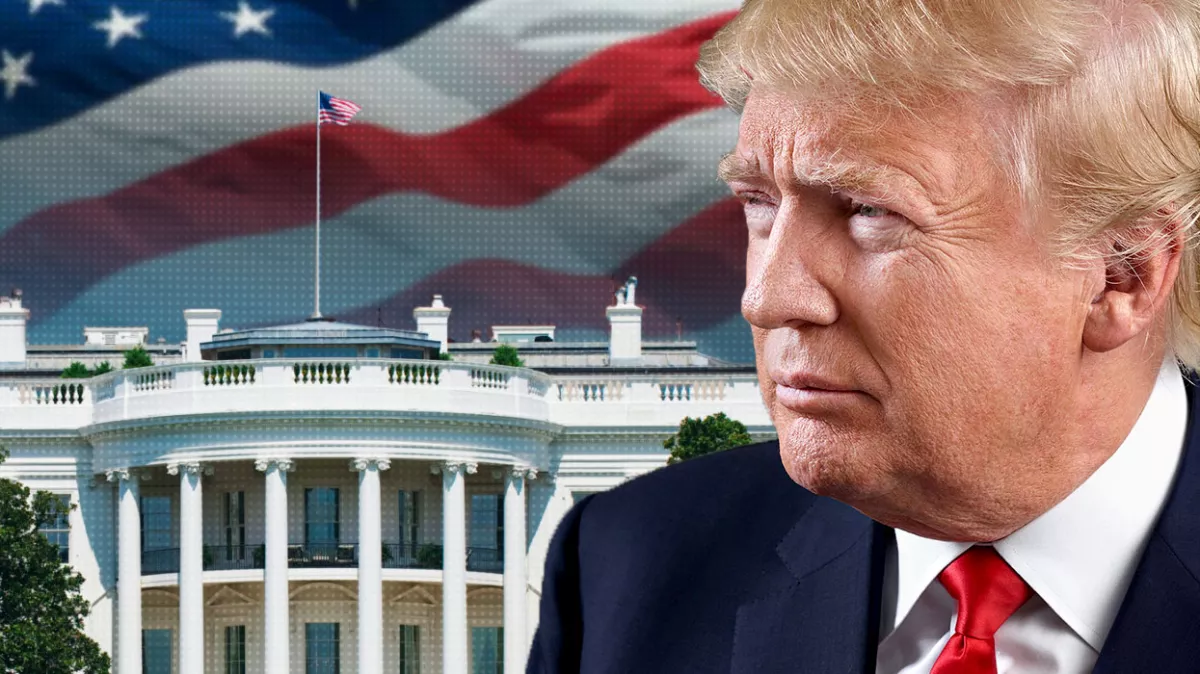
The main and most serious danger posed by the document lies in the sphere of sanctions law, specifically the codification of restrictions. Elevating sanctions to the level of law means that they become entrenched for decades. Trump or his successors will no longer be able to lift them by executive decision alone — congressional approval will be required, turning the sanctions track into an irreversible process.
In addition, the Americans are radically lowering the evidentiary standards for imposing secondary sanctions. The US Treasury will no longer need to prove that a foreign bank deliberately sought to circumvent the restrictions. It will be enough to establish that the bankers ‘should have known’ about the Russian connection. This is a major blow to international compliance, making it significantly more difficult to find new financial intermediaries,” he said.
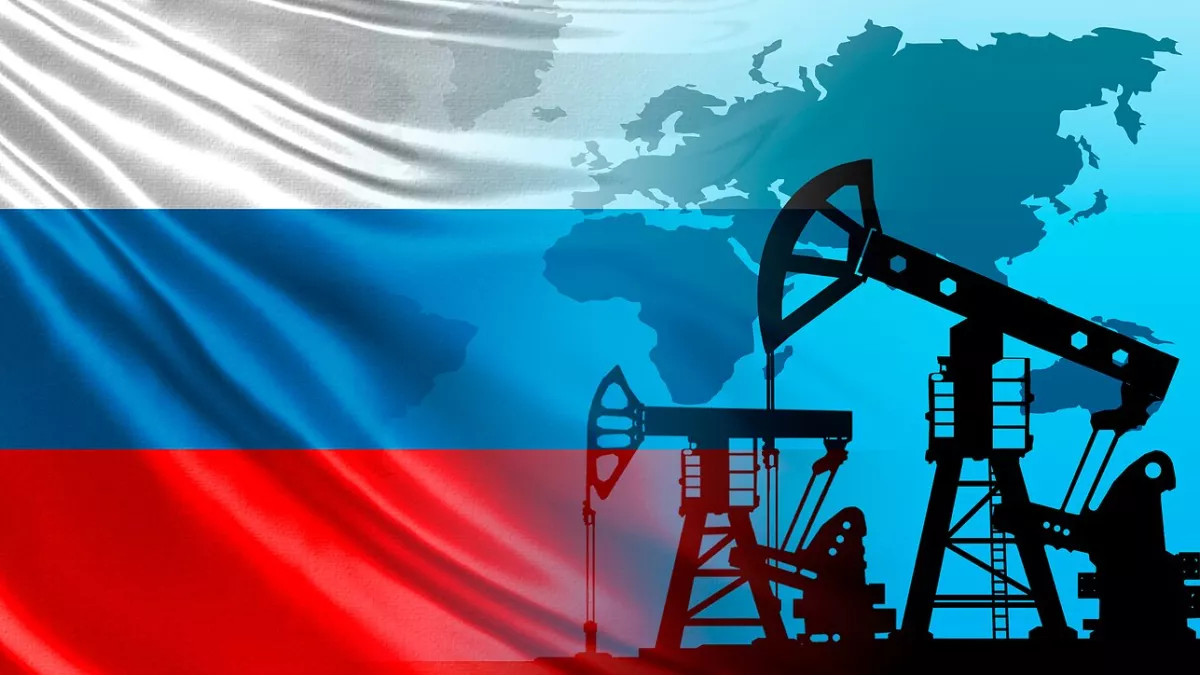
For Russian exports and the oil and gas sector, the expert identifies three basic scenarios for how events could unfold.
“The first is the forced rerouting of supplies. If major buyers such as India become cautious out of fear of US tariffs, Russia will have to urgently seek even more distant markets, increase logistics costs and offer deeper discounts. Otherwise, it will become necessary to reduce production volumes.
The second scenario is an increase in risk costs. Physical supply volumes may remain unchanged, but intermediaries, tanker companies and insurers will sharply raise their fees to account for sanctions risks, significantly reducing the net profitability of exports.
And finally, the third scenario is tough bargaining by counterparties, who will cynically use US threats as their main argument to extract maximum discounts from Moscow. In other words, the commodities will continue to flow, but budget revenues will fall significantly.
Nevertheless, Washington should not expect Beijing or New Delhi to surrender blindly. Over the past few years, the Asian giants have accumulated extensive experience in circumventing Western barriers. China has enormous economic weight, and a direct attack on its institutions could provoke a painful response for the United States. India has less room for manoeuvre, but New Delhi has repeatedly demonstrated that its own national and economic interests come first.
To sum up, I would note the following: the Russian economy will continue to adapt to the pressure, as a certain degree of resilience and alternative channels are already in place. However, the new round of US legislation will substantially increase the cost of this adaptation and make any attempts at a diplomatic settlement a lengthy and extremely difficult process,” Gerdin said.







 editor@caliber.az
 +994 55 444-88-98
 Азербайджан, Баку, ул. Низами, 203, Af Business House, 5-й этаж