










Negotiation maze: What did the US and Iran discuss in New York? Foreign experts on Caliber.Az
On Tuesday, 22 September, the focus of the international community was on New York, where, on the sidelines of the 81st session of the UN General Assembly, US and Iranian officials met for the first time in several months. US President Donald Trump personally confirmed the meeting, saying that the talks, which lasted around three hours, had been “very productive”.
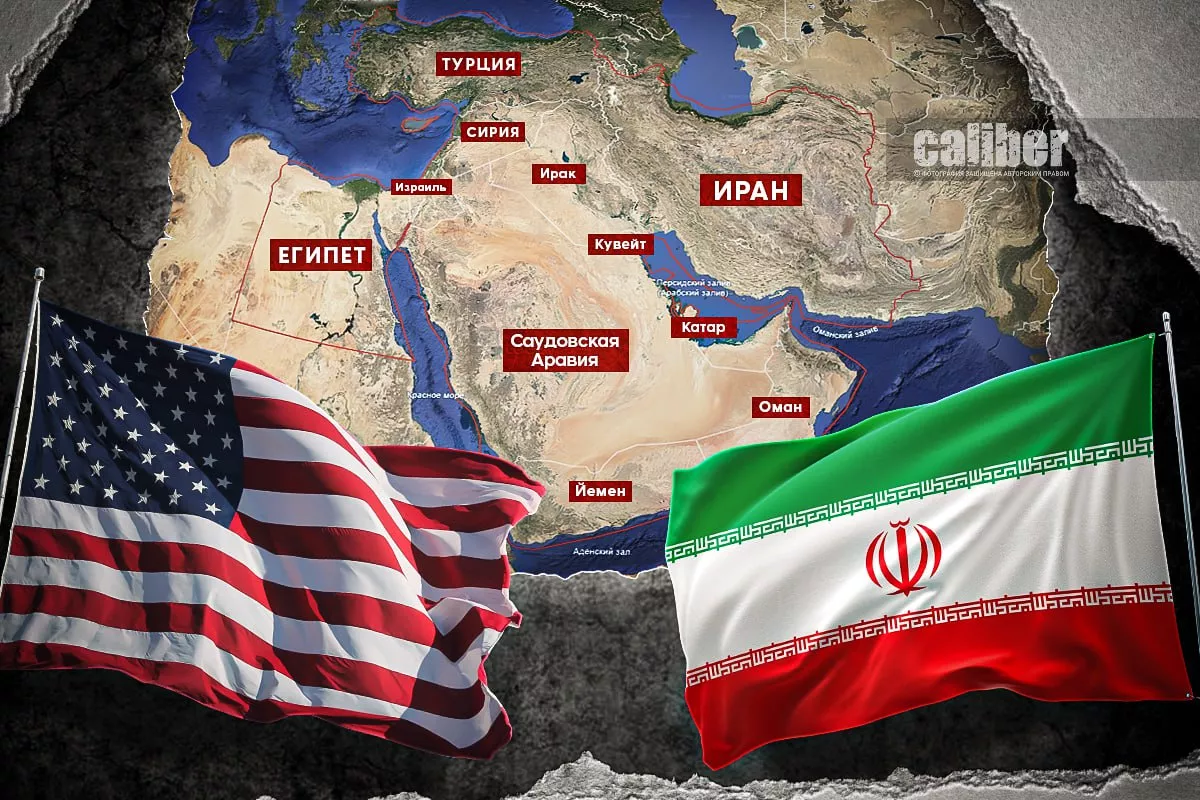
The US delegation included special envoys Steve Witkoff and Jared Kushner, while Iran was represented by Foreign Minister Abbas Araghchi. The talks were held with the mediation of Qatar and Pakistan. As Witkoff wrote on X, “Today, on the sidelines of the United Nations General Assembly, we engaged in lengthy talks with the Iranian delegation through the mediators, who shuttled between the two sides throughout the day. They successfully completed a round of discussions that we hope will prove constructive and promising. The mediators will continue their work.”
However, despite the positive messages, there is also a degree of scepticism, fuelled by a number of circumstances. In particular, while the New York talks were under way, certain political forces in Iran issued statements that had little to do with a peaceful agenda. At the same time, US President Donald Trump’s own position remains somewhat unclear: according to the latest information, the White House does not plan for him to meet or hold talks personally with Iranian President Masoud Pezeshkian, who is currently in the United States.
As the situation remains ambiguous, Caliber.Az turned to a political analyst specialising in Iran, an Orientalist and a US expert to shed light on what is happening along the US-Iran track.
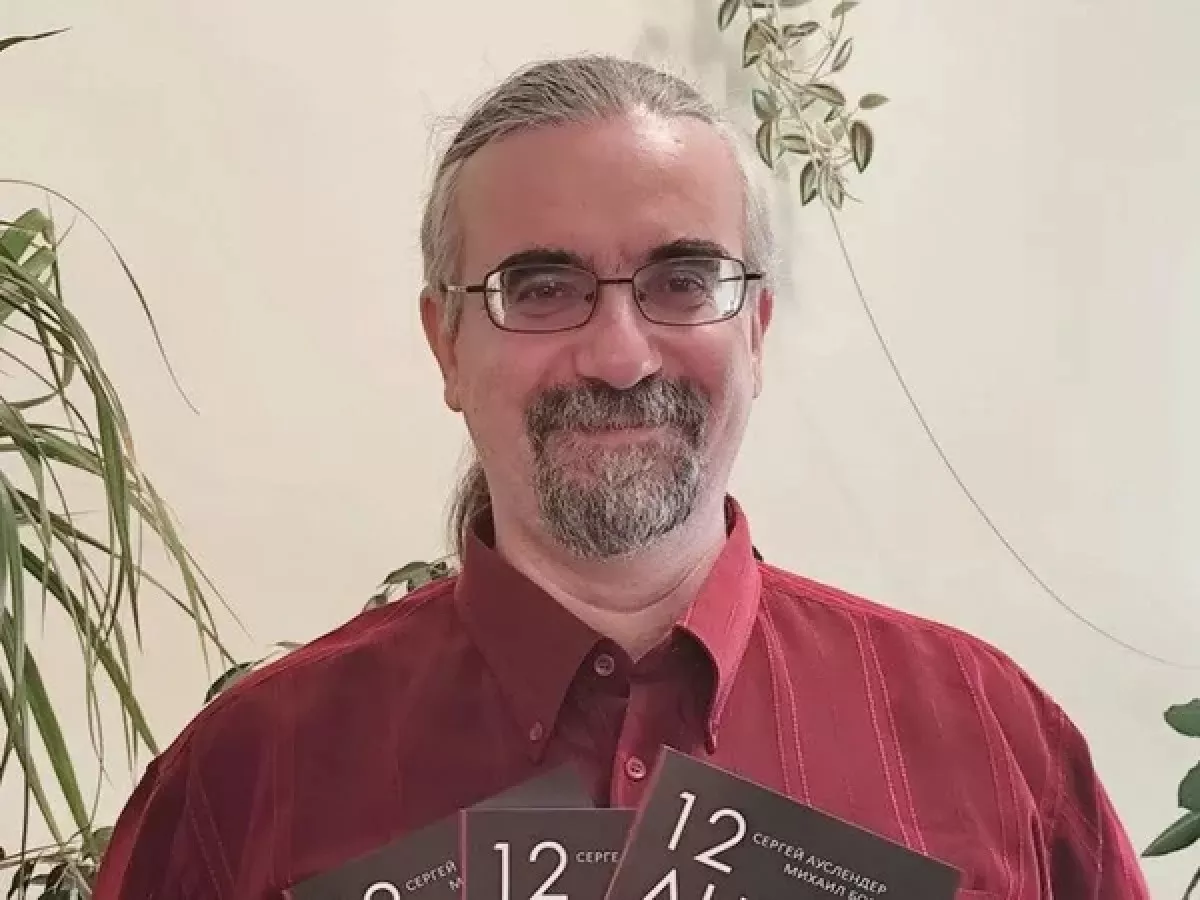
Israeli researcher on Iran and author of the Oriental Express Telegram channel Michael Borodkin believes that the talks in New York will not fundamentally change the situation.
“All the signals are coming from the Pezeshkian–Ghalibaf camp, but they are not the ones making the decisions. The security establishment and the radicals continue to send the same message: we have won, let the US leave the region, and then we will see how they behave. At the same time, in my view, the Iranian president’s position is marked by excessive optimism that is not shared by most of the forces within Iran’s power structure.
Although some interim results cannot be ruled out, and these could even lead to a temporary reopening of the Strait of Hormuz, everything will then return to square one, because Tehran remains satisfied with only one arrangement in the strait: payment for the passage of every vessel.
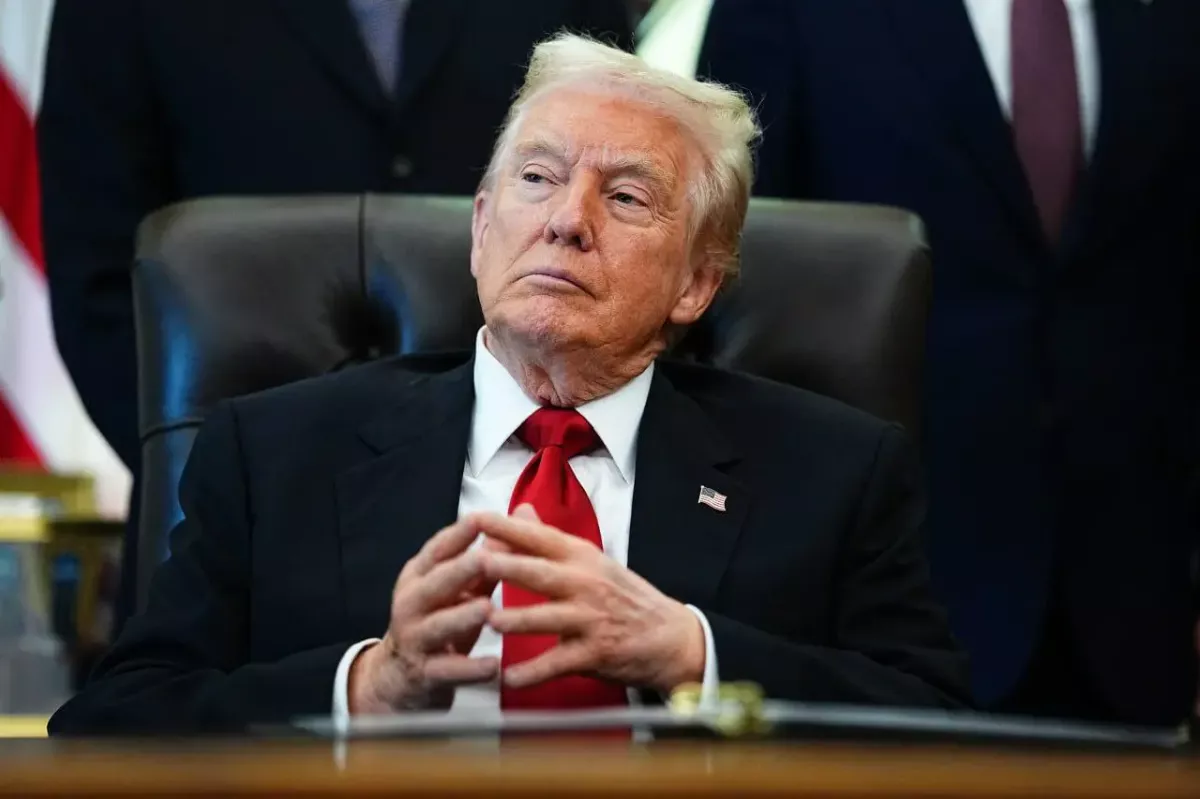
Trump sees the situation differently. He wants to reach a deal, but on his own terms, while the Iranian side does not accept most of them. At the same time, the US demands remain unchanged: strict international control over Iran’s nuclear programme, something Tehran does not even want to hear about.
There are also demands concerning restrictions on missile range and support for terrorism, but these are secondary. The US president is even prepared to drop them in exchange for an agreement on the nuclear programme. However, Iran is not satisfied with this approach either,” Borodkin said.

Meanwhile, Russian-German political analyst and Orientalist, and editor-in-chief of the Poistine portal, Ruslan Aysin, expressed doubts about any breakthrough in the negotiation process.
“Iran is a master of all kinds of negotiations, particularly when it comes to drawing its opponent into a dead-end process. Moreover, it is arguably the United States that is currently more interested in reaching a deal, because the country will hold midterm elections in November. This means that both Trump and the ruling Republican Party now need to curb inflationary pressures and bring down fuel prices, which have already exceeded $6–8 per gallon. That, in turn, depends on resolving the situation in the Middle East, particularly in the Strait of Hormuz, where oil tankers are getting stranded.
At the same time, it should not be forgotten that in the United States, as in all major industrial economies, fuel prices are one of the key indicators of prosperity, economic stability and consumer spending,” the political analyst stressed.
In his view, the Iranian side is deliberately dragging out the process until November in order to inflict maximum political and economic damage on the Republicans and Trump, effectively playing into the hands of the Democrats.
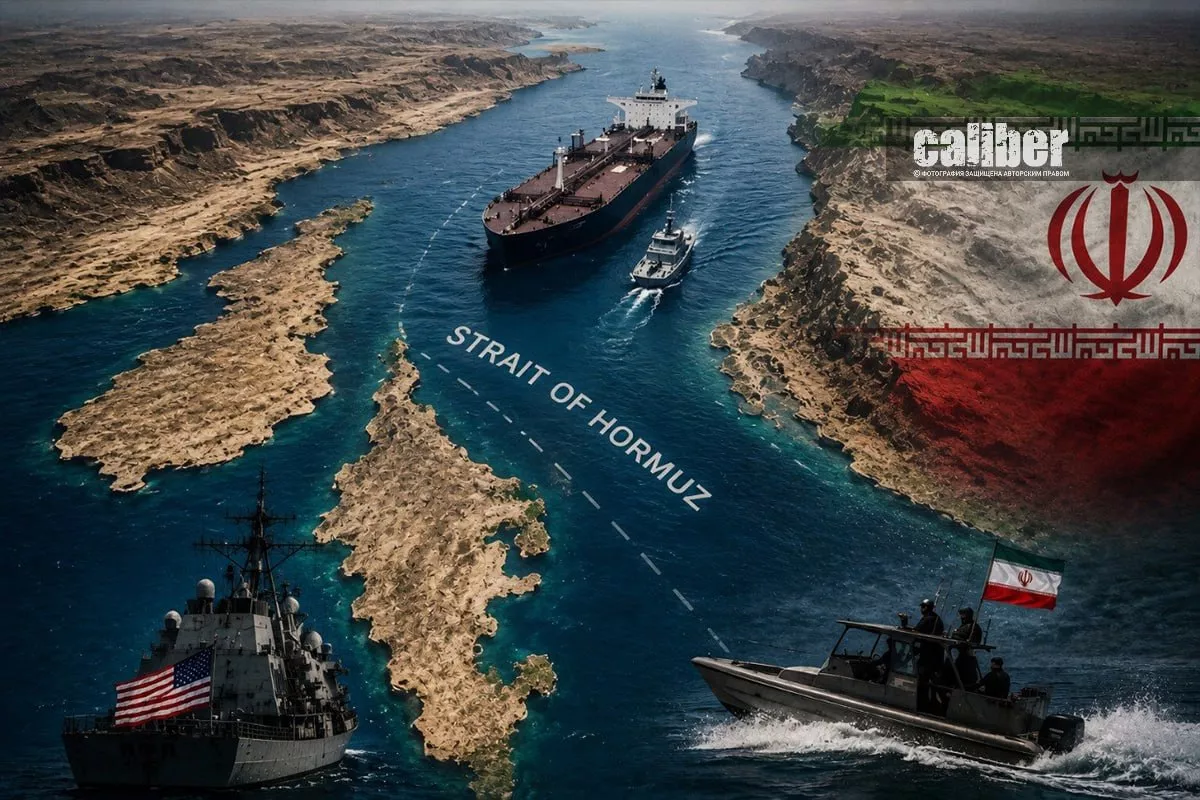
“Thus, the situation is unfolding according to the classic principle: the enemy of my enemy is my friend. Therefore, the United States will now offer various benefits and incentives to persuade Iran to unblock the Strait of Hormuz and exert pressure on the Houthis to open, at least partially, the Bab el-Mandeb Strait. In other words, the Iranian side is not refusing to negotiate, but it is dragging out the process.
At the same time, Washington faces another problem: even if the sides do reach an agreement now, it will not be possible to bring prices down within a month.
Tehran, of course, is also suffering significant economic and financial losses, because oil exports are its main source of revenue and foreign currency. Thus, the two countries find themselves in what is known as a lose-lose situation, with each ultimately seeking to achieve a win-win outcome. Is such an outcome possible? It is very difficult to answer that question, because the balance that existed for many years in US-Iran relations has now been disrupted,” Aysin said.
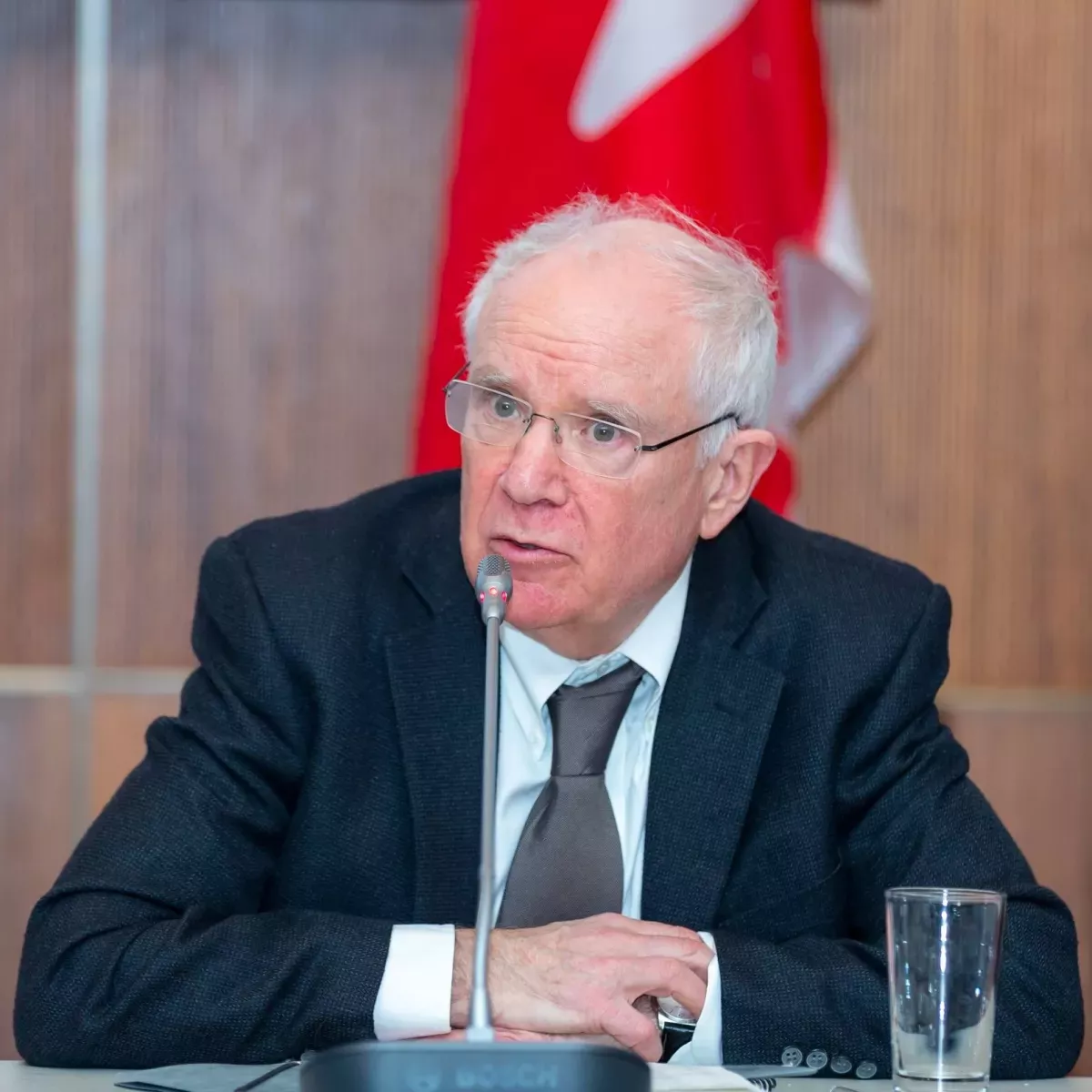
Meanwhile, American political analyst and human rights advocate, and former executive director of the International Helsinki Federation for Human Rights, Aaron Rhodes, believes that, given Tehran’s traditional approach to negotiations, it can be assumed that the Islamic Republic has no intention of loosening its grip on the Strait of Hormuz.
“The Iranian side seeks to prolong the negotiations and maintain a low-intensity conflict while avoiding large-scale clashes. This allows it to keep oil prices high, deplete US weapons stocks and inflict further damage on Trump’s political standing and the reputation of the United States, thereby advancing interests it shares with China and Russia.
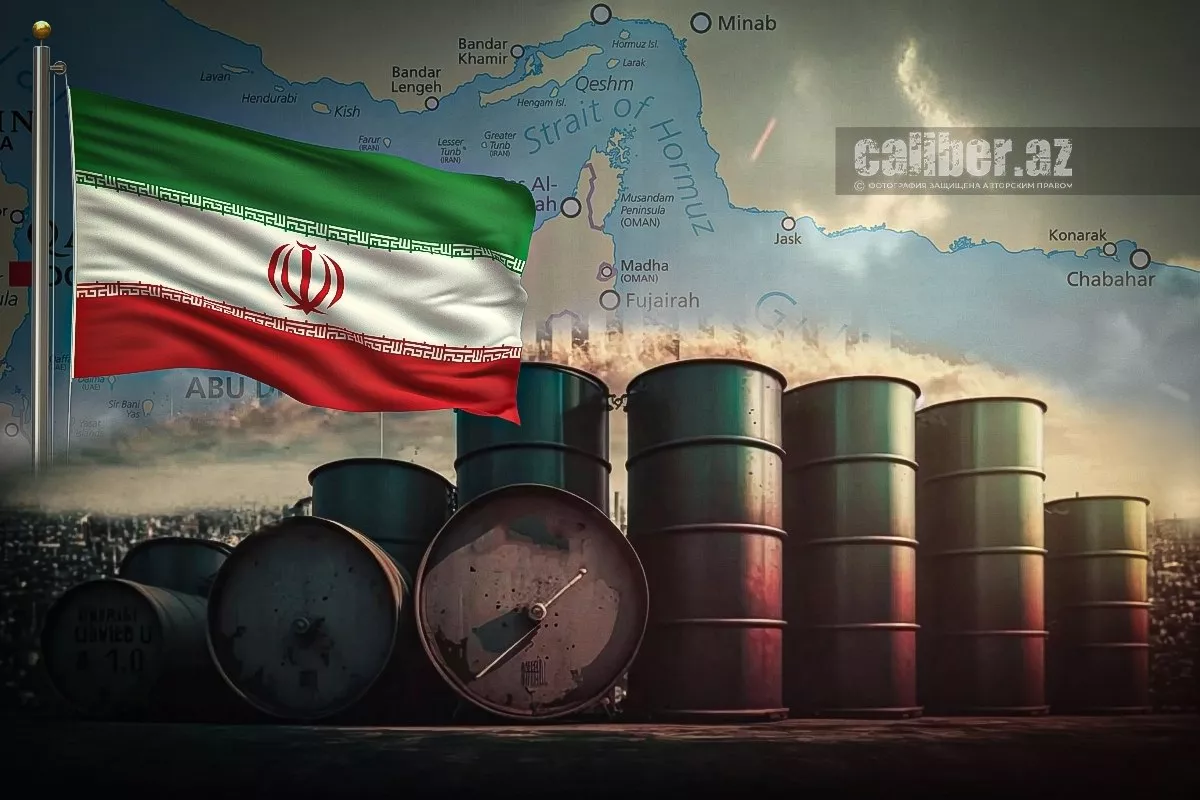
Thus, the Islamic Republic has trapped the United States: a situation has emerged in which America cannot achieve victory other than through forcible regime change. However, such a scenario would result in the deaths of a huge number of civilians and would likely require a ground invasion, entailing heavy losses among US service members. Such an outcome would be unacceptable both to the United States and to Trump,” Rhodes concluded.







 editor@caliber.az
 +994 55 444-88-98
 Азербайджан, Баку, ул. Низами, 203, Af Business House, 5-й этаж