










Azerbaijan’s two Septembers: Restoration of sovereignty and the rise of a middle power Expert opinions on Caliber.Az
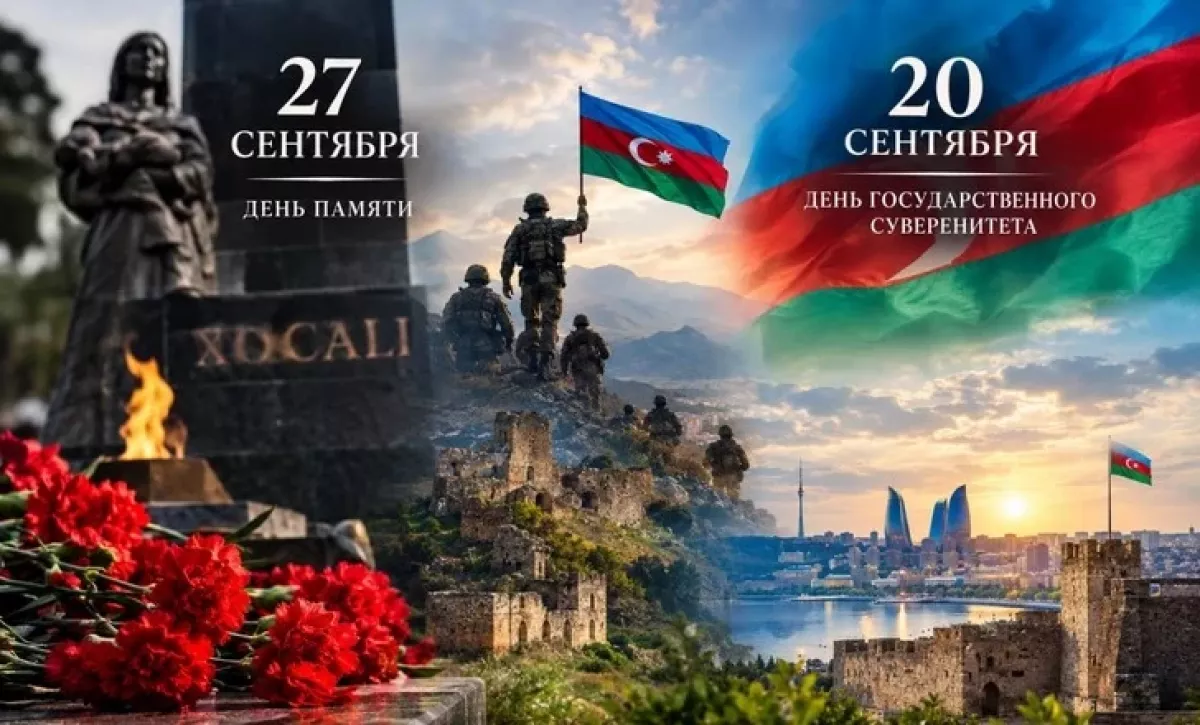
September 27 marks the anniversary of the start of the 44-day war in Karabakh — the Second Karabakh War. The hostilities, which began on this day in 2020, ended on November 10 with a trilateral ceasefire statement. In Azerbaijan, September 27 is observed as Remembrance Day in honour of the servicemen who lost their lives defending the country’s territorial integrity.
Despite the ongoing negotiation process, the war did not result in the full restoration of Azerbaijan’s territorial integrity. Three years later, on September 19, 2023, Baku launched a local anti-terror operation, saying it had been preceded by provocations and mine explosions that killed Azerbaijani servicemen and civilians. The objectives of the operation were to disarm Armenian armed formations, neutralise their military infrastructure, and restore constitutional order.
The operation ended in less than a day. On September 20, the armed formations agreed to fully disarm, while the separatist regime in the region ceased to exist. In Azerbaijan, September 20 is observed as State Sovereignty Day, commemorating the restoration of the country’s full state sovereignty. These events are regarded as the final stage in restoring Azerbaijani control over its territory within its internationally recognised borders.
What is the historical and geopolitical significance of the Second Karabakh War and the 2023 operation? What circumstances led to these decisions, and how did they alter the balance of power and the strategic environment in the South Caucasus?
These questions were addressed by prominent foreign experts in comments to Caliber.Az.
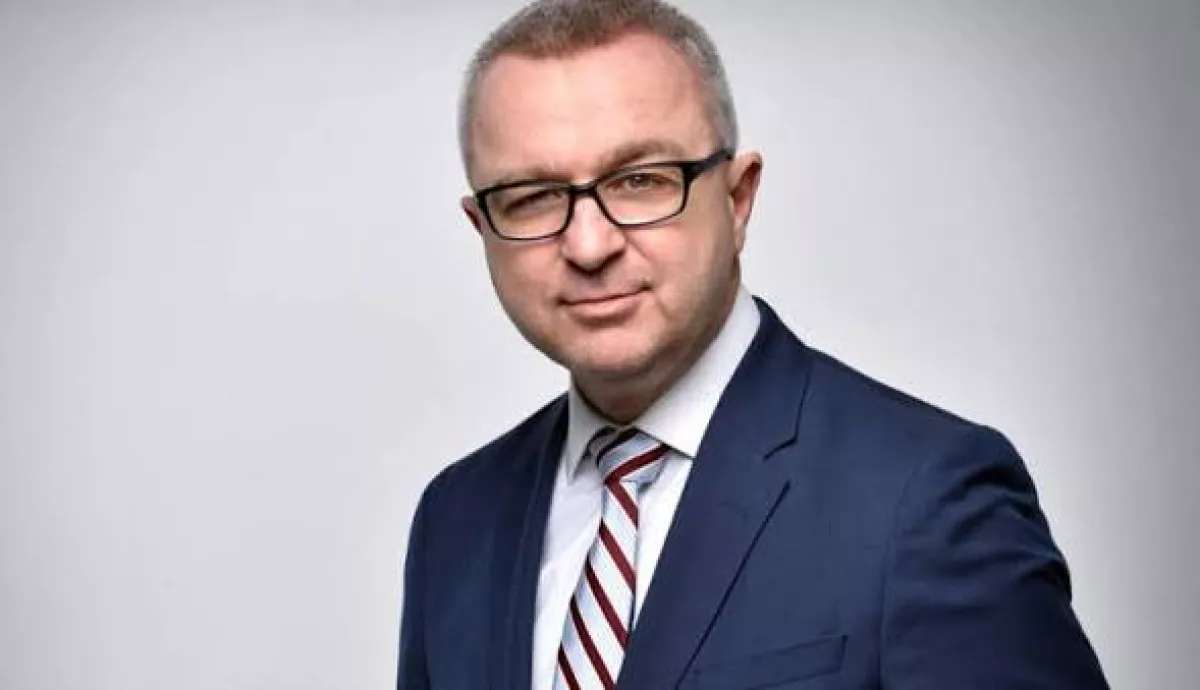
Professor Laszlo Vasa (Ludovika Centre for Turkic Studies and Széchenyi István University, Hungary) believes that September 19 and September 27 have become two key dates in Azerbaijan’s modern history, marking the restoration of the country’s territorial integrity and state sovereignty, as well as a shift in the geopolitical architecture of the South Caucasus.
“The 44-day Patriotic War of 2020 and the September 2023 operation should be viewed as interconnected stages of a single historical process through which Azerbaijan restored its territorial integrity and strengthened its position as a regional actor.
For nearly three decades, the Karabakh conflict remained a source of instability in the South Caucasus. Despite the international recognition of Azerbaijan’s territorial integrity and diplomatic efforts, the OSCE Minsk Group process failed to achieve a comprehensive settlement. The demands of the UN Security Council for the withdrawal of occupying forces likewise did not change the situation. The continued status quo demonstrated the limitations of diplomatic mediation without effective mechanisms for implementing agreements reached.
At the same time, the growth of Azerbaijan’s military capabilities, economic potential and strategic partnerships gradually altered the regional balance of power, creating conditions for a revision of the existing status quo. The Second Karabakh War fundamentally changed the situation; however, the trilateral statement of November 10, 2020 did not resolve all security issues. Armenian armed formations and separatist structures remained in Karabakh, while renewed tensions and mine incidents provided the immediate backdrop to the September 2023 operation, which Baku presented as a measure to restore constitutional order and eliminate the remaining military threats.
The operation resulted in the disarmament of Armenian armed formations and the cessation of the separatist administration’s activities. As a result, the entirety of Azerbaijan’s internationally recognised territory came under the country’s effective state control. This changed the nature of the conflict: the issue of territorial control gave way to the tasks of normalising Azerbaijani-Armenian relations and shaping a new regional security system.
The broader significance of these developments lies in the changing role of Azerbaijan in the region. Its strategic partnership with Türkiye, energy resources, diversified international ties and geographical position enable the country to serve simultaneously as an important energy and transport hub linking Central Asia, the Caspian region, Türkiye and Europe. Participation in the Middle Corridor and the Organisation of Turkic States, along with the development of the Zangezur route and the Trans-Caspian transport route, creates additional opportunities for trade, investment and infrastructure cooperation. The withdrawal of Russian peacekeepers in 2024 and the Washington agreements of August 2025 became additional factors in the transformation of the regional security and connectivity system.
From a Hungarian perspective, these processes open up additional opportunities for cooperation with Azerbaijan in the areas of energy, transport and regional connectivity. Overall, the two September dates reflect not only the end of a protracted territorial conflict, but also the South Caucasus’s transition to a new political and strategic reality,” Vasa emphasised.
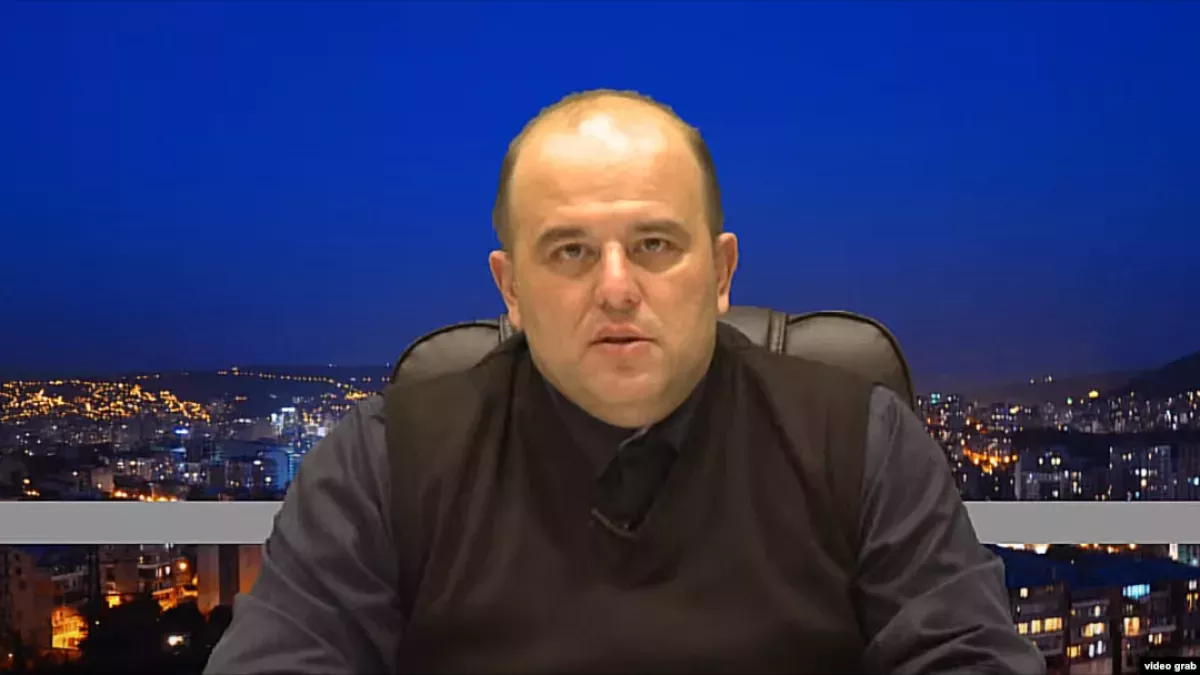
Dr Vakhtang Maisaia, Professor of Military and Political Sciences (Georgia), noted that he would first like to pay tribute to the memory of the officers and soldiers who lost their lives fighting for the liberation of their country.
“These dates marked a new chapter in the history of warfare, strategy and military science. Azerbaijan demonstrated its ability to wage fourth-generation warfare — more dynamic and technologically advanced. In countering hybrid warfare, the regular Armed Forces of Azerbaijan neutralised separatist armed formations and restored the country’s territorial integrity.
This brought to an end a prolonged and bloody conflict which, in my view, was created and sustained by external forces and remained one of the main threats to security in the South Caucasus. This is the historical significance of the Second Karabakh War and the 2023 anti-terror operation,” the professor said.
Speaking about the reasons behind these developments, Maisaia noted that Azerbaijan had faced the occupation of part of its territory for decades, including seven districts.
“Karabakh, which has always been part of sovereign Azerbaijan, effectively became a source of a constant military threat. The country’s economic resources, including oil and gas revenues, were channelled into modernising the Armed Forces, developing military doctrine and strategy, as well as rebuilding the liberated territories.
I believe this experience could also be useful to other states, particularly Georgia,” he noted.
According to the professor, these developments significantly altered the balance of power in the South Caucasus and created conditions for the development of regional cooperation.
“Azerbaijan strengthened its position in the region, while the end of the conflict opened up opportunities for the practical implementation of peaceful coexistence and the development of transport and economic projects, including the Middle Corridor.
This creates the prerequisites for further integration of the South Caucasus and stronger links between the Black Sea and Caspian basins. Ultimately, this is about shaping a new geostrategic reality conducive to stabilisation, economic development and addressing existing regional challenges,” Maisaia believes.







 editor@caliber.az
 +994 55 444-88-98
 Азербайджан, Баку, ул. Низами, 203, Af Business House, 5-й этаж