










Azerbaijan and Eurasia’s new geography: What the SCO summit means for Baku Expert opinions on Caliber.Az
Azerbaijani President Ilham Aliyev’s visit to Bishkek on August 31–September 1 to attend the Shanghai Cooperation Organisation (SCO) summit marked an important moment in Baku’s evolving regional diplomacy.
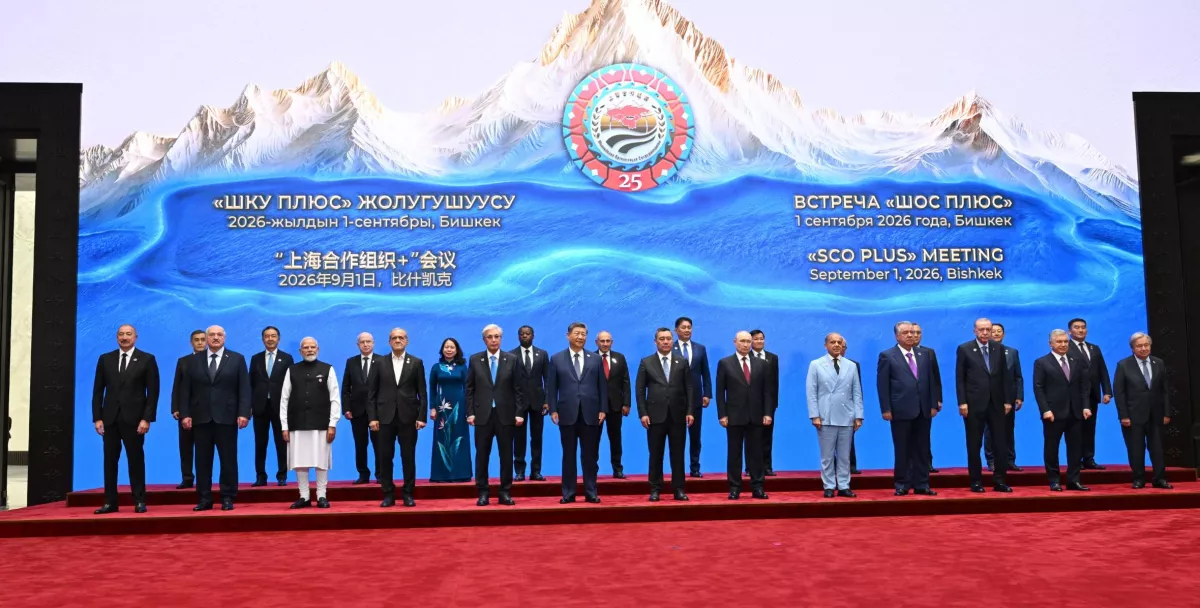
Speaking at the “SCO Plus” meeting, President Ilham Aliyev noted that four UN Security Council resolutions adopted in 1993 were implemented only 30 years later, three years ago, stressing that the United Nations had played no role in their implementation. He also emphasised that the South Caucasus is now undergoing a transformation into a region of peace and stability.
On the sidelines of the summit, President Aliyev held talks with the leaders of Armenia, Russia, Türkiye, Kazakhstan, Iran, and India. Discussions focused on the development of the Middle Corridor, the strengthening of Azerbaijani-Turkish allied relations, and broader cooperation across Eurasia.
What does Azerbaijan’s participation in the SCO summit mean for Baku’s regional strategy? How do political analysts from Azerbaijan and Kyrgyzstan assess President Aliyev’s visit and the outcomes of the Bishkek summit?
Caliber.Az asked experts from both countries to share their views.
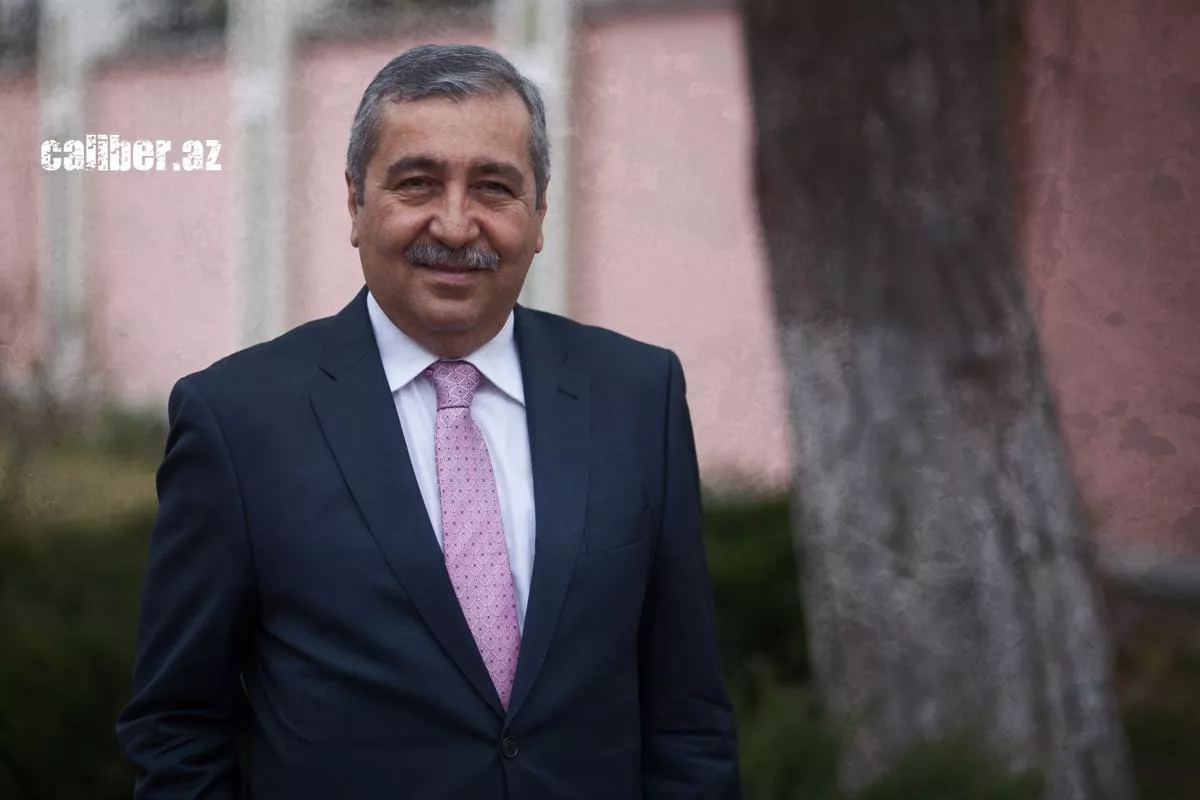
Former Azerbaijani ambassador to Moldova and Georgia and Head of the Department of International Relations and Foreign Policy at the Academy of Public Administration under the President of the Republic of Azerbaijan, Doctor of Law and Professor Namig Aliyev, believes that President Ilham Aliyev’s visit to Bishkek went well beyond his participation in SCO events. In his view, Azerbaijan’s invitation to the “SCO Plus” format, together with the president’s active bilateral engagements, reflects the country’s growing role as a transportation and energy hub in Eurasia.
“Azerbaijan’s geographic location is becoming increasingly important. The country lies at the intersection of major transportation routes connecting the Caspian Sea and the Black Sea, Central Asia and Türkiye, and Russia and Iran. Baku is therefore gradually evolving from a transit point into a fully fledged transportation and logistics hub in Eurasia,” the political analyst said.
He identified the Middle Corridor — the Trans-Caspian International Transport Route linking China and Central Asia with the South Caucasus, Türkiye, and European markets — as a key element of this transformation. For Central Asian countries, the development of the route offers greater access to global markets and helps diversify transportation links. For Azerbaijan, meanwhile, it strengthens the strategic importance of the Caspian and South Caucasus segments of the corridor.
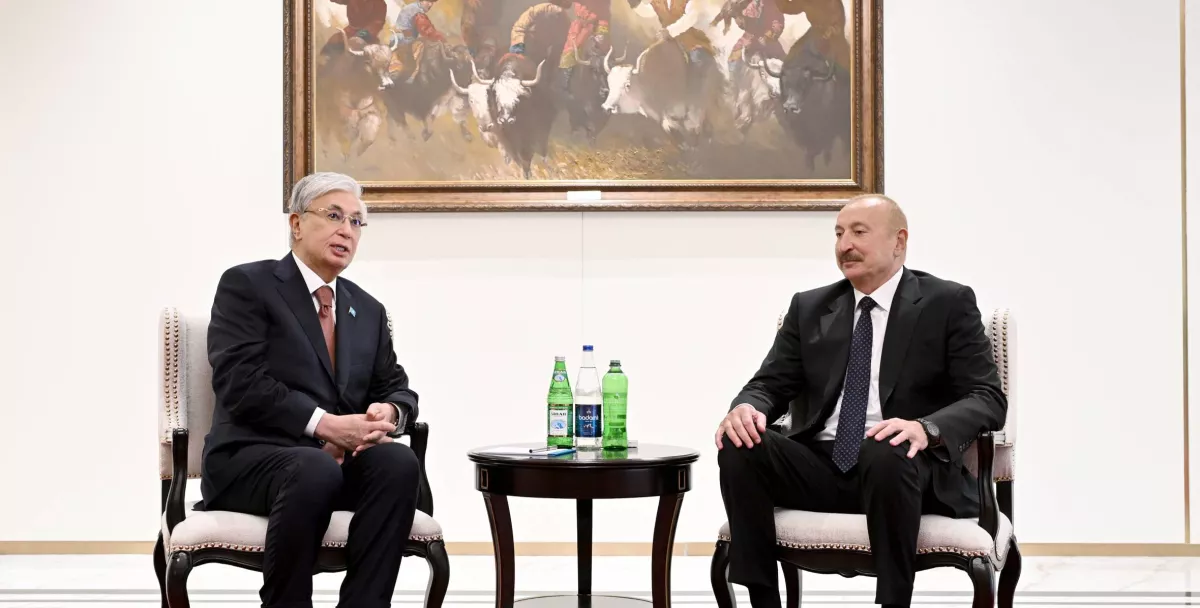
“The meeting between President Ilham Aliyev and Kazakh President Kassym-Jomart Tokayev deserves particular attention. The leaders discussed the development of the Middle Corridor as well as transportation and logistics cooperation. Azerbaijan is expanding the corridor’s infrastructure, including the Alat Port and the Baku–Tbilisi–Kars railway,” Aliyev said.
In his assessment, the Middle Corridor gives Central Asian countries additional opportunities to reach the markets of Türkiye and Europe while simultaneously strengthening transport links and broader geopolitical connectivity between Central Asia, the South Caucasus, and Türkiye.
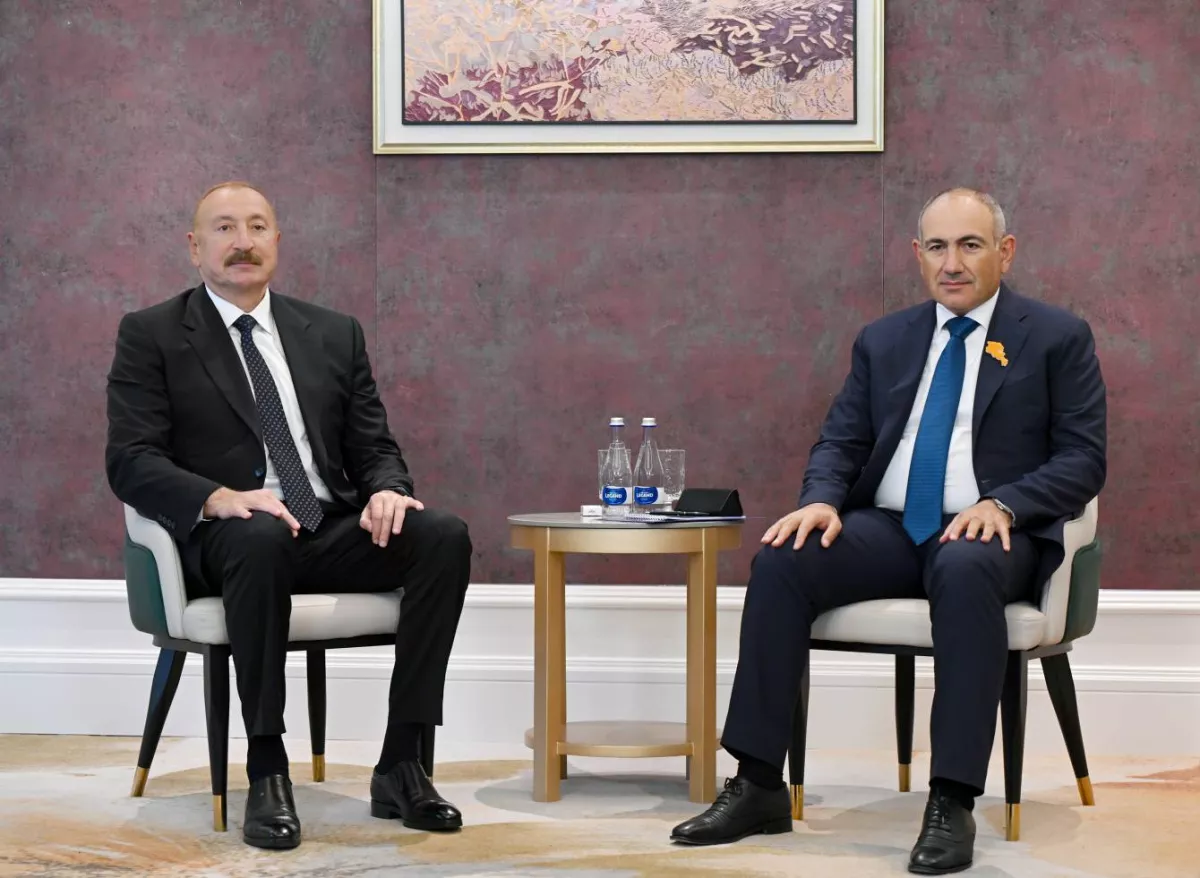
“The meeting between Ilham Aliyev and Armenian Prime Minister Nikol Pashinyan is also of great importance. The sides discussed the implementation of the TRIPP route and the development of transportation links. Advancing normalisation between Azerbaijan and Armenia will open up additional transportation opportunities for the South Caucasus.
In his address at the ‘SCO Plus’ meeting, Ilham Aliyev noted that following the initialling of the peace agreement, the South Caucasus is transforming from a conflict zone into a zone of peace, citing the supply of petroleum products to Armenia and the transit of cargo through Azerbaijan as ‘peace dividends.’ Regional stability, in turn, will strengthen transportation links between Central Asia, Türkiye, and Europe,” the political analyst noted.
He also pointed to the geography of President Aliyev’s bilateral contacts in Bishkek as particularly telling. His meetings included talks with the presidents of Kazakhstan, Iran, and Türkiye, as well as Armenian Prime Minister Nikol Pashinyan and Indian Prime Minister Narendra Modi.
“Kazakhstan represents the eastern link of the Middle Corridor, Türkiye its western extension, Armenia could potentially become an additional transportation link, Iran opens up the southern route, while India is interested in developing alternative trade and transportation corridors. Taken together, these meetings reflect a coherent regional strategy.
The significance of Azerbaijan’s participation in Bishkek lies in the fact that Baku is increasingly positioning itself as a country capable of connecting different regional spaces. This is also in line with the SCO’s evolving agenda, which places greater emphasis on the economy, transportation, energy, and stronger ties among Eurasian countries,” the expert explained.
At the same time, the political analyst emphasised that Azerbaijan is not an SCO member but holds dialogue partner status. The “SCO Plus” format allows Baku to participate in discussions on the broader Eurasian agenda while advancing its own transportation, economic, and political initiatives.
“Azerbaijan is strengthening its position as a connecting hub between the SCO region and the broader Eurasian system. The Middle Corridor enhances Baku’s transit and economic significance while providing Central Asian countries with new routes to the European and Turkish markets.
Therefore, the Bishkek summit is important not only from a diplomatic perspective but also in terms of shaping a new transportation and economic geography of Eurasia,” Aliyev concluded.
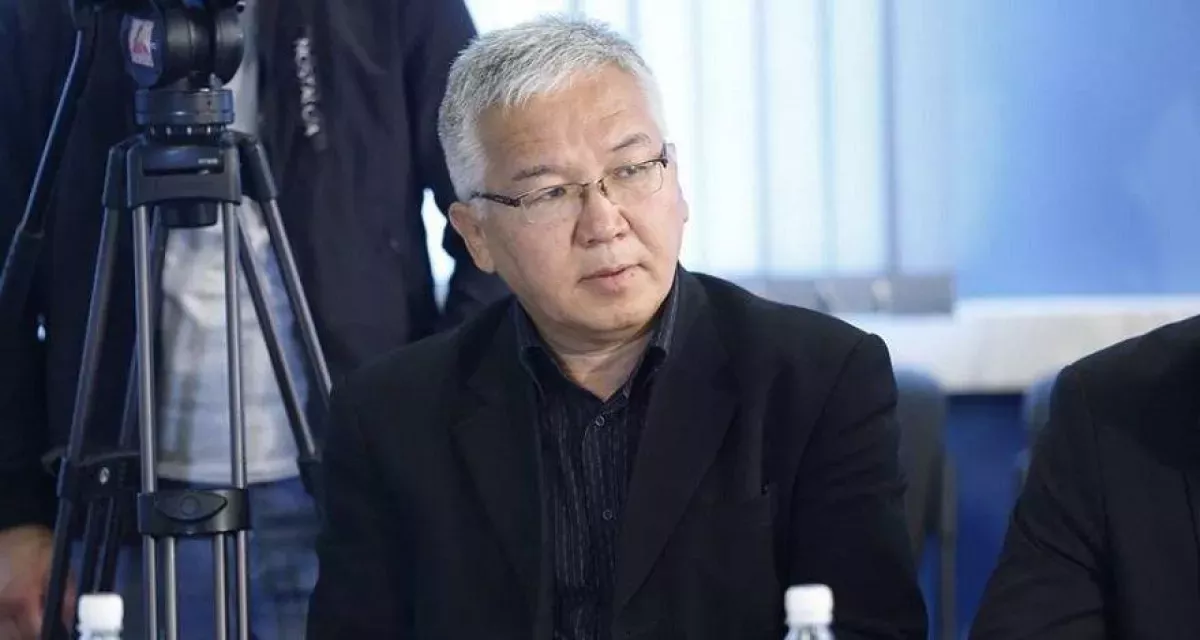
Kyrgyz political analyst, diplomat, and security expert Mars Sariyev noted that the SCO summit confirmed Central Asia’s transformation into an increasingly autonomous space for interaction among major powers. He said the region’s growing ties with the South Caucasus were particularly significant. For Kyrgyzstan, President Ilham Aliyev’s participation in the “SCO Plus” format was an important development, reflecting the two countries’ efforts to strengthen their allied relations. On July 31, Azerbaijan and Kyrgyzstan signed a Treaty on Allied Relations, while the capital of their joint investment fund was increased to $200 million. Azerbaijan is also emerging as an important gateway for Central Asia to the Middle Corridor and European markets.
“There is another very telling point. In parallel with the summit, on August 31, US Special Envoy for South and Central Asia Sergio Gor was in Bishkek, where he met with President Sadyr Japarov. The sides discussed not only bilateral relations but also the prospects for holding the second C5+1 summit in 2027. Therefore, I would not view his visit merely as a protocol trip to attend the VI World Nomad Games — it points to growing US interest in Central Asia.
As for Vladimir Putin’s participation in the summit, I would note that Russia’s influence in Central Asia is multifaceted. Moscow remains one of the region’s key players, but its influence is no longer without alternatives.
The main trend that emerged in Bishkek is Central Asia’s multi-vector foreign policy and the gradual expansion of its room for manoeuvre among Russia, China, the United States, Türkiye, and Azerbaijan. The Bishkek summit demonstrated the emergence of a new Eurasian balance in which the Central Asia–Caspian–South Caucasus link is acquiring ever greater strategic importance,” Sariyev concluded.







 editor@caliber.az
 +994 55 444-88-98
 Азербайджан, Баку, ул. Низами, 203, Af Business House, 5-й этаж