










Moscow–Berlin: A new war of nerves Foreign experts on Caliber.Az
An incident involving an explosives-laden drone at Leipzig/Halle Airport has triggered a fresh escalation in tensions between Berlin and Moscow. German authorities have accused Russian state structures of involvement in the sabotage, claiming that the drone was targeting a Ukrainian An-124 military transport aircraft.
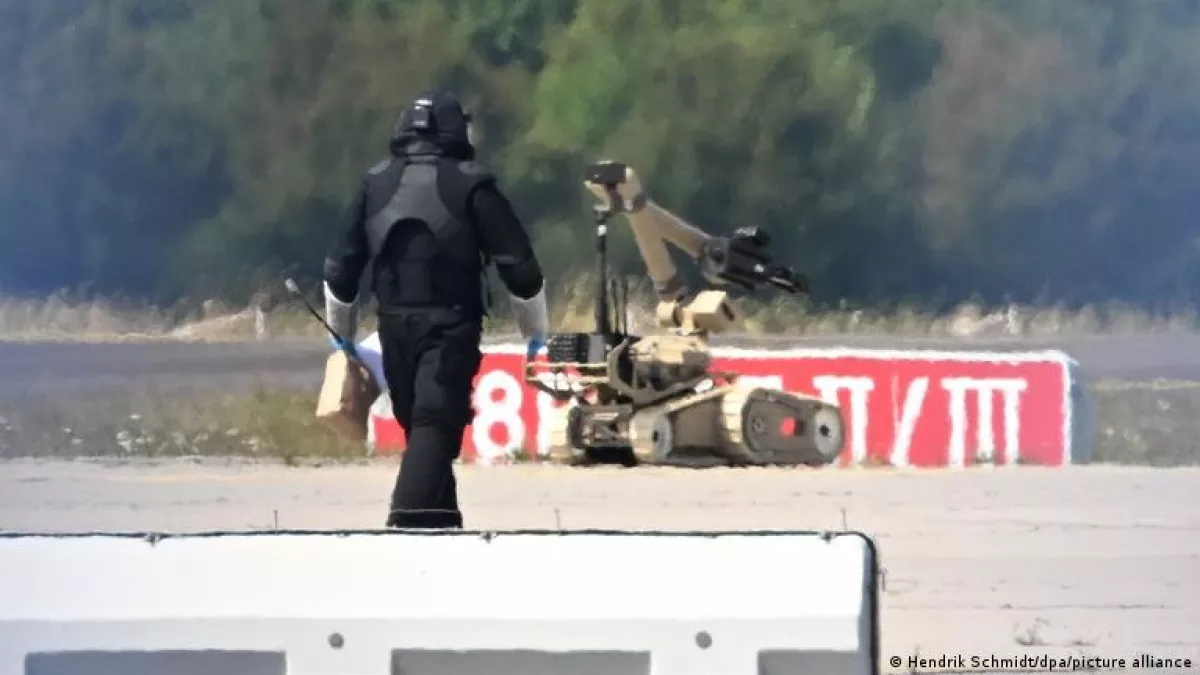
In response, Berlin moved to close Russia’s Consulate General in Bonn and the Russian House in the German capital. Moscow retaliated by announcing the closure of Goethe-Institut branches in Russia, further reducing the already limited cultural and diplomatic ties between the two countries.
German Interior Minister Alexander Dobrindt said Russian state structures were behind the attack, describing the incident as a dangerous new phase of hybrid warfare and a threat to critical national infrastructure. Foreign Minister Johann Wadephul accused Moscow of state terrorism. Representatives of the Greens called for tougher measures against Russia’s shadow fleet and increased military support for Ukraine, including additional drones and IRIS-T air defence systems.
Moscow has rejected the allegations. Russian President Vladimir Putin described Berlin’s actions as “another gross mistake” that runs counter to the interests of the German people. He also claimed that the evidence had been fabricated to divert attention from Germany’s domestic problems. Kremlin spokesman Dmitry Peskov stressed that Moscow would not be the first to sever diplomatic relations, while Russian Security Council Deputy Chairman Dmitry Medvedev described Berlin’s measures as a “mild form of punishment” and threatened strikes against German military-industrial facilities.
But what is driving this latest escalation, and how far could the deterioration in Russian-German relations go?
German and Russian political analysts shared their views with Caliber.Az.
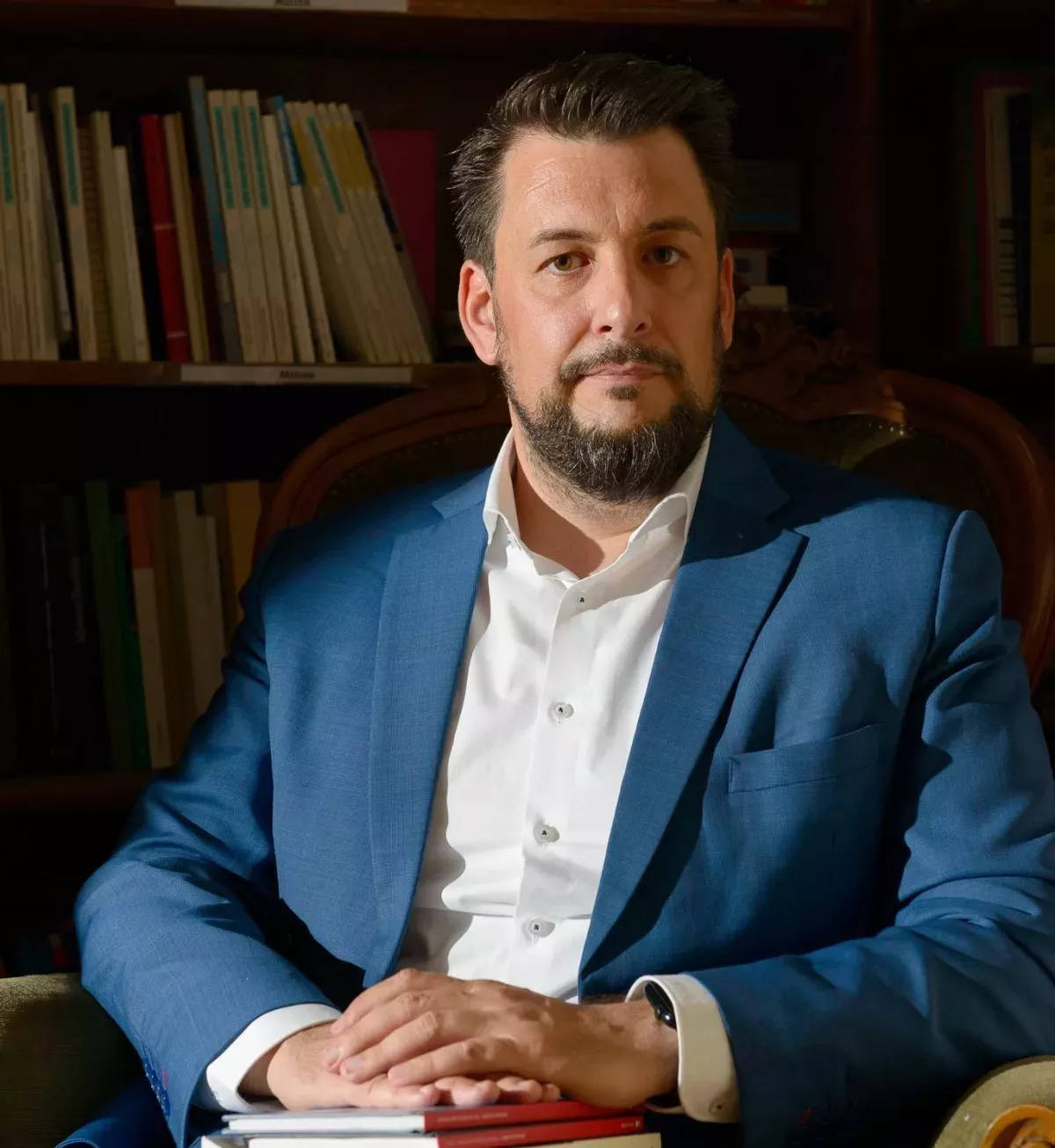
German political analyst and IDM Director Sebastian Schäffer considers the Leipzig/Halle incident part of a broader Russian hybrid campaign against European countries supporting Ukraine. According to him, German investigators have forensic evidence that could help identify those responsible. Berlin therefore views the incident as a Russia-linked act of sabotage.
“Moscow’s objective is to increase the political and security costs of supporting Ukraine. Germany, as a key military, industrial and logistical hub for assistance to Kyiv, is one of the main targets. Attacks on critical infrastructure, military facilities and transport networks are intended to sow fear and division in Europe without escalating to a direct confrontation with NATO,” the political analyst said.
Schäffer also strongly condemned Dmitry Medvedev’s statements threatening strikes against German facilities, calling them an unacceptable threat against a NATO member and part of an attempt to intimidate European governments and societies supporting Ukraine.
“At the same time, divisions over Russia persist in Germany. Among the far-right AfD in particular, there is a widespread view that sanctions are hurting Germany more than Russia and that Berlin should restore dialogue and economic ties with Moscow while reducing its support for Ukraine. This debate is becoming particularly relevant ahead of the elections in Saxony-Anhalt, where the AfD is leading in opinion polls.
Citizens’ economic concerns are real. However, hoping to achieve stability through concessions to Moscow is an illusion. In my view, abandoning pressure will not lead to peace; it will only reward aggression and create conditions for its further escalation,” Schäffer said.
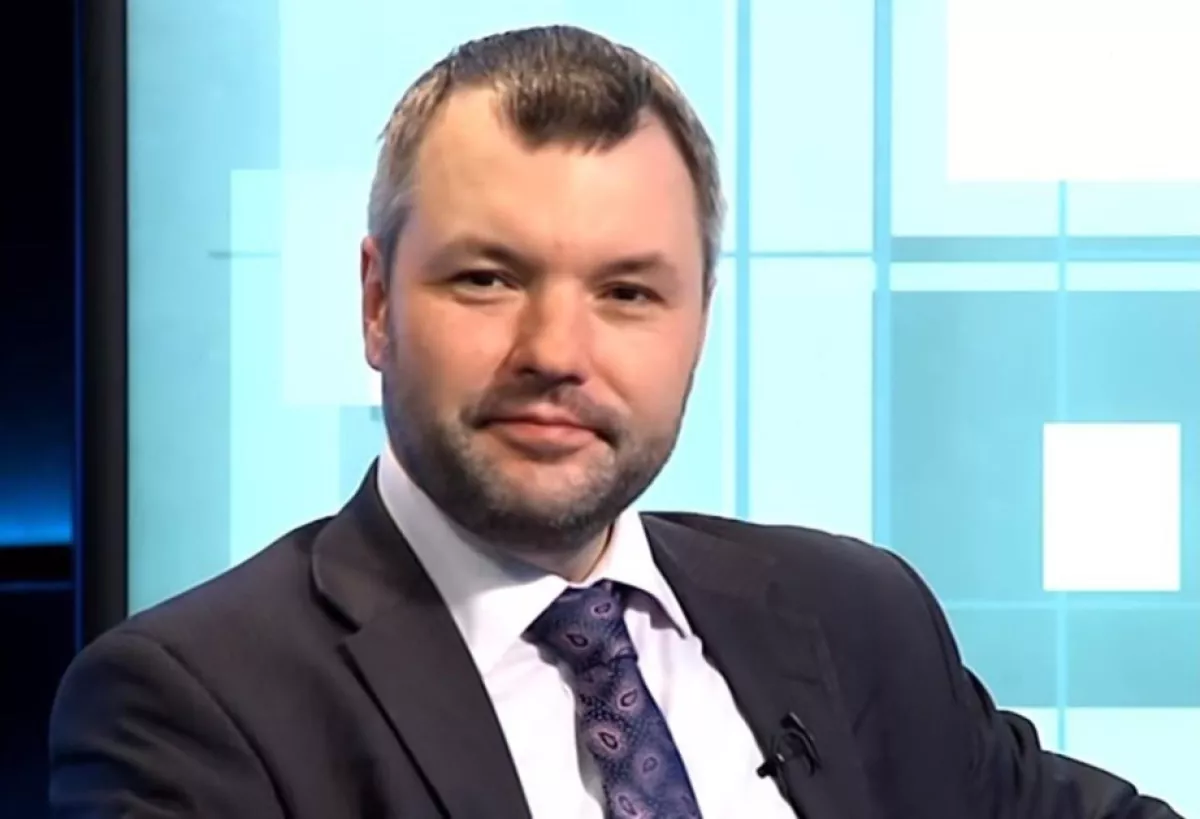
Russian political analyst and Director of the Institute for Contemporary State Development in St. Petersburg Dmitry Solonnikov links the current escalation in Russian-German relations primarily to Germany’s domestic political situation.
“It is quite clear why this escalation has occurred specifically now. Municipal and state-level elections are being held in Germany, and Friedrich Merz’s party faces the risk of losing them. Therefore, it needs to boost its ratings by using relations with Russia as a negative backdrop for the election campaign,” the political analyst believes.
According to him, the issue first emerged a month or a month and a half ago but has once again moved to the forefront. Solonnikov questions the evidence of Russian involvement, noting that the German side is referring to classified intelligence without disclosing its contents.
“It is clear that this is a pre-planned information campaign, and it is needed specifically as part of the German election campaign. Russia, in turn, is forced to respond. Dmitry Medvedev is doing so quite harshly, playing the role of the ‘bad cop.’ However, once the elections are over, the uproar will subside, and the situation will change,” the expert believes.
At the same time, Solonnikov does not expect a direct military confrontation between Russia and Germany, although he allows for further deterioration in diplomatic relations.
“This will not lead to actual military hostilities. But diplomatic relations will, of course, continue to deteriorate. They are shutting down the ‘Russian House’; we are shutting down the Goethe-Institut. As a result, relations between the two countries will fall to an even lower level and will most likely remain there,” Solonnikov concluded.







 editor@caliber.az
 +994 55 444-88-98
 Азербайджан, Баку, ул. Низами, 203, Af Business House, 5-й этаж