










Talks and peace before winter: How realistic is Trump’s plan? Expert opinions on Caliber.Az
US President Donald Trump has urged Ukrainian leader Volodymyr Zelenskyy to reach an agreement with Vladimir Putin and end the war before winter sets in.
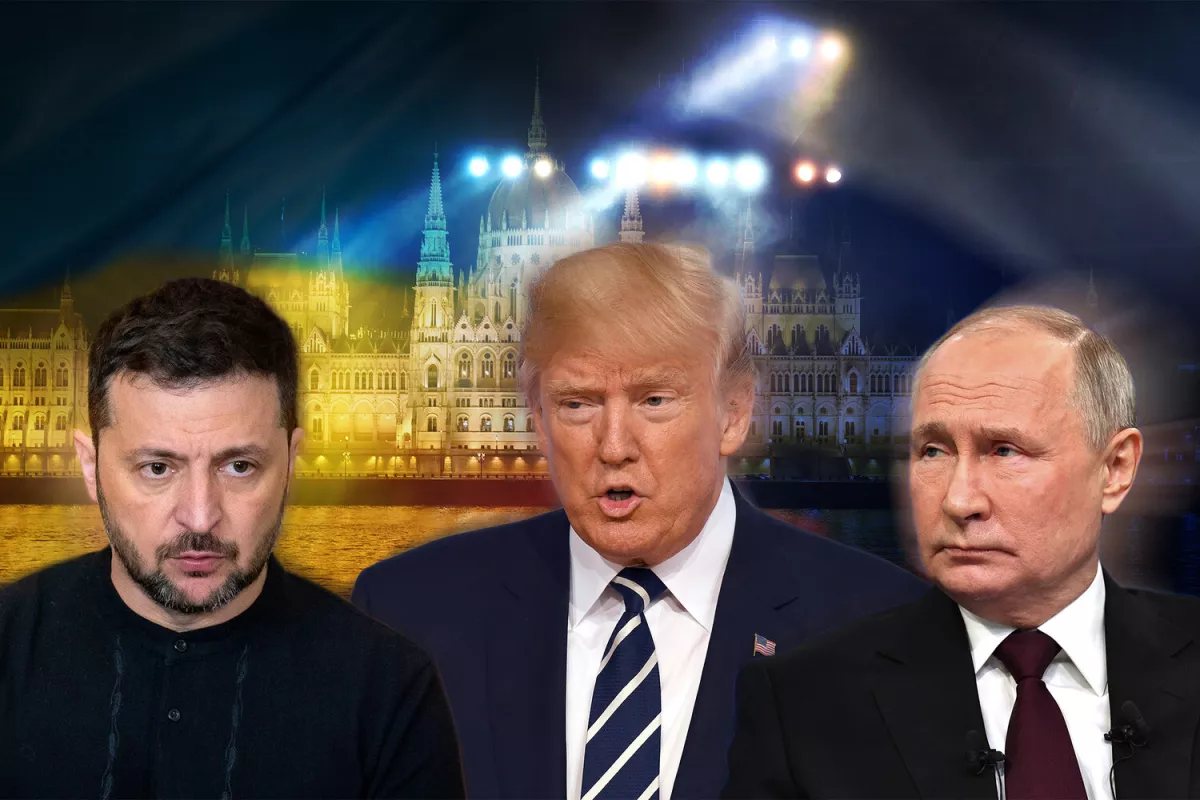
“You know what I want him to do? Make a deal. I want him to settle with Putin, and I want Putin to settle with him,” Trump told reporters. According to Trump, tens of thousands of people are killed in the war every month, 97% of them military personnel. The statement came after Trump met with Zelenskyy on the sidelines of the UN General Assembly. Trump proposed that the Ukrainian president travel to Moscow for a meeting with Putin, but Zelenskyy declined. His office denied the report. The Kremlin had previously said it was ready to receive Zelenskyy in Moscow and provide him with the necessary security guarantees. Putin himself said in June that Zelenskyy had requested a personal meeting through a Russian businessman. Asked about travelling to Moscow, Zelenskyy later replied: “On a missile.”
Meanwhile, Russian Foreign Minister Sergey Lavrov said Moscow was ready for talks but opposed any suspension of hostilities. Thus, the two sides remain divided over a key issue concerning the terms of the negotiating process.
What, then, is Trump counting on? Is there any point in negotiations if Moscow is not prepared to halt the fighting? And under what conditions could the two sides reach an agreement at all?
Well-known foreign commentators shared their views with Caliber.Az.
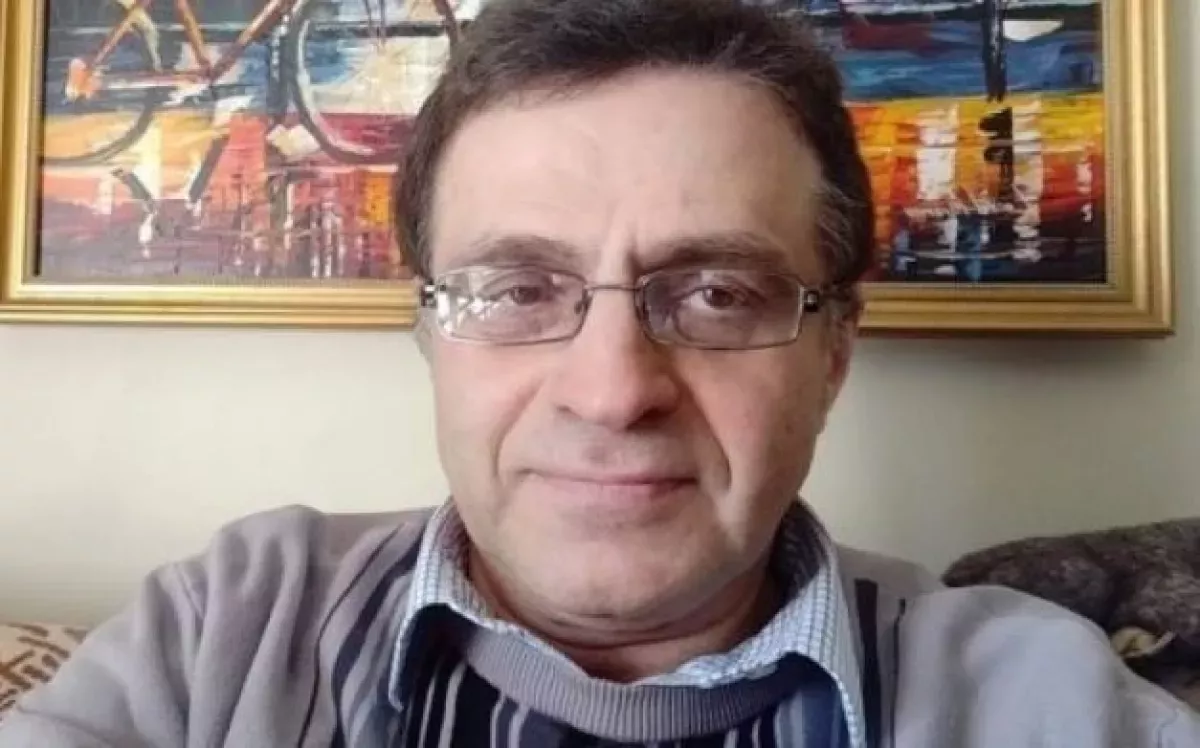
American political analyst and commentator Samson Katsman believes that being willing to talk does not necessarily mean being willing to agree to a ceasefire.
“Lavrov has stated explicitly that Russia does not intend to halt hostilities during the talks. Therefore, there is no reason to expect a quick agreement simply because a meeting takes place. However, negotiations do have value: they make it possible to clarify the parties’ actual conditions, discuss prisoner exchanges, the protection of civilians, and limited agreements. Progress should be measured not by statements about readiness to meet, but by agreed terms, timelines and a mechanism for monitoring their implementation,” the expert noted.
According to Katzman, Trump is likely seeking first to establish a negotiating process and then push the parties to discuss the terms for ending the war. At the same time, the expert stressed that there is currently no basis for claiming that Moscow is ready to reach an agreement on terms acceptable to Ukraine.
“Perhaps Trump expects the negotiations themselves to become part of the pressure. Washington can combine diplomatic incentives with sanctions, pressure on energy markets and military support for Ukraine. A more realistic scenario could be a limited ceasefire: first, reach agreement on a specific issue, verify compliance with that agreement, and then move on to the next stage,” Katsman said.
The expert also pointed to the uncertainty surrounding Moscow’s position: Russia says there are no preconditions for negotiations while at the same time keeping diplomatic channels open.
“Trump says the war must be ended before winter, but that in itself is not a mechanism for reaching an agreement. The key question is how Washington’s position will change if Putin rejects a compromise: will Trump continue to pressure Ukraine as the side that is easier to persuade, or will he increase the cost of Moscow’s refusal to reach an agreement?” Katsman said.
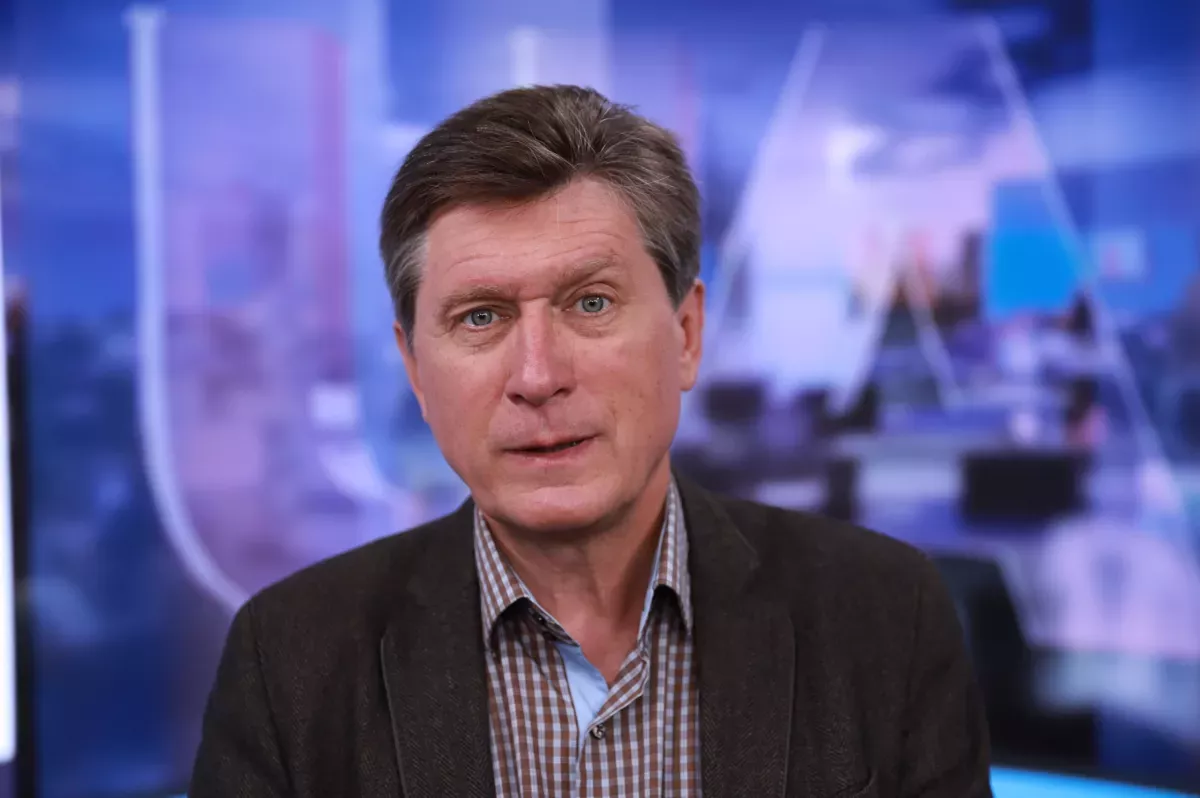
Volodymyr Fesenko, director of Ukraine’s Penta Centre for Political Studies, also believes that negotiations make sense, as wars are usually brought to an end through negotiations.
“The problem now is not whether negotiations are possible, but the low likelihood of reaching an agreement on a complete end to the war. For now, therefore, the focus is on sectoral ceasefires — in the energy and maritime sectors. This is a different strategy for ending the war: through gradual de-escalation,” the expert noted.
According to Fesenko, Trump’s statements about ending the war soon should not be taken literally, as the US president has already given different timelines on several occasions. At the same time, the expert believes that the main problem is the lack of a consistent negotiating strategy on the part of the US.
“The second problem is the Kremlin’s unwillingness to agree to end the war on the basis of compromise. However, Moscow did enter negotiations after they were initiated by the Trump administration. Putin’s desire to negotiate with Trump is the main window of opportunity. That is why the effectiveness of US actions is particularly important. If the Americans demonstrate a willingness to make concessions to Russia, Moscow will demand more,” Fesenko said.
He also urged caution in assessing Sergey Lavrov’s statements, noting that Putin’s aide Yuri Ushakov and Kirill Dmitriev, head of the Russian Direct Investment Fund (RDIF), play key roles in the Kremlin’s negotiations with Washington.
In the expert’s view, a comprehensive agreement requires a relative balance of power and both sides recognising that the war has reached a stalemate.
“That situation does not exist yet, so the war will probably continue into 2027. But that does not mean negotiations lose their value: peace processes often take years before the sides reach a compromise,” Fesenko stressed.







 editor@caliber.az
 +994 55 444-88-98
 Азербайджан, Баку, ул. Низами, 203, Af Business House, 5-й этаж