










A difficult conversation: Did Trump and Xi narrow the gap in Washington? Sinologist Erkin Baydarov on Caliber.Az
Caliber.Az interviewed Erkin Baydarov, Ph.D., a leading researcher at the R.B. Suleimenov Institute of Oriental Studies under the Science Committee of Kazakhstan’s Ministry of Science and Higher Education and a visiting professor at Lanzhou University in China, about the outcome of the recent Trump-Xi summit in Washington and its implications for US-China relations.

– Chinese President Xi Jinping’s recent state visit to the United States attracted close attention from political and expert communities around the world. In your view, what did the leaders of the two countries manage to agree on?
– We can judge only partially what was discussed behind closed doors in Washington between the leaders of the world’s two largest economies, based on the information available in the public domain. However, it can be said with confidence that the two sides ultimately managed to establish a temporary truce and outline the contours of managed competition. At the same time, there was no breakthrough on geopolitical and technological differences. Nor should this be surprising, as these differences are so deep that they cannot be resolved in a single visit.
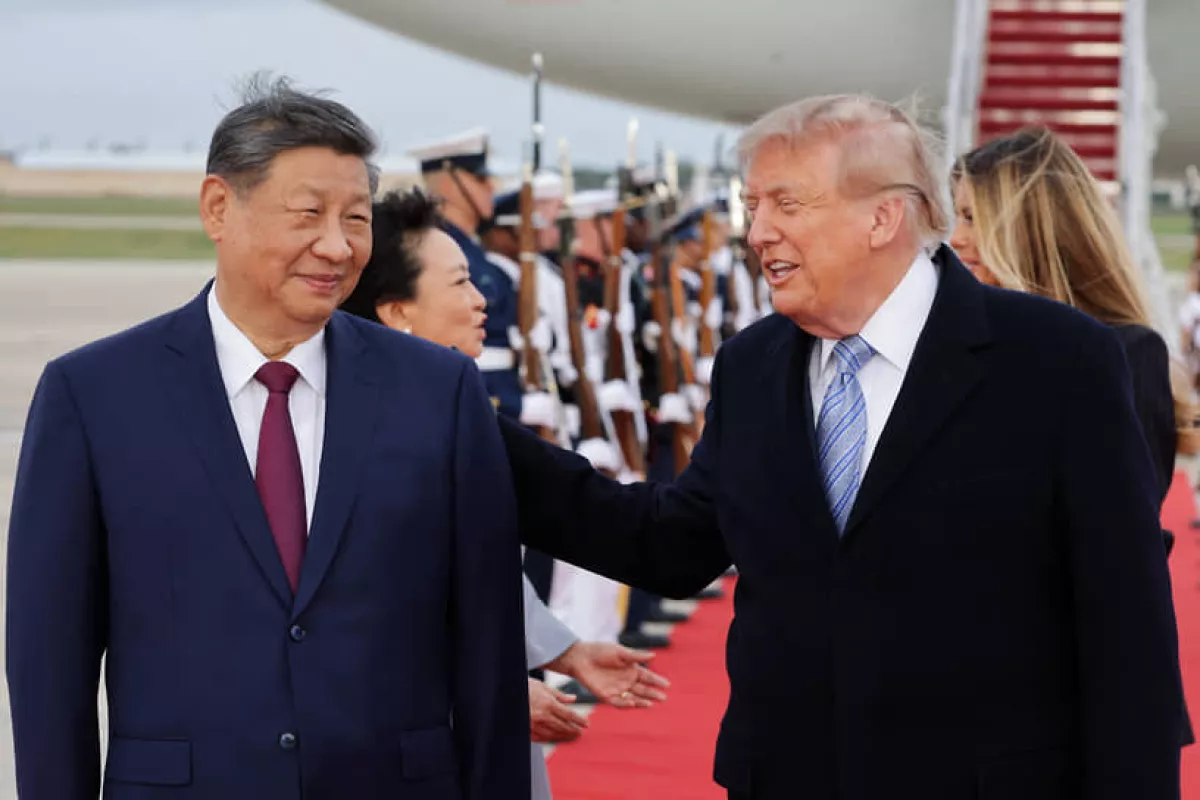
As for the key agreements and unresolved dilemmas, they include the extension of the trade truce until January 10, 2027, whereas the previous arrangement was due to expire in November 2026. This preserves reduced tariff rates and gives businesses temporary breathing space for further negotiations, but does not eliminate the fundamental disagreements. The most difficult issues remain the restrictions imposed by the two sides: China’s restrictions on exports of rare earth metals to the United States and US restrictions on the supply of computer chips to China.
Among the other achievements, the two sides agreed to mutually reduce tariffs on goods worth a total of $30 billion – a “30-for-30” formula.
Artificial intelligence was another separate topic in the talks. The two sides agreed that AI development should remain under strict human control. The fact that they have also launched discussions on a “notification mechanism” for critical incidents involving high technologies gives grounds for hope that potential threats in this sphere will not become a “sword of Damocles”.
Moreover, Trump noted that Xi supported his idea of using the more weighty term “superintelligence” for AI. Another achievement was the mutual diplomatic support expressed by both sides for each other in organising major international events scheduled for the end of the year – the APEC summit in China (Shenzhen) and the G20 summit in the United States (Miami).
The progress made in the humanitarian sphere should also be noted. For example, Xi Jinping stated that Beijing is prepared to welcome 100,000 young Americans over the next five years under exchange programmes. One can only hope that these young Americans will develop a positive attitude towards China and, in the future, help change the current state of relations between the two countries in a more friendly direction.
– In your view, what were the key points of the China-US talks? Did the two sides manage to untangle the knots?
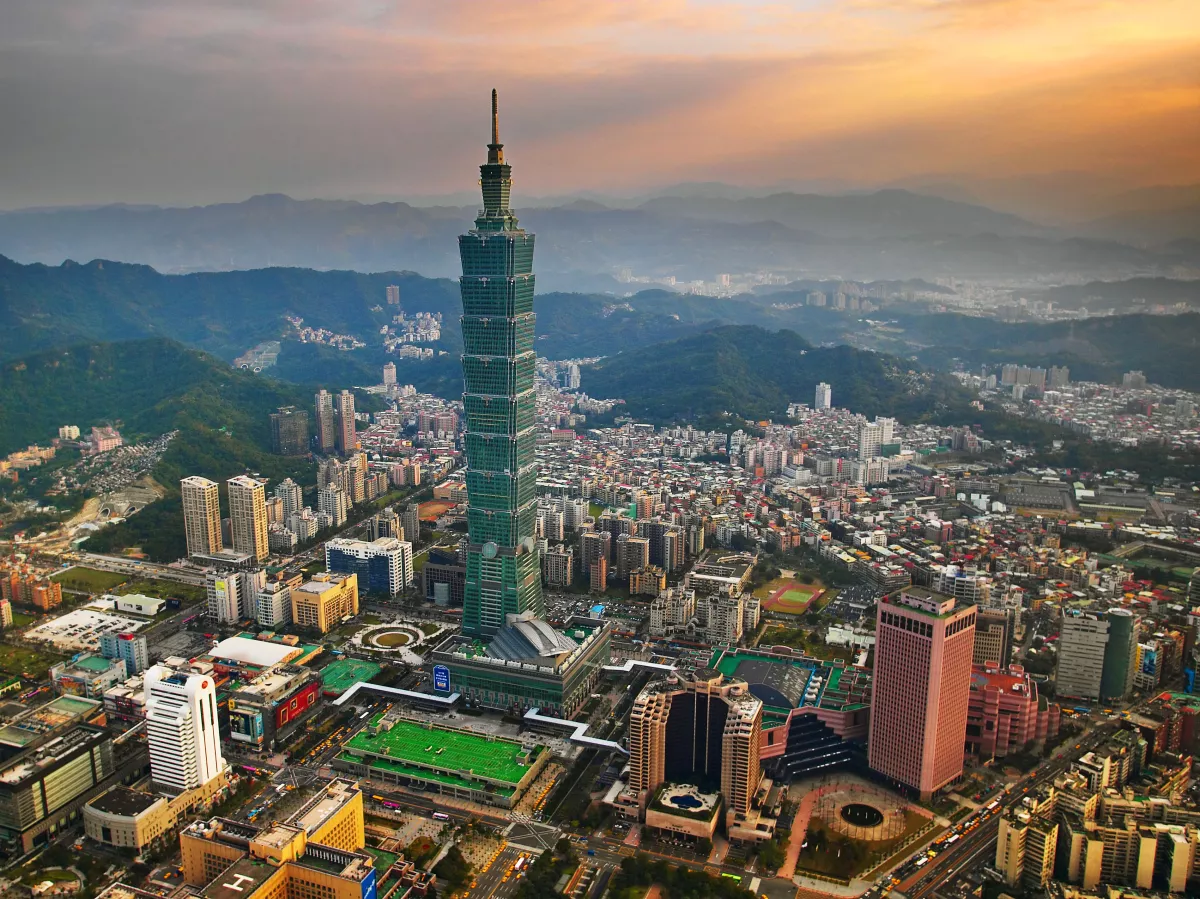
– In my view, the leaders failed to resolve the key geopolitical differences, but they managed to move the most acute conflicts into the realm of controlled dialogue. The talks naturally focused on two central issues: the war in the Middle East, which paralysed the Strait of Hormuz and deprived China of a significant share of its oil imports, and the status of Taiwan – the “red line” in the Beijing-Washington relationship.
China is demanding a complete halt to military assistance to the island, while the United States froze $14 billion in arms deliveries to Taiwan in order not to derail the meeting between the two leaders. Trump did not unfreeze the package, most likely in order to preserve it as leverage for further negotiations with China. Xi Jinping, for his part, once again publicly warned the US side against crossing red lines on this issue.
Overall, the visit was rich in outward symbolism – a lavish reception and “panda diplomacy” – but the real achievement was the agreement on “constructive strategic stability”, which is no small feat. The two sides agreed to keep their rivalry within safe limits in order to prevent it from sliding into the so-called “Thucydides Trap” – an inevitable war between an established superpower and a rising one.
– Did the Chinese president ultimately manage to secure some understanding from Trump on the Iranian issue?
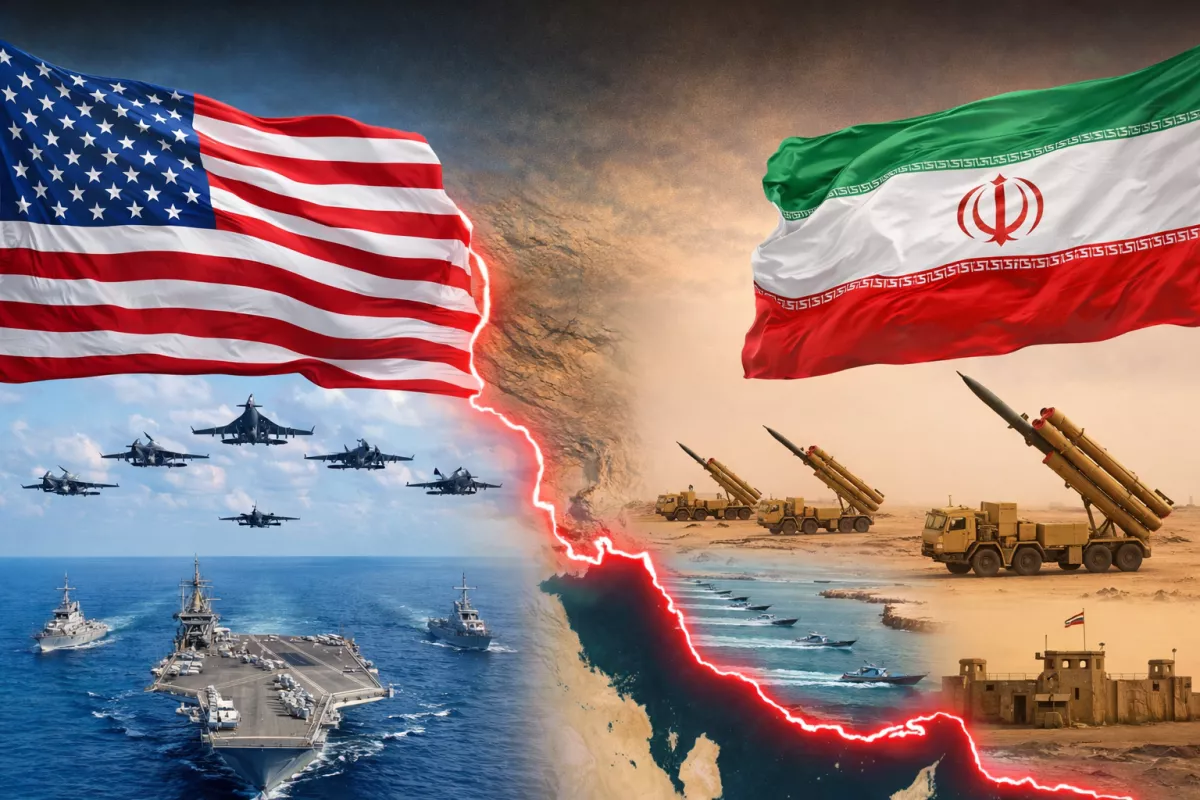
– In my view, Xi Jinping failed to achieve any substantial progress or convergence of positions on the Iranian issue, despite the deliberately friendly atmosphere surrounding his state visit to Washington. As is known, Trump is demanding that Beijing use its economic influence over Tehran to bring the conflict to an end, but the Chinese leader is avoiding putting strong pressure on Iran, just as he is avoiding supporting US sanctions.
Overall, China is taking the position of an outside diplomatic mediator, proposing that the United States and Iran return to the interim peace agreement that was previously derailed. Despite the fact that the two leaders stated that they had reached a “new level of mutual understanding on complex issues”, their actual positions on the Islamic Republic remain diametrically opposed.
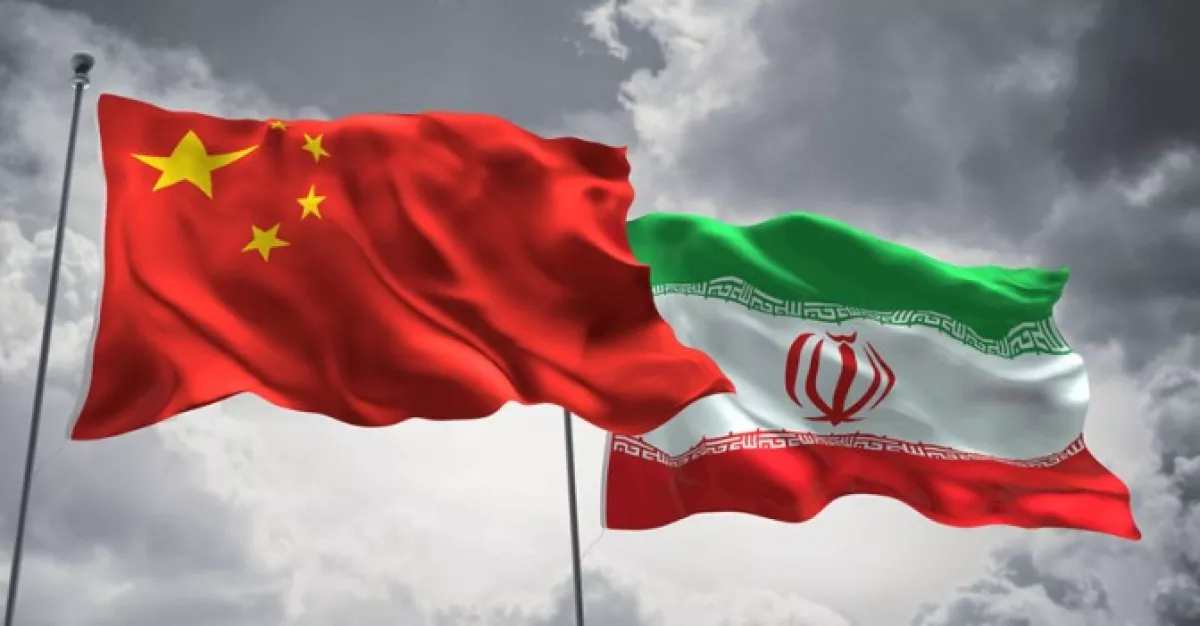
Moreover, Donald Trump’s Iran agenda is being shaped in part by strong pressure from the Pentagon and Congress. In particular, the US president warned Xi Jinping in unequivocal terms that any military or intelligence assistance to Tehran from Beijing is categorically unacceptable – Washington is deeply concerned about the supply of Chinese dual-use components for Iranian drones and missiles.
For his part, the Chinese leader again called on Washington to restore the Islamabad Memorandum of Understanding of June 18, 2026. However, the US president continues to confront Tehran with a stark choice: either sign an agreement on US terms or face “rapid and complete destruction” in the event of further escalation and attempts to develop nuclear weapons. In addition, the White House continues to pursue a policy of maximum economic and military pressure on the Islamic Republic.
Time will tell how the situation develops, but it can already be said that the United States and China are unlikely to find a compromise on the Iranian issue in the near future.







 editor@caliber.az
 +994 55 444-88-98
 Азербайджан, Баку, ул. Низами, 203, Af Business House, 5-й этаж