










Greenland: A new source of discord as the EU challenges Washington Expert opinions on Caliber.Az
On September 6, European Commission President Ursula von der Leyen arrived in Greenland for a two-day visit amid US statements about plans to strengthen control over the strategically important Arctic island. The EU intends to deepen cooperation with Greenland and back it with financial support: Brussels will allocate €200 million for 2026–2027 and is proposing an additional €530 million for the 2028–2034 budget.
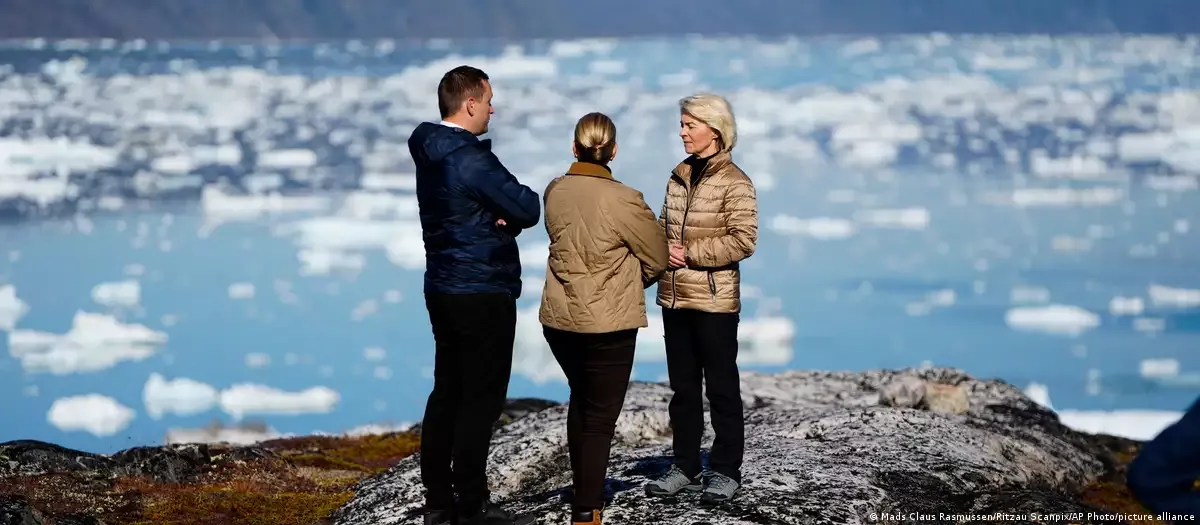
In Nuuk, the EU, Greenland and Denmark signed an updated declaration on deepening their partnership. The funds will be used to develop critical resources, renewable energy, infrastructure and digital technologies. The EU’s increased engagement with Greenland has an obvious geopolitical dimension: Brussels is seeking to strengthen its position in the Arctic and demonstrate support for Greenland amid Washington’s efforts to expand its control over the island.
German and American political analysts shared their assessments of von der Leyen’s visit with Caliber.Az.
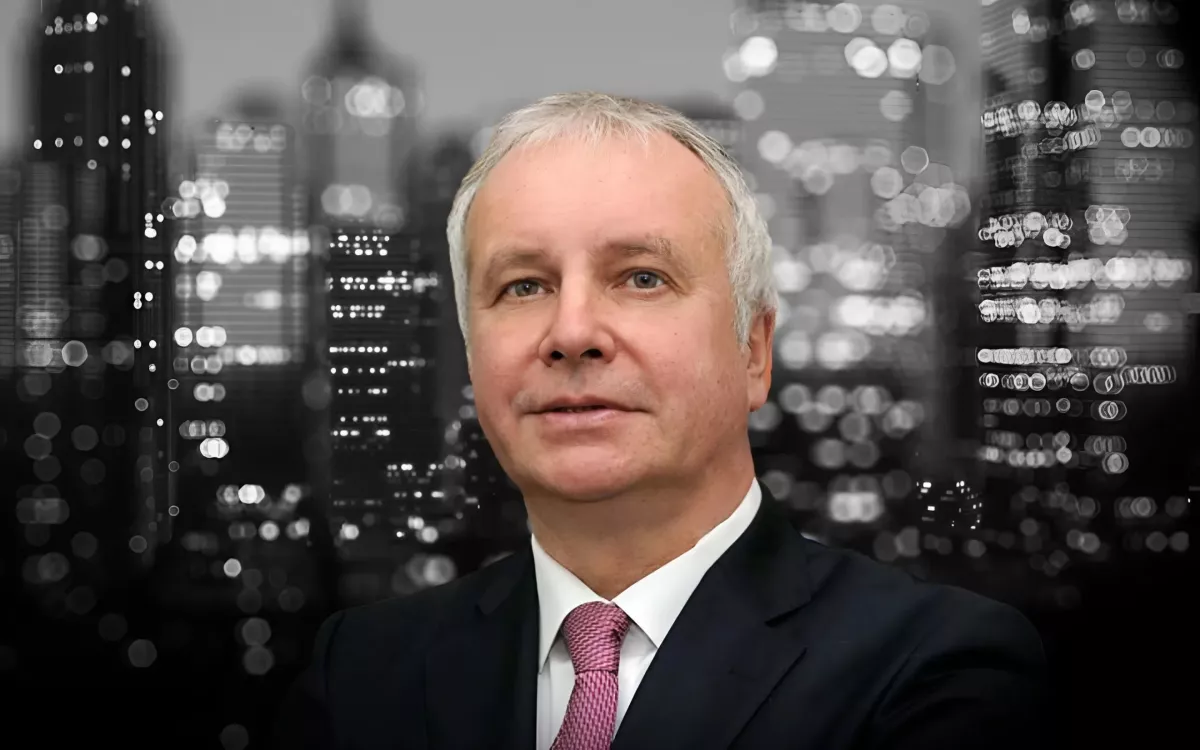
Well-known German political analyst Alexander Rahr, a professor at the WeltTrends Institute for International Politics in Potsdam, has no doubt that the EU leadership has entered into serious competition with the United States for influence over Greenland.
“Overambitious Ursula von der Leyen is using her visit to signal that Brussels has developed its own geopolitical interest in Greenland. However, it is unlikely that European countries will have sufficient financial resources to carry out the large-scale investments in Greenland announced by the European Commission president,” the political analyst noted.
In his view, the United States is taking von der Leyen’s moves with a degree of condescension because Donald Trump believes the Europeans have few strong cards to play on this issue.
“Von der Leyen’s visit is largely her own initiative. She is trying to strengthen her role as Europe’s leader, or ‘president.’ Von der Leyen understands very well that Europe is going through a crisis and that it is necessary, at the very least, to create the appearance of strength on the part of the European Union. At the same time, under its new geopolitical strategies, the EU plans to demonstrate its strength in relations with Russia, the United States and China,” Rahr stressed.

Meanwhile, American political analyst Andrew Korybko believes that von der Leyen’s trip to Greenland is in line with the concept of “NATO 3.0,” as the EU is taking on greater responsibility for the geostrategically important island, thereby easing the potential burden on the United States of defending it. However, Korybko sees China, rather than the US, as the main threat.
“Washington believes that China has set its sights on Greenland’s potential wealth, including rare earth elements. The US fears that large-scale Chinese investment in the future could help expand Beijing’s political influence over the island’s authorities, ultimately weakening the West’s position, including in the security sphere.
Increased European investment, potentially followed by stronger defence measures, could prevent this scenario and ensure that Chinese influence in Greenland does not increase significantly,” the political analyst noted.
He said he does not believe that the EU–US confrontation over Greenland has entered an acute phase.
“Trump has consistently argued that the EU has neglected the island, thereby creating opportunities for China to use the economic tools I mentioned earlier. If the EU finally meets Greenland’s investment needs, accompanied by credible security guarantees, the US is unlikely to have a problem with this, as it would eliminate the main reason Trump wanted the United States to control Greenland.
Moreover, Trump wants to expand the US military presence on the island, particularly in the area of missile defence infrastructure. However, this work is already underway, which also helps reduce tensions between the EU and the US over Greenland’s political future,” Korybko concluded.







 editor@caliber.az
 +994 55 444-88-98
 Азербайджан, Баку, ул. Низами, 203, Af Business House, 5-й этаж