










Ballistic challenge: Ukraine’s FP-7 — flashy or effective? Foreign experts on Caliber.Az
According to recent statements, Ukraine is preparing to use its domestically developed FP-7 tactical ballistic missile against targets in Russia in the coming weeks.
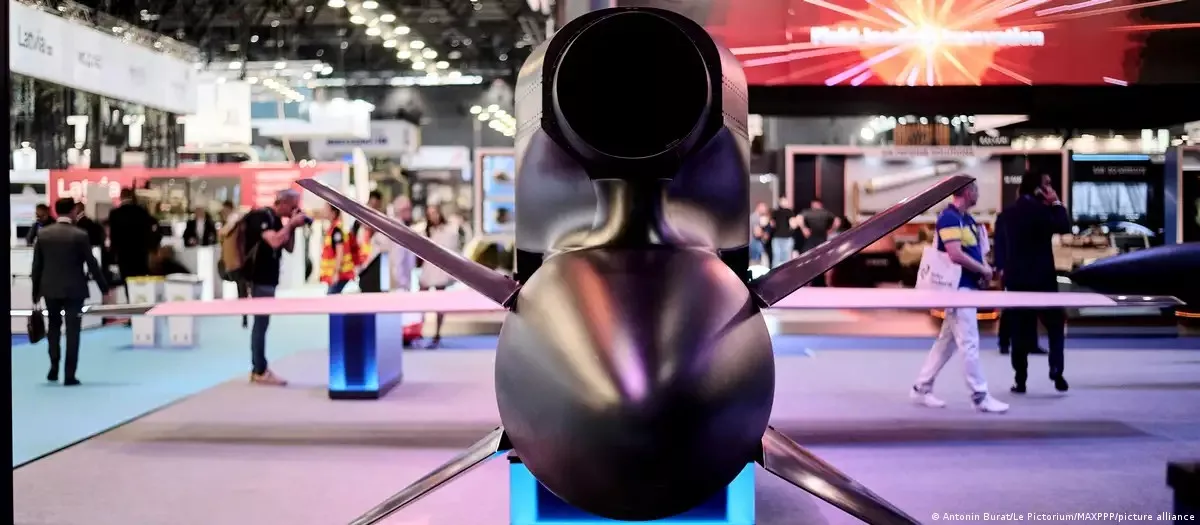
Iryna Terekh, CEO of Fire Point, the company developing the missile, said just days ago at the MSPO 2026 defence exhibition in Poland that Ukraine could soon begin using the FP-7 against targets on Russian territory, stressing that “we are talking about weeks, not months”. She also said the missile, which carries a 150-kg warhead, has successfully completed two stages of testing. Another Fire Point development, the FP-9 long-range missile with a range of up to 850 km, is currently undergoing testing.
Meanwhile, Fire Point co-founder and chief designer Denis Shtilerman compared the ground-launched FP-7, which can reach a maximum speed of 1,500 m/s, with the US-made ATACMS in April this year.
Against this backdrop, a number of questions arise. What impact could Ukraine’s new ballistic missiles have on the war? Could their deployment strengthen Kyiv’s position enough to help pave the way for meaningful negotiations, even if only for a temporary ceasefire along the current line of contact?
Well-known foreign experts shared their views on these issues with Caliber.Az.

Russian political analyst and editor-in-chief of the After Empire portal Olga Kurnosova believes that the use of long-range missiles will undoubtedly change the views of some members of the Russian elite. At the same time, however, the main dilemma is what exactly such strikes can achieve.
“Today, most members of the Russian elite would like the war to end as soon as possible. However, Vladimir Putin remains its main driver, and under the current circumstances it is unclear what could influence him to bring this confrontation to an end. Donald Trump and Xi Jinping, for their part, have sufficient leverage — both economic and military — to exert pressure, but the key question is whether they are prepared to use it.
Meanwhile, the situation inside the country continues to deteriorate, and discontent among Russians is growing not only because of fatigue from the prolonged war, but also because of problems stemming from the worsening economic and political situation. In other words, people are directly affected by fuel shortages, Internet disruptions and the new livestock culling in Siberia. Long-range missiles, in turn, will once again remind Russian residents that the war is at their doorstep,” Kurnosova said.
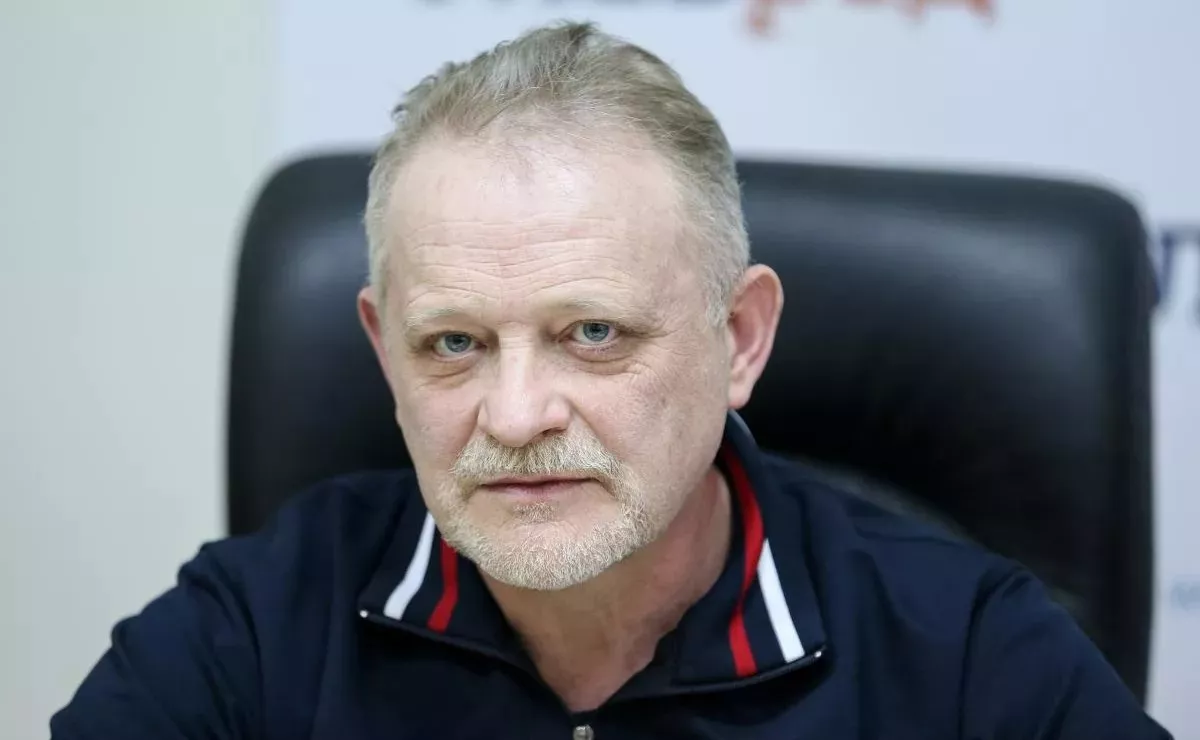
Meanwhile, Ukrainian political strategist and head of the Third Sector analytical centre Andriy Zolotaryov believes this is a highly sensitive issue, as there has long been a lively debate surrounding missiles developed by Fire Point, while most of those taking part in it appear to have vested interests.
“Those who criticise or praise Denis Shtilerman’s products are, for the most part, not specialised experts. When a journalist or political analyst voices an opinion, it gives the impression that the person has been paid a substantial amount for taking that position. But the issue lies elsewhere. First, I am sceptical about the ability of people who, until recently, were looking for locations to film TV series to produce modern high-tech weapons on a commercial scale.
At the same time, we are seeing problems with scaling up production among European defence-industry giants. Even the Patriot air defence system is effectively produced in limited quantities — around 600 missiles a year — which, incidentally, creates an extremely difficult situation for Ukraine, particularly against the backdrop of developments in the Middle East. The Franco-Italian SAMP/T (Mamba) system and Aster interceptor missiles are also produced in very small quantities. In addition, there is a shortage of AIM-120 and AIM-9 missiles needed to intercept Russian cruise missiles,” he noted.
Returning to the main issue, the analyst expressed confidence that the concept of a “doctrine of Douhet on a shoestring” — an ironic term referring to the selective, limited or local application of the ideas of Italian General Giulio Douhet, whose original doctrine held that a war could be won exclusively through strategic air power — as demonstrated by the Russian military command, as well as the air offensive announced by Zelenskyy and strikes against Russian oil-refining facilities, will not be a game-changer.
“In most cases, air strikes have not led to a strategic turning point in a war. Obviously, Ukrainian ballistic missiles will not appear in the near future in quantities capable of changing the Kremlin’s position. At present, there are not even enough missiles for air defence systems, and the problem of purchasing or producing them in sufficient quantities to ensure the security of Ukrainian logistics and industry has yet to be resolved.
As for Ukraine’s own ballistic missiles, even if a dozen or two are produced, their launch is ceremoniously showcased, or they hit a target somewhere, that by no means means a change in the course of the war. This issue has been greatly exaggerated, and it is more about impressiveness than effectiveness,” Zolotaryov concluded.







 editor@caliber.az
 +994 55 444-88-98
 Азербайджан, Баку, ул. Низами, 203, Af Business House, 5-й этаж