










Xi heads to Washington: Can Beijing bridge the US-Iran divide? Foreign political analysts on Caliber.Az
One of the key topics during Chinese President Xi Jinping’s state visit to the United States, which will take place at Donald Trump’s personal invitation, will undoubtedly be Iran. According to analysts, Xi Jinping may seek to influence the US president’s position and present his own vision for resolving the conflict.
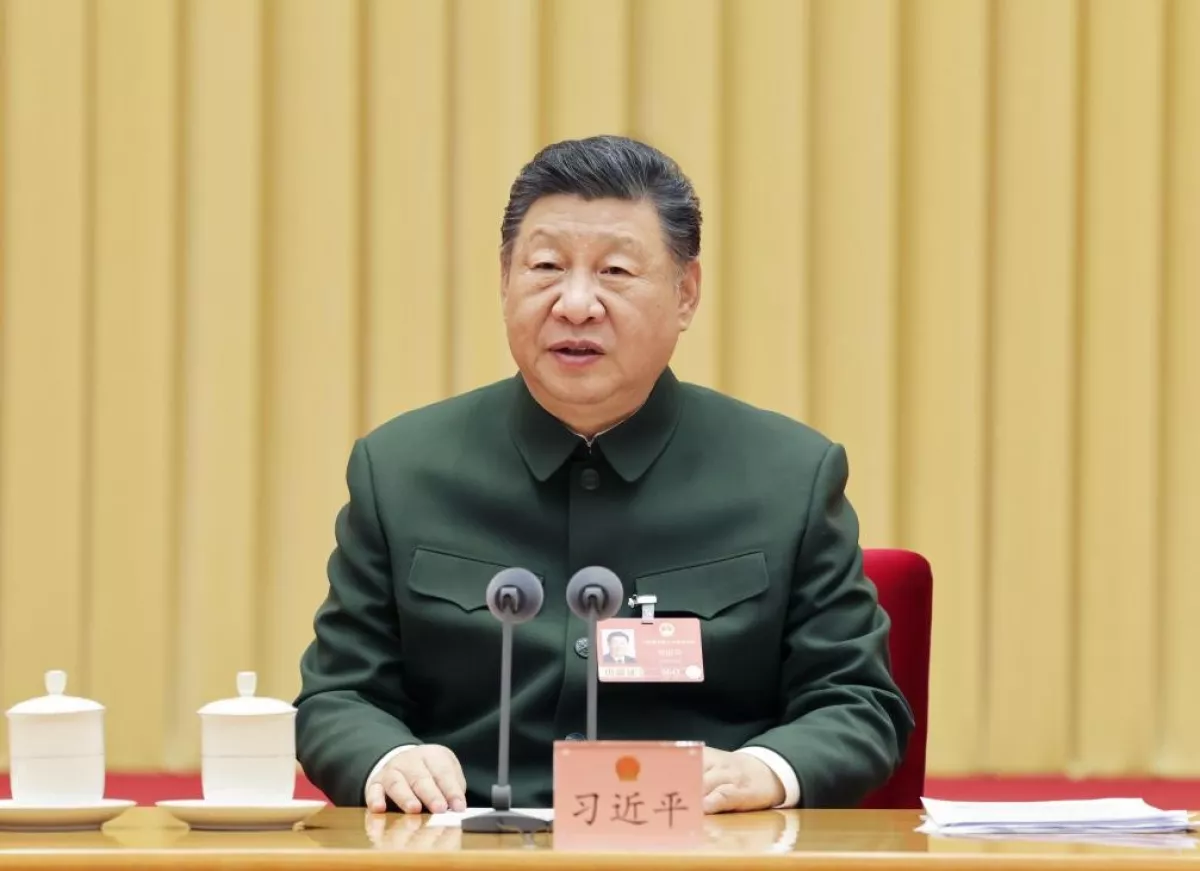
At the same time, it is important to note that discussions on the relevant issues between Tehran and Beijing have been quite active since the beginning of September. Recently, Iranian Foreign Minister Abbas Araghchi visited Beijing, where he held substantive talks with Chinese Foreign Minister Wang Yi. Following the talks, an important statement was issued: the Chinese side stressed that a protracted conflict between the United States and Iran is not in the interests of the international community and called on Tehran and Washington to resume the negotiating process.
So, will Xi be able to influence Trump, for example, by delivering an exclusive proposal from Tehran to the White House, or should we not expect any major surprises? This is the question that Caliber.Az puts to a political analyst specialising in Iran and an expert on East Asia.
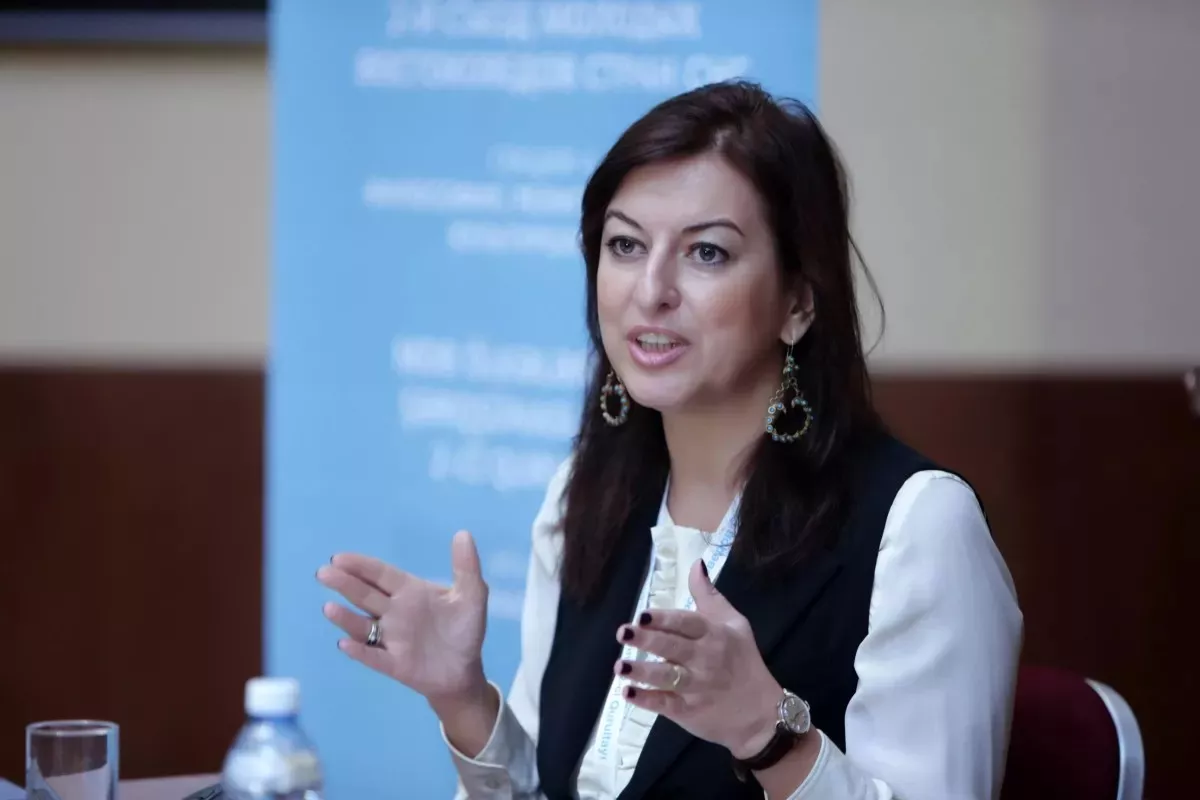
Lana Ravandi-Fadai, Associate Professor at the Department of Modern East and Africa at the Russian State University for the Humanities (RSUH) and Senior Research Fellow at the Institute of Oriental Studies of the Russian Academy of Sciences (RAS), believes that China is incapable of significantly influencing the positions of the parties, but may, so to speak, test whether there is any room for a return to previous agreements.
“In this context, the visit of Iran’s foreign minister to China ahead of Xi’s trip to Washington takes on particular significance: Tehran is effectively sending a specific signal through Beijing that it is ready to return to the Islamabad Memorandum, but is not prepared to return to the negotiating table as the defeated party and implement the agreement unilaterally.
As for China, ending the war is in its strategic interest, as Beijing needs the Strait of Hormuz to remain stable and operational, uninterrupted energy supplies, and the absence of a major war in the Persian Gulf. At the same time, Beijing has consistently opposed the use of force against Iran, unilateral US sanctions, and attempts to extend US sanctions legislation to Chinese companies.
For example, in May, the Chinese authorities officially prohibited individuals and legal entities in China from recognising or enforcing US sanctions against Chinese oil-refining companies ‘punished’ by Washington for transactions involving Iranian oil. In doing so, Beijing effectively sent the following message to the United States: US legislation cannot determine with whom Chinese companies are allowed to trade.
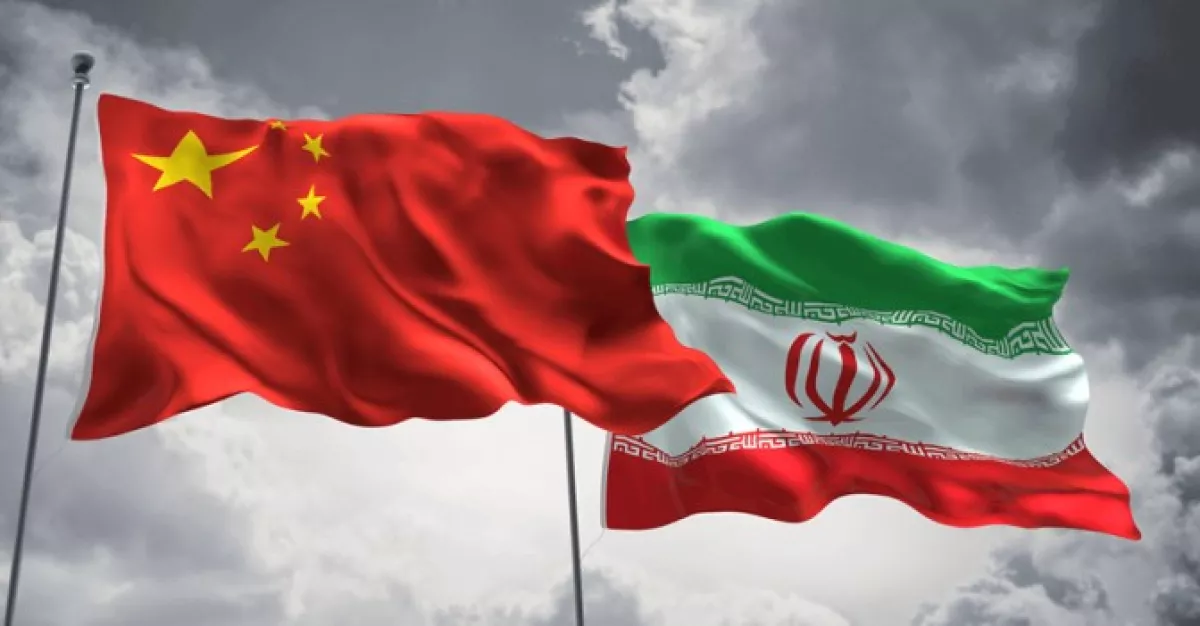
Thus, on a number of fundamental issues — unilateral sanctions, the use of force, Iran’s sovereignty, and the Islamic Republic’s right to pursue its own security interests — China’s position today is significantly closer to Iran’s than to that of the United States. There is also a particularly telling detail here: on September 17, literally the day after his talks with Araghchi, Wang Yi spoke with Marco Rubio, and one of the topics discussed was precisely the US-Iranian conflict. In other words, diplomatic probing had begun even before Xi Jinping’s visit.
So, with a high degree of probability, during his meeting with Trump, the Chinese president will seek to clarify the key issue — whether Washington is ready to move away from a logic of coercion towards a logic of mutual commitments. For this reason, I would not expect some major peace agreement to emerge from Xi’s visit. The real success would be much more modest, but more significant: if the US-Iranian negotiating channel resumes after the visit on the basis of the Islamabad Memorandum, it would mean that Chinese diplomacy has indeed worked,” Ravandi-Fadai said.

Meanwhile, sinologist and Doctor of Military and Political Sciences Professor Vakhtang Maisaia believes that freedom of navigation through the Bab el-Mandeb and Strait of Hormuz is a highly sensitive issue for China.
“Overall, China has too many pressure points in the Middle East. First, instability and hostilities in the region undermine the implementation of Beijing’s global Belt and Road Initiative. Second, China is losing access to supplies of critical resources, and we are not talking only about energy. In addition, Beijing intends to demonstrate that it is indeed, at the very least, the second most important power in the international community after the United States, and success as a mediator could significantly strengthen China’s political weight on the global stage. So, I expect China to make every possible effort to help resolve the US-Iran confrontation,” Maisaia concluded.







 editor@caliber.az
 +994 55 444-88-98
 Азербайджан, Баку, ул. Низами, 203, Af Business House, 5-й этаж