










On the brink of a major war: Who else could be drawn into a conflict with Iran? Expert opinions on Caliber.Az
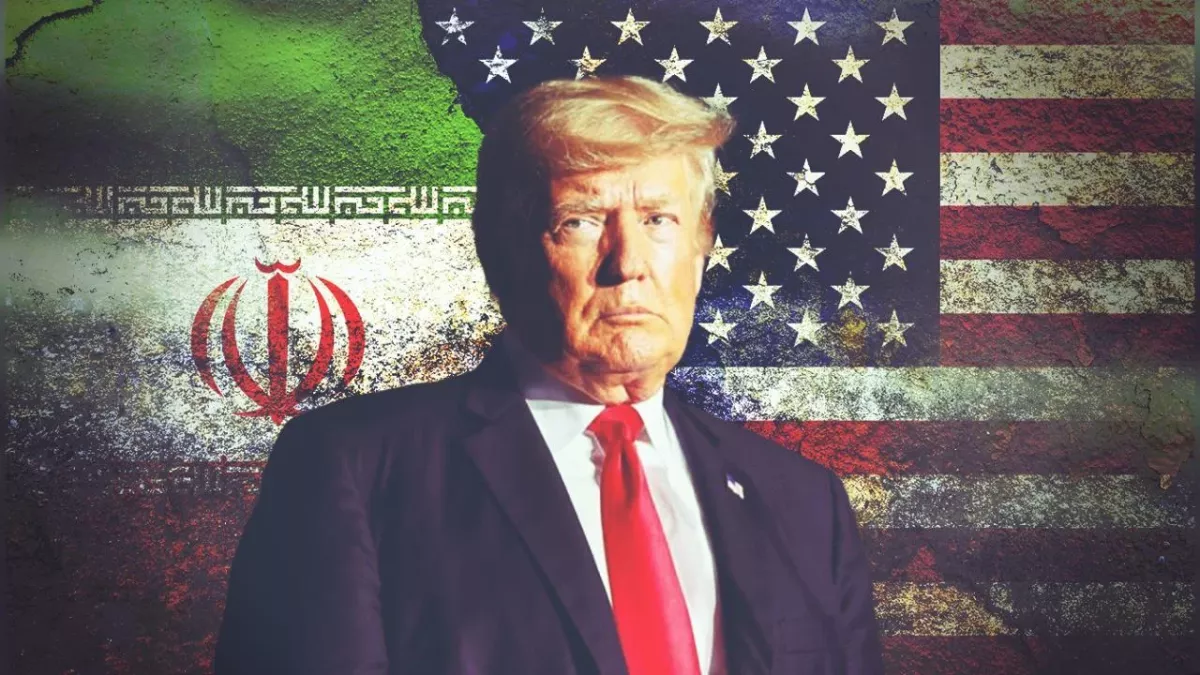
U.S. President Donald Trump said the new U.S. military campaign against Iran would not last “too long.” He said U.S. forces had destroyed new missile systems, radar equipment and other military assets that Iran was attempting to deploy near the Strait of Hormuz. Trump nevertheless stressed that Washington remains ready to launch further strikes at any time.
Meanwhile, Israeli Defense Minister Israel Katz held a meeting with IDF Chief of Staff Lieutenant General Eyal Zamir and other senior military and security officials. No details of the meeting were made public.
Earlier, Katz warned that if Iran launches an attack, Israel would respond without restrictions and target Iran’s infrastructure, including energy facilities. He said Israel was prepared for any scenario, both defensive and offensive.
The exchange of strikes is already creating risks for other countries in the region. Kuwait, for instance, reported intercepting drones and missiles in its airspace. Particular concern is focused on the situation around the Strait of Hormuz and the possible trajectory of Iran’s nuclear program.
How realistic is the prospect that the U.S.-Iran confrontation, with Israel directly involved, could expand beyond its initial scope and draw additional countries in the region into the conflict?
These questions were addressed by prominent regional experts in comments to Caliber.Az.

Israeli Defense Forces reserve officer and military analyst Yigal Levin believes it is clear that the United States will not back down from its demands on Iran — namely, that Tehran abandon its nuclear program and remove the nuclear material it has already accumulated.
“The Americans will not yield on this issue. They will continue to exert economic pressure and periodically launch strikes against Iran. What is happening to Iran now is similar to what previously happened to Bashar al-Assad’s Syria — effectively, its transformation into a failed state, a country that is unable to defend itself.
Syria was once bombed by Türkiye, Russia, the United States, France, Germany, Israel and Jordan. A similar situation is now emerging with Iran. It has already been attacked by Israel and the United States, while Saudi Arabia and the UAE have also carried out strikes.
The longer Iran resists Washington’s demands, the greater the pressure will become — including military strikes as well as economic and maritime blockades. Around 90% of Iran’s oil exports were transported by sea, so the continuation of the blockade severely limits the country’s economic prospects.
It cannot be ruled out that other states could eventually be drawn into the conflict as well. As long as the current government remains in power — a government that the West has decided to bring down — virtually any country could potentially become involved in the conflict, including Türkiye,” Levin said.

Serhii Danylov, Deputy Director of the Kyiv-based Center for Middle Eastern Studies, said the conflict in the Persian Gulf has already gone beyond a bilateral confrontation between the United States and Iran. Iran is targeting U.S. military facilities across the region, while shipping through the Strait of Hormuz remains under pressure. However, this does not yet mean that the Gulf states are prepared to enter the war directly.
“Most likely, the escalation will remain within the conflict’s existing geographical boundaries. Iran will continue to use the U.S. military presence in Kuwait, Bahrain, Jordan, Iraq and the UAE as a means of pressuring Washington. At the same time, regional states will seek to avoid direct involvement in the hostilities. They depend on U.S. security guarantees but also have a strong interest in preventing a large-scale war with Iran, as their economies are highly sensitive to the stability of maritime transport, energy exports, port operations and capital flows.
Therefore, the key question is not whether the Gulf states will formally enter the war, but how far they are prepared to go in terms of military cooperation with the United States. For now, the most likely measures are strengthening air defences, sharing intelligence, protecting U.S. facilities and supporting maritime operations. This allows them to defend their own territory without participating in an offensive campaign against Iran.
Oil terminals, ports, power plants, desalination facilities and transport infrastructure are particularly vulnerable. A major attack on these facilities could quickly increase domestic pressure on Gulf governments and push them toward a tougher response.
As of early September, Iranian pressure on regional countries remains relatively limited. Tehran is capable of carrying out larger-scale attacks, but so far it has not made them a central instrument of its campaign. One possible explanation for this restraint is that Iran wants to preserve the option of applying further pressure without provoking the Gulf states into forming a united front against it. The emergence of the Mecca Pact may also have played a role.
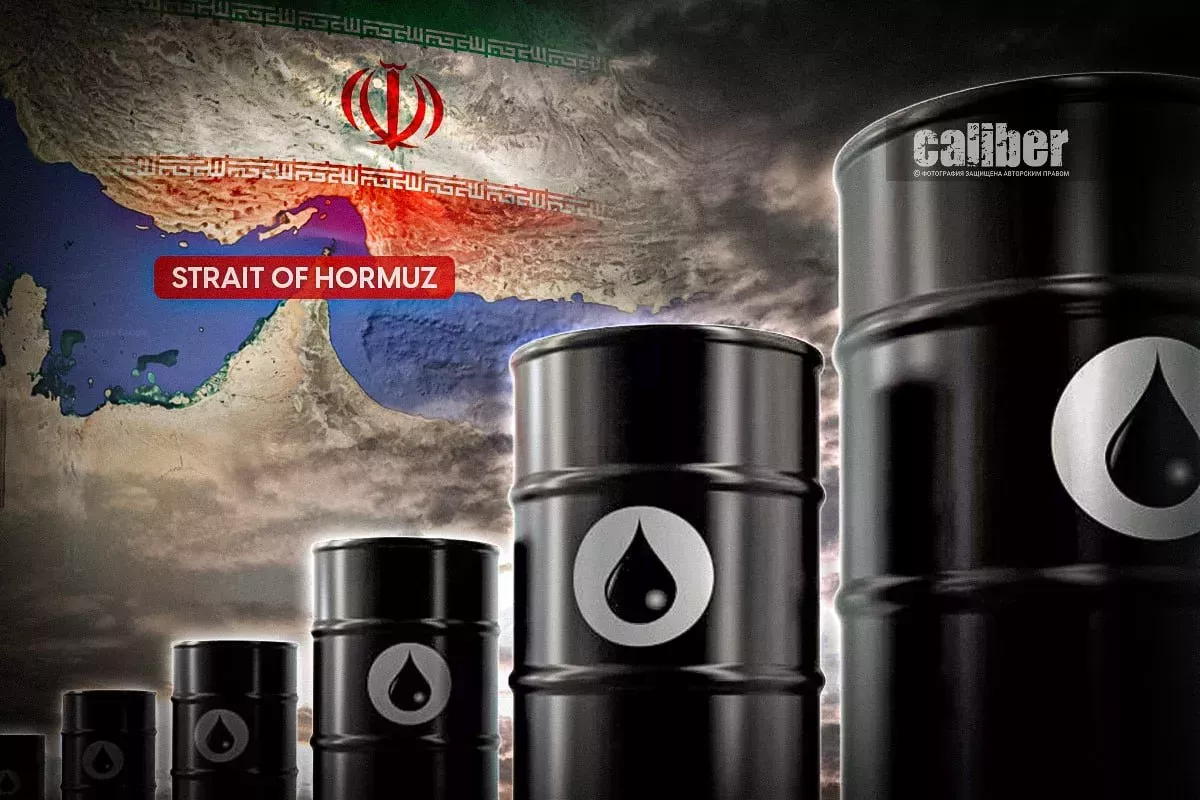
The Strait of Hormuz remains one of Iran’s main instruments of pressure. Even a limited threat to shipping can drive up insurance premiums, alter tanker routes and transportation costs, and affect global oil markets. However, Tehran may be overestimating the effectiveness of this tool.
The United States, for its part, is increasing economic pressure, including through strikes on Iranian oil logistics facilities. A complete halt to Iranian oil exports could have catastrophic consequences for the regime, but it could also give Tehran a stronger incentive to target shipping and energy infrastructure across the region.
Neither side, however, has an interest in a full-scale war. Iran risks facing widespread destruction of its military, energy and industrial infrastructure, while the United States would face the high costs of a prolonged campaign, military casualties and potentially significant effects on global energy prices. For the Gulf states, prolonged disruption to shipping and attacks on critical infrastructure would likewise entail serious economic losses.
Therefore, in the short term, a full-scale regional war does not appear to be the most likely scenario. The main danger lies in the gradual erosion of the balance that currently makes it possible to avoid such a war. A series of limited strikes and retaliatory actions could create a situation in which heavy casualties or serious damage to oil and water infrastructure forces one of the sides to fundamentally reassess its calculations.
In the near term, Iran will likely continue to combine strikes on U.S. military infrastructure with pressure on shipping, while the United States will continue targeting military and economically significant facilities in Iran. The Gulf states, meanwhile, are likely to strengthen their defences while avoiding direct confrontation with Tehran.
Thus, the most likely scenario is not the formation of a new coalition against Iran, but a gradual deepening of the conflict that already exists. The main risk is not a deliberate decision by either side to launch a large-scale regional war, but a process of gradual escalation that could ultimately make such a war unavoidable,” Danylov believes.







 editor@caliber.az
 +994 55 444-88-98
 Азербайджан, Баку, ул. Низами, 203, Af Business House, 5-й этаж