










Türkiye’s Black Sea push: Why the Erdoğan–Zelenskyy meeting matters Foreign experts on Caliber.Az
The meeting between Turkish President Recep Tayyip Erdoğan and Ukrainian President Volodymyr Zelenskyy on the sidelines of the 81st session of the UN General Assembly was marked by a number of important statements aimed at finding ways to end the Russian-Ukrainian confrontation.
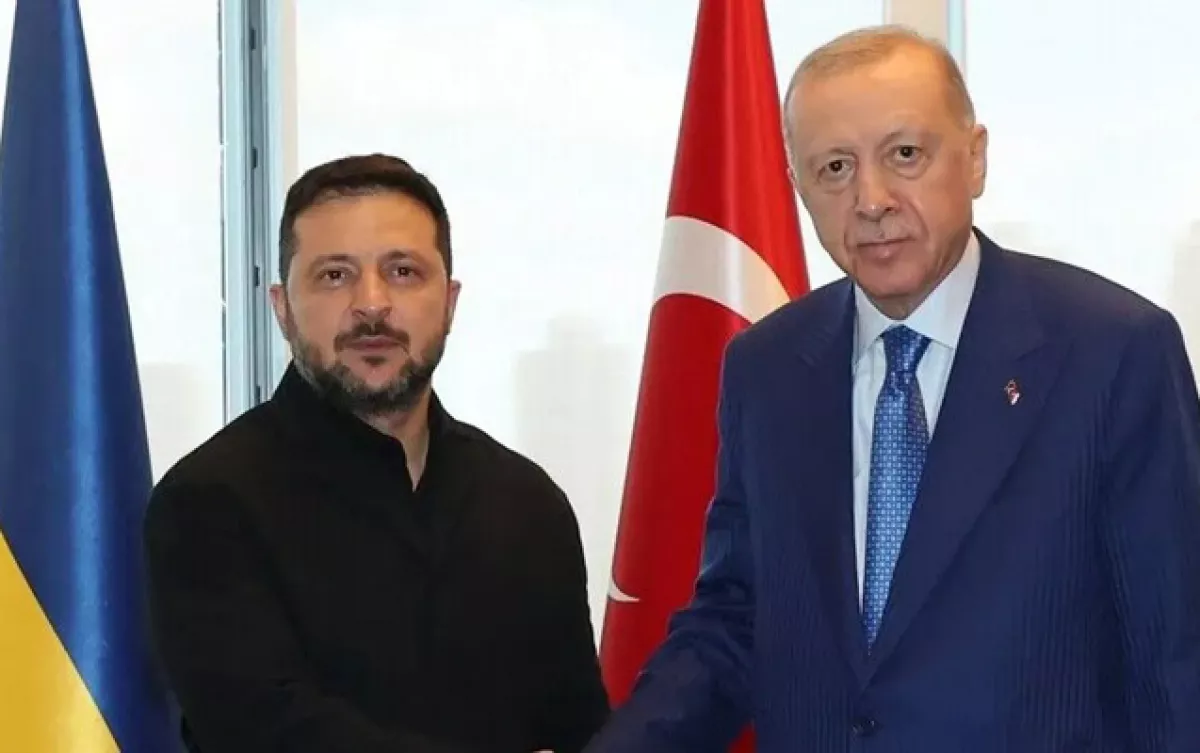
The main outcome of the closed-door talks at the “Turkish House” in New York was Kyiv’s official confirmation of its readiness to participate in a trilateral leaders’ summit aimed at ending the Russian-Ukrainian conflict, provided that Ankara organises it.
During the meeting, the Turkish president also strongly condemned attacks on commercial vessels in the Black Sea, calling them entirely unjustified, and urged the parties to exercise maximum responsibility in the interests of global food-export stability. In addition, the two leaders reaffirmed their intention to fundamentally reshape their economic ties, announcing plans to increase bilateral trade tenfold — from the current $1 billion to $10 billion.
So, how do experts and analysts in Türkiye and Ukraine assess the Erdoğan–Zelenskyy talks in New York? Experts from the two countries shared their views on the issue with Caliber.Az.
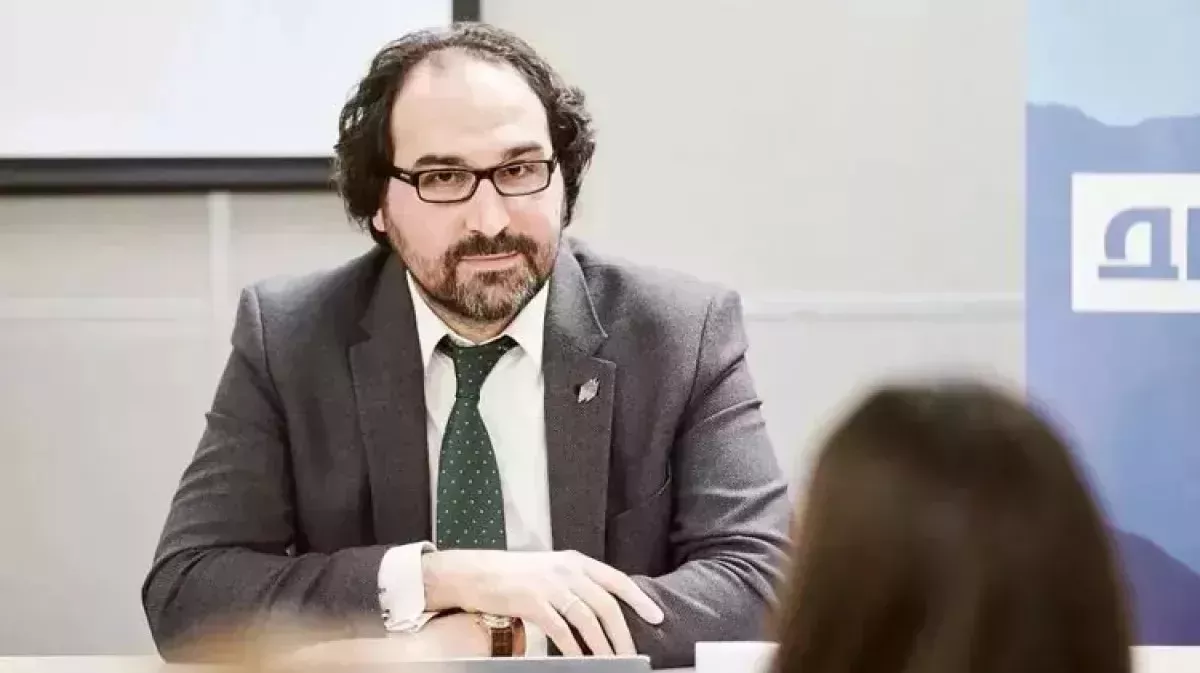
Political analyst Kerim Has believes that the meeting between the presidents of Türkiye and Ukraine at the “Turkish House” in New York can hardly be described as a breakthrough. However, it is undoubtedly very important for both sides, as the leaders discussed bilateral relations, the regional context, and the Ukrainian crisis itself. In addition, the presidents addressed another issue of particular importance to Türkiye — ensuring the safety of free navigation in the Black Sea.
“In recent months, attacks on vessels and Russian and Ukrainian Black Sea ports have intensified significantly. This also affects Turkish vessels, as Türkiye has a large volume of trade with Russia: last year, the country ranked second after Egypt in terms of Russian grain imports, and this figure has since more than doubled. In addition, Türkiye purchases large volumes of Russian oil, which is transported through the Black Sea. As a result, attacks on commercial vessels have a direct impact on the Turkish economy, particularly on food prices and inflation. Therefore, I believe President Erdoğan raised the issue of ending attacks on civilian vessels, especially Turkish ones, with Zelenskyy.
In my view, another topic may have been the possibility of Türkiye once again serving as a venue for negotiations between Moscow and Kyiv. For Zelenskyy, the fact that the Turkish state is a NATO member is highly significant, while Putin sees Ankara as an important regional actor with which contacts need to be maintained. Given this, a Turkish venue is acceptable to both sides, and if the negotiating process involving the United States, Russia and Ukraine resumes, Türkiye is ready to host these talks,” the expert said.
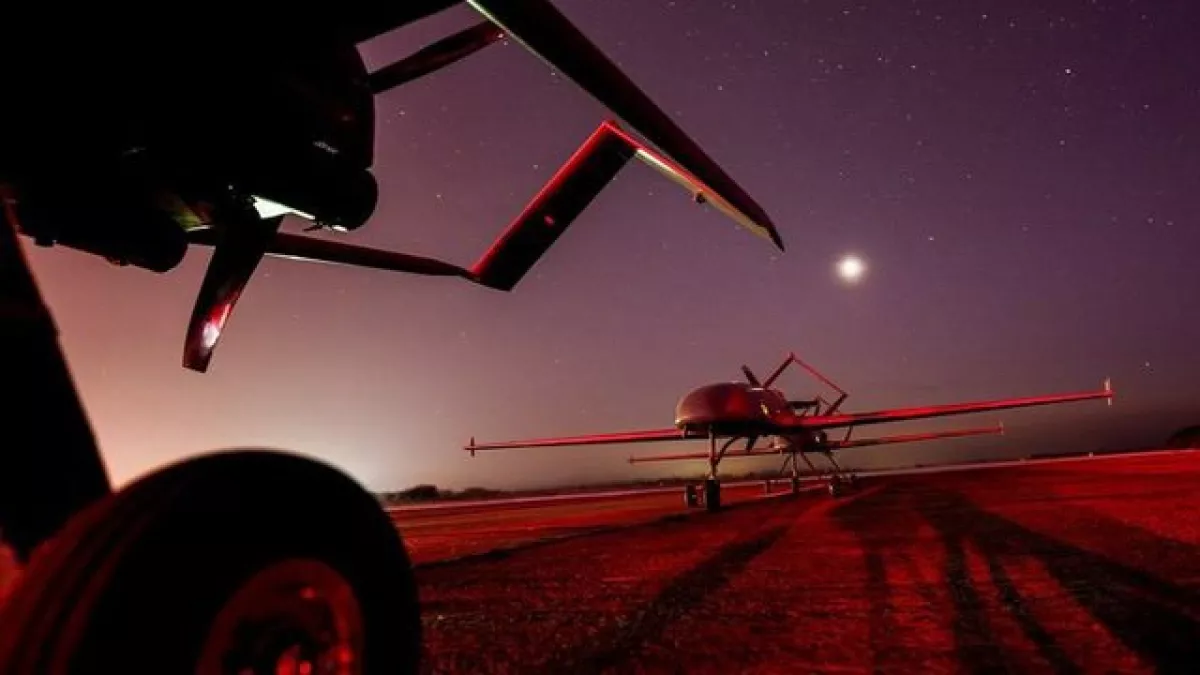
He also stressed the importance of Turkish-Ukrainian military-technical cooperation, including joint projects in the defence industry: “Recently, there have been widespread reports about the possible transfer to Kyiv of weapons currently in service with the Turkish armed forces. As I understand it, this process has been suspended for now, with a certain pause having emerged, as this is a highly sensitive issue. Russia views the transfer of Western long-range weapons to Ukraine as an indication of the direct involvement of the respective countries in the conflict.
However, cooperation between Ankara and Kyiv in the defence industry continues to develop, particularly in the field of unmanned technologies. Moreover, the projects being discussed today are more ambitious than those in 2022, as Ukraine has significantly expanded its own drone production since the beginning of the war. I believe the two sides will continue to deepen cooperation in the production of UAVs and interceptor drones, including new jet-powered models and systems incorporating artificial intelligence.
Economic issues constituted the third track of the discussions and are, of course, also highly important. But in my view, as long as the war continues, the main issues remain the safety of navigation, the possibility of a negotiating process, and defence cooperation.”
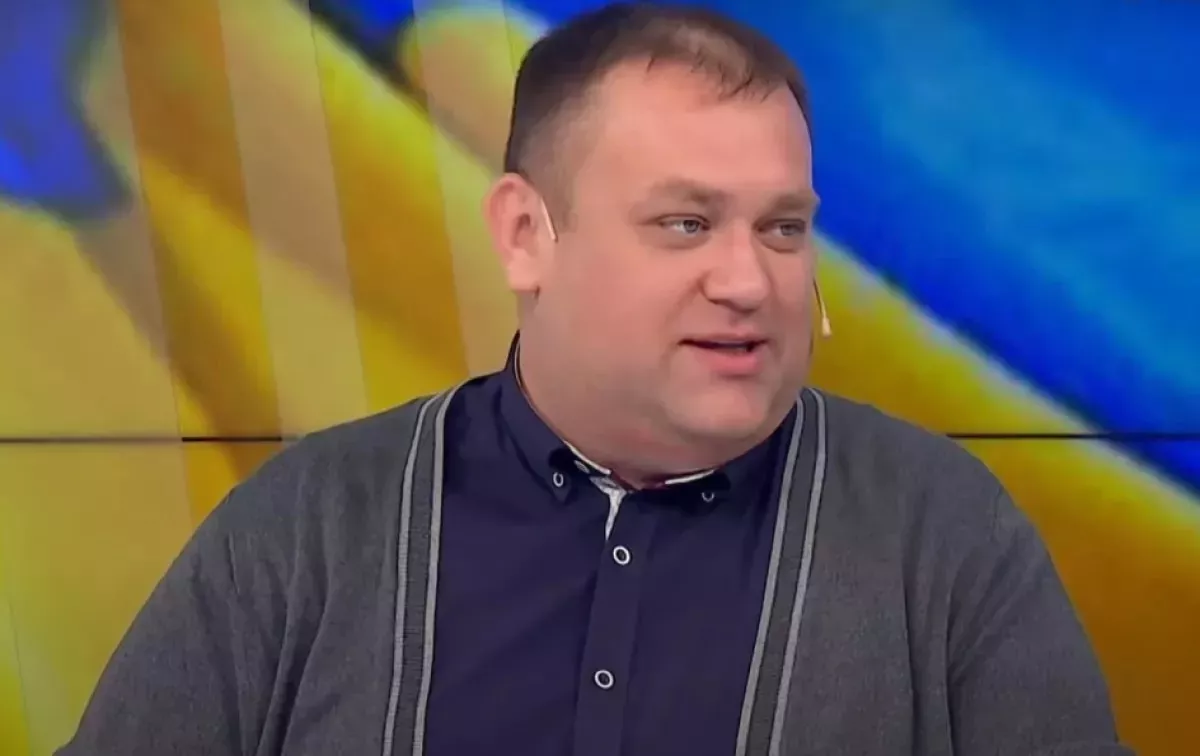
Meanwhile, analyst, PhD in Political Science and President of the International Institute for Security Studies Oleksii Buriachenko believes that the meeting between Recep Tayyip Erdoğan and Volodymyr Zelenskyy on the sidelines of the UN General Assembly session in New York is a positive signal, as it brings the issue of Black Sea security back to the fore.
“For Türkiye, the Black Sea is a logistics hub, a centre of trade and shipping. That is why Turkish Foreign Minister Hakan Fidan recently sent a corresponding initiative to both Kyiv and Moscow in an attempt to revive the grain deal in a new format. However, this issue now requires thorough consideration. It should not be limited to the possibility of exporting Ukrainian grain; it should also address ensuring the safety of maritime trade as a whole.
At the same time, any potential ceasefire should be mutual and reciprocal: if Ukraine does not strike Russian export-import infrastructure and vessels, then Russia should likewise refrain from attacking Ukrainian vessels and ports. This basic configuration appears fair. A scenario in which only Kyiv is expected to halt strikes seems unrealistic, especially since Ukraine’s long-range capabilities remain one of the factors exerting pressure on Moscow, forcing it to behave at least minimally constructively in the negotiating process.
At the same time, in my view, pressure from the United States and the EU remains insufficient. If Washington fully deploys the potential of the sanctions mechanism, this would, of course, increase pressure on Russia, but such a development remains only a potential possibility for now.
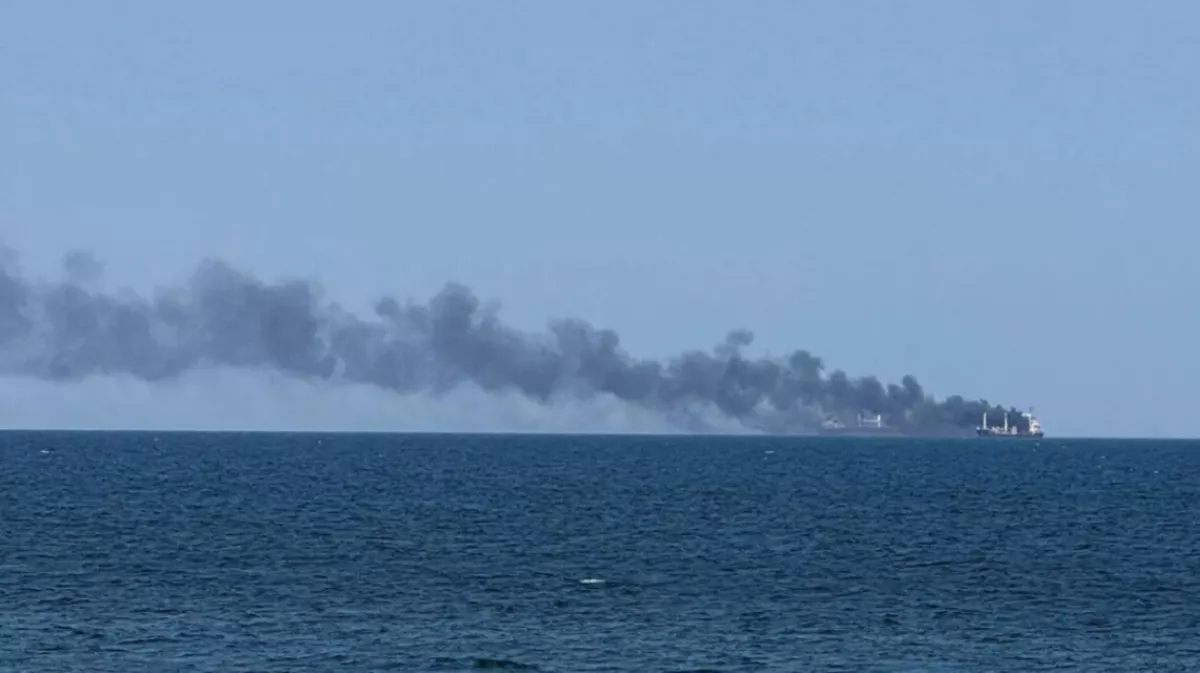
The Turkish initiative to de-escalate the situation in the Black Sea is becoming even more important because it was also put forward at the United Nations, which, as during the previous grain deal, can play an important institutional role. In effect, Türkiye is calling on the international community to become involved in the issue and increase pressure on Russia to stop attacks on vessels and Ukrainian ports. If this goal is achieved, it would strengthen the position of the international coalition seeking to end the war and help avoid serious consequences for countries in Africa, the Middle East and Central Asia that traditionally import Ukrainian grain.
Other no less important issues discussed at the meeting concerned more effective implementation of the free trade agreement between Ukraine and Türkiye, which was signed before the start of hostilities, as well as Ankara’s participation in broader interregional cooperation on drone technologies. President Erdoğan is highly interested in this, as the Ukrainian side now possesses highly advanced technologies in the drone sector that Türkiye is interested in scaling up both for production and to strengthen its defence capabilities,” the expert said.
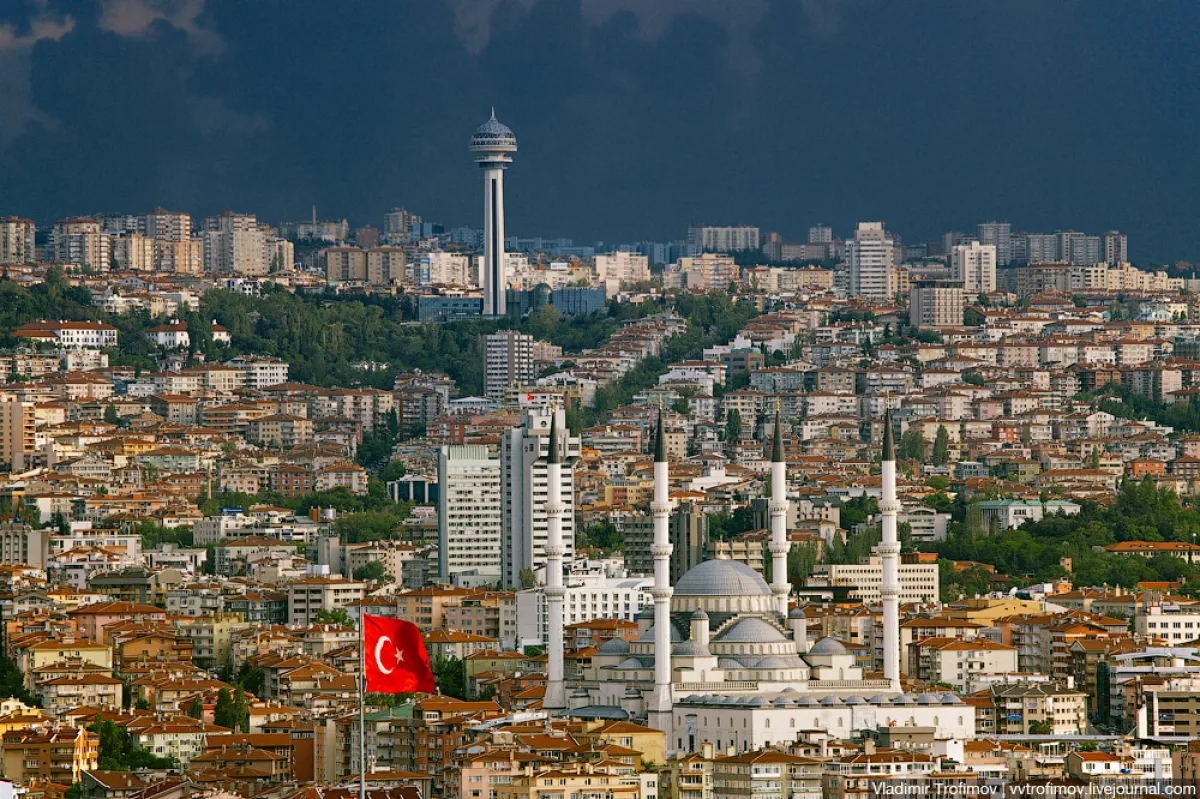
Returning to the issue of Ankara’s mediation role, the analyst noted that Türkiye’s involvement in discussions on a possible sectoral ceasefire strengthens this negotiating track.
“The inclusion of Türkiye, as a key actor in the Black Sea region, in this process undoubtedly strengthens it. Let me reiterate: the more countries that are interested in ending the war and are prepared to exert corresponding influence on Russia, the more opportunities there are to advance towards peace. In addition, de-escalation in the Black Sea will allow the two countries to fully realise their trade potential. Moreover, in my view, Ukraine and Türkiye are capable of jointly shaping certain frameworks for interregional security if they act in a coordinated and effective manner,” Buriachenko concluded.







 editor@caliber.az
 +994 55 444-88-98
 Азербайджан, Баку, ул. Низами, 203, Af Business House, 5-й этаж