










Zatulin’s “bonfire of hatred”: Moscow’s message to Pashinyan Expert opinions on Caliber.Az
Konstantin Zatulin, First Deputy Chairman of the State Duma Committee on CIS Affairs, has assessed the prospects for improving trade and economic relations between Russia and Armenia. According to him, there is little prospect of an improvement in relations as long as Nikol Pashinyan remains prime minister.
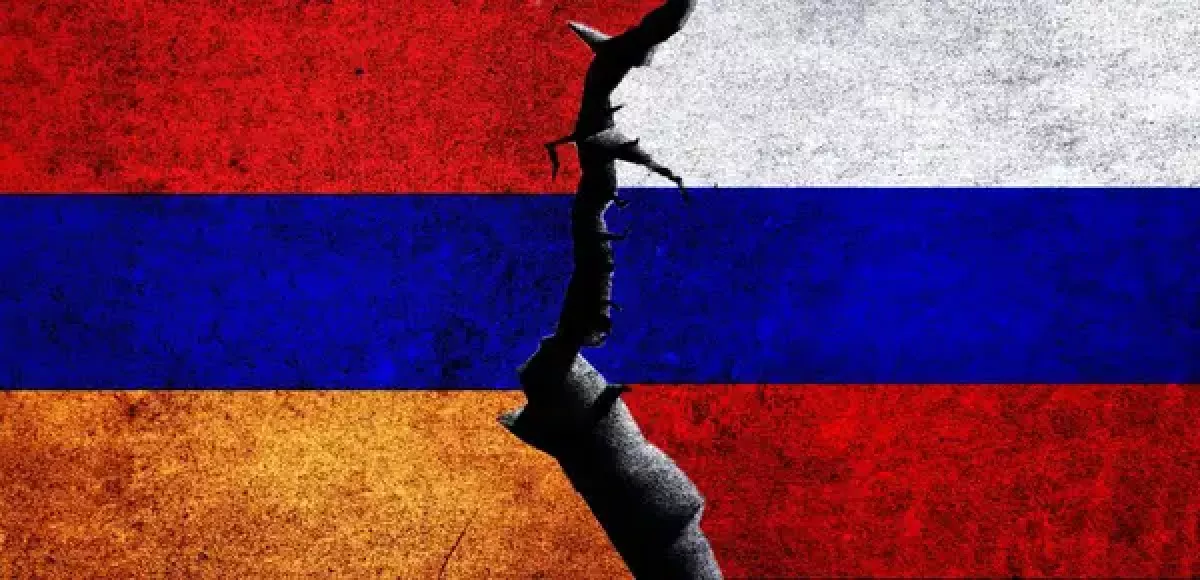
The Russian lawmaker attributed the deterioration in relations to Yerevan’s policy of rapprochement with Moscow’s “adversaries”. It appears that the Russian MP, who has been declared persona non grata in both Armenia and Azerbaijan, is seeking to settle scores over the “grievances” he believes he has suffered.
Zatulin also claimed that Pashinyan is reluctant to hold a referendum on EU membership because he is unsure of the outcome, and alleged that the parliamentary elections were rigged.
“Pashinyan lost the parliamentary elections, but through manipulation he managed to push through his candidacy and secure a majority in parliament. He knows that he rigged the elections. If he were confident about the referendum, he would have held it yesterday. Today, not only EU membership, but even visa-free travel with the EU has ‘gone up in smoke’, as an EU representative already said the day before yesterday,” Zatulin said.
Where does the Russian lawmaker get his “evidence” against Pashinyan? Why does he appear to be so well informed about the prospects for Russian-Armenian relations? And how are his latest remarks being received in Armenia?
Prominent experts answered these questions for Caliber.Az.
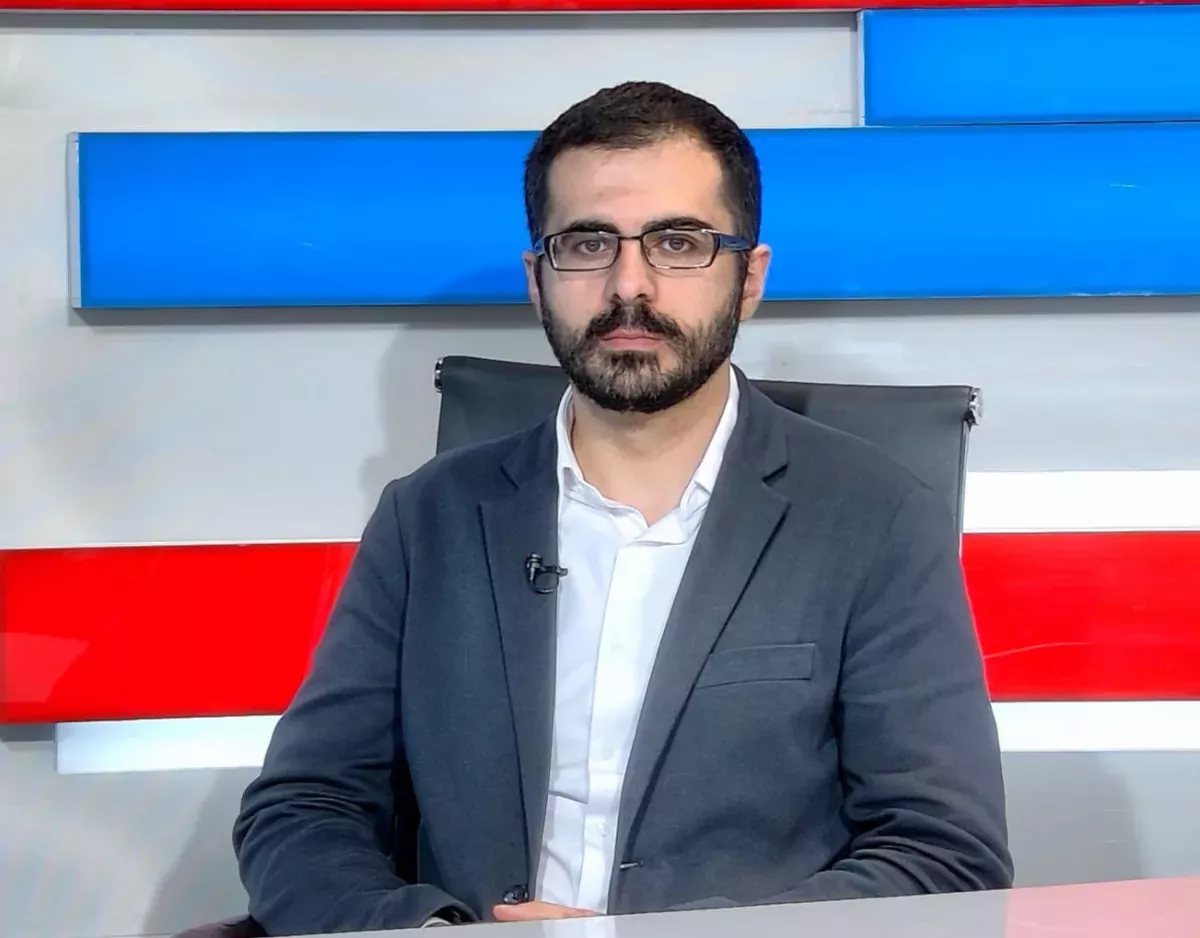
An expert at the Armenian Council research centre and a participant in the “Bridge of Peace” civil initiative, Samvel Meliksetyan, believes that Zatulin’s statement may indicate Moscow’s intention to continue exerting pressure on Yerevan and maintain the economic restrictions currently in place, including bans on imports of certain Armenian products, and possibly introduce new measures, such as raising gas prices.
“Russian authorities clearly view the situation with Armenia not only in a bilateral context, but also as a signal to other post-Soviet countries seeking to diversify their foreign policy and reduce Russian influence. Armenia is the most vulnerable and dependent on Russia in this regard, so demonstratively punishing it in the hope of presenting this as a lesson to others is easier than engaging in a similar confrontation with, for example, Kazakhstan,” the political analyst noted.
According to him, Moscow is also seeking to isolate Armenia from the other Eurasian Economic Union countries. Meliksetyan linked this to a recent fake story about Kazakhstan that was circulated in Pashinyan’s name and subsequently debunked by the original video recording and Kazakhstan’s Presidential Centre for Combating Disinformation. In the expert’s view, the aim of the fabricated story was to create a negative perception of Pashinyan and Armenia.
Speaking about the referendum on joining the EU, Meliksetyan said Moscow is interested in having Armenia repeal the law of March 26, 2025 on launching the process of accession to the EU — either through a referendum or by repealing the law itself. Yerevan, however, says that EU accession is not currently on the agenda, and therefore no referendum will be held.
“Such a referendum would become an important lever for Moscow. It expects that a significant part of Armenian society, fearing a further deterioration in relations with Russia, including higher gas prices and new trade restrictions, would vote against EU accession. This would simultaneously weaken Armenia’s ties with the European Union and send a signal to other post-Soviet countries that Russian influence in the region remains unchallenged,” the expert believes.
Addressing Zatulin’s role, Meliksetyan said the Russian lawmaker had never been a defender of Armenia’s interests. According to him, Moscow has traditionally used Russian politicians and experts who publicly advocated the interests of individual post-Soviet countries as instruments of influence over their societies.
“After losing these levers, such people began speaking openly about what matters most to them — preserving and strengthening Russian influence in the post-Soviet space. By equating Armenia with Pashinyan, they can continue to present themselves as ‘defenders’ of the Armenian people, even though their attitude towards Pashinyan actually reflects their attitude towards Armenia as a state: they see its future only in conditions of loyalty to and dependence on Russia.
The Armenian-Azerbaijani conflict was for a long time the main lever that allowed this scheme to operate in both societies. Now that this pillar has disappeared, it is becoming clearer how and why it was used,” Meliksetyan concluded.
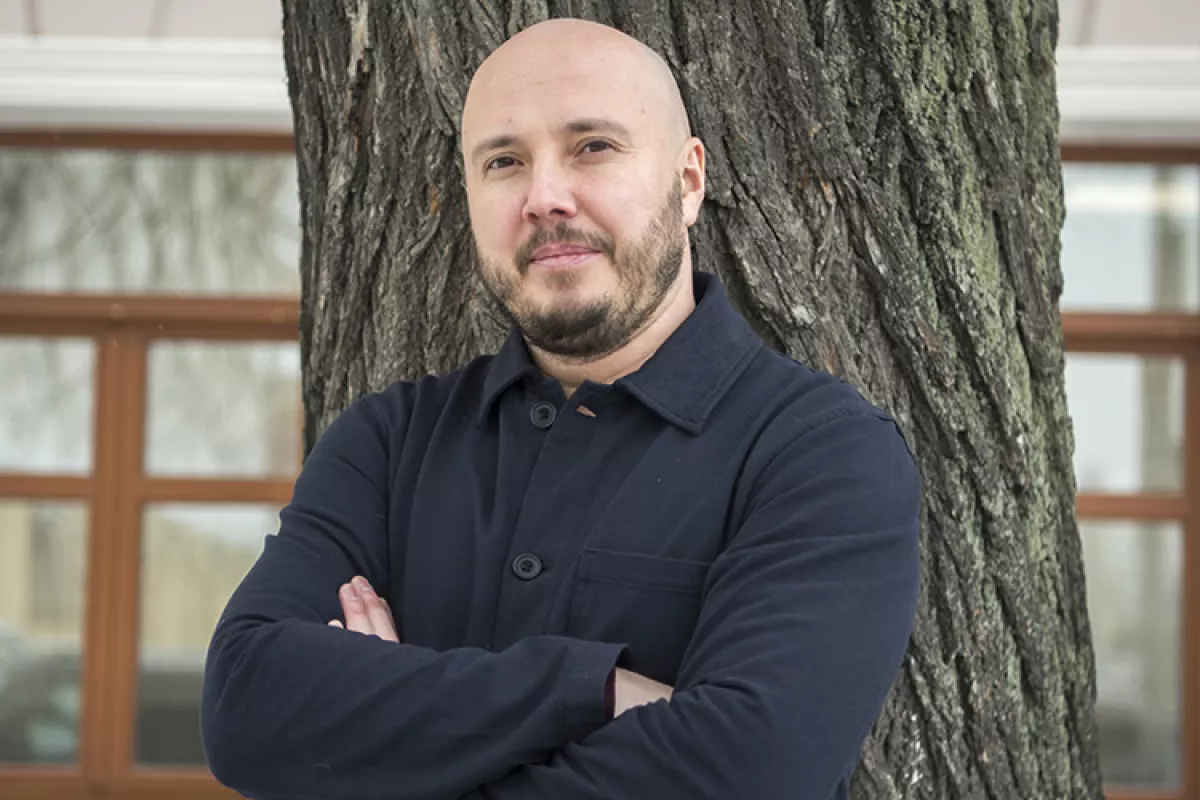
According to Ruslan Aisin, a Russian-German political analyst, editor-in-chief of the Poistine portal, historian and publicist, Zatulin is advancing the Kremlin’s broader agenda amid Moscow’s growing dissatisfaction with Pashinyan’s policies.
“It is obvious that Armenia is trying to finally break free from Moscow’s sphere of influence, so Zatulin is essentially threatening Pashinyan. There have been many such threats before, but so far, none of them has materialised,” the political analyst noted.
According to Aisin, Armenia remains economically dependent on its relations with Russia, but that dependence is not critical. Any decline in bilateral trade and exports could potentially be offset by expanding economic ties with Azerbaijan and Türkiye.
“Zatulin is carrying out a certain assignment by claiming that Pashinyan has failed to fulfil certain obligations. But it is unclear what obligations he is referring to or what exactly Armenia owes Russia. If Moscow is resorting to rhetorical threats, it means it does not have that many levers of influence. Otherwise, there would be no need to act through a ‘talking head’ — in this case, Zatulin.
For now, his statements look like furious verbal interventions. Russia, bogged down in the conflict in Ukraine, cannot simply exert serious pressure on Armenia. Moreover, I believe Azerbaijan and Türkiye have a certain position on this issue that prevents Moscow from having a free hand in the region,” Aisin concluded.







 editor@caliber.az
 +994 55 444-88-98
 Азербайджан, Баку, ул. Низами, 203, Af Business House, 5-й этаж