










Armenia in no hurry to say goodbye to Russian base Expert opinions on Caliber.Az
More than half (54.4%) of Armenian citizens support keeping the Russian 102nd Military Base in Gyumri, according to the findings of a survey presented by the Armenian branch of Gallup International. Specifically, 39.7% believe the base is necessary to ensure Armenia’s security, while 24.7% support keeping it but with its deployment terms revised. At the same time, 28.9% believe Russia should withdraw the base from the country, while 6.8% were undecided.
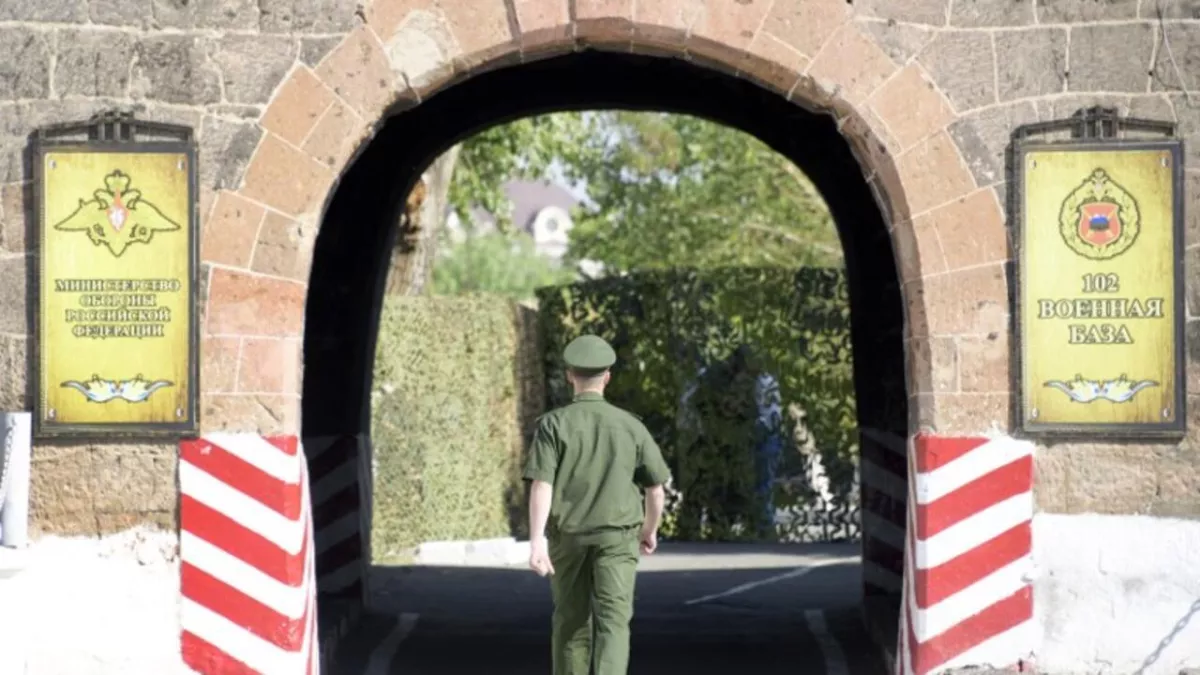
The poll results are noteworthy against the backdrop of Prime Minister Nikol Pashinyan’s policies, with his ruling party receiving majority support from voters this summer. Pashinyan advocates a peace agenda and the development of good-neighbourly relations with Azerbaijan and Türkiye, which at first glance does not seem entirely compatible with maintaining the Russian military base.
What, then, could explain such sentiments in Armenian society? Do they indicate a continued demand for Russian security guarantees, concerns about potential threats, or other factors?
Prominent experts shared their views on these questions with Caliber.Az.
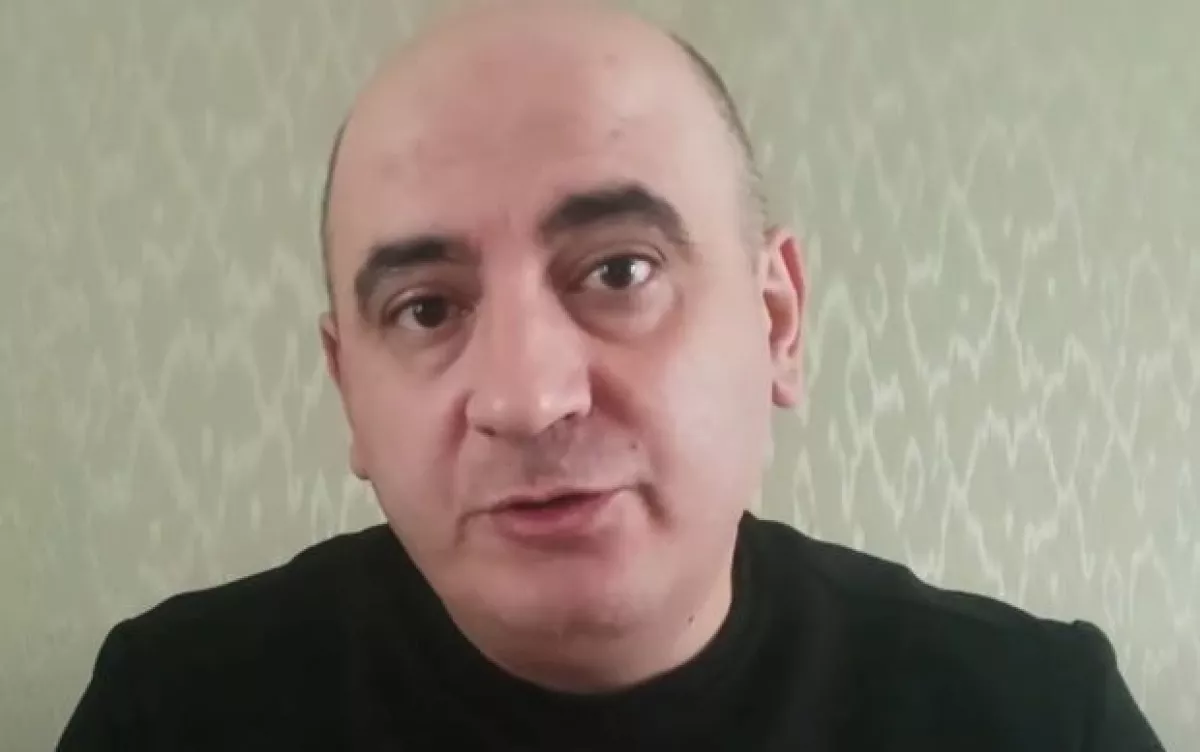
According to Armenian analyst and publicist Ishkhan Verdyan, the Armenian branch of Gallup International, which periodically publishes opinion polls, particularly against the backdrop of major events in the country, has repeatedly faced criticism over discrepancies between its survey results and subsequent developments.
“Every time it published a poll, it turned out that the figures did not match what actually happened afterwards. Therefore, its data should not be taken seriously. These figures do not reflect reality. The organisation has discredited itself through its conduct.
The Russian side itself raised the issue of the Russian military base in Armenia. The Armenian side did not raise this issue. Most likely, Russia initiated it to deepen polarisation within Armenian society, divide people into supporters of Russia and the West, and gauge the actual level of support for Moscow. This information push did indeed work: in Armenia, it was picked up as though it was Nikol Pashinyan who had demanded the withdrawal of the Russian base. As a result, an issue that the Armenian side had no interest in addressing triggered a genuine media storm,” the expert said.
If we look at the actual situation, several key points can be identified, he continued.
“First of all, this base is a military facility, but strategically it cannot be a decisive factor for Armenia because it is entirely dependent on supplies from Armenian territory. If Armenia wants to, the military base could be left without bread, electricity or communications the very next second. Therefore, the base itself does not pose any strategic threat to Armenia.
Of course, the base itself does not have much military value precisely as a military facility, since it has no direct connection with its parent country, Russia.
There is also an explanation for why some citizens may be reluctant to get rid of the base. It should be understood that not all of Armenian society has yet come to terms with the prospect of Armenians and Turks standing opposite one another without any external forces or protectors.
The base itself, again, cannot in any way serve as a destabilising factor for Armenia, either internally or, even more so, militarily.
And, under favourable circumstances, this military base could even one day become a tourist attraction in Armenia. Nikol Pashinyan could beautifully develop the road leading to the military base and put up signs all along the way saying: ‘There is the Russian base with live soldiers.’ That way, tourists could go there and see for themselves the force that is currently fighting in Ukraine,” Verdyan concluded.
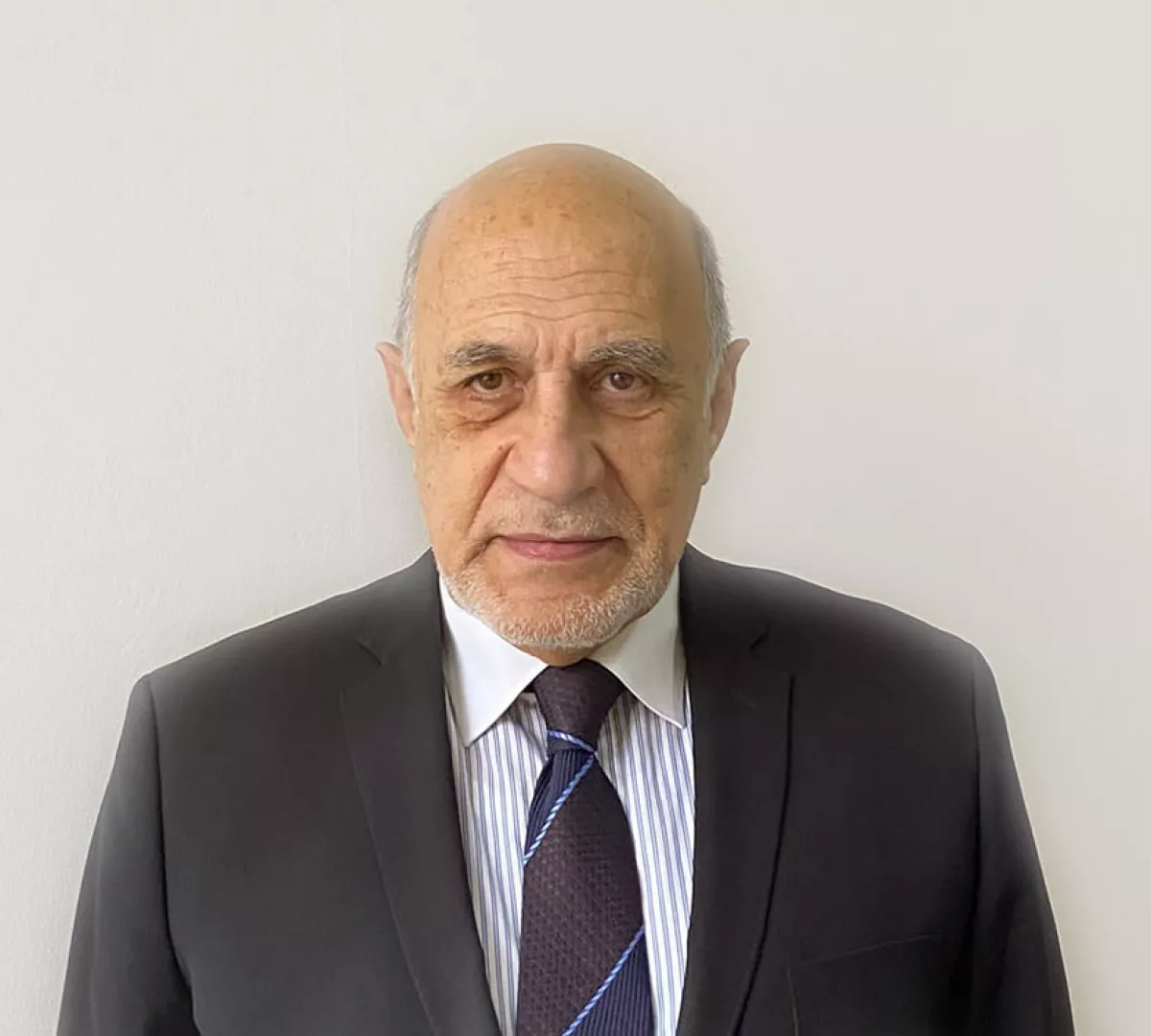
Political analyst and professor at Western Caspian University Fikret Sadikhov, for his part, noted that the survey results to some extent reflect the views and position of the Armenian leadership and Prime Minister Nikol Pashinyan personally.
“If we analyse these figures, they show that it is only slightly more than half of the entire population — or, more precisely, slightly more than half of those who chose one of the response options. This by no means means that a significant proportion of Armenia’s population supports keeping the military base in Gyumri or, conversely, its withdrawal.
Pashinyan has repeatedly stated that the Russian military base is not currently under discussion. Despite Armenia’s participation in the CSTO being effectively frozen and its relations with the Eurasian Economic Union also leaving much to be desired, Pashinyan understands that Russia continues to play a decisive role in political processes in Armenia, particularly domestic ones. Therefore, removing the Russian military presence and closing the base is unlikely to contribute to the normalisation of relations between the two countries.
Therefore, I believe the base will remain, although the terms of its presence may be revised to some extent. Today, Armenia no longer requires the same level of protection against the so-called external threat that was provided previously. The role of the Russian military facility in Gyumri will undoubtedly be subject to reform, and the base may perhaps perform functions different from those it carried out for many decades, when Türkiye was regarded as the main threat, and later Azerbaijan.
Ultimately, Armenia is now facing a new reality which, I believe, will force it to reconsider certain terms of the Russian military base’s presence,” Sadikhov said.







 editor@caliber.az
 +994 55 444-88-98
 Азербайджан, Баку, ул. Низами, 203, Af Business House, 5-й этаж