










UN reform: Is there a way out of the deadlock? Expert opinions on Caliber.Az
The President of Kazakhstan has said that the United Nations has become ineffective due to declining trust between countries. Kassym-Jomart Tokayev made the remarks while addressing a BRICS meeting in the outreach format in New Delhi.
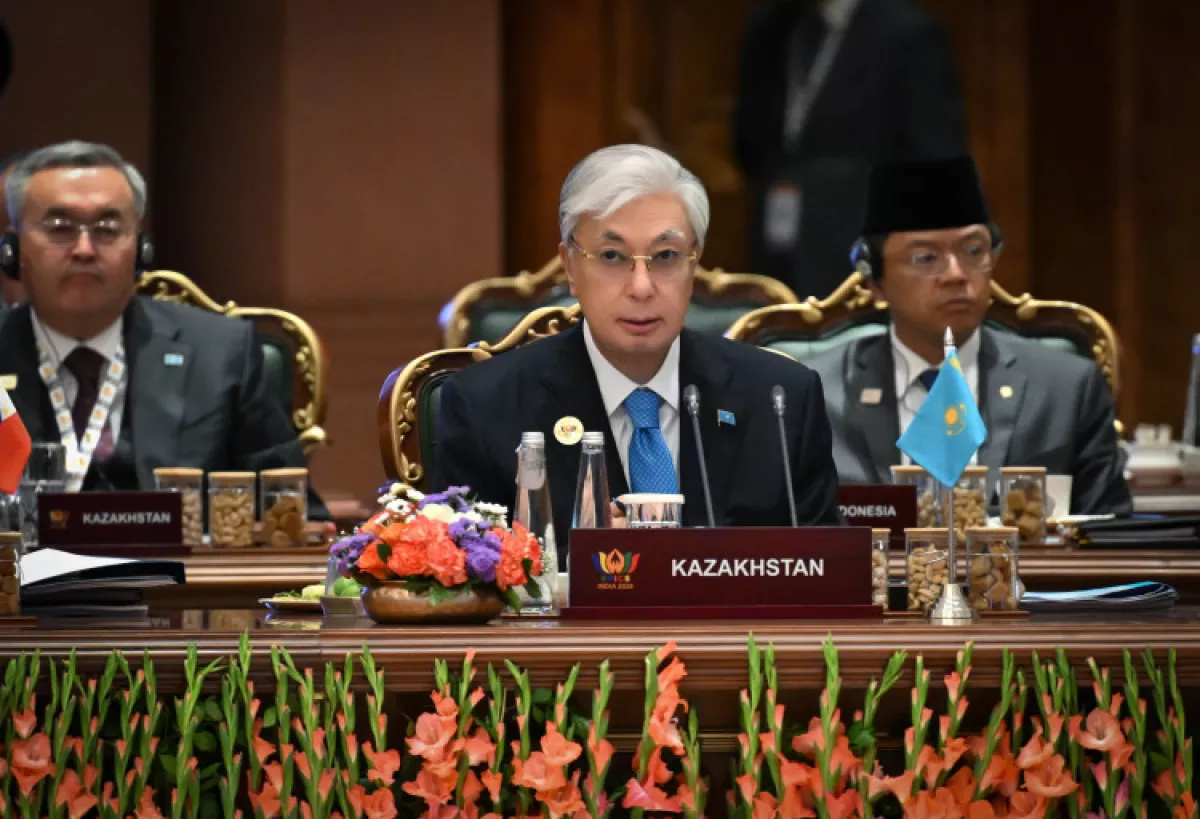
“Peace and strategic stability are essential conditions for economic and sustainable development. The priority should be to move from de-escalating regional tensions to long-term stability through political dialogue and consistent diplomacy,” he said.
According to Tokayev, the erosion of international security and protracted conflicts increase the risk of a new arms race and strategic miscalculations. He also stressed the need for dialogue among nuclear powers to reduce nuclear risks.
“The UN cannot be effective because trust between countries has declined... The UN Charter must be upheld consistently, rather than selectively. Reform of the Security Council should reflect modern realities and ensure fair representation for Asia, Africa and Latin America. Developing middle powers should also have a more meaningful voice in global decision-making,” Tokayev said, describing the organisation as an indispensable platform and calling for its reform.
Tokayev noted that Astana views BRICS as a platform for cooperation that complements the multilateral system centred on the UN.
The issue of UN reform has remained on the international agenda for many years. However, how realistic is a fundamental reform of the organisation and the Security Council amid diverging interests among its members? What mechanisms could enhance the UN’s effectiveness and strengthen its role in international relations?
Renowned foreign experts shared their views on these issues with Caliber.Az.
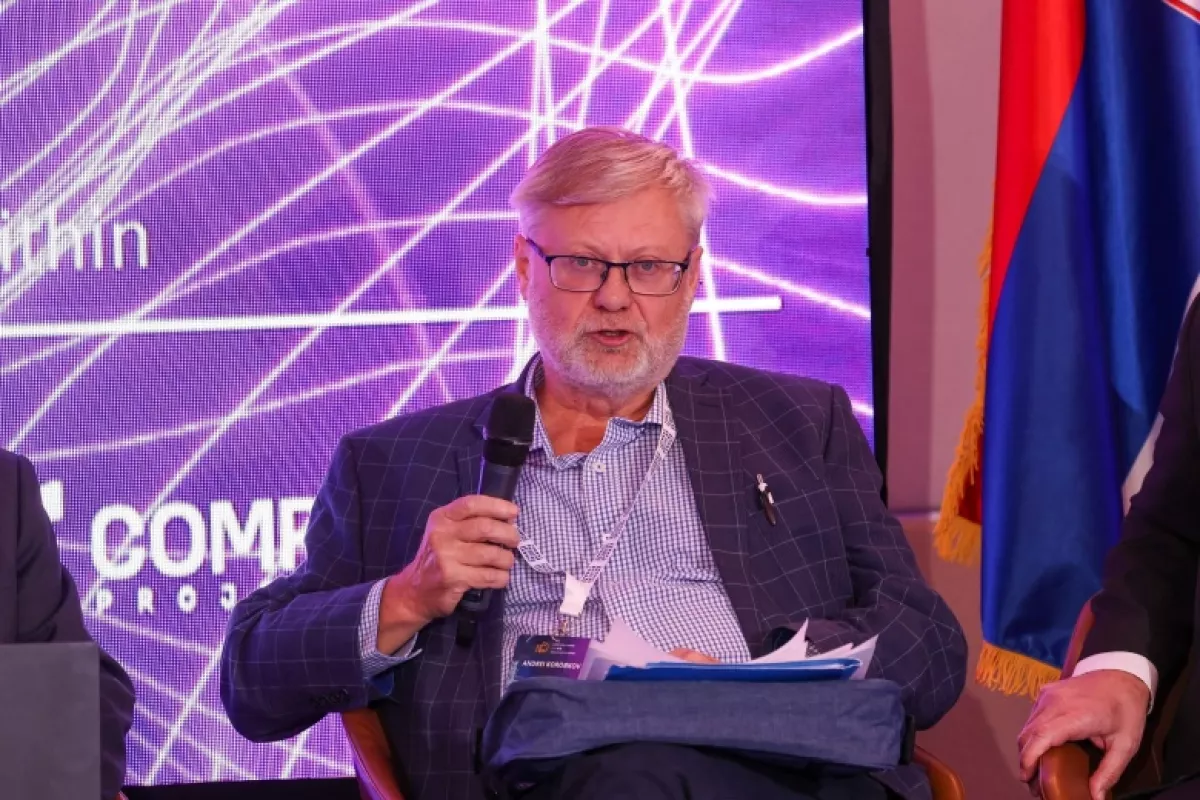
Professor of Political Science and International Relations at the University of Tennessee (USA) Andrei Korobkov noted that proposals to reform the UN have been discussed for decades, but no practical solution has yet been found.
“It has long been suggested that either the great powers should be deprived of their veto power, or a qualified veto should be introduced, whereby at least two countries would have to vote against a decision to block it. Another frequently proposed option is to expand the Security Council — mainly, four countries are mentioned: Germany, Japan, India and Brazil. Each of these options has its supporters and opponents,” he said.
According to Korobkov, the candidacies of these countries are also controversial. Germany faces questions related to its history; Japan faces objections from Russia, China and both Koreas; Brazil’s candidacy is opposed by Spanish-speaking countries in Latin America; while expanding India’s representation is unacceptable to China and raises questions among Muslim states, given Pakistan’s interests.
“Therefore, all these proposals have been put forward for decades, but the issue remains unresolved,” the professor noted.
He also said that despite the emergence of new international structures, the UN currently has no practical alternative.
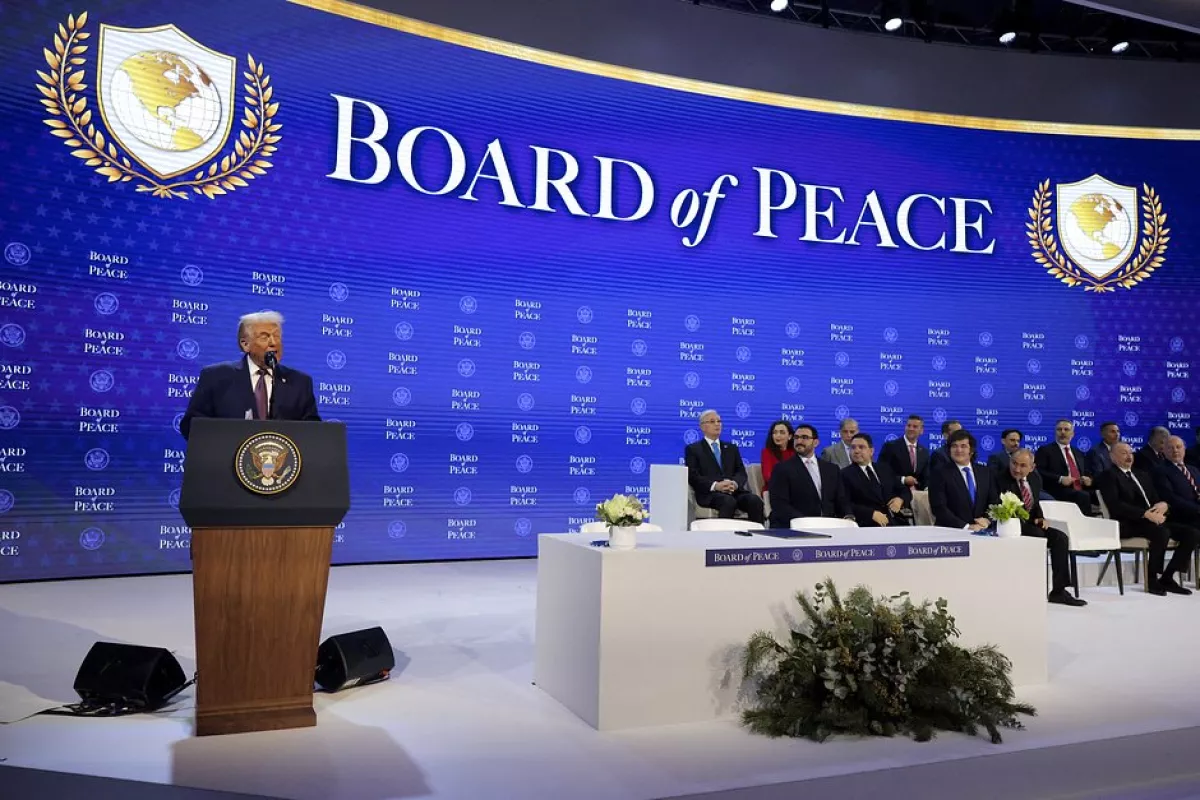
“Trump has attempted to create certain structures, including the Board of Peace. But in reality, the UN, having survived the Cold War period, still has no practical alternative. Although the US administration has already made it clear that it can and is prepared to cut funding to both the UN and the main affiliated organisations within the UN system,” Korobkov said.
According to him, alternative groupings are simultaneously being created by countries of the Global South and emerging centres of power.
“Entirely different organisations are now being created by countries of the Global South and new great powers challenging the existing system and, specifically, the monopoly of the Global North. Many of them are effectively under China’s leadership simply because of its economic and financial dominance. Examples include the Belt and Road Initiative, as well as the Shanghai Cooperation Organisation (SCO) and, particularly, BRICS.”
Korobkov noted that BRICS is expanding and developing alternative economic and political institutions.
“The question is whether these organisations can become equal partnerships for their members, or whether China will continue to dominate them, and to what extent they will be prepared to challenge the United States and the Global North as a whole. There is a gradual erosion of existing structures and the creation of alternatives, reflecting broader shifts in the balance of power both globally — between the Global North and the Global South — and in specific regions, above all Eurasia,” Korobkov concluded.
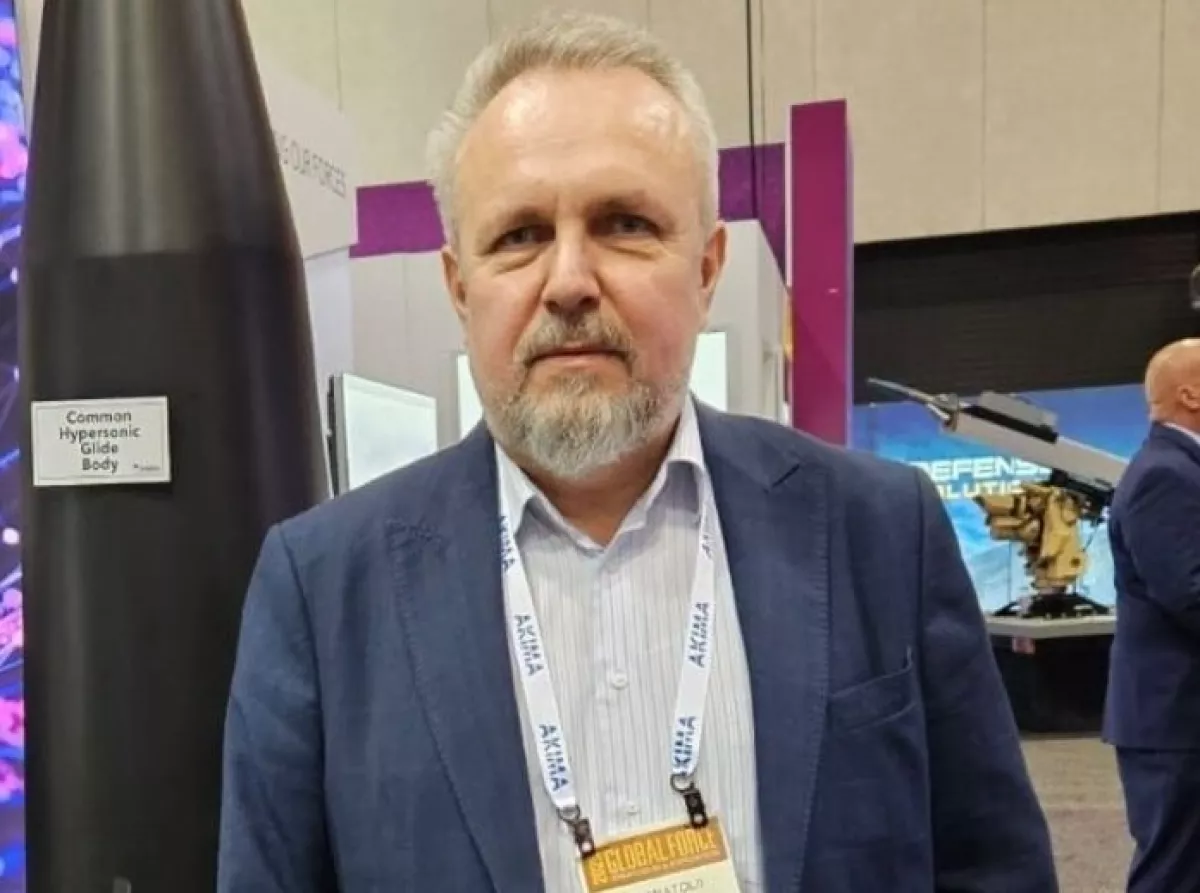
The Head of the Board of the Institute for Security of Eastern Europe (Kyiv), Anatoliy Pinchuk, noted that the issue of UN reform has been raised repeatedly, particularly with regard to the Security Council.
“However, apart from minor internal institutional changes — such as the creation of the UN Development Group (UNDG) or UN Women through the merger of several separate departments — no substantive changes have taken place.
All initiatives aimed at changing the principles governing the composition and functioning of the Security Council have been blocked, primarily by one or another of its permanent members, as well as by groups of countries seeking additional permanent seats.
Under Article 108 of the UN Charter, any amendment requires the approval of two-thirds of the members of the UN General Assembly and ratification by the parliaments of two-thirds of the UN member states, including all five permanent members of the Security Council.
This means that each of the five permanent members has the ability to block any reform at the ratification stage, even if an overwhelming majority of countries around the world votes in favour of it. Given the positions of the United States, Russia and China, the consensus required to carry out such a reform does not appear possible at present,” Pinchuk concluded.







 editor@caliber.az
 +994 55 444-88-98
 Азербайджан, Баку, ул. Низами, 203, Af Business House, 5-й этаж