










Bitcoin’s shadow over Georgia: blackouts and mining problems Article by Vladimir Tskhvediani
Georgia continues to investigate the causes of two blackouts that occurred on July 24 and 25, leaving a large part of the country without electricity for several hours. Against this backdrop, the head of the Georgian State Electrosystem (GSE), Vano Zardiashvili, resigned on July 31. Meanwhile, the State Security Service has launched a criminal investigation into alleged sabotage.
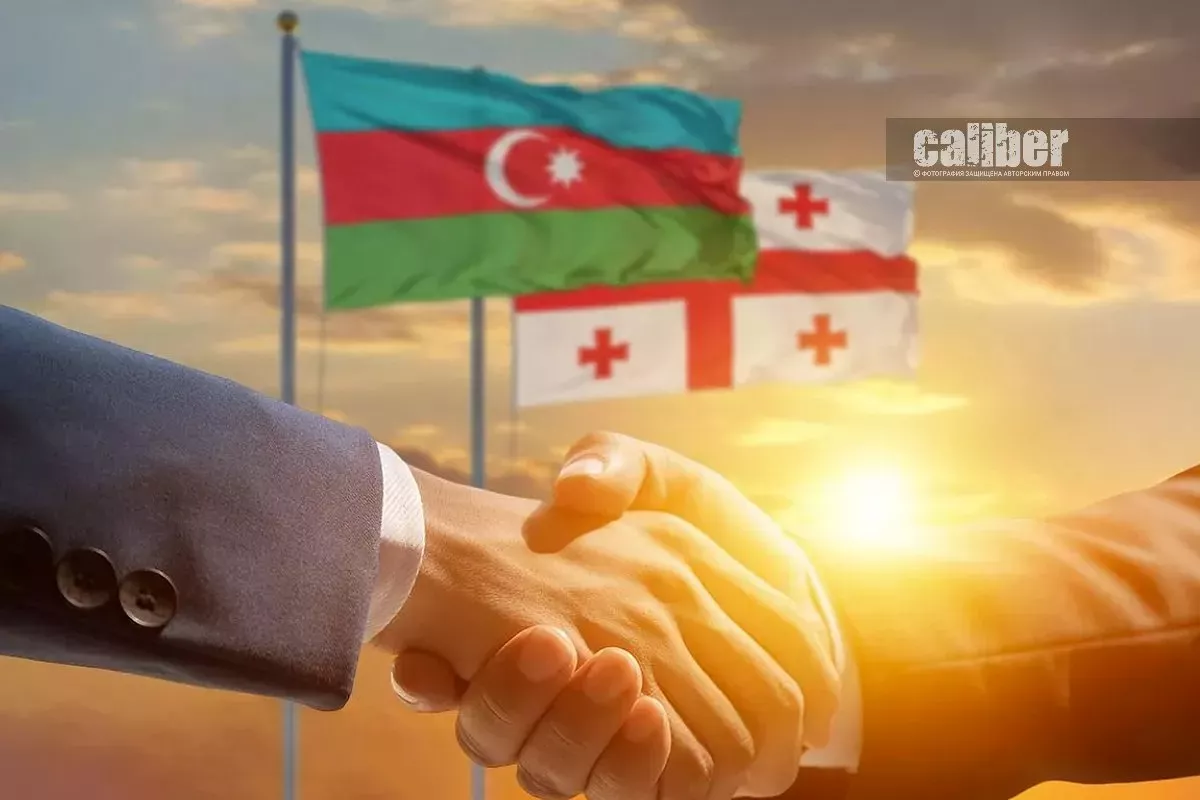
According to the preliminary findings of a working group established by the Georgian National Energy and Water Supply Regulatory Commission (GNERC), the first blackout was caused by the Georgian power system’s inability to operate stably in an autonomous mode after being disconnected from synchronous operation with Azerbaijan’s electricity networks. This primarily demonstrates the critical importance of energy cooperation with Azerbaijan for Georgia.
In this context, it is worth recalling that on May 18 of this year, the two countries signed an intergovernmental agreement for a period of 20 years, providing for cooperation in the supply of electricity from Azerbaijan and its transit through Georgian territory. This means that in the coming decades, the uninterrupted and stable operation of Georgia’s power system will be important not only for Georgia itself but also for prospective projects aimed at exporting electricity from Azerbaijan and Central Asian countries to Europe.
Meanwhile, the opposition and external forces, which use every opportunity to attack the ruling Georgian Dream party, have decided to politicise the blackouts as well. In particular, former National Bank Governor and opposition figure Roman Gotsiridze linked the large-scale power outages in the country to cryptocurrency mining, writing about the issue on his Facebook page. In his view, the increasing number of accidents is the result of Georgia’s energy system being unable to withstand the load generated by crypto enterprises, which benefit from preferential electricity tariffs and operate around the clock.
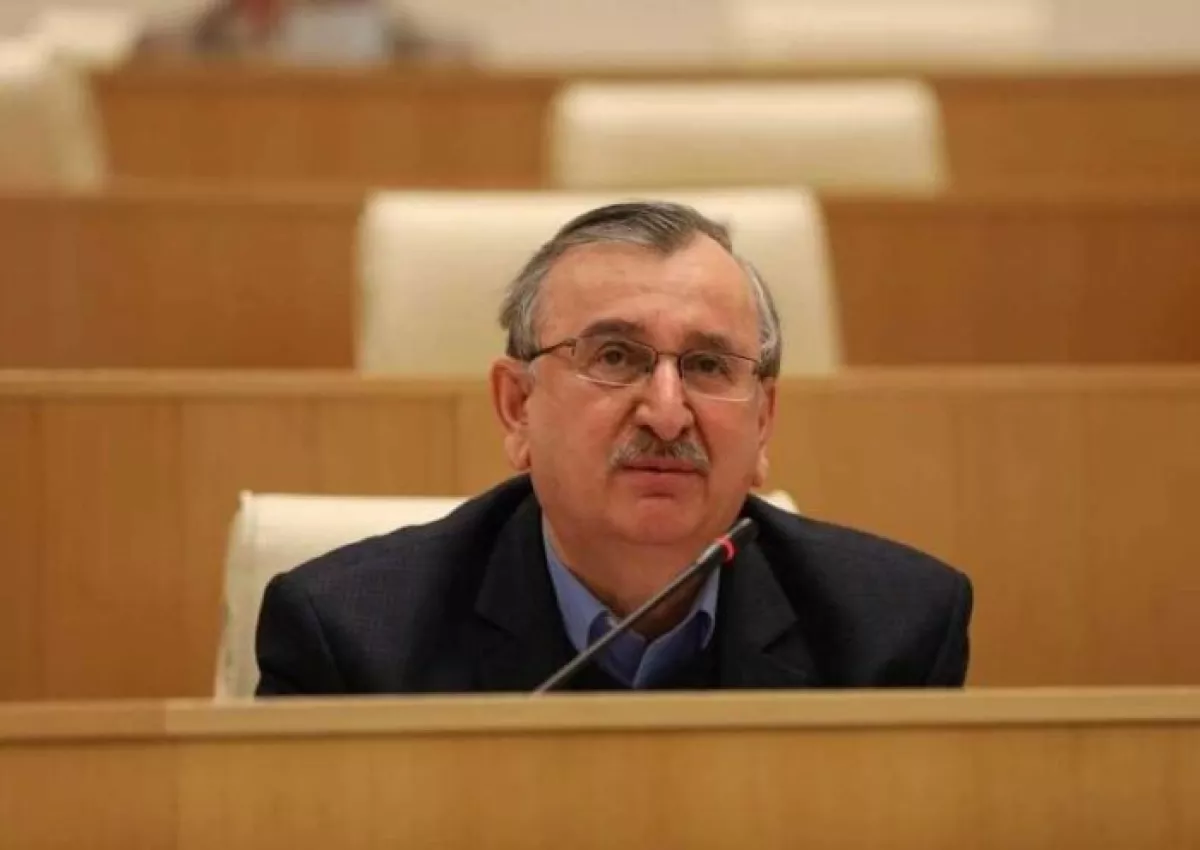
“In Georgia, they consume around 6% of all electricity generated in the country, and if consumption in Abkhazia is taken into account, the figure is even higher. The total volume of consumption reaches approximately 1 billion kilowatt-hours, which is more than the annual electricity consumption of the entire city of Batumi,” he noted, calling for an immediate ban on cryptocurrency mining in free industrial zones.
The issue of mining in Georgia was also raised by Germany’s public broadcaster ARD, whose journalists — apparently acting with a political agenda — attempted in their video report titled “Crypto War — How Putin Is Waging War Against Us with Bitcoins” to link cryptocurrency mining in Georgia to the alleged “circumvention of Western sanctions by Russia.” The report pays particular attention to free industrial zones in Poti and Rustavi.
According to ARD journalists, due to sanctions, Russia is no longer able to sell natural gas to the European market in previous volumes, and part of it is being used to generate cheap electricity. In their view, Georgia’s Bitcoin mining infrastructure operates on this electricity, with the ultimate financial benefits allegedly serving Russian interests. Thus, in practice, the same accusations levelled against the Kulevi oil refinery have been repeated in relation to Georgia’s power system and its developed crypto industry — the refinery has also been accused in the European Union of processing Russian oil and circumventing sanctions.
However, what needs to be understood is that cryptocurrency mining in Georgia has developed not because of Russian gas supplies (which are far smaller than gas supplies from Azerbaijan), but due to the availability of cheap hydropower generated by Georgian hydroelectric plants, primarily the Enguri Hydroelectric Power Plant. A portion of the electricity generated there is supplied to Abkhazia, where cryptocurrency mining is also widespread.
In this context, it is worth noting that the concentration of mining farms in regions with cheap electricity is a global practice that often leads to grid overloads, infrastructure deterioration, and increased risks of accidents. In Georgia, such incidents have repeatedly been recorded at the local level in Svaneti, a mountainous region where electricity is provided to residents free of charge. This has often been abused through the unauthorised connection of cryptocurrency mining equipment.
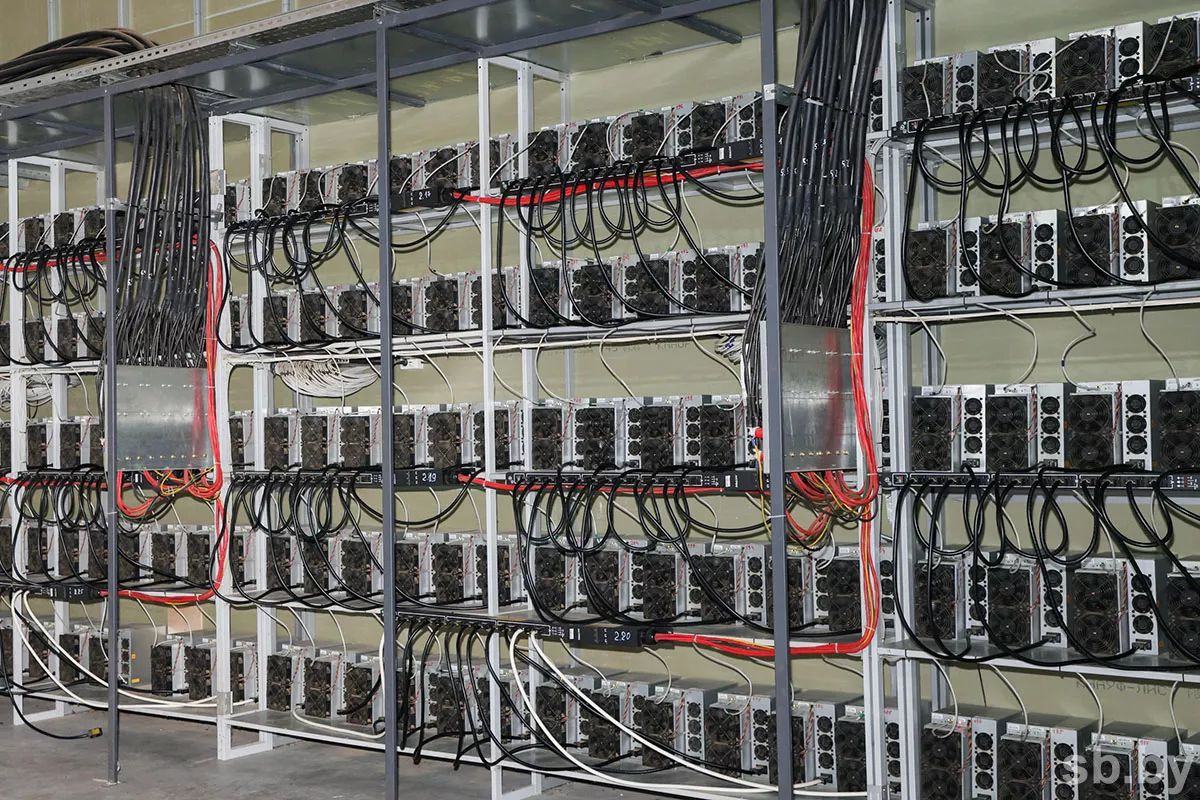
It is worth noting that other post-Soviet countries have also experienced cases of large-scale disruptions to power systems caused by cryptocurrency mining. For example, in Kazakhstan, in 2021–2022, the mass connection of mining farms led to a sharp increase in the load on ageing Soviet-era power grids, becoming one of the factors behind major accidents and rolling blackouts across the country.
These emergency situations coincided with a political crisis in Kazakhstan, further complicating the situation. As a result, the authorities were forced to disconnect legal miners from the power supply in order to stabilise the national energy system. Subsequently, efforts to combat illegal mining intensified, and in July 2026 Kazakhstan approved new rules for strategic digital mining: from now on, miners must transfer part of the cryptocurrency they mine into a national reserve in order to obtain electricity quotas.
The role of cryptocurrency mining in the recent blackouts in Georgia remains to be determined, but there is no doubt that this sector, which increases the burden on ageing power grids, requires stronger regulation.
At a briefing on June 1, then-State Minister for Coordination of Law Enforcement Agencies Mamuka Mdinaradze noted that the state was losing at least 20–25 million lari ($9.5 million) annually due to illegal cryptocurrency mining.
The Georgian authorities have now taken a course towards tightening the fight against illegal mining. In particular, Mamuka Mdinaradze pledged that electricity consumption in Svaneti would remain free for residents, but only within a certain limit. At the same time, law enforcement agencies will identify cases of large-scale illegal electricity consumption for mining purposes.
In addition, Georgia now faces the task of monitoring the operations of legal mining companies in free industrial zones to prevent power grid overloads.
By Vladimir Tskhvediani, Georgia, exclusively for Caliber.Az







 editor@caliber.az
 +994 55 444-88-98
 Азербайджан, Баку, ул. Низами, 203, Af Business House, 5-й этаж