










Price of security guarantees: lessons from the Gulf states’ experience Reflections by Teymur Atayev
The events unfolding over the past several months in the Middle East, triggered by the U.S. and Israeli war against Iran, continue to send shockwaves across the world in a variety of ways. One of the most frequently debated questions in the global analytical community concerns the concept of the "security umbrella"—or, more specifically, whether countries in the Persian Gulf have truly benefited from its existence, or rather from the repeated assurances by all parties that it was functioning effectively.
This issue has become the subject of intense discussion among experts of all backgrounds and across virtually every region of the world. Evidence of this can be found in the headlines of articles published on August 4, such as: "Iran’s attacks exposed the limits of outside guarantees and the need for a Gulf-built security architecture" and "The American security umbrella over the Persian Gulf states is collapsing." In reality, however, similar headlines have been appearing in international media for quite some time, including: "Sitting ducks: Why the US security umbrella no longer protects the Gulf?"
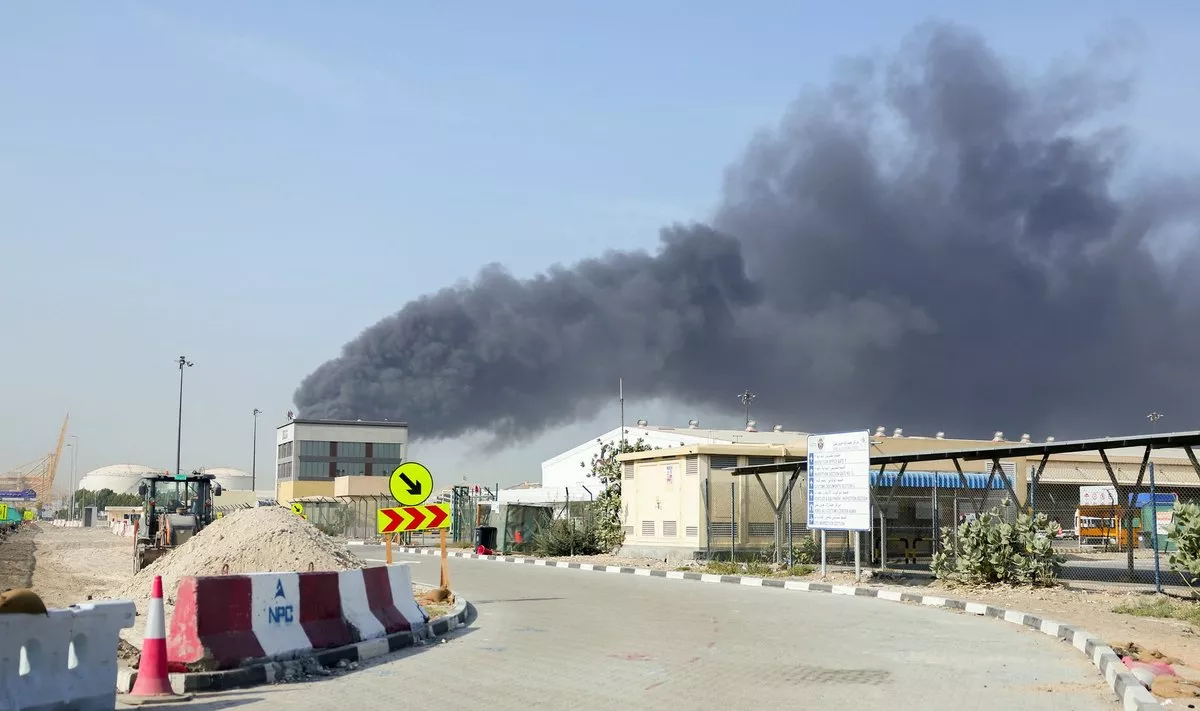
These studies note that Washington has built an unprecedented regional military architecture in the Middle East—including a network of military bases—to protect its partners, safeguard global energy routes, and secure U.S. strategic interests. Yet, according to the authors, this entire framework has “collapsed under the weight of the US-Israeli war on Iran, which has fundamentally transformed the entire regional security landscape.” As a result, a security system once presented as a virtually fail-safe “ironclad insurance” has proved to be not an effective deterrent but a “strategic liability—drawing Iranian retaliatory strikes while denying host states true autonomy or the promised protective shield.”
Consequently, critical infrastructure, oil facilities, and urban centres across the Persian Gulf states have become priority targets for attacks by U.S. adversaries. This, in turn, has undermined these countries’ national strategies, including the operation of multibillion-dollar megaprojects and the implementation of ambitious economic plans. As one analysis put it, “by hosting forward US bases, host nations inadvertently tie their economic futures to Washington’s military posture.” And although these states refrain from direct offensive action against Iran, they are nevertheless, and quite predictably, “viewed as passive participants in the wider conflict.” Against this backdrop, the need for a “security ecosystem, not another security umbrella,” is becoming increasingly clear.
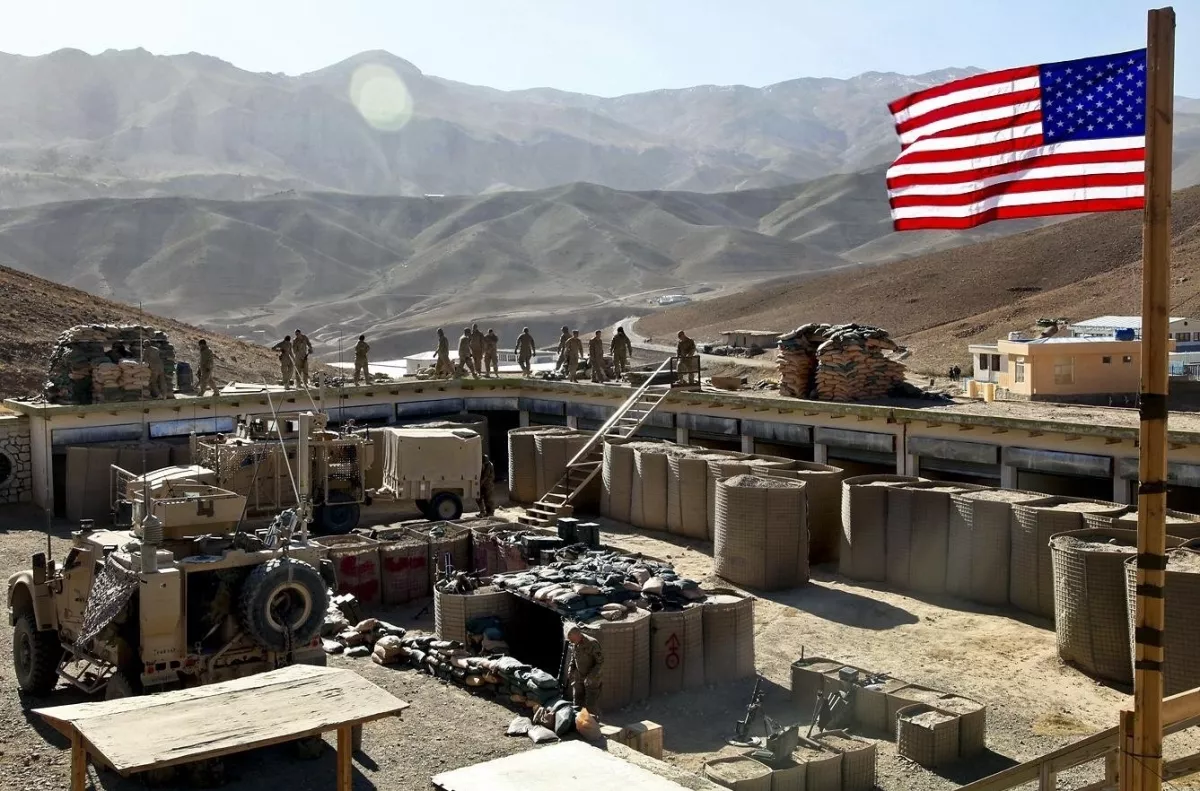
Thus, it appears that the American "security umbrella" in the Middle East simply failed to deliver. At the same time, had the interested parties examined the U.S. National Security Strategy, released in December 2025, more closely, they would have seen how clearly and transparently it outlined President Donald Trump's foreign policy priorities.
The document declared that "The days of the United States propping up the entire world order like Atlas are over."
Concerning the Persian Gulf states, it stated that for decades the Middle East had served as the world's principal energy supplier and the primary arena of great-power competition. However, with the United States having become a net exporter of energy, and as American energy production continues to expand, the historical rationale for Washington's strategic focus on the region will gradually diminish.
Against this backdrop, the U.S. National Security Strategy emphatically declared that the Middle East is emerging as a “source and destination of international investment”, particularly in sectors extending far beyond oil and gas, including nuclear energy, artificial intelligence (AI), and defence technologies.
In this context, it stressed the need to accept the Middle East, its leaders, and its countries as they are. From this perspective, it is essential to ensure that “Gulf energy supplies do not fall into the hands of an outright enemy, that the Strait of Hormuz remain open, that the Red Sea remain navigable, that the region not be an incubator or exporter of terror against American interests or the American homeland, and that Israel remain secure”—while creating opportunities for the expansion of the Abraham Accords.
Under such circumstances, the Middle East becomes “a place of partnership, friendship, and investment.” Thus, the Strategy effectively signalled a reduction—if one may put it this way—in the scope of Washington’s “security umbrella” in the Middle East, placing far greater emphasis on economically beneficial cooperation based on mutual interests.
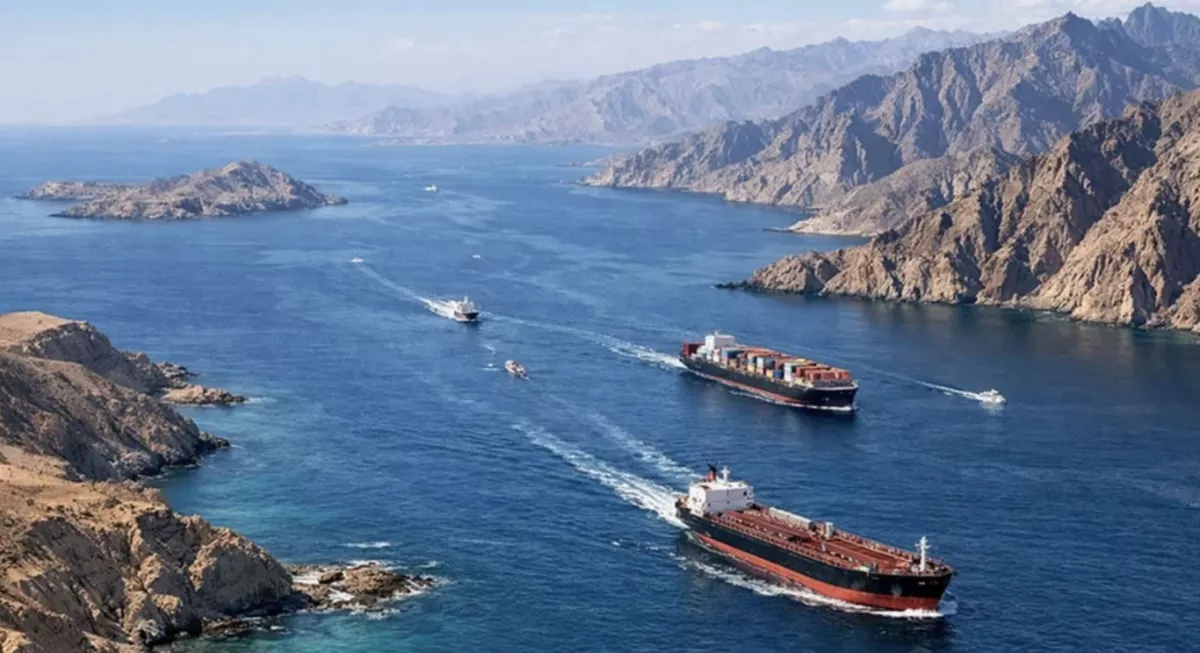
The consequence of this worldview, as the media outlets cited above have noted, is that “decades spent cultivating security guarantees did not keep the Gulf out of a war it neither started nor was consulted about.” However, the region’s “political security architecture” failed to deliver, because the protection provided by the “security umbrella” was understood as something the region received, rather than something it created itself.
Against this backdrop, the approach to ensuring stability and security repeatedly articulated by Azerbaijani President Ilham Aliyev gains renewed relevance. Highlighting that, in the current era, connectivity extends beyond the Caucasus, Central Asia, and Europe, he identifies Azerbaijan as a central “meeting point”, noting that geography cannot be changed. The key issue, however, lies in the need to use this geography to mutual benefit by building relations “not only with your neighbors but also with the neighbors of your neighbors.”
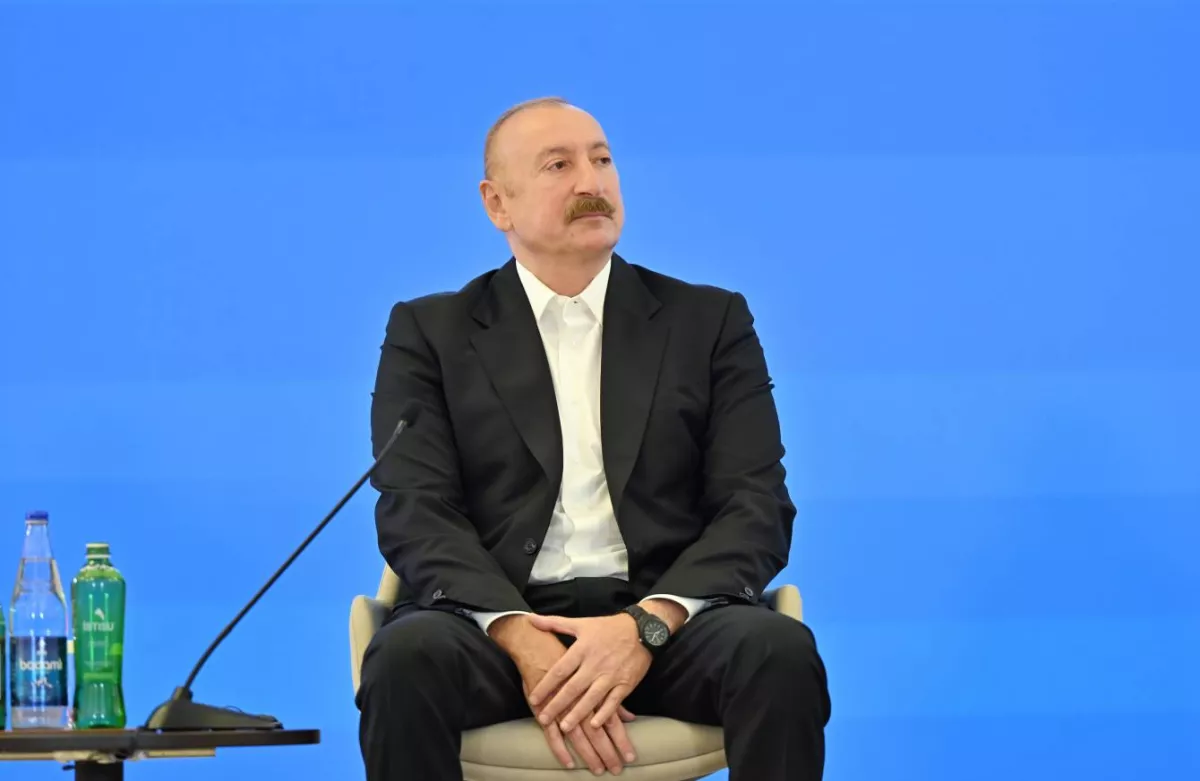
In this regard, “We ourselves are the guarantor of our security – the government, the people and our Armed Forces.” In other words, we must rely “only on ourselves and the state.” Therefore, the unity of the people must never be undermined.
Reinforcing this point, President Ilham Aliyev noted that there are examples of “certain countries and their leaders take shelter under someone else's wing, believing this will protect them. But in the end, they become victims—victims of great games.” Therefore, our primary task is to strengthen “our security, protecting our borders, and enhancing our systems for countering threats.”
In other words, the current global situation has clearly demonstrated the correctness of the position taken by the head of state. No externally oriented “security umbrella” can bring peace, stability, and security to one’s own geopolitical and geographical home. Only the internal unity of the people—regardless of ethnic or religious background and place of residence—combined with a strong army, clear steps in the security sphere, proactive diplomacy, and a powerful ideological foundation can enable a country to defend its national interests without relying on any particular external force.







 editor@caliber.az
 +994 55 444-88-98
 Азербайджан, Баку, ул. Низами, 203, Af Business House, 5-й этаж