










Battle for the oceans: US and China race for maritime supremacy Analysis by Teymur Atayev
According to Chinese sources, China’s gross marine product exceeded $810 billion in the first half of 2026, marking a 5.1% increase compared with the same period last year. This figure accounts for just under 8% of China’s GDP.
At the same time, China’s shipbuilding industry has maintained a high growth rate, contributing to the country’s dominant position in the global market. China’s share in key indicators — including ship construction, the number of completed vessel deliveries, and the volume of existing orders — reached nearly 80%, more than 55%, and 63%, respectively. As emphasised in this regard, these figures demonstrate China’s leading position in the global maritime industry.
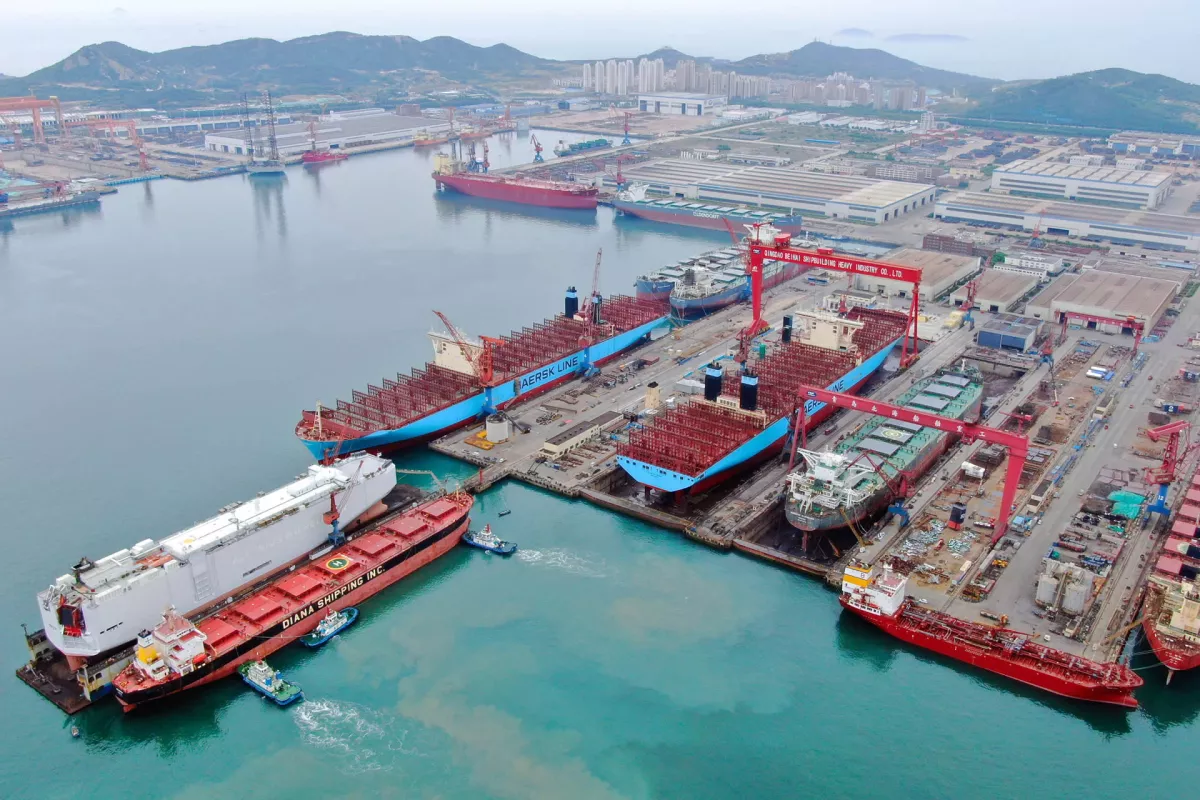
There is no doubt that such a development is unacceptable to Washington, which in February of this year unveiled the America’s Maritime Action Plan (AMAP), aimed at restoring the capacity of the US shipbuilding industry and expanding the country’s merchant fleet.
In particular, the plan envisages a major reform of the federal Title XI shipbuilding financing and loan guarantee programme, alongside the removal of outdated bureaucratic requirements to facilitate shipyards’ access to long-term capital.
This move effectively reflects a significant degree of protectionism, with its primary objective appearing to be the prevention of China gaining a dominant position in shipbuilding and other maritime sectors.
However, progress in this direction is moving at a pace that is unlikely to satisfy the US administration. In May of this year, a report by the authoritative JPMorgan Chase on the revival of the US shipbuilding industry — following decades of decline — highlighted the need for decisive measures amid growing national security threats, primarily due to escalating tensions with China and ongoing armed conflicts around the world.
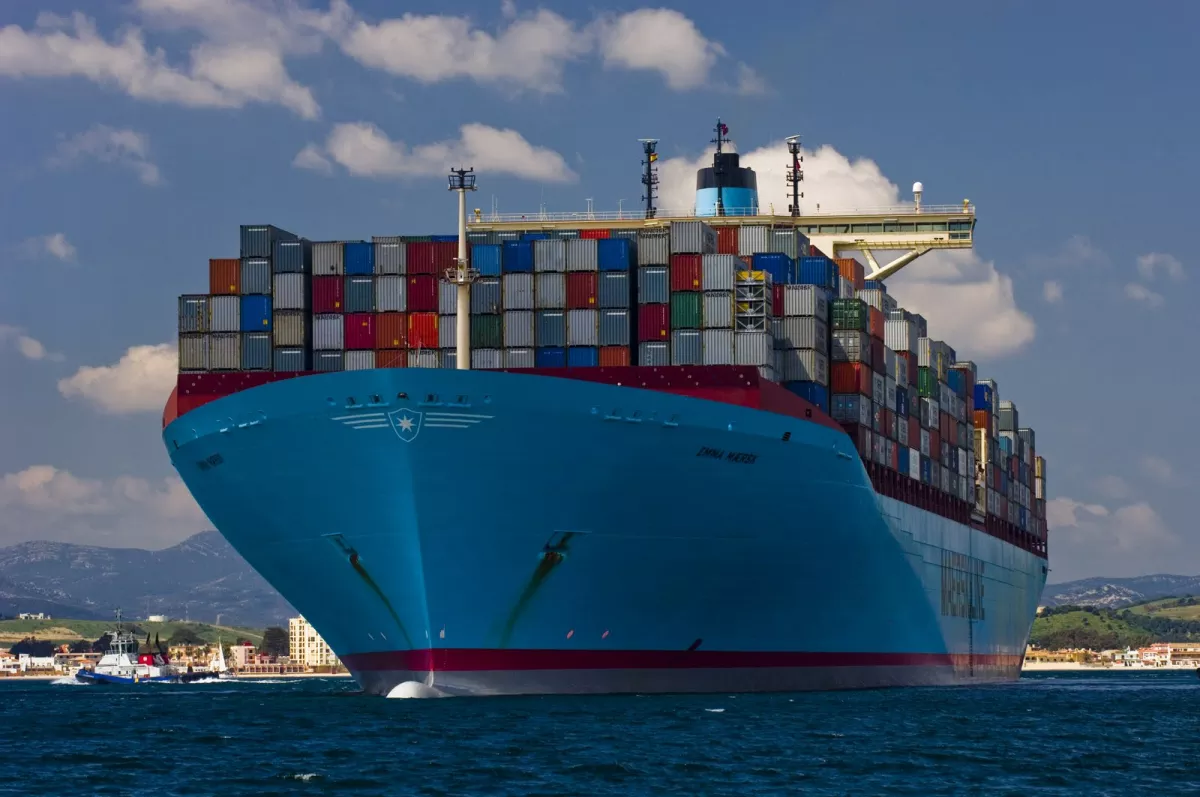
The report noted that the “limited capacity” of the US shipbuilding sector is reflected, among other things, in the fact that the United States has only 190 commercial vessels flying the American flag, compared with 7,000 in China.
Against this backdrop, the document concluded that if access to ships were suddenly disrupted, the economic damage to the United States would be severe.
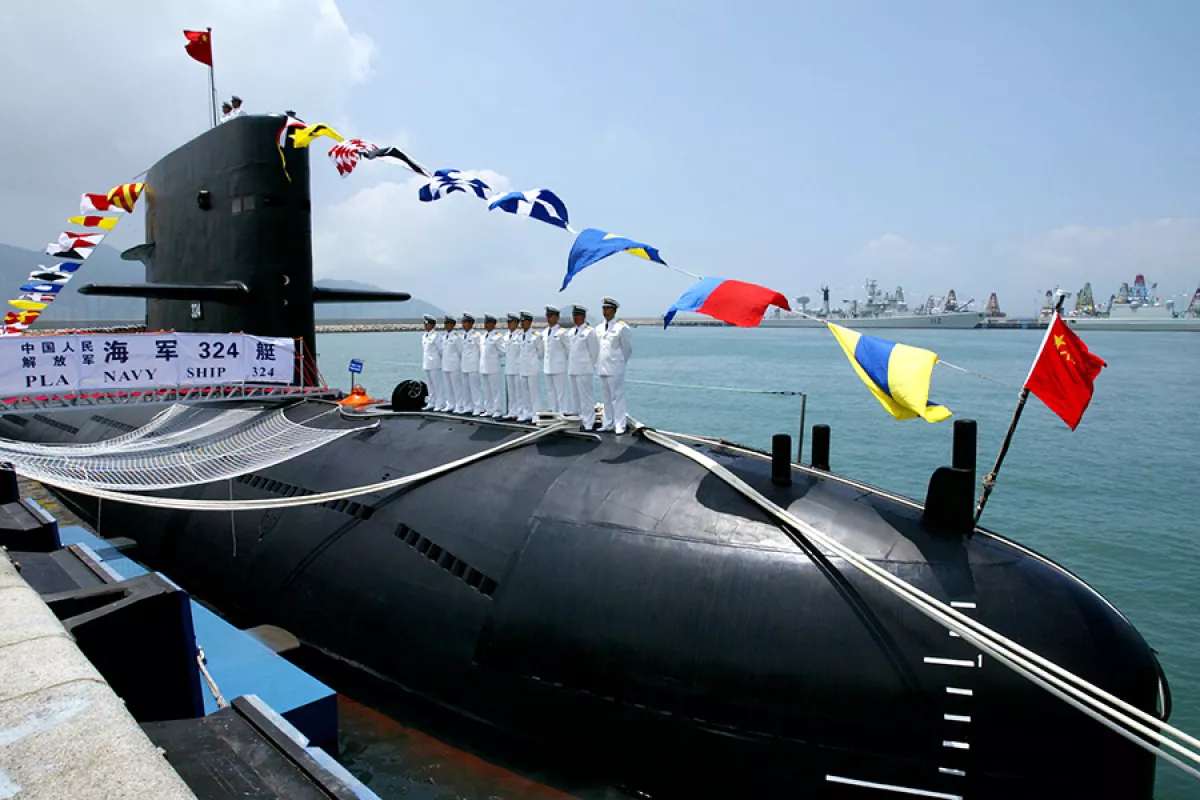
However, against this backdrop, experts point to US successes in the defence sector across the maritime domain. On July 30, the US Navy awarded $76.6 billion contracts to General Dynamics Electric Boat and HII for a new batch of attack and ballistic missile submarines, aimed at modernising the naval component of the US nuclear triad. The contracts include expanding production capacity and improving the efficiency of shipbuilding facilities.
The nuance, however, is that China currently holds a leading position even in submarine construction. Figures cited in this regard indicate that over the past five years, China has launched around 24 submarines, three times more than the United States (7 submarines).
Consequently, analysts emphasise that China’s advantage over the US is not limited to numbers alone but also extends to the pace of technological advancement, including the development and construction of seven new classes of submarines.
Thus, as in other domains, the global maritime sphere clearly reflects the geopolitical rivalry between the United States and China — a development that is hardly unexpected. In this regard, the continuing relevance of the analytical assessments of the outstanding strategist Zbigniew Brzezinski is once again evident. In his famous 1997 book on the global “chessboard,” he argued that China would seek to “eliminate” US hegemony through peaceful means, pursuing the goal of creating a “new global political and economic order” in which Washington, gradually weakened, would recognise the benefits of maintaining allied relations with a Beijing that had strengthened its regional position.
It is also worth noting that the US National Intelligence Council’s 2012 forecast “Global Trends 2030: Alternative Worlds” predicted China’s continued rise by that historical milestone, stating that the country’s ascent was taking place at a pace “faster than expected.”
Meanwhile, the US National Defense Strategy identifies deterring China — described as the “second most powerful country in the world” — as one of the key objectives of American defence policy. At the same time, it emphasises that such deterrence should be achieved through strength rather than direct confrontation.
Thus, global geopolitics continues to be shaped by the clash of strategic interests between Washington and Beijing, with one of its sharpest manifestations unfolding in the race for maritime supremacy.
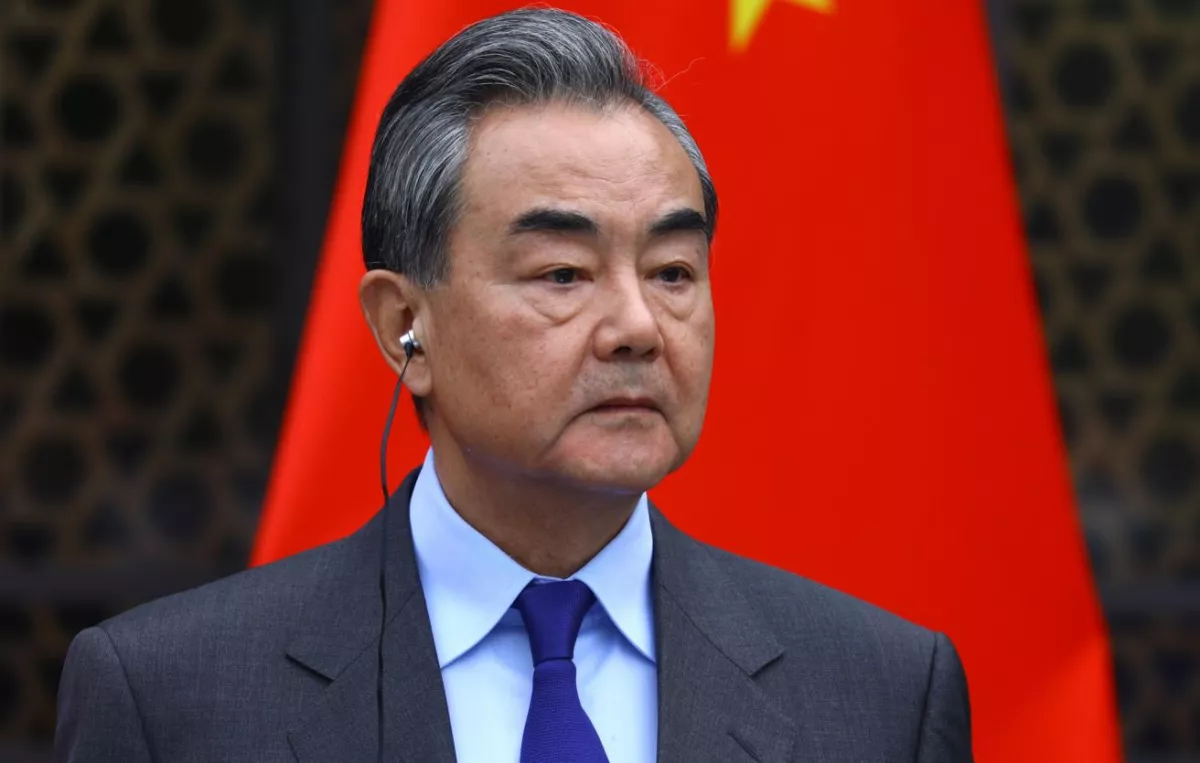
At the same time, media reports have suggested that Washington is deepening its military cooperation with Taiwan, with some sources claiming that the partnership “may be far closer than many people imagine.” Beijing’s position on this issue is well known. In late April, during a telephone conversation with US Secretary of State Marco Rubio, Chinese Foreign Minister Wang Yi stressed that “the Taiwan question concerns China’s core interests and represents the greatest risk point in China-US relations.” He urged the United States to honour its commitments and make the right choice, thereby creating new opportunities for bilateral cooperation.
It is becoming increasingly evident that the maritime dimension of the US–China rivalry, reinforced by competition in shipbuilding, will remain one of the defining features of their broader geopolitical confrontation.







 editor@caliber.az
 +994 55 444-88-98
 Азербайджан, Баку, ул. Низами, 203, Af Business House, 5-й этаж