










Preamble of war or constitution of peace What will Armenia choose?
On June 7, Armenia will hold parliamentary elections, and from the outside it seems that what is at stake is the familiar set of options: whether the team of Nikol Pashinyan will remain in power or be pushed aside by opposition blocs led by Robert Kocharyan and Samvel Karapetyan. In total, eighteen political forces are running in the electoral list, and the campaign is unfolding under a slogan that the Speaker of the National Assembly of Armenia, Alen Simonyan, formulated quite clearly: there is a “party of war” and a “party of peace”; the elections will be about war and peace.
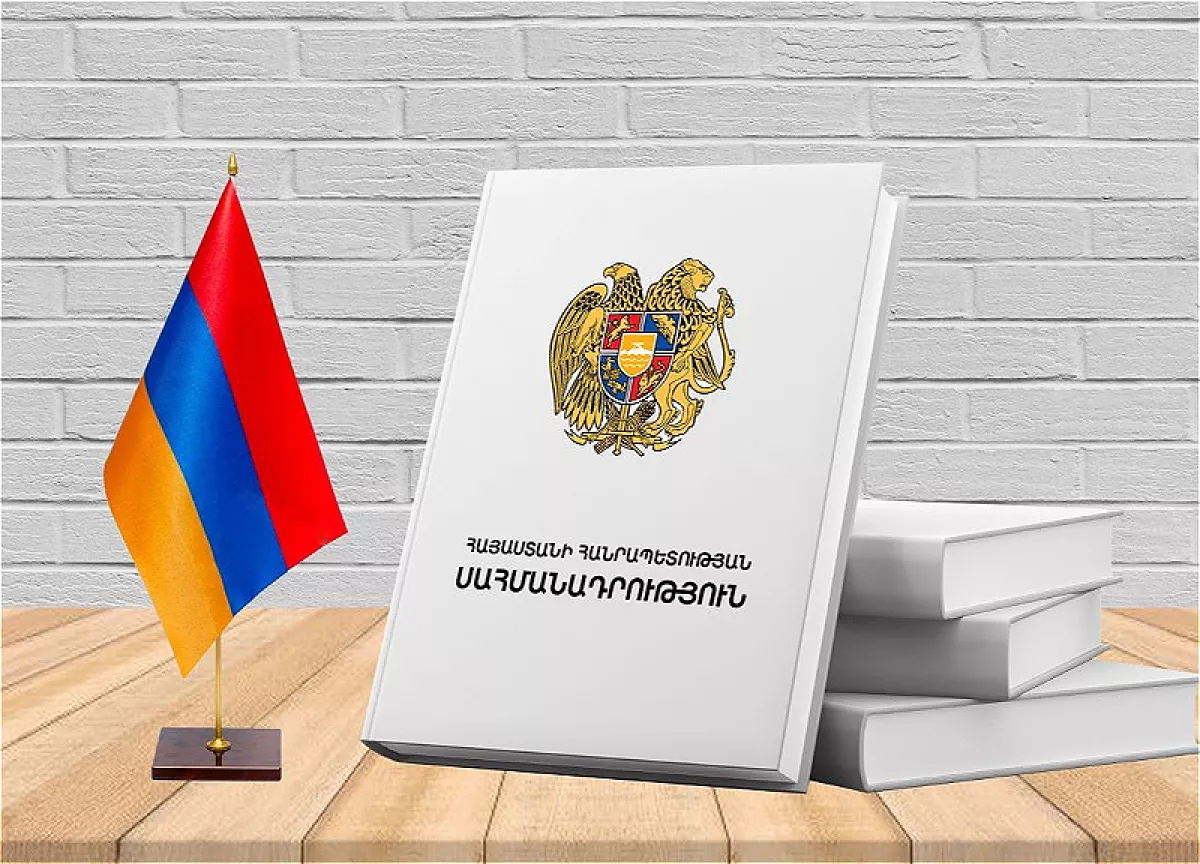
However, behind this convenient framing for electoral messaging lies a more concrete stake than a simple choice between peace and war, one that comes down to a single line in the preamble of Armenia’s Constitution — a reference to the Declaration of Independence, which in turn is based on the resolution of December 1, 1989, “on the reunification of the Armenian SSR and Nagorno-Karabakh.” And as long as this narrative remains in the Basic Law, the Armenian state, legally speaking, continues to maintain territorial claims against Azerbaijan, regardless of how the rhetoric of its leadership may change.
Everyone in Armenia speaks about peace and war, but almost no one mentions that the real crux lies in the text of the Constitution. Meanwhile, Armenian voters are not choosing between opposing political poles, but between two trajectories — one of peace, in which the Constitution is brought into alignment with reality, and one of conflict preservation, in which the Basic Law continues to enshrine claims to foreign territory as a smouldering fuse.
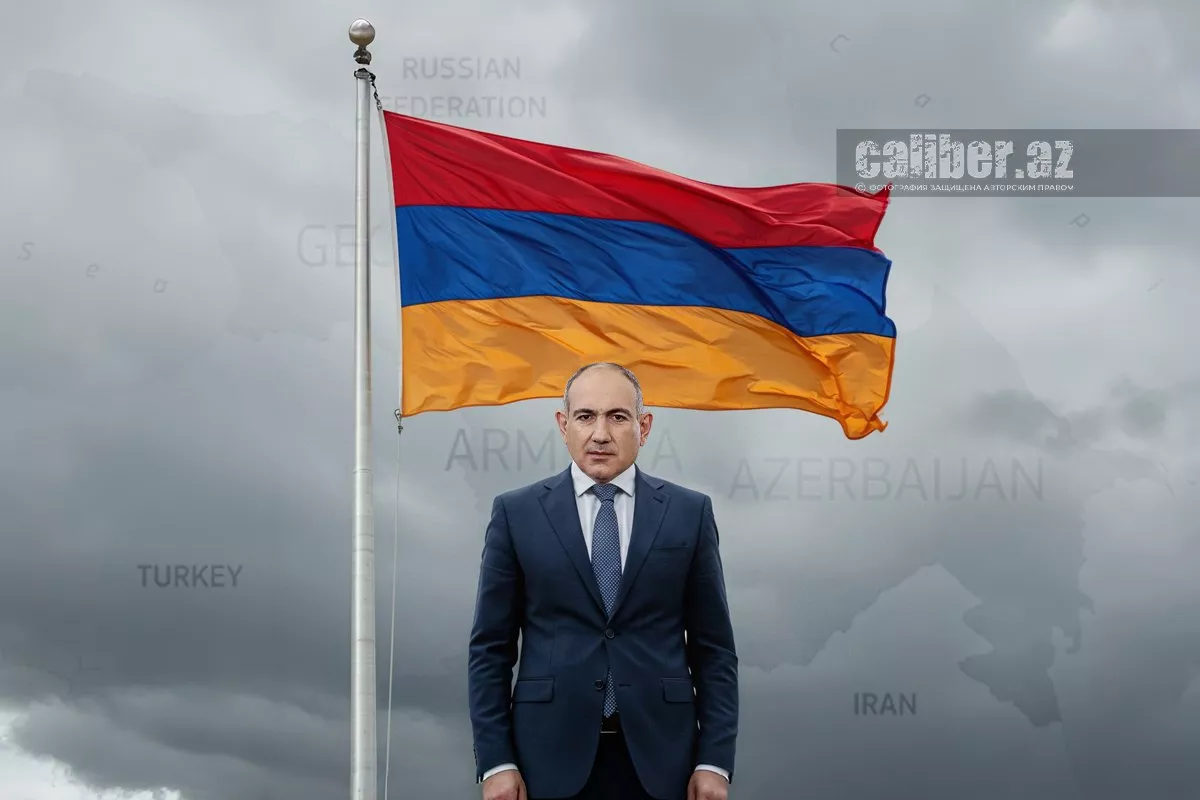
Over the past year, Pashinyan himself has undergone a noticeable evolution on this issue. Not long ago, his government was hiding behind the Constitutional Court’s ruling of September 2024, according to which the reference to the Declaration of Independence applies only to those provisions that are explicitly enshrined in the articles of the Basic Law — a legal workaround that allowed the authorities to avoid touching the preamble.
By spring 2026, the tone had changed: the prime minister publicly described the Declaration as a document built on the logic of conflict and external dependence, and stated that it should not be referenced in the new constitution.
The Minister of Justice, Srbuhi Galyan, in turn announced that the text of the new constitution is being prepared, although the preamble has not yet been written. This is a step in the right direction, but it is accompanied by caveats: the authorities have scheduled the referendum on the new Basic Law for after the elections. Shifting such a key decision beyond the electoral cycle is a familiar tactic, but it leaves the question open — precisely to the extent that suits those who are not in a hurry to resolve it.
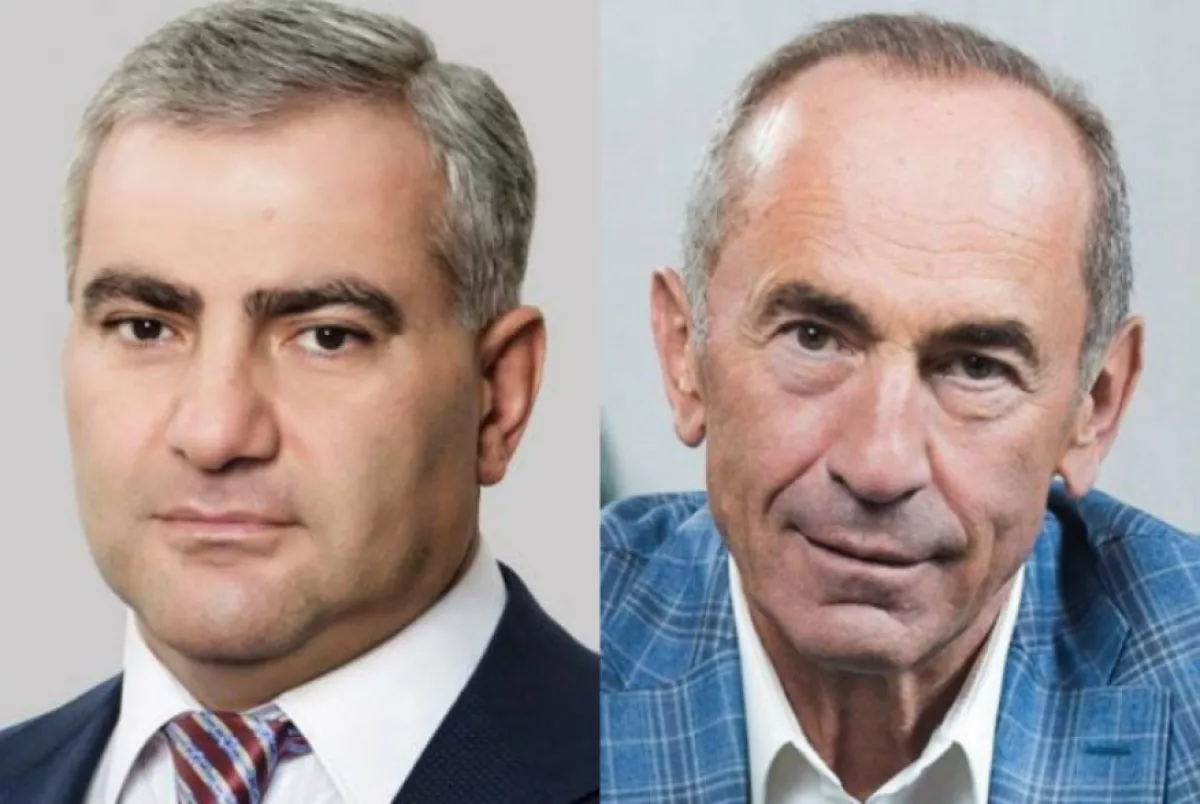
While the ruling team is cautiously moving towards acknowledging the obvious, the opposition camp is pulling in the opposite direction. Both the “Armenia” bloc led by Kocharyan, which includes the nationalist ARF Dashnaktsutyun, and Karapetyan’s “Strong Armenia” have built their campaigns around criticism of the authorities for the “loss of Karabakh” and for a return to Russia’s orbit.
At the same time, the Karabakh card in the opposition’s pre-election rhetoric is accompanied by synchronous activity from external actors whose interests are normally poorly aligned. Thus, in Bern, a delegation of the self-proclaimed “parliament” of the separatists in exile meets with Swiss lawmakers and promotes the idea of a “new negotiation platform”; in the European Parliament, resolutions appear that revive the Karabakh issue; and in Yessentuki, Russia, on the territory of an Armenian church, a replica of “Tatik-Papik” is installed — a monument that for decades served as a symbol of Armenian separatism.
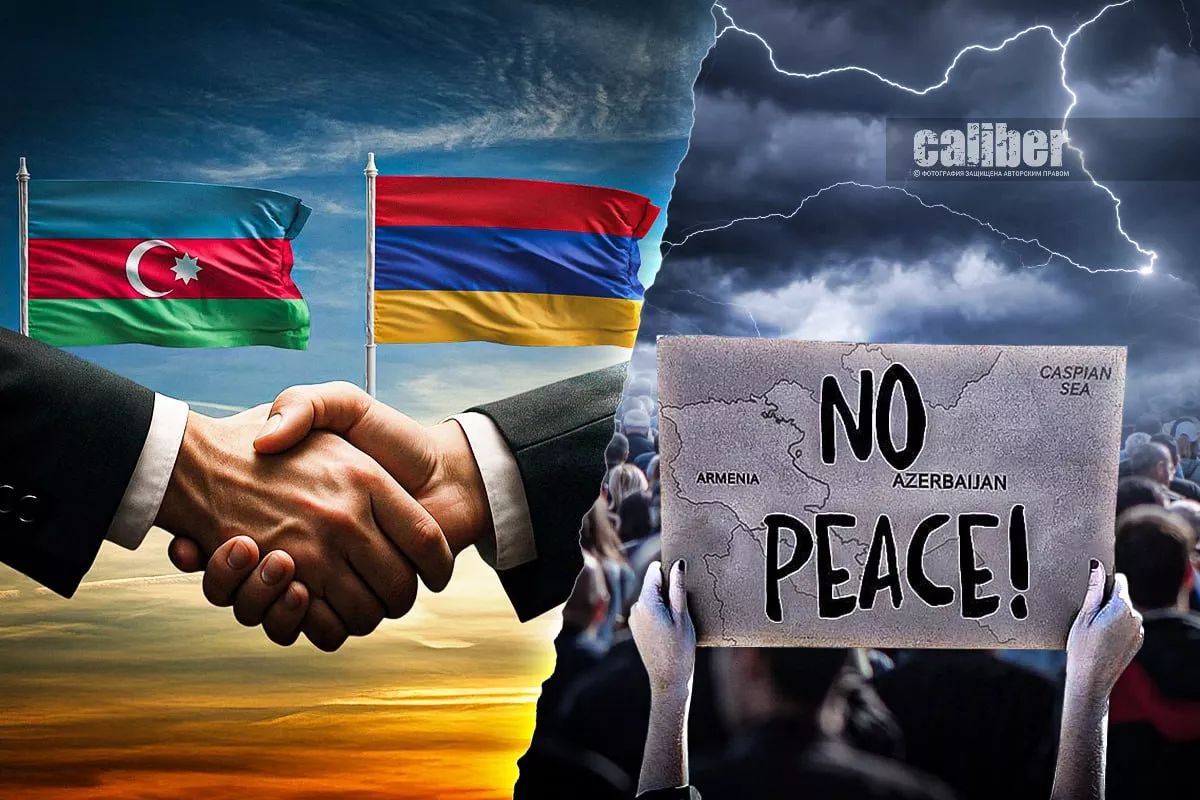
These gestures originate from different capitals and different actors, yet they sound in unison with Armenian revanchists, and what is notable is this: Western and Russian activity, which are usually in competition, here appear to work toward a common outcome — the reanimation of the conflict at a moment when peace has in fact come to the region.
At the same time, it would be an oversimplification to place the West and Russia on the same level in this regard. Their positions coincide in effect, but diverge in nature. The West, in the current elections, is betting on the incumbent prime minister — a series of visits by European leaders, the May summits of the European Political Community and EU–Armenia formats in Yerevan, and promises of European integration are all structured in his favour.
Russia, meanwhile, is working directly with the revanchists, through nostalgic symbolism and information channels, because peace on Baku’s terms strips Moscow of its last remaining leverage in the region. It is important to distinguish these two vectors in order to avoid falling into the convenient but false image of a unified anti-Azerbaijani front. The front is not unified; only the function is — performed by different parts of it in relation to one specific outcome.
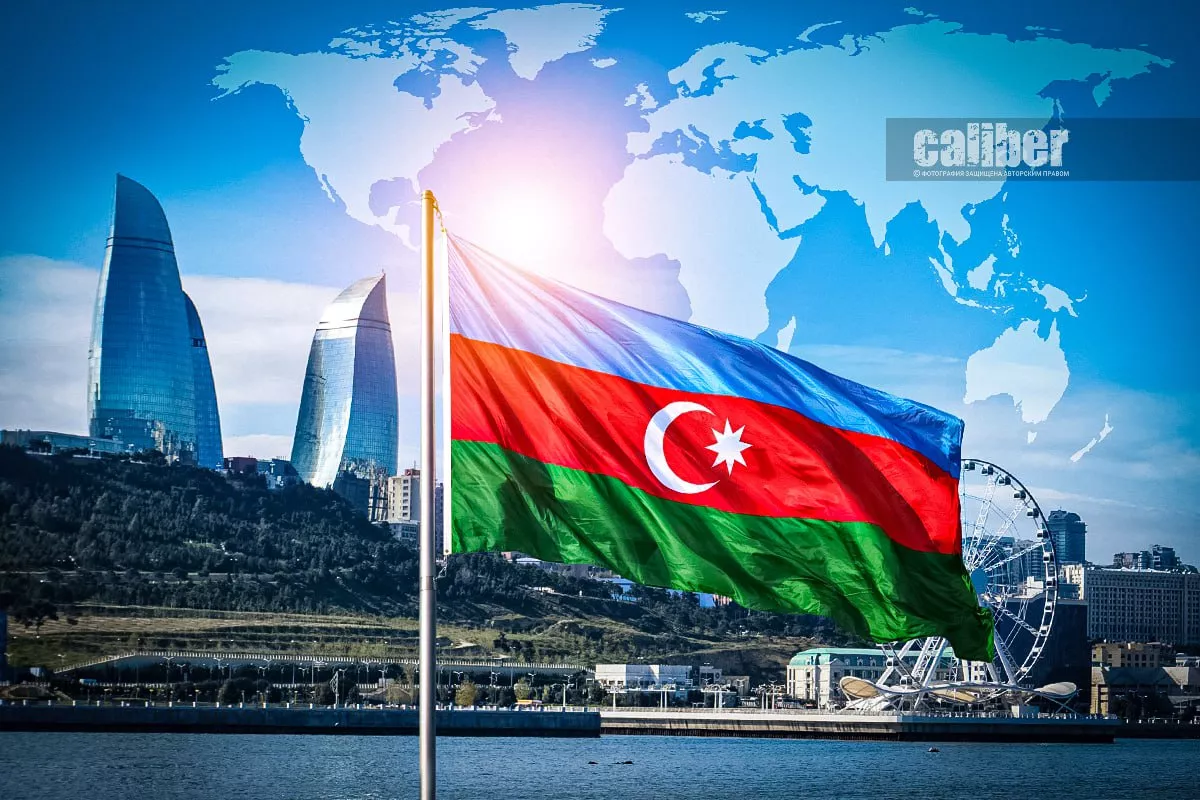
In this configuration, the line pursued by President Ilham Aliyev stands somewhat apart, as it is consistently maintained regardless of audience or venue. While many regional leaders tailor their language to the expectations of Western capitals, Baku articulates its position in the same terms in Washington, on European platforms, and at home. Speaking via video link at the EPC summit in Yerevan, Aliyev reaffirmed commitment to a peace agenda — doing so in front of European leaders, not all of whom are particularly sympathetic to Baku.
The defining feature of this approach is its refusal to adjust to external expectations. Azerbaijan does not seek approval from the West; it calls things by their name, including the uncomfortable reality that some external actors are not invested in peace in the South Caucasus, but in a managed instability that keeps the region dependent. That is precisely why Baku’s demand for changes to Armenia’s constitution is not a matter of nitpicking or maximalism, but the only way to make the renunciation of territorial claims truly irreversible.
Internal Armenian politics are not a matter for Baku; the form of government, the composition of parliament, and the economic course are decisions for Armenians themselves. What matters is one thing: the Basic Law of the neighbouring state must not contain codified claims to Azerbaijani territory.
Therefore, Azerbaijan does not expect a specific winner from the June 7 elections — that will be the choice of Armenian society, and no one intends to impose it on them. Rather, it expects what will follow the elections: a movement towards a new constitution without references to the Declaration of Independence, which effectively underpinned a thirty-year-long conflict.







 editor@caliber.az
 +994 55 444-88-98
 Азербайджан, Баку, ул. Низами, 203, Af Business House, 5-й этаж