










From the Middle East to the Black Sea: Türkiye strengthens its position in NATO Artem Kirpichenok’s analysis
Today, the concept of “security” has become broader and more multifaceted — it no longer refers exclusively to the military dimension, but also includes issues of the defence industry, the protection of energy transmission lines and logistics chains, as well as the management of migration flows and regional crises. At the same time, amid worsening relations with Washington due to diverging strategic approaches to global problems, Europe is showing a strong interest in new independent centres of support in defence matters. In this context, Türkiye, with its unique geopolitical and strategic potential, may play a special role.
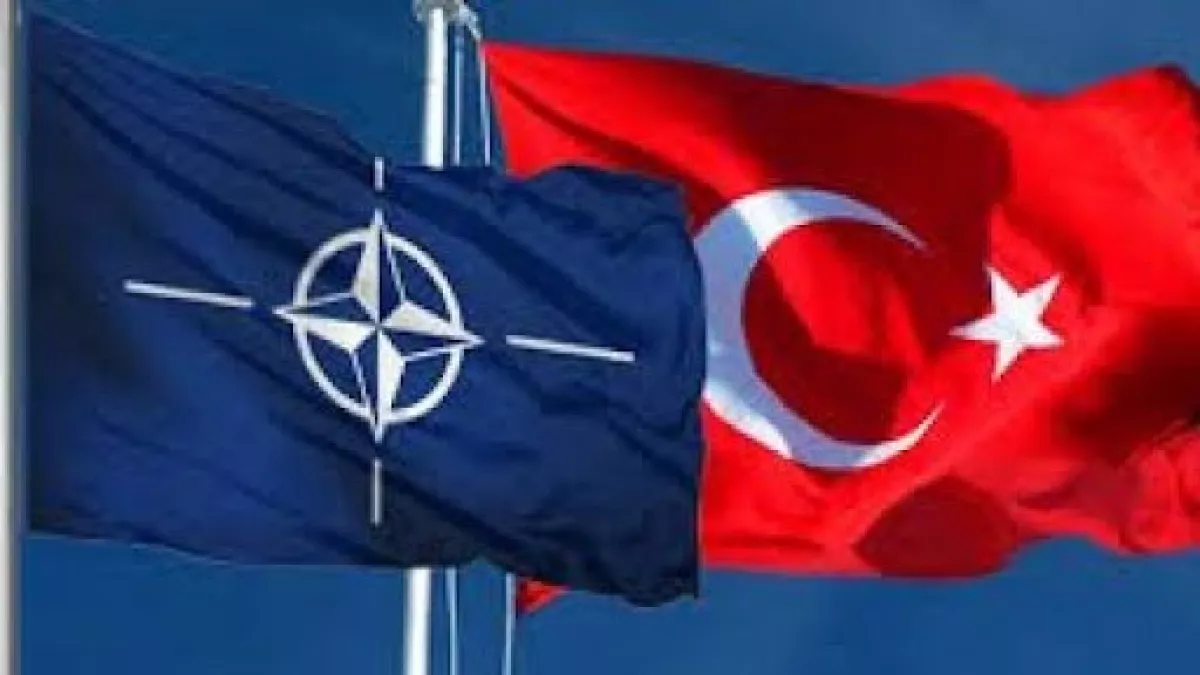
Ankara’s diplomatic and military ties span a vast area from the Caucasus to the Middle East, and from the Eastern Mediterranean to the Black Sea. With direct access to many crisis regions, Türkiye receives on-the-ground intelligence and is capable of making rapid decisions on behalf of its allies and partners. In turn, this network of diplomatic and military contacts provides the country with a unique capacity for action within the North Atlantic bloc.
The steps taken by the Republic of Türkiye ahead of the NATO summit scheduled for July 7–8 in Ankara reflect the concrete consequences of a global strategic transformation. Preparatory work among the foreign ministers of Alliance countries began long before the leaders of the 32 member states sit down at the negotiating table in the Turkish capital. At the same time, Türkiye is placing issues such as energy security, the expansion of multinational exercises, and the intensification of outreach efforts to European public opinion on the Alliance’s agenda.
In particular, at the latest preparatory meeting in Helsingborg (Sweden), Ankara acted on two fronts: on the one hand, it sought to convey its vision of key geopolitical challenges to its allies; on the other, it promoted its own proposals — in particular, pushing for an invitation for Gulf countries to attend the summit as potential partners. Ankara emphasised that such a step would help the Alliance restore strategic balance in its southern direction and strengthen energy security.
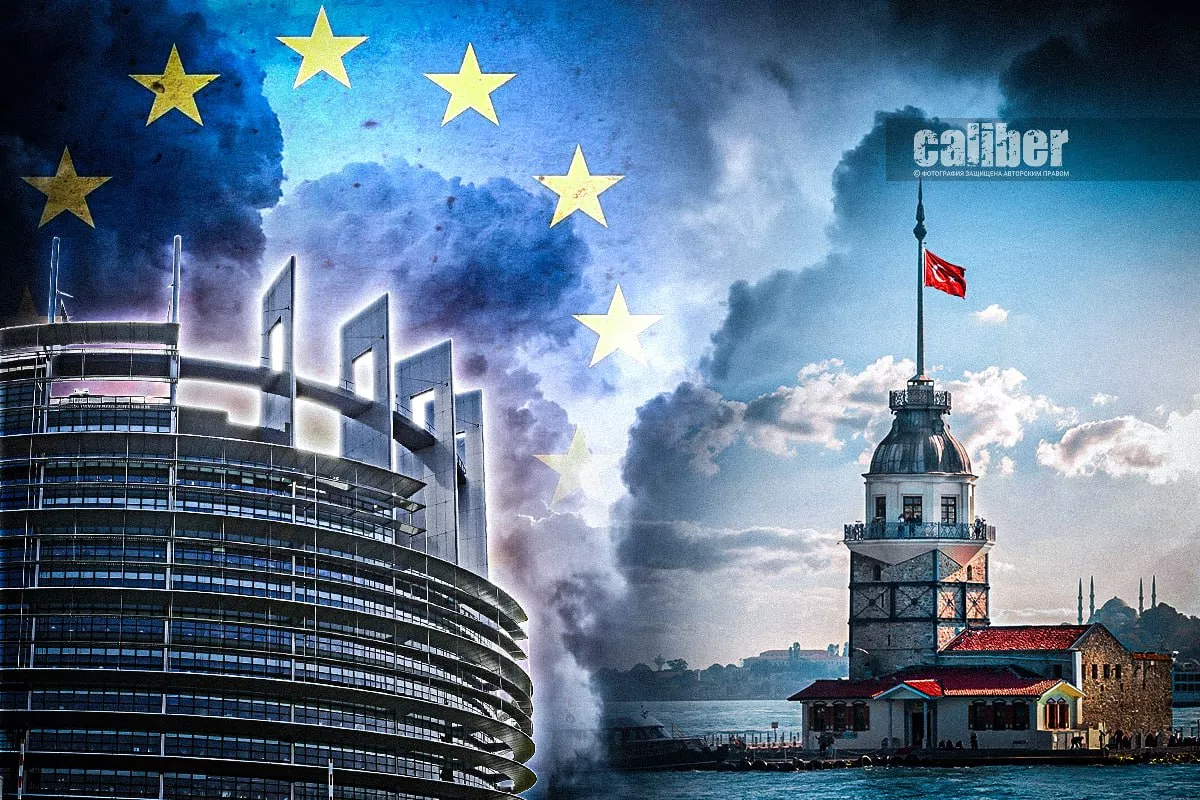
In addition, the narrative that “EU security and defence initiatives must be carefully coordinated with NATO and non-EU allies” is another key item on the summit agenda promoted by Türkiye. The issue is that equating European security with the borders of the European Union excludes from the decision-making process NATO members such as Türkiye and the United Kingdom, which significantly narrows the continent’s real defence potential.
In this context, it is worth recalling a statement by German Foreign Minister Johann Wadephul, who, at a joint press conference with his Turkish counterpart Hakan Fidan in Berlin, described Türkiye as a strategic ally and an indispensable trade partner for the EU, and openly supported Ankara’s inclusion in European defence policy. This is fully justified, as the Republic of Türkiye, which possesses the second-largest land army among NATO members, is a natural candidate for such a role.
At the same time, in the context of the Russian–Ukrainian war, the issue of energy supply security on NATO’s eastern flank has been included in the Alliance’s agenda as a matter of primary importance on the initiative of the Turkish side. In connection with the situation in the Strait of Hormuz, Ankara also plans to present at the summit a project for the construction of a new oil pipeline capable of reducing dependence on maritime routes. According to open-source data, its cost will amount to around 1.2 billion dollars; it is five times more cost-effective than alternative routes, eliminates gaps in the security system, and ensures the efficient use of NATO funding.
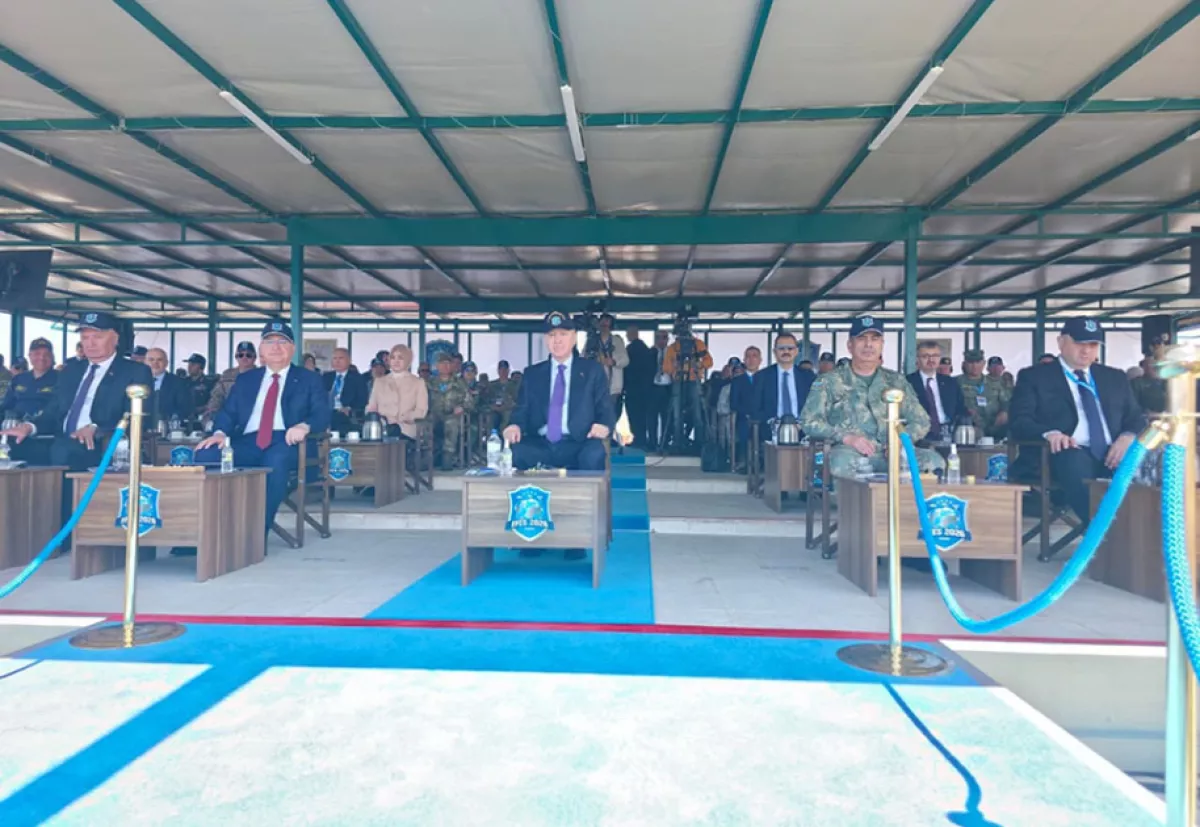
The important role of Ankara in direct military cooperation in the Mediterranean region should also not be overlooked. The EFES 2026 exercises, recently held, elevate Türkiye’s military influence in the Middle East and North Africa to a new operational level: more than 10,000 troops from 50 countries took part in manoeuvres in the Izmir Gulf area and the Doganbey training range, including, for the first time within a unified framework, military personnel from previously opposing eastern and western regions of Libya.
A development of comparable significance is the participation of the Syrian army in EFES 2026 — the first such instance in decades. This also demonstrates that relations between Ankara and Damascus are evolving across all dimensions, both diplomatic and in the field of security. At the same time, the ability to effectively engage with Libya and Syria — access to which is extremely limited for most NATO member states — represents another advantage for Türkiye in strengthening its position within the Alliance.
Thus, in light of all the above, the Republic of Türkiye is, by all accounts, a vital asset for the North Atlantic Treaty Organisation, and the summit of the bloc in the Turkish capital is, with near certainty, expected to play a decisive role in the future of the Alliance itself. This was also stated by President Recep Tayyip Erdoğan in remarks to journalists from his press pool upon returning from Kazakhstan, which he visited on May 13–15: “We expect important decisions to be taken in Ankara regarding the future of the Alliance and the future structure of the global security architecture.”







 editor@caliber.az
 +994 55 444-88-98
 Азербайджан, Баку, ул. Низами, 203, Af Business House, 5-й этаж