










Russia shuts the door: Armenian agro-exports shift to Georgia Article by Vladimir Tskhvediani
Against the backdrop of deteriorating relations with Yerevan and Armenia’s growing rapprochement with the West, Russia has closed its market to a number of Armenian products.
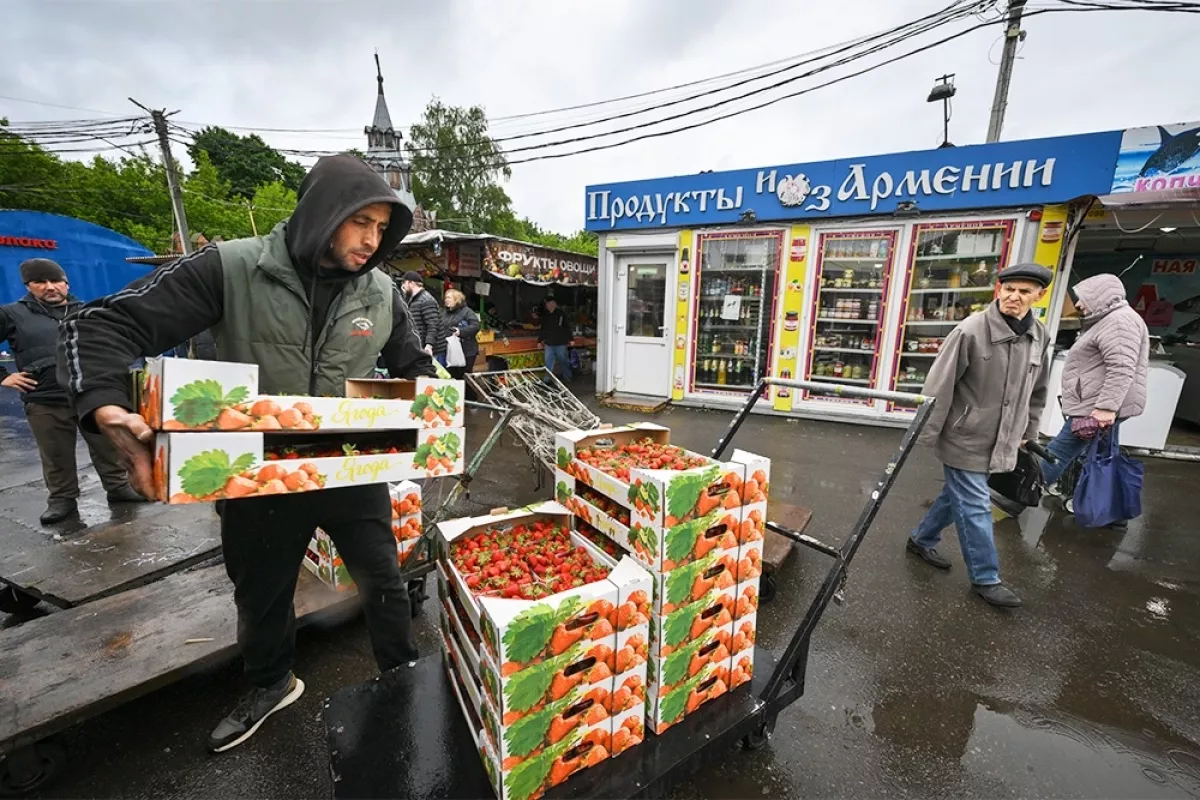
A ban on flower imports from Armenia has been in force since May 22, 2026. On May 30, restrictions were introduced on the import of fresh tomatoes, cucumbers, peppers, herbs, and strawberries. From June 2, the ban was extended to stone fruits (cherries, sour cherries, apricots, plums, peaches, and nectarines) as well as fresh grapes. From June 3, restrictions also covered pome fruits (apples, pears, and quinces), eggplants, potatoes, and dried fruits.
In addition to import restrictions, limitations have been imposed on the transit of Armenian products to member states of the Eurasian Economic Union (EAEU). The measures have also affected supplies of live fish and fish products. Imports of alcoholic beverages produced by three major Armenian manufacturers have been suspended, along with all shipments of the mineral water brand “Jermuk.”
Armenian Prime Minister Nikol Pashinyan, speaking during the election campaign, has insisted that businesses will not suffer from Russia’s ban on Armenian imports, arguing that alternative markets have already been secured in Europe and beyond.

“Several business delegations are already at work. The first shipment of roses and vegetables has been dispatched. Once it reaches its destination, I will reveal which countries it has been sent to. Not a single product will be left unsold. These are EU markets and other markets as well,” Pashinyan told Armenian journalists on Tuesday, June 2, 2026, although he did not specify the countries in question.
Meanwhile, the EU agricultural market is subject to stringent regulations and standards, not to mention intense competition among European producers. In the apricot segment, for example—one of the most important export categories for Armenian producers—the current season is expected to see an oversupply.
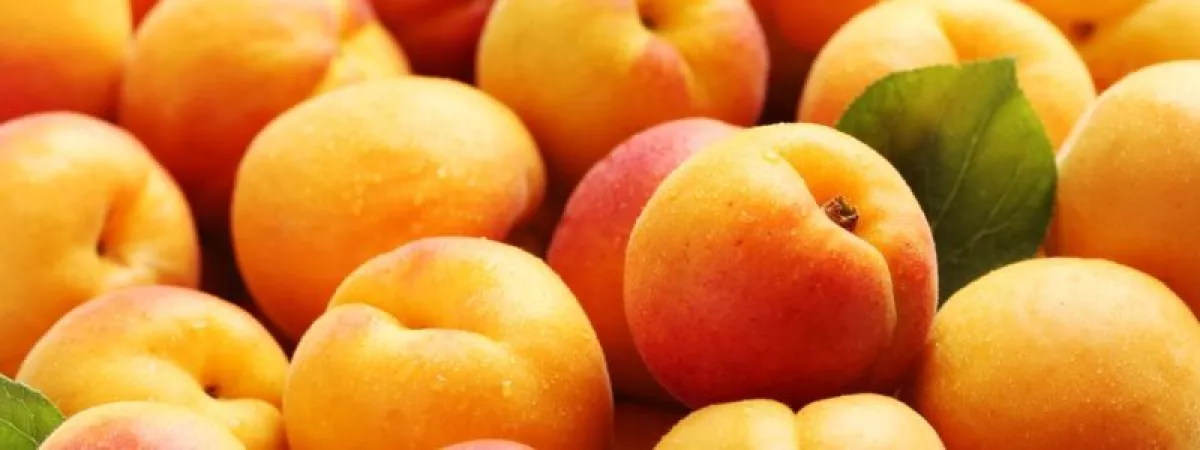
Apricot production in Europe is projected to reach approximately 505,000 tonnes in 2026, around 6% higher than in 2025 and 4% above the average for 2020–2024. Under such conditions, Armenian apricots are likely to face significant challenges in establishing a foothold in the European market.
That leaves Georgia, which could realistically help Armenia mitigate the impact of the Russian embargo. Since the restrictions imposed by Russia’s Federal Service for Veterinary and Phytosanitary Surveillance (Rosselkhoznadzor) do not apply to Georgian fruit and vegetable exports, their shipments to Russia are expected to increase during the current season. On the Georgian domestic market, these products are likely to be supplemented—or partly replaced—by Armenian produce that had originally been destined for Russia. Such a trend is already evident in the strawberry and sweet cherry segments.
The late and unusually cold spring of 2026 in the South Caucasus delayed the arrival of the main strawberry and sweet cherry harvest by approximately one to two weeks. As a result, the peak supply period coincided with the introduction of Russia’s embargo on Armenian agricultural products.
In 2025, Armenia exported strawberries to Russia worth $13.25 million, accounting for 97% of the country’s total strawberry exports, which amounted to $13.65 million. Small quantities were also shipped to the UAE, Qatar, and Kazakhstan. However, the transit of strawberries to Kazakhstan via Russian territory has now become effectively impossible. Consequently, the Armenian domestic market and Georgia remain the principal outlets for these products.
Alongside locally grown produce, the Georgian market is currently receiving substantial volumes of strawberries and sweet cherries from Armenia that were originally intended for export to Russia. As a result, seasonal price declines for these berries in Georgia are occurring much faster than in 2025. This trend is being reinforced by a strong domestic harvest within Georgia itself.
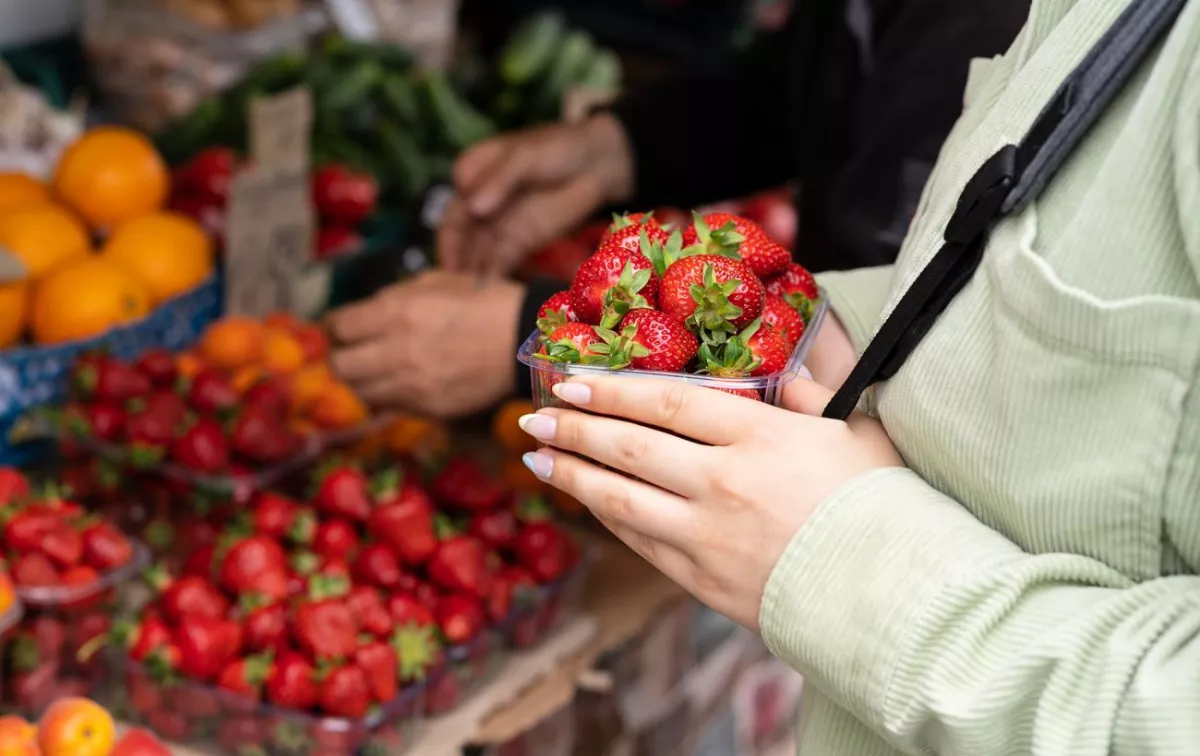
According to forecasts, at the height of the season in June 2026, strawberry and sweet cherry prices on Georgian markets could be 20–30% lower than last year. Under such conditions, exporting to Russia becomes even more attractive for Georgian producers, particularly as no restrictions have been imposed on their access to the Russian market.
Georgia and Armenia have different specialisations when it comes to fruit exports. Georgia focuses on supplying peaches, nectarines, and apples to Russia, benefiting from favourable conditions on the Russian market. In 2025, Russia accounted for 86% of Georgian peach and nectarine exports. Compared with 2024, shipments increased by 12% in volume terms and by 19% in value, reaching $32 million.
Georgia cultivates apricots primarily for domestic consumption, with only a small share of the harvest exported to Russia. At the same time, the country remains a major buyer of Armenian apricots. During July and August, most apricots available on Georgian markets are imported from Armenia. Until recently, however, a substantial portion of these imports continued onward through Georgia in transit to Russia.
In recent years, demand for fruit in Georgia during the summer season has increased significantly due to an influx of tourists, including visitors from Russia, which has contributed to higher imports of apricots from Armenia. As a result, Armenia is objectively the most interested party in the success of Georgia’s tourism season this year.
Restrictions on imports of Armenian fruit and vegetables into Russia introduced by Rosselkhoznadzor may also contribute to the revival of old schemes involving changes in the declared country of origin of goods. At one time, when Russia imposed politically motivated restrictions on Turkish tomato imports, some enterprising Armenian businessmen reportedly re-exported them as Armenian products in order to bypass the bans.
It is difficult to assess at this stage how widespread such schemes of “transforming” Armenian fruit into Georgian-origin goods may become, or whether apricots will be affected. The scale of such “Georgianisation” could only be indirectly estimated by comparing Georgia’s domestic production volumes with its export volumes to Russia.
By Vladimir Tskhvediani, Georgia, exclusively for Caliber.Az







 editor@caliber.az
 +994 55 444-88-98
 Азербайджан, Баку, ул. Низами, 203, Af Business House, 5-й этаж