










Azerbaijan, Georgia and Kazakhstan are reshaping the oil map Article by Vladimir Tskhvediani
On May 18, 2026, during Georgian Prime Minister Irakli Kobakhidze’s visit to Azerbaijan, an agreement was signed to resume oil transportation via the Baku–Supsa pipeline.
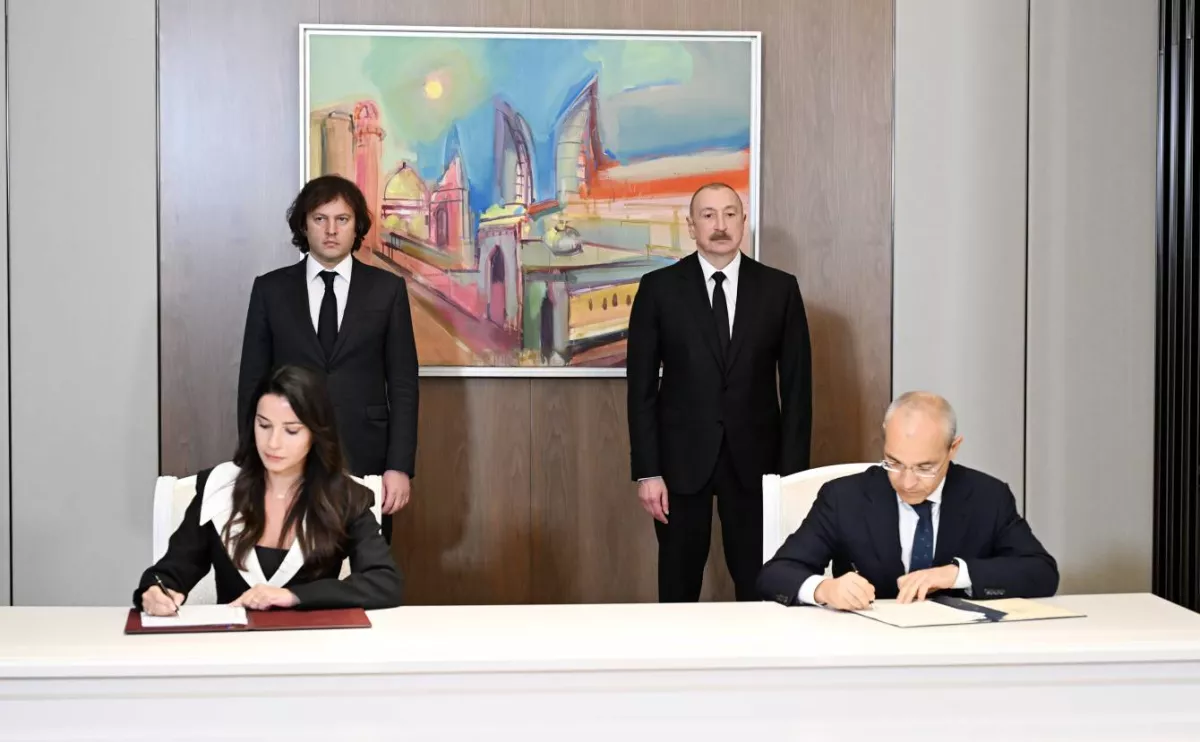
This was preceded by negotiations between the Georgian Oil and Gas Corporation, SOCAR Midstream Operations, and the State Oil Company of the Azerbaijan Republic (SOCAR), during which a guaranteed minimum throughput level for the pipeline was agreed upon.
On the Georgian side, the agreement was signed by Minister of Economy and Sustainable Development Mariam Kvrivishvili, and on the Azerbaijani side by Minister of Economy Mikayil Jabbarov and Minister of Energy Parviz Shahbazov. According to Mariam Kvrivishvili, the resumption of the Baku–Supsa project will allow Georgia to further strengthen its position as a reliable and important partner, ensuring the safe transit of oil through its territory for neighboring countries and Europe.
“The restoration of the pipeline, which has not been operational in recent years, is of important significance both for regional energy cooperation and for strengthening Georgia’s transit role. Following the negotiations, the Government of Georgia decided to begin cooperation with SOCAR, which will make it possible to restore the operation of the pipeline through joint efforts,” said Mariam Kvrivishvili.
In turn, on May 19, 2026, Georgian Prime Minister Irakli Kobakhidze announced plans to transport Kazakh oil as well. According to Irakli Kobakhidze, the restoration of the Baku–Supsa pipeline, including through the possible transportation of Kazakh petroleum products, would allow Georgia to generate tens of millions of lari in annual revenue.
It is evident that Kazakhstan is also interested in the resumption of the Baku–Supsa oil pipeline’s operation alongside Azerbaijan and Georgia, as recent difficulties in supplying Kazakh oil to European markets have intensified.
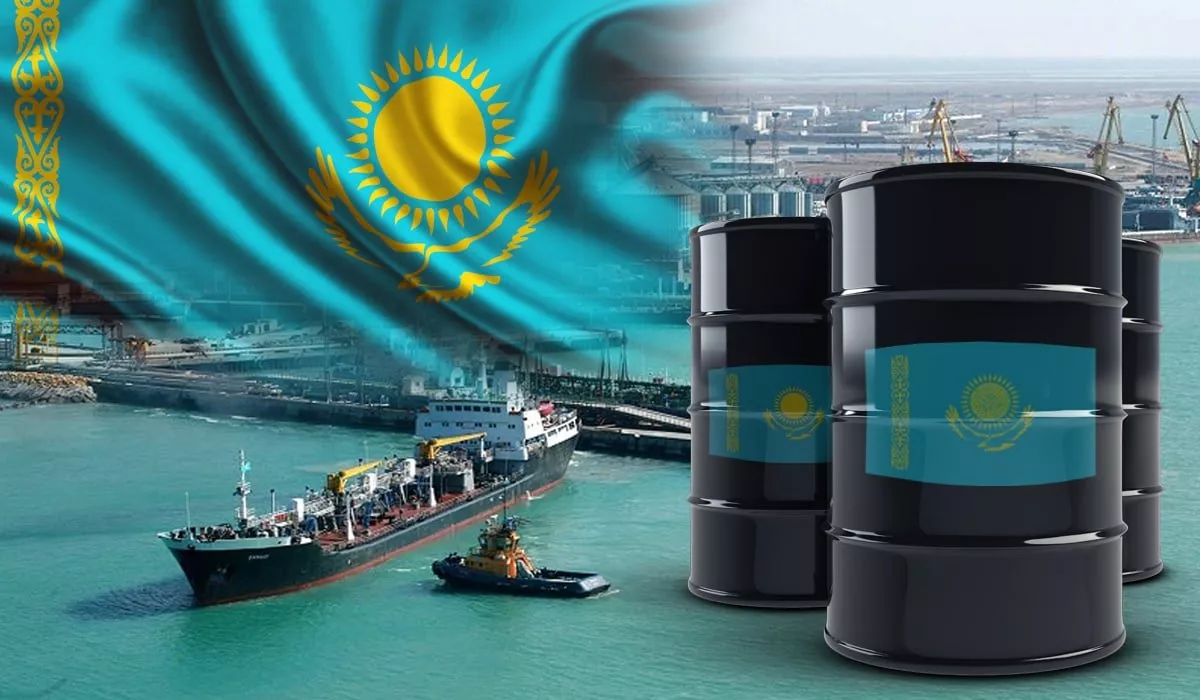
In 2025, Kazakhstan exported 78.7 million tonnes of oil, of which 64.8 million tonnes were transported via the Caspian Pipeline Consortium (CPC) system through Russian territory. Through the “Druzhba” pipeline, also transiting Russia, 2.1 million tonnes of Kazakh oil were supplied to Germany (to the Schwedt refinery) in 2025.
However, already in 2025, the Russian–Ukrainian war created disruptions for the transit of Kazakh oil via Russian ports. The infrastructure of the CPC and the port of Novorossiysk, through which the main volume of Kazakh oil is exported to European and Mediterranean markets, came under drone attacks. Oil transit from Kazakhstan was partially redirected from Novorossiysk to the “northern route” via the port of Ust-Luga on the Baltic Sea, although drones have also reached that area.
The infrastructure of the “Druzhba” pipeline was also targeted. As of May 1, 2026, Russia suspended the transit of Kazakh oil to Germany via this pipeline due to political disagreements over the Ukraine issue.
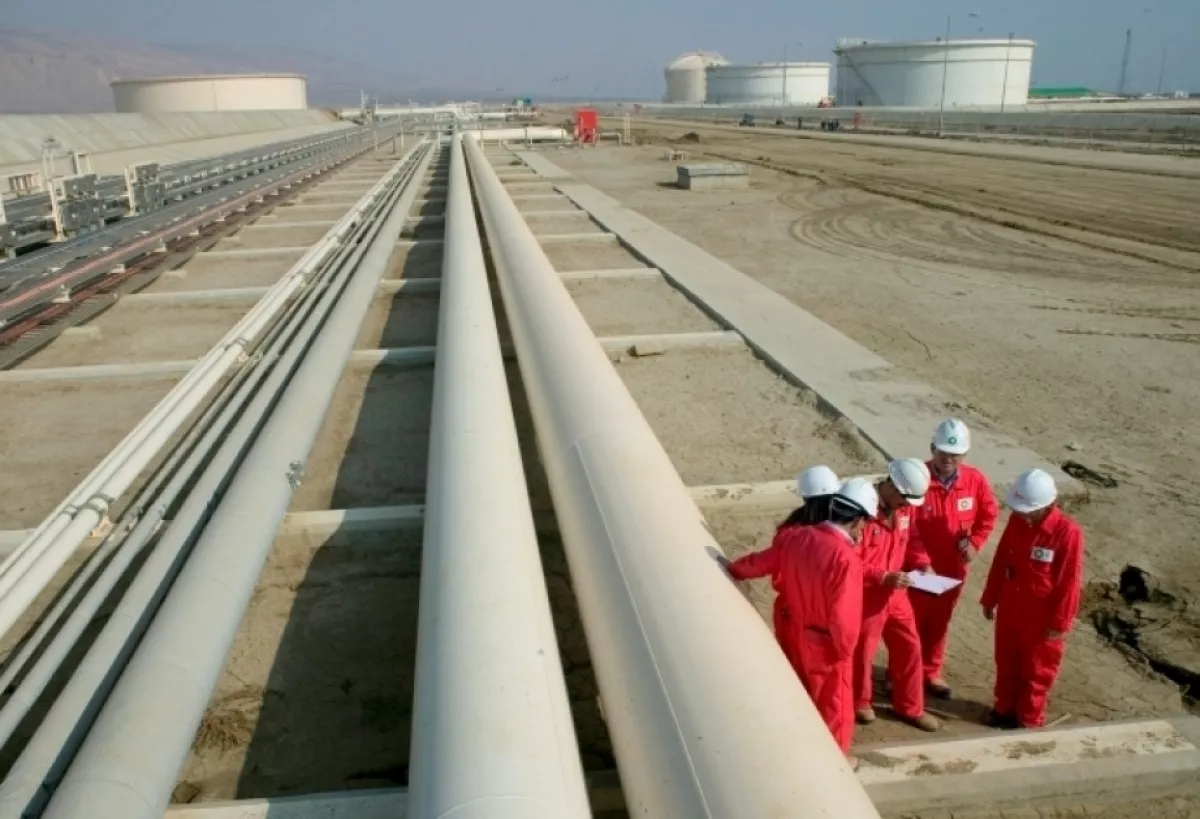
As a result, Kazakhstan’s interest in transit via Azerbaijan has increased, primarily through the Baku–Tbilisi–Ceyhan oil pipeline, which is capable of providing an additional transit capacity of around 20 million tonnes of Kazakh oil per year.
The Baku–Supsa oil pipeline, with a potential throughput capacity of up to 7 million tonnes of oil per year, is also of interest to Kazakhstan as a route for redirecting additional volumes of oil bypassing Russia.
Another country interested in the restoration of the Baku–Supsa pipeline is Ukraine. It is no coincidence that in recent times a trend toward the normalisation of relations between Kyiv and Tbilisi has emerged, and Ukrainian media have responded positively to the agreement between Azerbaijan and Georgia on the resumption of the pipeline’s operation. The resumption of the Baku–Supsa pipeline would be symbolic for Ukraine—especially considering that it was originally linked to the Odesa–Brody oil pipeline project. These pipelines were part of a unified plan to supply Caspian oil to Europe bypassing Russia.
On February 15, 1993, the Government of Ukraine, headed by Leonid Kuchma—who at the time was widely regarded by many as a “pro-Russian” politician—decided to begin construction of the “Yuzhny” maritime oil terminal near Odesa for the reception of Caspian oil. Construction of the terminal began in 1995, after Leonid Kuchma became President of Ukraine, and in 1996 work started on the Odesa–Brody oil pipeline.
At the same time, Azerbaijani President Heydar Aliyev and Georgian President Eduard Shevardnadze agreed on the construction of the Baku–Supsa pipeline.
During the same period, a process of political rapprochement was taking place among Azerbaijan, Georgia, Ukraine, and Moldova, which in 1997 led to the formation of the GUAM alliance. By that time, all founding members of GUAM had faced issues related to separatism.
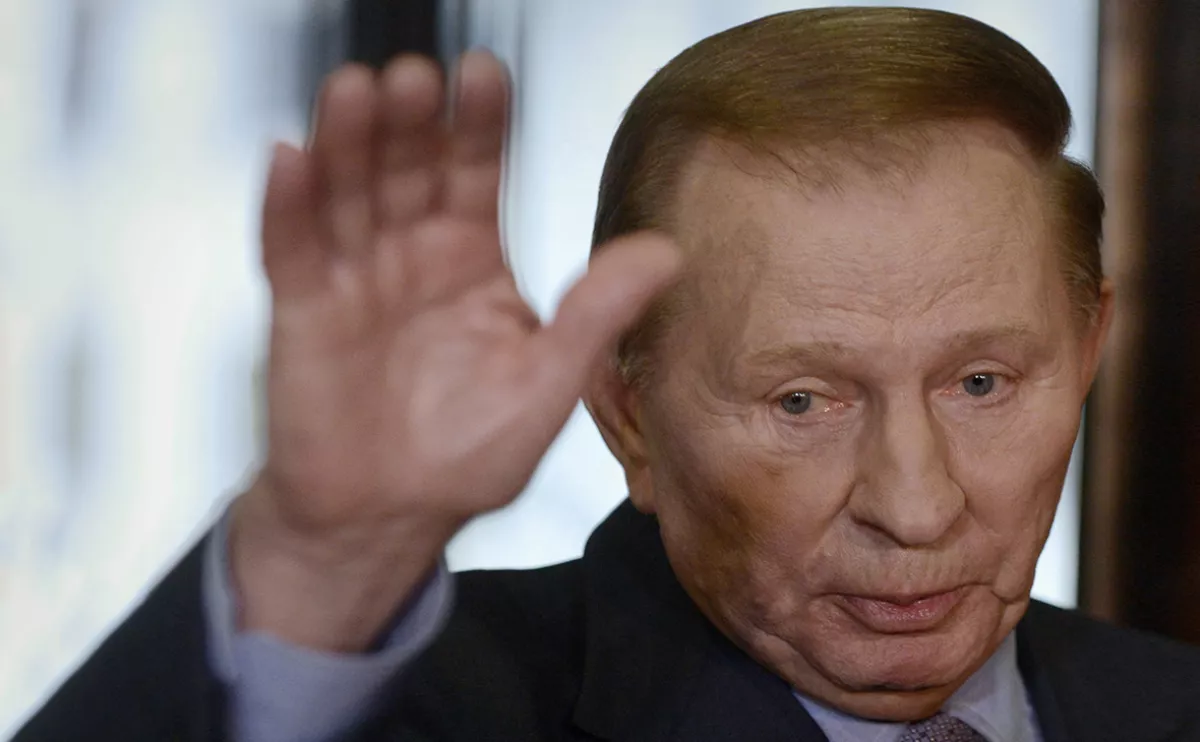
Moldova, Georgia, and Azerbaijan experienced separatist wars, while Ukraine in 1994–1995 first faced an escalation of the Crimean issue. The first and only “president” of the peninsula, Yuri Meshkov, openly pursued a course toward separation from Kyiv and “accession” to Russia. However, the determination of Leonid Kuchma, who removed Meshkov from power, prevented the situation from crossing a critical threshold.
Thus, already in the 1990s, Moscow, in order to preserve its influence in the post-Soviet space, relied politically on the support of separatism, “frozen” conflicts, and the redrawing of borders. At the same time, Russia was building an “energy empire,” using the export and transit of energy resources as leverage over post-Soviet states. The logical outcome of decades of such a “dual” policy has been both the current war in Ukraine and the de facto collapse of the Kremlin’s plans to build an “energy superpower.”
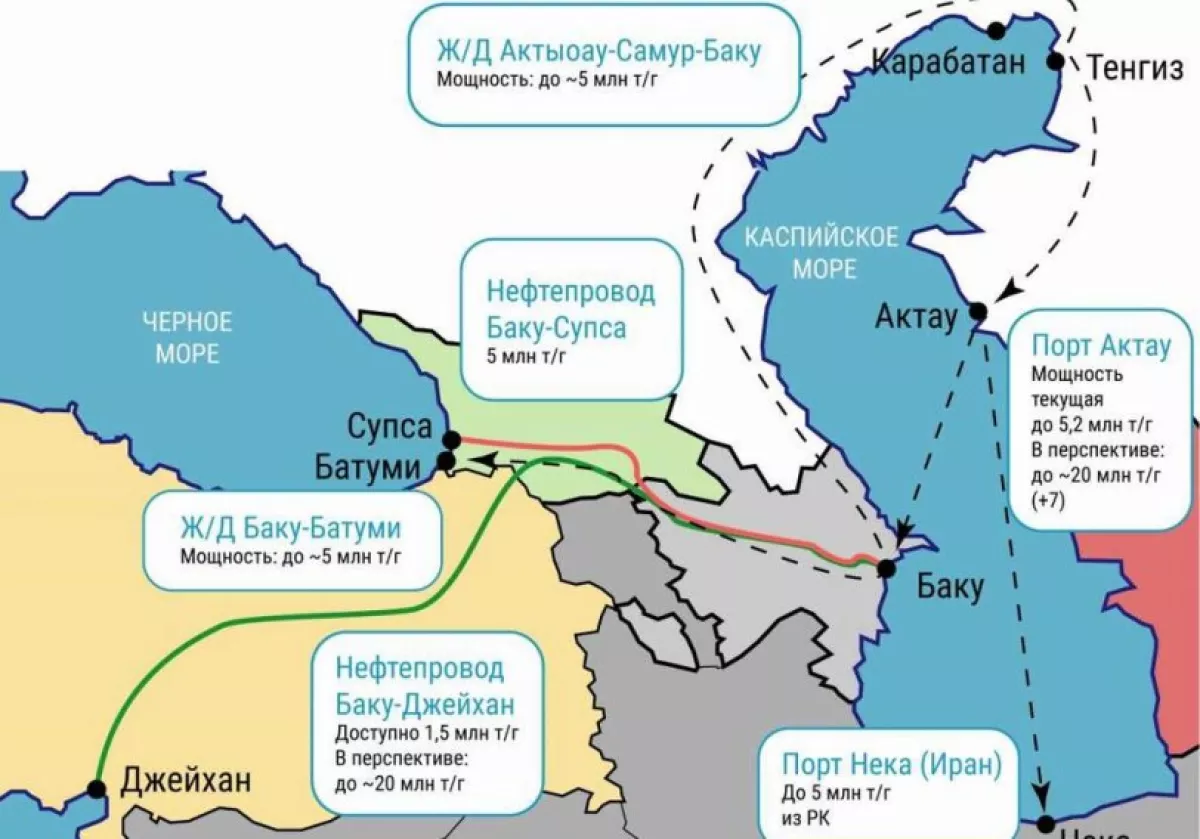
Initially, the United States and the European Union supported the development of “bypass” routes for transporting energy resources outside Russia. By 1999, the Baku–Supsa oil pipeline had been built, and by 2001 the Odesa–Brody pipeline was completed.
It was envisaged that Caspian oil would be transported via the Baku–Supsa pipeline and then by tankers across the Black Sea to Odesa, where it would be injected into the Odesa–Brody pipeline, which was later planned to be extended to the Polish city of Gdańsk. This would have enabled the transport of Caspian and Kazakh oil bypassing both Russia and the heavily congested Bosphorus and Dardanelles straits.
However, after the completion of the Odesa–Brody pipeline, Poland refused to implement its part of the project. As a result, the pipeline remained idle for many years. It was only occasionally used either in reverse mode for supplying Russian oil to the Odesa refinery or for supplying oil to Belarus during periods of heightened tensions between Moscow and Minsk.
In the summer of 2025, the long-idle Odesa–Brody pipeline was once again discussed in Hungary amid disruptions in Russian oil supplies via the “Druzhba” pipeline. According to Bloomberg, MOL Group began exploring options for alternative oil supply routes outside Russia.
MOL Group manager Pál Szabó stated in an interview with Bloomberg that the company is interested in restoring the operation of the Odesa–Brody oil pipeline, with the subsequent transportation of oil to Hungary via the southern branch of the “Druzhba” pipeline.
In 2025, MOL Group did not yet explicitly speak about Caspian oil supplies to Odesa for these purposes. However, it is evident that with the restoration of the Baku–Supsa pipeline, Azerbaijan and Kazakhstan would gain the ability to supply their oil to Hungary via the Odesa–Brody pipeline, should its operation be resumed.
It is also possible that, in the current geopolitical situation, Poland—having never begun construction of its segment of the route to Płock and Gdańsk—may once again show interest in reviving the original project of transporting Caspian oil via the Baku–Supsa and Odesa–Brody pipelines.
Undoubtedly, the revival of the Odesa–Brody project in connection with the Baku–Supsa pipeline directly depends on the end of, or at least a “freeze” in, the Russian–Ukrainian war.
By Vladimir Tskhvediani, Georgia, exclusively for Caliber.Az







 editor@caliber.az
 +994 55 444-88-98
 Азербайджан, Баку, ул. Низами, 203, Af Business House, 5-й этаж