










How big should Ukraine be? Ex-FM Kuleba has an answer DRAWING NEW POST-WAR MAP
Former Ukrainian Foreign Minister Dmytro Kuleba’s recent remarks offer a striking example of the gap between political rhetoric and the realities on the ground. His comments are particularly notable given the current dynamics of the conflict, in which the situation facing Ukraine remains highly challenging and unfavourable in many respects.
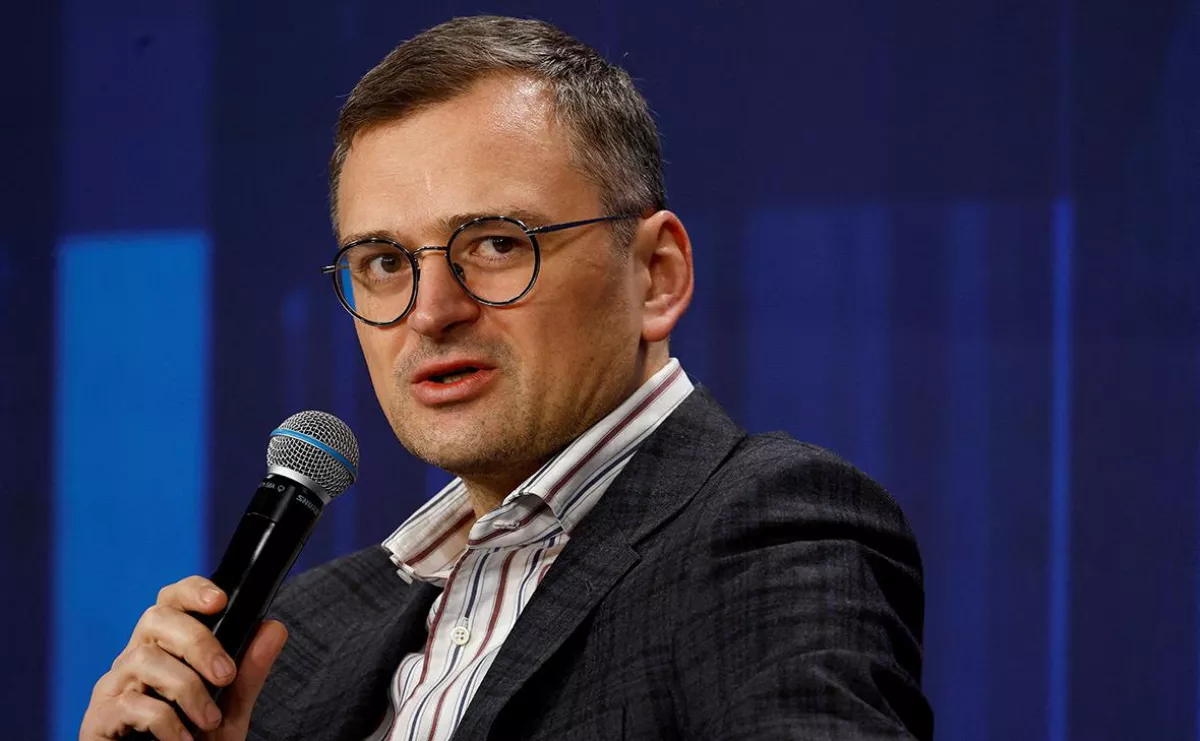
Kuleba questioned why the war should necessarily end along Ukraine’s 1991 borders and argued that Kyiv should not become fixated on that framework.
“The 1991 border is what we inherited from the Soviet Union. In school, a map hung in front of each of us, and entire generations grew up with the notion that this was it. But none of us was prepared to live through a period in history when everything is being rewritten. So if everything is being rewritten, I would, for example, bring Starodub back. The Starodub Regiment, the present-day district — for those who do not know — is in the Chernihiv region, in northern Russia. So, in reality, we do not know what Ukraine’s border will look like at the end of this war. It may run along the 1991 borders, or it may extend beyond the 1991 borders. And we may gain additional territory,” he said.
Kuleba’s remarks amount to a vision of a possible Ukrainian territorial expansion beyond the internationally recognized borders inherited following the dissolution of the Soviet Union.
Against the backdrop of the current battlefield situation, however, such statements raise questions about the gap between political expectations and military realities. One of the key trends cited in the assessment of the front is the gradual expansion of areas under Russian military control.
Ukraine is also facing a number of systemic challenges despite continuing resistance, including manpower shortages, constrained resources and increasing pressure on its air-defense capabilities.
Particular concern has been raised over Ukraine’s ability to defend itself against large-scale missile attacks. Robert Brovdi, commander of Ukraine’s Unmanned Systems Forces and widely known by his call sign “Madyar,” has warned of the possibility that the scale of Russian missile attacks could increase several-fold.
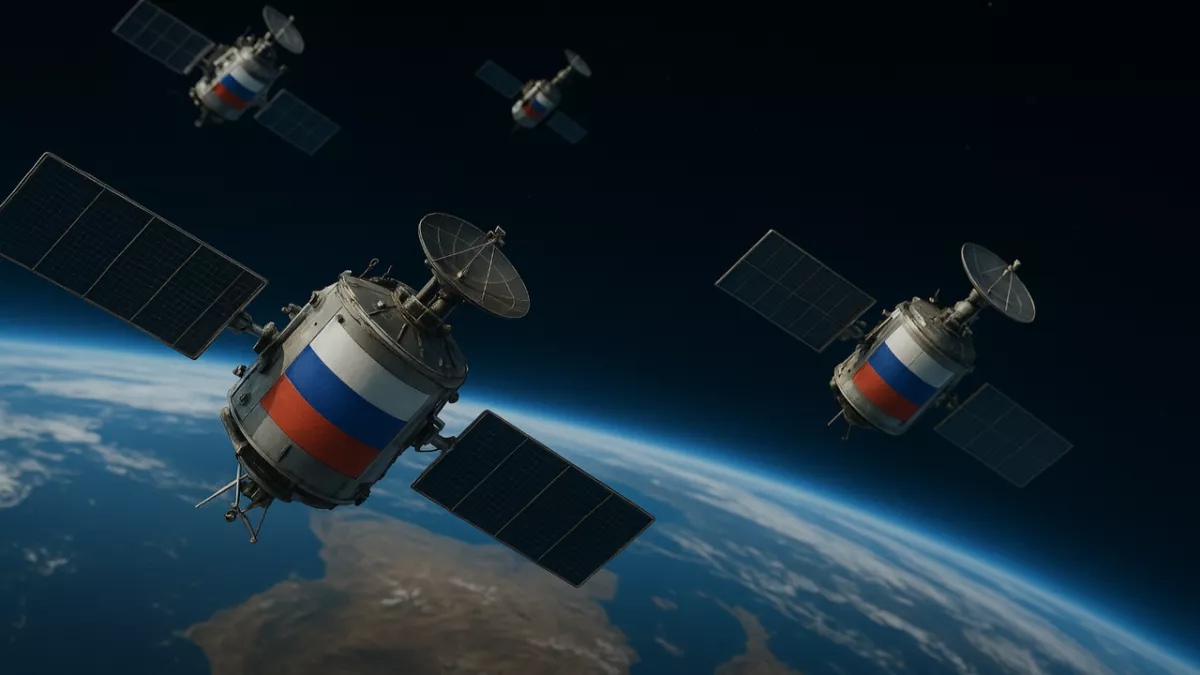
According to Brovdi, Russian forces are currently capable of launching more than 70 — approximately 77 — missiles of different types in a single salvo. The arsenal includes cruise and ballistic missiles launched from aircraft, ships and ground-based systems.
Russia, he said, is working to increase the number of missiles it could launch in a single salvo to as many as 200.
Ukraine’s ability to respond remains constrained. Patriot systems are regarded as effectively the only capable tool available to Ukraine for intercepting ballistic targets, while stocks of interceptor missiles remain critically limited.
Recent statistics, according to the assessment presented in the article, underscore the scale of the problem: a significant proportion of Russian ballistic missiles launched in recent months have reached their targets.
Additional pressure is coming from the accelerated development of Russian military technologies. In an interview with RBC-Ukraine, Major General Vadym Skibitskyi, deputy head of Ukraine’s Main Directorate of Intelligence, said Moscow was deploying “Rassvet,” effectively a Russian analogue of the Starlink satellite communications system. He said Russia had begun deploying the system significantly faster than originally planned.
Skibitskyi also recalled that Russia had already placed 16 satellites belonging to the low-Earth-orbit constellation into orbit in March this year. The development could potentially strengthen the coordination of Russian forces, improve the effectiveness of their strikes and reduce their vulnerability to external restrictions.
At the same time, Russia is expanding its manpower base by recruiting foreign fighters, including personnel from North Korea. According to Bloomberg, between 16,000 and 22,000 North Korean servicemen were sent to Russia. Ukraine, by contrast, is facing a growing shortage of personnel, a factor that could become critical over the longer term.
Another area of pressure is Russia’s targeting of Ukraine’s logistics and export routes. Following the partial disruption of maritime exports, Kyiv was forced to shift more of its trade to overland corridors, but those routes have also come under attack.
The strike on a bridge in the Mayaky area along the Odesa-Reni highway should therefore be viewed not merely as a tactical incident but as part of a broader effort to undermine Ukraine’s economic resilience. Disruptions to transport networks affect grain exports, foreign-currency revenues and the country’s broader ability to maintain economic stability during wartime.
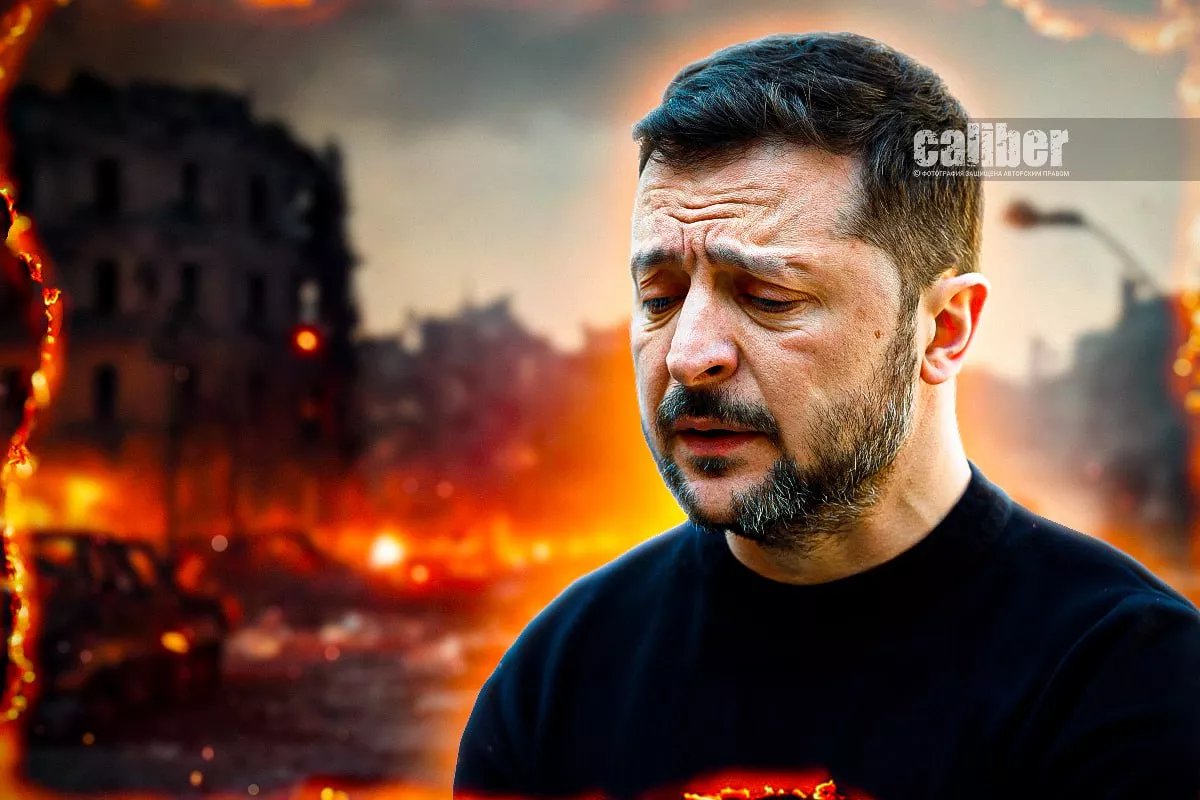
Against this backdrop, it is worth recalling Ukrainian President Volodymyr Zelenskyy’s recent remarks about the difficulty of retaking Crimea by military means. His comments reflect a fundamentally different level of responsibility, in which a political leader must distinguish between what is desirable and what is realistically achievable.
There are therefore currently no clear grounds for asserting that Ukraine is capable of retaking not only Crimea but all territories that had been outside Kyiv’s control before February 2022. Indeed, even the prospect of fully restoring the borders that existed when the full-scale war began remains uncertain.
Against this backdrop, Kuleba’s suggestion that Ukraine could potentially emerge from the war with “expanded borders” risks creating a misleading impression of control over circumstances in which the country is in fact facing significant military, demographic, technological and economic constraints.
This raises a broader question: are Kuleba’s remarks a genuine expression of his beliefs, or a deliberate attempt to influence public opinion?
Whatever the answer, the potential consequences are similarly problematic if the public is presented not with a sober assessment of the situation but with emotionally charged claims detached from the realities on the ground.
History shows that inflated expectations during wartime can be almost as dangerous as excessive pessimism. They can distort perceptions of the situation, complicate the adoption of difficult but necessary decisions and undermine public confidence in state institutions.
The fact that such narratives are being advanced by a former foreign minister is particularly significant. Statements from a former senior representative of Ukraine’s foreign-policy establishment can inevitably shape perceptions of the country’s diplomatic position among both domestic and international audiences, potentially exposing Ukraine to reputational costs.







 editor@caliber.az
 +994 55 444-88-98
 Азербайджан, Баку, ул. Низами, 203, Af Business House, 5-й этаж