










Negotiation deadlock What is preventing a Zelenskyy–Putin meeting?
The topic of finding ways to achieve a diplomatic solution to the Russian–Ukrainian war periodically resurfaces on the global political agenda, driven both by an increase in the intensity of strikes and by changes currently taking place in the international system of relations.
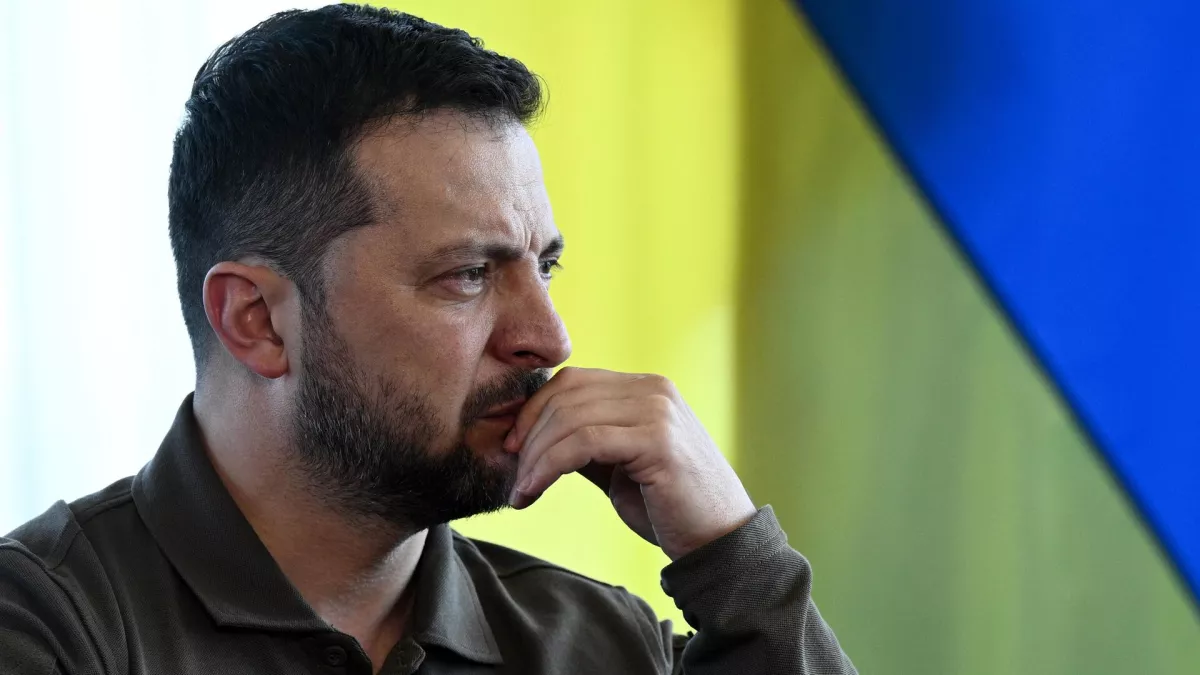
In particular, President Volodymyr Zelenskyy, during a recent press conference with NATO Secretary General Mark Rutte, stated his readiness for direct negotiations with Vladimir Putin. This statement by the Ukrainian leader appears simultaneously as a political signal and as an attempt to seize the initiative in the negotiating agenda.
In addition, he also emphasised that Ukraine does not intend to “wait in line” while the United States addresses other international crises. This formulation contains an important geopolitical message: Kyiv perceives a declining priority of the Ukrainian track in U.S. foreign policy amid the conflict between the United States and Iran and confrontations in other regions.
However, the very fact of readiness for negotiations is not something fundamentally new; in this context, what matters more is their content. It is precisely here that the main divide between Moscow and Kyiv lies.
It is also worth recalling that the history of personal contacts between Zelenskyy and Putin is quite limited. Their first and only full-format meeting took place in December 2019 in Paris as part of the Normandy Format summit. At that time, certain agreements were reached in various areas, in particular regarding prisoner exchanges and the disengagement of forces in selected sections of the line of contact.
However, these did not lead to a resolution of the conflict in Donbas, but rather only recorded a temporary reduction in tensions. Since then, no meetings between the leaders of the two countries have taken place.
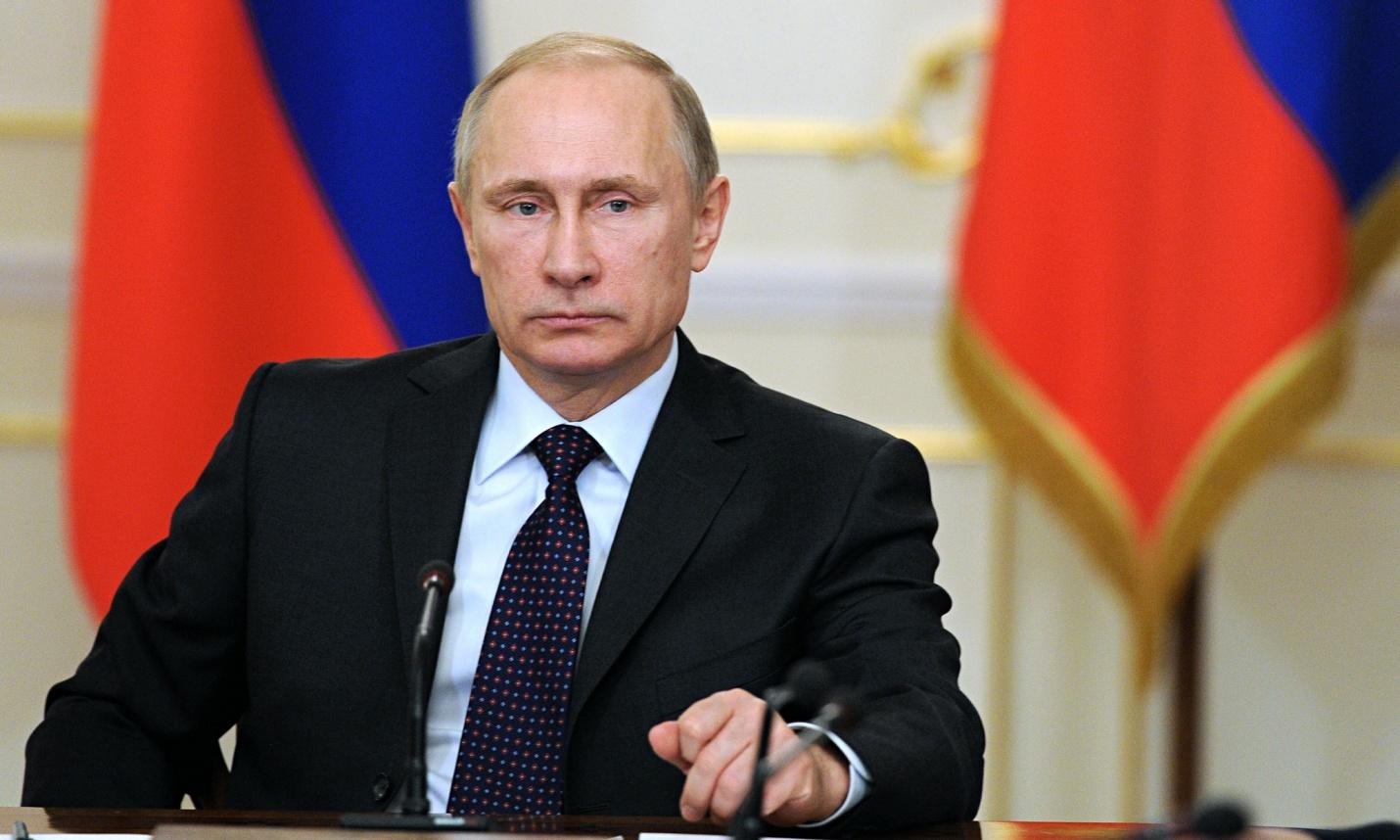
In turn, Vladimir Putin has also repeatedly stated his readiness to meet with Zelenskyy; however, as a precondition for dialogue, the Russian side puts forward conditions that Kyiv reasonably considers unacceptable.
This essentially involves recognition of Russia’s territorial claims, including the withdrawal of Ukrainian forces from those parts of the Donetsk and Luhansk regions that remain under Ukrainian control. In effect, in the Russian interpretation, negotiations are only possible under conditions close to Ukraine’s capitulation.
It is entirely clear that official Kyiv does not accept such terms, as this would mean abandoning sovereignty and territorial integrity. Thus, both sides formally demonstrate readiness for negotiations, but attach fundamentally different meanings to this concept.
It is quite noteworthy in this context that the Head of the Office of the President of Ukraine, Kyrylo Budanov, stated that Zelenskyy had set a task to end the war before winter, which in effect amounts to a political directive being announced.
However, as is well known, armed confrontation on the battlefield is an uncontrollable process and does not obey deadlines or administrative decisions. Wars, by default, end either as a result of the military defeat of one of the sides or through the achievement of a compromise that both sides are willing to accept.
At present, neither Russia nor Ukraine is close to such an outcome, and the reasons for this are as follows.
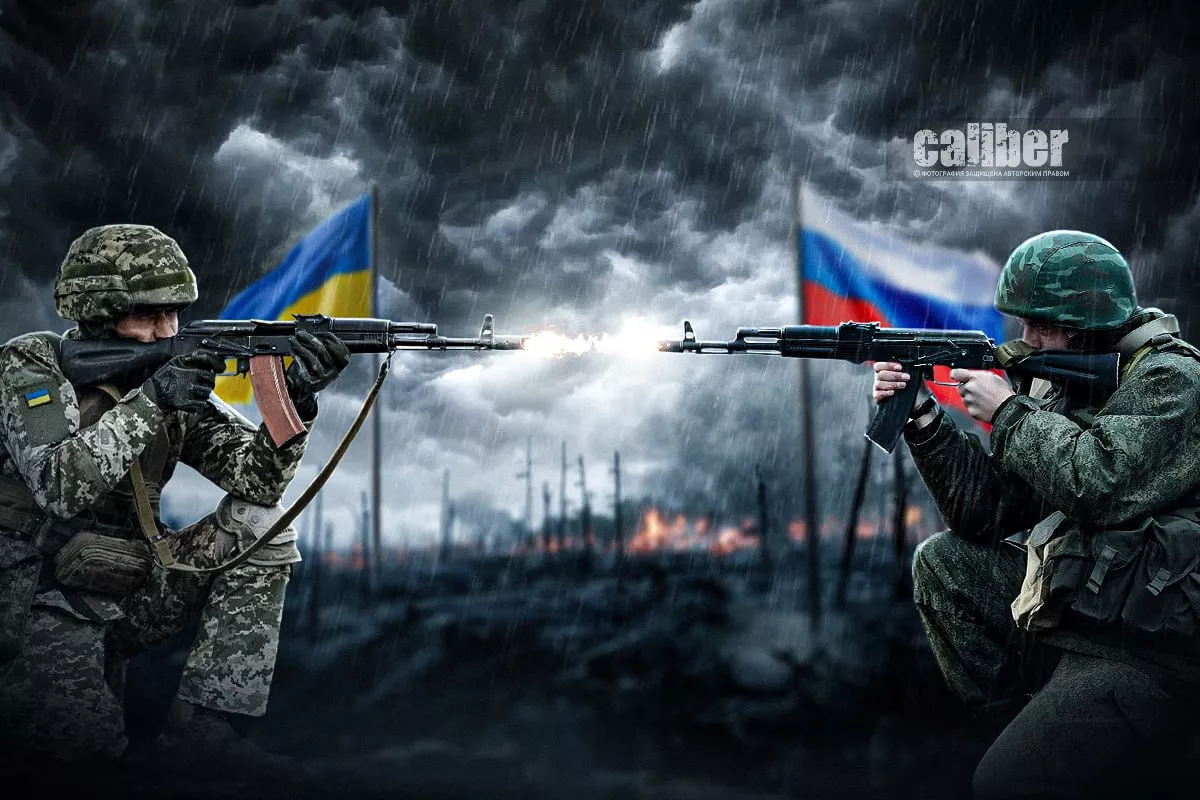
First, in both Russia and Ukraine, political elites would suffer significant reputational losses in the event of acknowledging defeat or making substantial concessions. Public opinion in both countries has been shaped under conditions of mobilizational rhetoric, and any step back would be perceived as betrayal.
Secondly, there is the factor of accountability. The end of the war will inevitably bring to public attention questions about its causes, the level of preparedness, the scale of losses, and the effectiveness of resource management. In this context, the issue of corruption will also come to the surface.
As can be seen, war becomes a universal explanation for all problems — from economic to administrative.
Thus, the prospects for a meeting between Zelenskyy and Putin and for an end to the confrontation in the near future appear highly uncertain. In this context, rhetoric about readiness for negotiations largely performs a political and communicative function.
As long as the positions of the parties remain diametrically opposed, the bloody Russian–Ukrainian war will continue, while diplomatic initiatives will remain part of the information warfare.







 editor@caliber.az
 +994 55 444-88-98
 Азербайджан, Баку, ул. Низами, 203, Af Business House, 5-й этаж